


Unlocking the Shield: Saudi Arabia Expands Global Partnerships in Critical Minerals

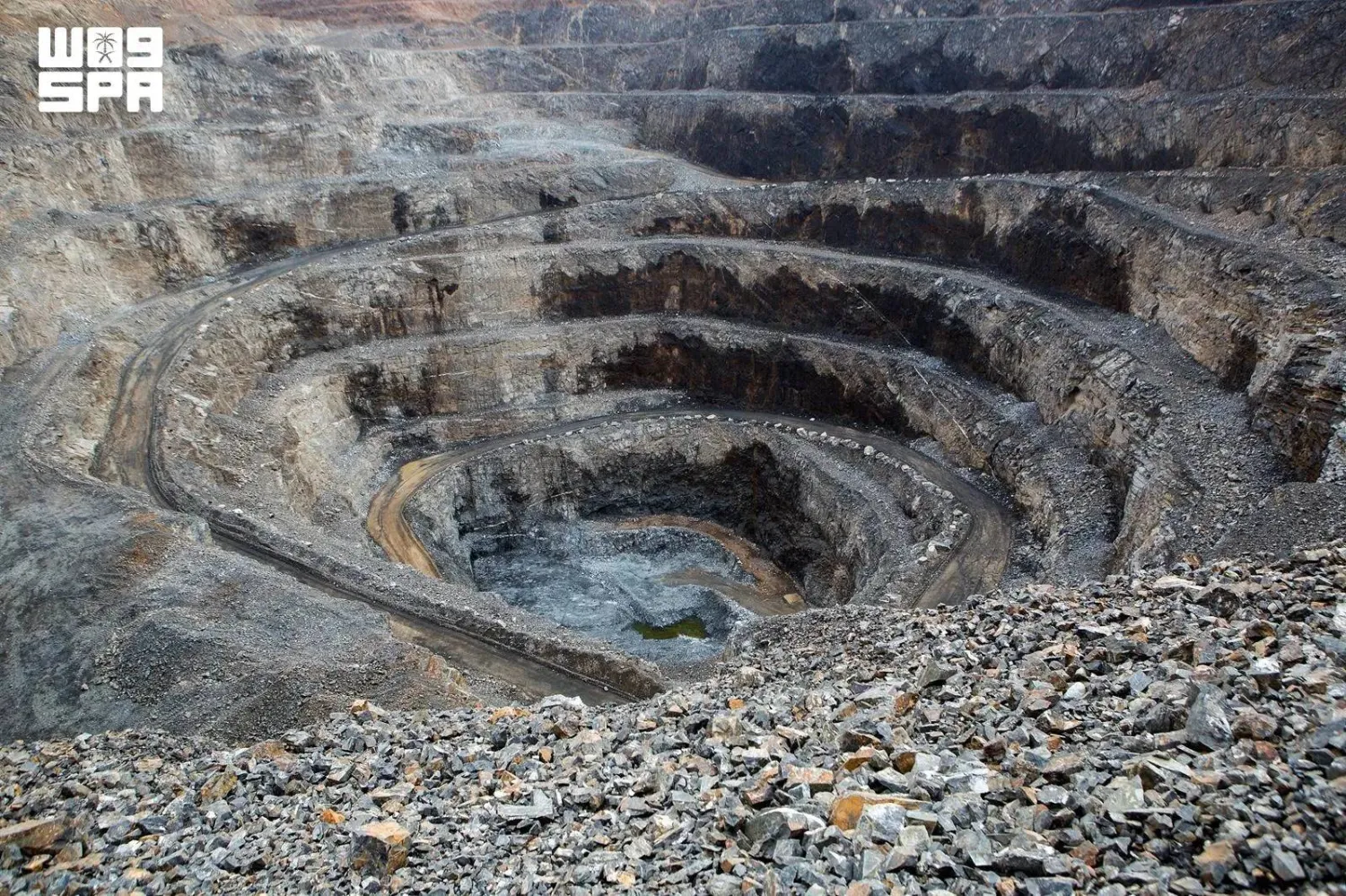
Spanning Saudi Arabia’s western coast, the Arabian Shield is among the world’s oldest geological formations. (SPA)
TT

Unlocking the Shield: Saudi Arabia Expands Global Partnerships in Critical Minerals

Spanning Saudi Arabia’s western coast, the Arabian Shield is among the world’s oldest geological formations. (SPA)

Long before Saudi Arabia emerged as an energy powerhouse, geological forces beneath the Earth’s surface were quietly enriching deposits of significant value.

Spanning Saudi Arabia’s western coast, the Arabian Shield is among the world’s oldest geological formations. Estimated to have formed between 500 and 900 million years ago through a series of volcanic, tectonic, and continental collisions, this craton preserves a remarkable record of the region’s evolution and hosts a rich concentration of critical minerals.

Today, the ancient landscape is home to some of the world’s most in-demand natural resources, further positioning the Kingdom as a rare-earth pioneer, the Saudi Press Agency reported on Monday.

Since the launch of Vision 2030, the importance of critical minerals has become a strategic priority, with the mining sector, led by Minister of Industry and Mineral Resources Bandar Alkhorayef, recognized as the third pillar of the Kingdom’s national economy. As Saudi Arabia accelerates efforts to expand renewable energy, advanced manufacturing, and digital infrastructure, critical minerals are becoming central to the nation’s industrial development and global competitiveness.

Although small in volume, rare earth elements—a group of 17 metallic elements—are indispensable components of Saudi Arabia’s $2.5 trillion mineral endowment and of modern technologies such as electric vehicles, wind turbine, aircraft systems, and data centers.

Therefore, as demand for advanced technology continues to rise, securing a consistent supply of critical minerals has become a global imperative for countries transitioning to clean energy and AI deployment. International attention is shifting beyond access to resources alone toward the development of a resilient, integrated value chain encompassing mining, processing, refining, and advanced manufacturing.

As a result, the Kingdom is uniquely positioned to benefit from this transformation, with substantial mineral discoveries reinforcing Saudi Arabia’s emergence as a premier hub for mining investments and multilateral cooperation.

This week, Alkhorayef concluded a high-level diplomatic visit to the Russian Federation, a country renowned for its vast reserves of critical minerals, including nickel, cobalt, platinum group metals, and rare earth elements.

For a century, Saudi Arabia and Russia have maintained warm bilateral relations, and the Minister’s attendance at the St. Petersburg International Economic Forum (SPIEF) this week follows a memorandum of understanding (MoU) signed between the two countries on the sidelines of the 2024 Future Minerals Forum in Riyadh.

The agreement aims to deepen collaboration across the critical-minerals value chain, while underscoring their shared commitment to joint exploration, technology exchange, and investment in mineral processing and advanced manufacturing.

Saudi Arabia’s visits to Russia over the past few years subsequently reaffirm the Kingdom’s intent to build enduring international partnerships. The country’s efforts to engage in high-level dialogue also highlight Saudi Arabia’s resolve to secure its own supply chains while equally contributing to the stability and growth of global markets.

In November 2025, the industry minister announced the value of rare earth element discoveries had reached $100 billion - an increase of 90% since 2018. He also revealed that studies conducted by the Saudi Geological Survey identified two advanced-stage exploration areas containing an estimated 644 million tons of resources, with an average grade of 0.3% total rare earth oxides.

Four additional locations have also been targeted for further evaluation, increasing the estimated resource from 364 million to 714 million tons, with concentrations up to 1.66%.

One of the most significant discoveries lies beneath the Jabal Sayyid and Jabal Quraiyah geological sites. Considered two of the world’s most auspicious mining prospects, the underground mines are located within a highly lucrative mineral belt valued at approximately $51.3 billion.

However, the Kingdom’s ambitions extend far beyond extraction. Recognizing that the greatest economic value is often generated further along the supply chain, the country is actively pursuing a blueprint to develop an integrated critical minerals ecosystem. The roadmap aims to expand Saudi Arabia’s capabilities in mining, separation, refining, and advanced manufacturing, enhancing economic value within the Kingdom while supporting global supply chain resilience.

Underpinning this strategy is a growing network of international partnerships and cooperation agreements aimed at advancing critical minerals value chains, attracting investment, facilitating technology transfer, and supporting the development of processing and manufacturing capabilities. These efforts are complemented by ongoing discussions with global industry leaders to establish processing and separation facilities that leverage both domestic and international feedstock.

By transforming the country’s mineral wealth into a catalyst for economic leadership, technological innovation, and supply chain security, Saudi Arabia is positioning itself as a key player in the global energy transition. Much like the vast Arabian Shield, these ambitions are rooted in ancient foundations that now drive a bold, forward-looking vision.

Saudi Arabia is not just shaping its own future — it is helping build the resilient supply chains needed to support global growth and development for decades to come.


Saudi Arabia, Russia Ink $1.28 Billion Deals to Boost Key Industries

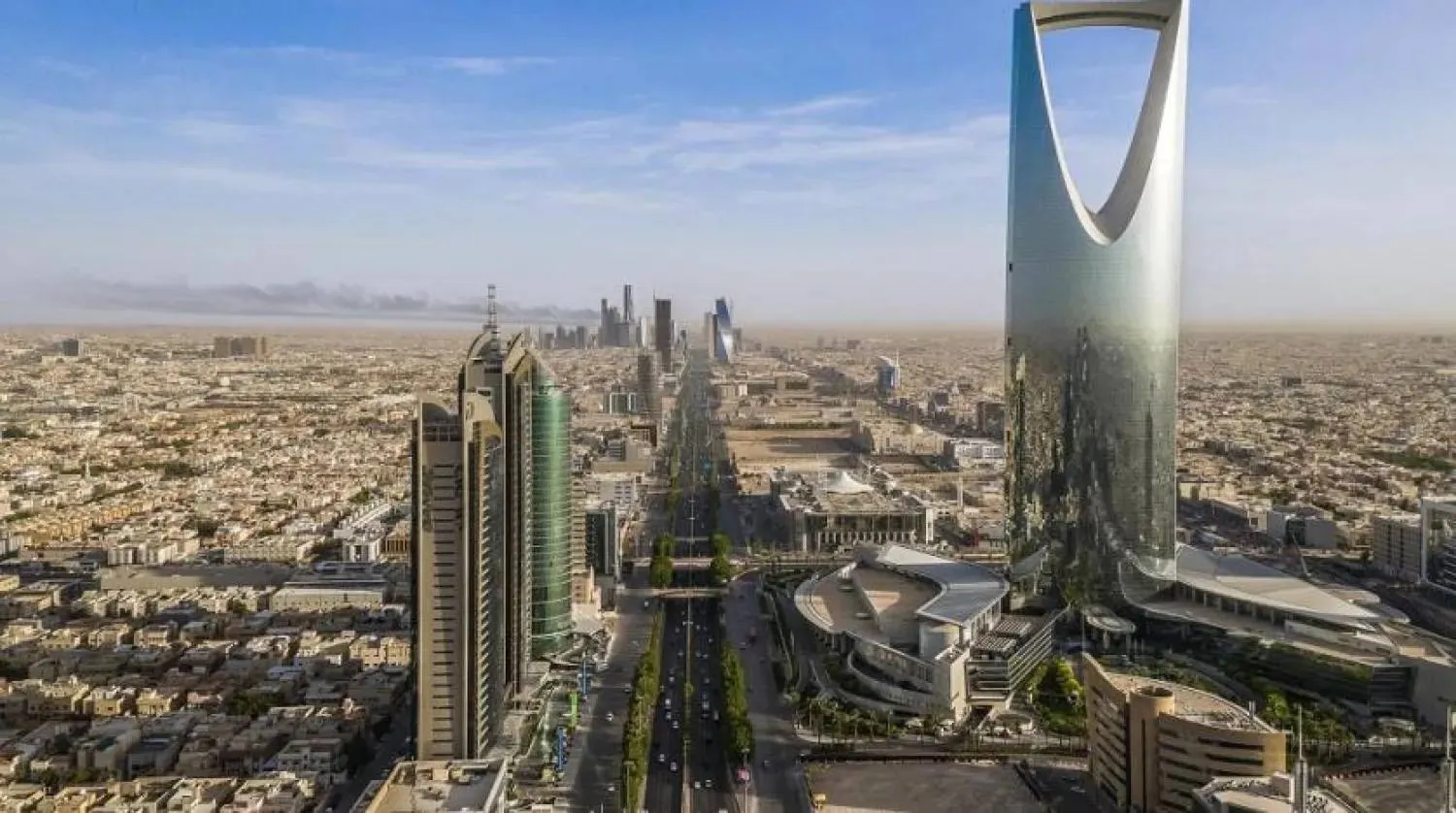
General view of Riyadh, Saudi Arabia. (SPA)
TT

Saudi Arabia, Russia Ink $1.28 Billion Deals to Boost Key Industries

General view of Riyadh, Saudi Arabia. (SPA)

Saudi Arabia and Russia signed 13 strategic agreements and memoranda of understanding on the sidelines of the St. Petersburg International Economic Forum (SPIEF), the Saudi Press Agency reported on Monday.

The agreements were signed in the presence of Saudi Vice Minister of Environment, Water and Agriculture Eng. Mansour Al-Mushaiti, reflecting the two countries’ commitment to strengthening cooperation across key economic and strategic sectors.

The agreements, valued at $1.28 billion (SAR4.8 billion), aim to expand cooperation and strengthen trade and investment exchange between the two countries.

Al-Mushaiti said the Ministry of Environment, Water and Agriculture has worked to attract leading Russian companies specializing in vital and food-related sectors. He noted that the forum witnessed the signing of a package of high-quality agreements and partnerships between government entities and major private-sector companies from both countries.

The agreements support the Kingdom’s efforts to enhance food security, localize advanced biotechnology, and strengthen supply chain sustainability in line with the objectives of Saudi Vision 2030.

He explained that the agreements and memoranda of understanding signed during the Kingdom’s participation as a guest of honor at the forum covered several strategic sectors, including the manufacturing and localization of veterinary vaccine production to support animal health and biosecurity; the development and propagation of broiler breeds to enhance self-sufficiency and the sustainability of domestic production; securing feed inputs and supply chains to support the stability and growth of the livestock sector.

The agreements also focused on expanding exports of Saudi fish products through strategic partnerships for shrimp and fish exports, in cooperation with Russian companies specializing in import and international distribution.

Al-Mushaiti added that the forum also witnessed the signing of agreements to market and export camel milk and its derivatives to Russian and international markets, promote and export Saudi coffee products, and enhance cooperation and exchange in the soft drinks sector.

He stressed that the Kingdom’s participation in SPIEF reflects the importance of the strategic partnership between Saudi Arabia and Russia and provides an opportunity to exchange expertise and explore investment opportunities in the environment, water, and agriculture sectors.


Oil Rises Slightly as Investors Await Clarity after Iran-Israel Halt Attacks

A worker operates valves at the Rumaila oil field in Basra (Reuters)
TT

Oil Rises Slightly as Investors Await Clarity after Iran-Israel Halt Attacks

A worker operates valves at the Rumaila oil field in Basra (Reuters)

Oil prices inched up in early trade on Tuesday after Iran and Israel left the door open to a possible resumption of attacks on each other, though they had called a halt to hostilities following an appeal from US President Donald Trump.

Brent crude futures rose 13 cents, or 0.14%, to $94.38 a barrel at 0001 GMT, while US West Texas Intermediate were up 11 cents, or 0.12%, at $91.41 a barrel.

Prices climbed as much as 5% in the previous session after renewed Israeli strikes ‌on Iran ‌and attacks in Lebanon reduced hopes of an imminent ‌end ⁠to the wider ⁠war, but pared gains after Iran's armed forces announced the end of military operations against Israel, Reuters said.

"While there is some relief from the latest pause in direct strikes, investors are not convinced the truce will hold," said Tim Waterer, chief market analyst at KCM Trade.

The market is pricing in continued uncertainty rather than a lasting resolution, Waterer added.

Iran and Israel ⁠said they had halted attacks on each other after ‌an appeal from US President Donald ‌Trump that they immediately "stop 'shooting'", though Tehran said it would resume strikes if Israel continued ‌to hit Hezbollah in Lebanon.

"While this helped stop the situation ‌snowballing, the geopolitical backdrop remains tense, and a lasting peace deal remains elusive," said Tony Sycamore, market analyst at IG.

Israeli Prime Minister Benjamin Netanyahu said in a video statement carried by Israeli television that Israel would respond with force if ‌Iran attacked again.

Trump told Axios in an interview published on Monday that he warned Netanyahu that ⁠he might find ⁠himself fighting alone if he went back to war with Iran.

"The key question is whether current de-escalation efforts can finally translate into a longer-lasting resolution, or if we're simply in another temporary lull," Waterer said.

One of the key issues Washington is pressing Tehran for in peace talks is the reopening of the Strait of Hormuz, through which about a fifth of the world's supply of oil passed before the US and Israel launched airstrikes on Iran at the end of February.

On Monday, US forces disabled an unladen oil tanker in the Gulf of Oman after it attempted to sail to an Iranian port in violation of the ongoing blockade against Iran, the US military said.


Red Sea Global Announces Reopening of Al Wajh International Airport

The airport’s architectural design draws inspiration from the historic urban character of Al Wajh - SPA
TT

Red Sea Global Announces Reopening of Al Wajh International Airport

The airport’s architectural design draws inspiration from the historic urban character of Al Wajh - SPA

Red Sea Global (RSG) has announced the reopening of Al Wajh International Airport (EJH) in northwestern Saudi Arabia following a comprehensive two-year redevelopment and modernization program, culminating in the official resumption of commercial flight operations on May 24, 2026.

According to a press release issued by the RSG on Monday, commercial services commenced with five scheduled weekly flights operated by Saudia, including three flights from Riyadh and two from Jeddah, meeting current connectivity requirements for the region while paving the way for future international services, SPA reported.

This milestone reinforces Red Sea Global’s role as a key contributor to national infrastructure development beyond its tourism projects, reflecting its growing commitment to strengthening regional connectivity, enhancing public services, and supporting economic growth.

CEO of Red Sea Global Group John Pagano said: "This project goes far beyond upgrading an existing airport. It represents an investment in connecting communities, supporting economic development, and creating new opportunities for local residents. Today, Tabuk Region has an airport capable of receiving international flights, strengthening links with the rest of the Kingdom and the world."

Following the upgrade, Al Wajh International Airport is now capable of accommodating and operating most narrow-body commercial aircraft, including the Airbus A320 and Boeing 737, as well as seaplanes, providing operational flexibility to support future aviation growth.

The release added that passenger terminal capacity has increased from 100,000 to 500,000 passengers annually, with the airport capable of handling 330 passengers per hour during peak periods through four arrival and departure gates.

The airport’s architectural design draws inspiration from the historic urban character of Al Wajh and the coastline of Tabuk Region, reflecting local identity and celebrating the area’s cultural heritage.

The modernization program also included significant upgrades to passenger facilities, featuring expanded parking facilities. In addition, the airport is equipped to support seaplane and helicopter operations, further enhancing the integrated mobility ecosystem serving AMAALA.
