


HUMAIN: Saudi Arabia Allocates 14 GW for AI Factories

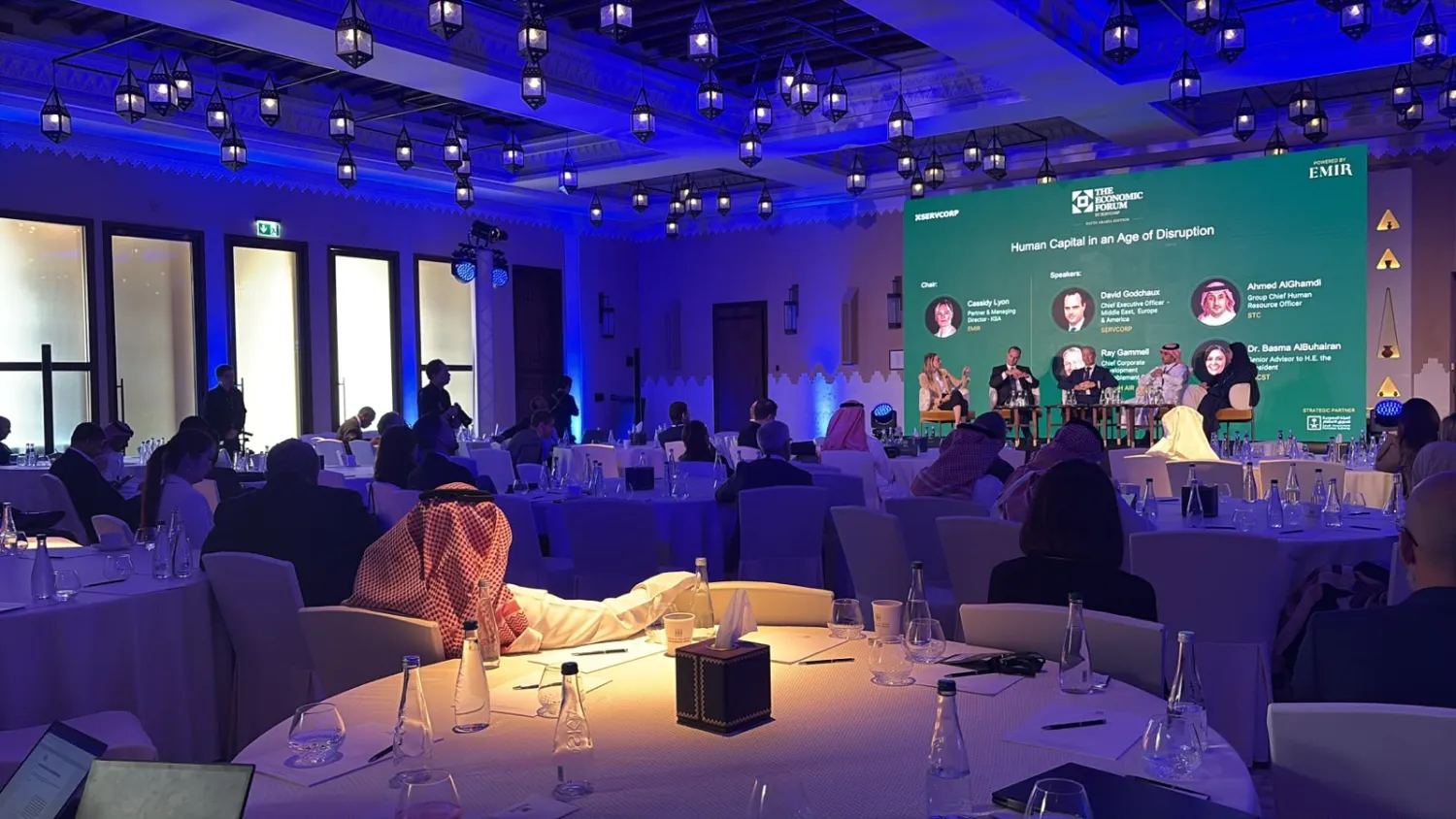
A panel discussion at the forum (Asharq Al-Awsat)
TT

HUMAIN: Saudi Arabia Allocates 14 GW for AI Factories

A panel discussion at the forum (Asharq Al-Awsat)

Saudi Arabia is betting on abundant energy supplies and expanding digital infrastructure to build an integrated artificial intelligence ecosystem, allocating about 14 gigawatts of power capacity to support what HUMAIN calls “AI factories.”

The move comes as companies and countries race to secure the computing capacity needed to train and operate advanced models amid growing constraints on the availability of energy, chips and data centers.

HUMAIN CEO Tareq Amin said the Kingdom has the resources needed to build such an ecosystem, explaining that the company is focusing not only on providing computing capacity and infrastructure, but also on developing software and systems in-house. This would allow it to build an integrated chain extending from energy and data centers to models and applications.

Speaking at Servcorp’s inaugural economic forum in Riyadh, Amin said his previous experience in the energy sector had given him early insight into the scale of the challenges involved in securing advanced computing capacity. Access to graphics processing units could in some cases take several months, he noted, prompting him to consider building an integrated AI ecosystem within Saudi Arabia.

14 GW to Support Infrastructure

Amin explained that since its establishment, HUMAIN has focused on building “AI factories” by providing the ecosystem’s core components, including energy, computing and digital infrastructure, alongside developing software, models, applications and consulting services and investing in startups.

He added that cooperation with the Energy Ministry and several government entities had helped accelerate the allocation of land and infrastructure required for the project, noting that about 14 GW of power capacity had been allocated to the site the company is working on.

Infrastructure development is proceeding in parallel with efforts to attract global companies to make use of it, Amin noted. The company has signed agreements with international companies, including Amazon, while work on a joint project with AMD is progressing. Other companies are also being attracted to operate within the AI ecosystem being developed in Riyadh.

Beyond Generative AI

Amin said current uses of AI still represent only a limited portion of the technology’s available potential. Global attention is currently focused on generative AI and its applications within companies, while AI applications connected to the physical world, industry and infrastructure remain at an early stage.

The next phase will require greater computing capacity, energy and data center infrastructure, he explained, predicting a significant expansion in the scope of AI use as the supporting infrastructure develops.

Amin added that the company has managed, in about 15 months, to build operations spanning several sectors, stressing that fully harnessing AI is not simply a matter of adding new technological tools, but requires redesigning how organizations operate.

From Buying Software to Developing It In-House

Amin noted that the biggest challenges the company faced were not so much technological as related to changing corporate culture and working methods. HUMAIN made a strategic decision not to buy off-the-shelf software and instead to develop its systems internally.

The approach has included building agentic workflows, systems of record and a number of applications used in daily operations. Amin said the future of work will gradually move toward models in which users need only specify the task they want performed, while intelligent models automatically carry out the necessary steps and procedures.

He stressed that these changes are not intended to eliminate employees, but rather to increase their productivity and enable them to perform their work more efficiently. Some employees, he noted, are now able to complete tasks that previously required much larger teams.

The experience has also extended to human resources and other departments, where team members are now able to develop workflows and AI agents themselves without having to rely entirely on IT departments.

AI and Geopolitics

Amin’s remarks came during Servcorp’s inaugural economic forum, which brought together about 150 business leaders, investors and policymakers to discuss shifts reshaping the economies of Saudi Arabia, the Middle East, North Africa and Türkiye.

Opening the forum, Walid Abukhaled, chairman of EMIR in Saudi Arabia, said the global economy faces a combination of overlapping challenges, including geopolitical tensions and accelerating technological change, noting that Saudi Arabia’s importance is growing given its pivotal position in the global energy sector.

He added that AI has become a major factor reshaping the labor market as automation and modern technologies expand across manufacturing, consulting and programming, creating new challenges related to the skills that will be required in the future.

For his part, David Godchaux, Servcorp’s CEO for the Middle East, Europe and the Americas, said Saudi Arabia has undergone a major transformation in recent years, moving from an emerging market to a major economy with growing global influence.

He explained that the abundance of information has not made decision-making easier, but has instead increased the need to distinguish valuable information from the noise generated by the vast flow of data. One of the forum’s objectives, he noted, is to provide a platform that helps business leaders and investors interpret economic trends more clearly and make more precise decisions.



Saudi Intercity Buses Carry Over 960,000 Passengers in Q3 2026

A bus parked at Madinah Airport (SPA)
TT

Saudi Intercity Buses Carry Over 960,000 Passengers in Q3 2026

A bus parked at Madinah Airport (SPA)

Saudi Arabia's Transport General Authority (TGA) reported that more than 960,000 passengers traveled on intercity buses during the third quarter of 2026, an increase of 6% compared with the same period last year, according to its quarterly statistical bulletin, SPA reported.

The Makkah region recorded the highest passenger volume at approximately 287,000, followed by Riyadh with 201,000 and the Eastern Province with 123,000.

Asir ranked fourth with around 75,000 passengers, followed by Madinah with 59,000, Jazan with 56,000 and Tabuk with 41,000.

The Northern Borders region recorded 25,000 passengers, Qassim 24,000, Najran 22,000, Hail 18,000 and Jouf 15,000, while Al-Baha registered approximately 9,000 passengers.


CEER Signs SAR2.6 Billion Financial Agreement with Arab National Bank and Riyad Bank

The signing marks a key milestone that unites CEER with two of the Kingdom’s premier financial institutions - SPA
TT

CEER Signs SAR2.6 Billion Financial Agreement with Arab National Bank and Riyad Bank

The signing marks a key milestone that unites CEER with two of the Kingdom’s premier financial institutions - SPA

CEER, Saudi Arabia’s first homegrown automotive brand, signed a financial agreement worth approximately SAR2.6 billion with Arab National Bank (anb) and Riyad Bank to further advance CEER’s strategic objectives in its contribution towards the growth of the Saudi automotive manufacturing industry.

The agreement was signed at CEER’s headquarters in Riyadh by Chief Financial Officer of CEER Joerg Schuessler, Chief Wholesale Bank Officer at Arab National Bank Louai Alzaher, and Chief Corporate Banking Officer at Riyad Bank Mohammed Abu Al-Naja, SPA reported.

The signing marks a key milestone that unites CEER with two of the Kingdom’s premier financial institutions and demonstrates robust private-sector confidence in CEER’s strategic direction, operational readiness, and long-term commercial viability, directly aligning with the industrial diversification objectives of Saudi Vision 2030.

At the signing ceremony, Schuessler said: "This agreement reflects anb and Riyad Bank's confidence in CEER's business model and long-term outlook. Together, we are investing in the future of a Saudi automotive brand built for the Kingdom and its future economic ambitions."

Alzaher added: “We are proud at anb to have led and arranged this agreement for CEER, reflecting the Bank’s commitment to supporting strategic national projects and enabling businesses to execute their strategic plans. This agreement also underscores anb’s role as an active banking partner in supporting promising economic sectors, particularly the automotive manufacturing industry, contributing to strengthening the Kingdom’s industrial sector and advancing the objectives of Saudi Vision 2030.”

Abu Al-Naja stated: “The signing of this financing agreement with CEER reaffirms Riyad Bank’s commitment to supporting national industries and advancing sustainable transport in line with Saudi Vision 2030 and the Saudi Green Initiative.”


Opening Saudi Legal Market to Foreign Firms Boosts Investment Competitiveness

Client services at Saudi Arabia’s Ministry of Justice (SPA)
TT

Opening Saudi Legal Market to Foreign Firms Boosts Investment Competitiveness

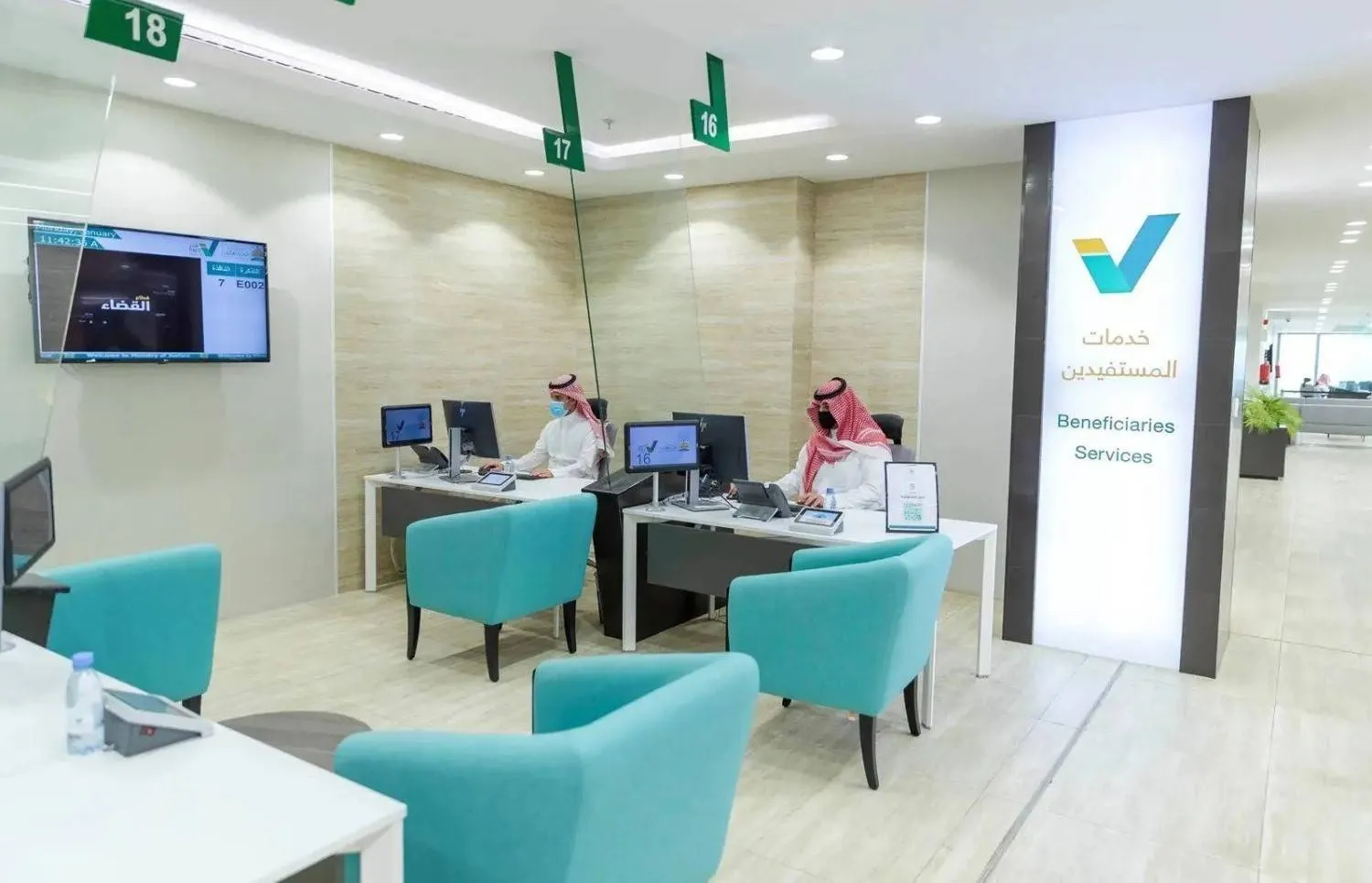
Client services at Saudi Arabia’s Ministry of Justice (SPA)


The Saudi Cabinet's decision to amend the Code of Law Practice, allowing foreign law firms to establish professional companies in the Kingdom under specific regulations, opens new opportunities for the legal services sector. The move aims to strengthen competitiveness and expand investment in professional services.

The decision comes as local and international companies increasingly seek specialized legal services to support business expansion and investment projects in Saudi Arabia.

The amendment is expected to do more than increase the number of firms operating in the sector. It is also anticipated to stimulate competition, raise quality and governance standards, facilitate the transfer of international expertise and develop professional practices in line with the Kingdom's ongoing economic and investment transformation.

International Expertise

Among the anticipated benefits is an improvement in the quality of legal services and practices through the adoption of international expertise in handling complex commercial cases and transactions, alongside advanced standards for risk management, compliance and professional governance.

Legal professionals say the decision responds to the growing scale of government and investment projects, which are driving demand for specialized legal services.

They also believe allowing foreign law firms to establish professional companies in Saudi Arabia could attract more regional headquarters of multinational corporations and strengthen the Kingdom's position as a hub for business and professional services.

Expanding Client Choice

Lawyer and legal consultant Khalid Ababtain said opening the Saudi market to international law firms represents an important step toward developing the legal services sector and enhancing its competitiveness.

He explained that a well-functioning market should not be built around protecting service providers from competition, but rather around enabling clients to obtain services that meet their needs at the best possible quality and most appropriate cost.

Speaking to Asharq Al-Awsat, Ababtain said clients have different priorities. Some seek the lowest price, while others prioritize quality and specialized expertise regardless of cost. Still others seek a balance between the two.

He explained that the entry of international law firms would not merely increase the number of competitors. It would also give clients a wider range of options and encourage domestic firms to improve their services, deepen their specializations and enhance operational efficiency.

Ababtain said the expansion of projects and investments across the Kingdom requires a legal market capable of providing sophisticated services in mergers and acquisitions, project finance, commercial arbitration and other highly specialized fields.

He stressed that the impact of competition should not be measured solely by its benefits to legal service providers, but also by the value it creates for clients and investors.

A competitive legal market, he said, is not one that shields lawyers from their rivals, but one that encourages both to compete for client satisfaction. He described this as the essence of competition and one of the most significant benefits of opening Saudi Arabia's legal market.

Improving Legal Practice Standards

Lawyer Zohour Faisal Al-Turki told Asharq Al-Awsat that the Cabinet's decision to amend the Code of Law Practice, allowing foreign law firms to establish professional companies in the Kingdom, would encourage greater specialization within the legal sector rather than continued reliance on general legal service models.

She said the Saudi economy increasingly requires highly specialized legal expertise in sectors such as energy, technology, finance, infrastructure and real estate investment.

According to Al-Turki, the benefits would also extend to developing Saudi legal talent through training and professional development, while creating more opportunities for Saudi lawyers to work in international legal environments and gain experience handling cross-border contracts and commercial and investment disputes.

She added that the decision could turn the entry of international law firms into a meaningful opportunity to train Saudi lawyers, transfer knowledge and develop specialized legal education and training programs.

Al-Turki said the move would also help improve standards for assessing the quality of legal services, ensure adherence to professional ethics, protect client confidentiality and safeguard the independence of legal practice.

She emphasized that the decision would encourage local professional partnerships and knowledge sharing, helping Saudi law firms build the competitive capabilities needed to benefit from market liberalization rather than simply contend with increased competition.

She added that these developments would support the establishment of a legal market capable of providing advanced services to multinational companies and strengthen Riyadh's position as a regional hub for professional services.