The military escalation in the Middle East, now into its fifth week, may cost economies in the region from 3.7 to 6 percent of their collective Gross Domestic Product (GDP), a staggering loss of $120-194 billion, a new United Nations study found.
“Coupled with an estimated rise in unemployment of up to 4 percentage points or 3.6 million jobs lost—more than the total jobs created in the region in 2025, these reversals will push up to 4 million people into poverty,” according to an analysis by the United Nations Development Programme (UNDP), which was released early Tuesday.
The assessment - “Military Escalation in the Middle East: Economic and Social Implications for the Arab States region” - exposes the concerning reality of structural vulnerabilities characteristic to the region, which enable a short lived military escalation to generate profound and widespread socio economic impacts that may persist over a long-term.
The agency said it had studied a number of different scenarios to determine how the conflict, which began on Feb. 28, might affect countries in the region. The report’s authors indicated that the damage could be profound, even if the war ends relatively soon.
“A short-lived military escalation in the Middle East could generate profound and widespread socio-economic impacts across the Arab States region,” they said.
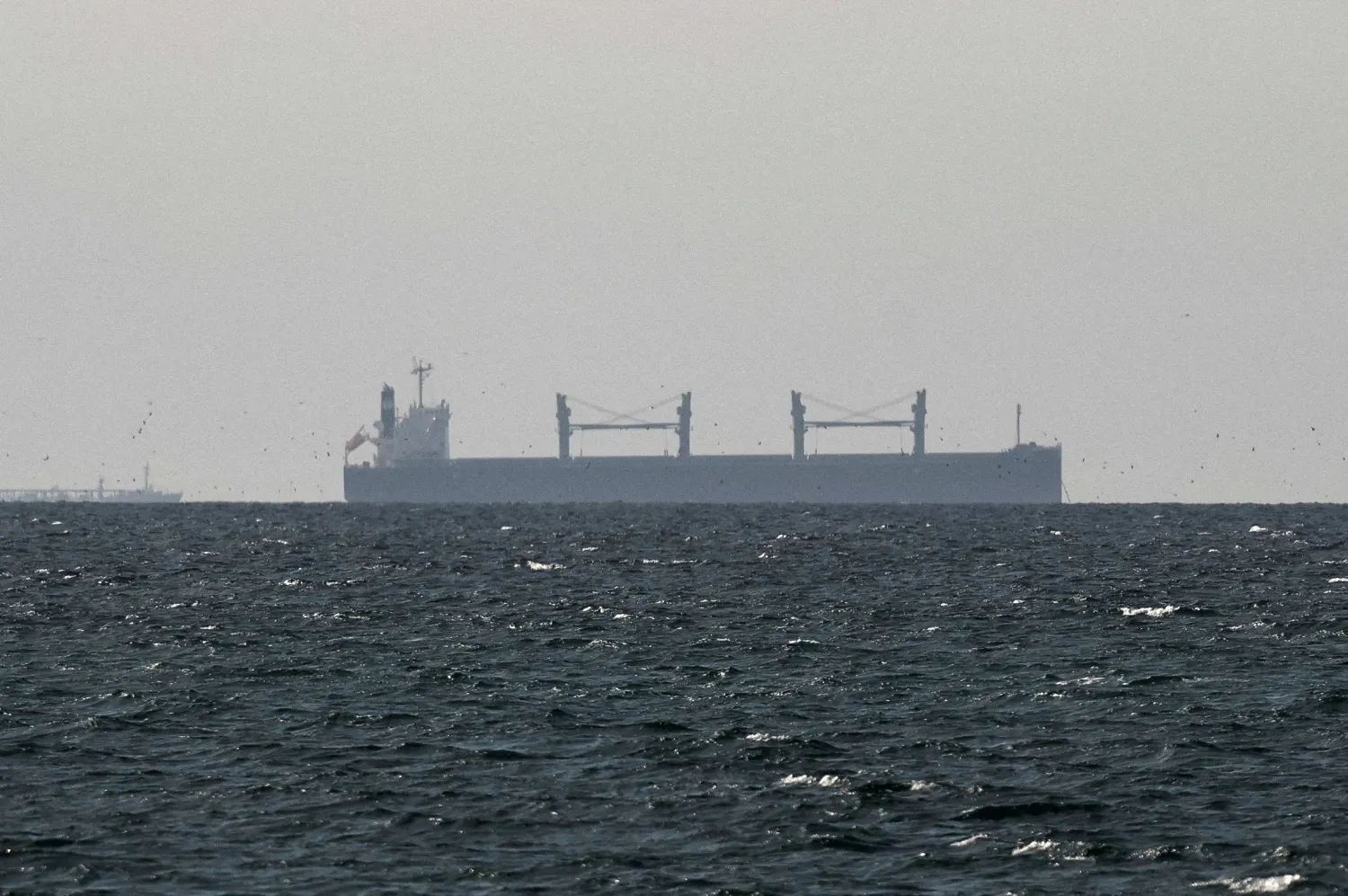
“Since the escalation began, maritime security risks and attacks on tankers have sharply curtailed shipping activity through the Strait of Hormuz,” said the study.
The Strait remains the world’s most critical maritime energy chokepoint, it added.
It warned that even limited military escalation or accidental incidents affecting the Strait can rapidly destabilize global energy markets and trigger sharp price movements.
The study added that simulations suggest that the military escalation could generate substantial but uneven macroeconomic impacts across the Arab States region.
Simulations indicate the Gulf Cooperation Council countries would experience macroeconomic impacts. GDP is projected to decline between 5.2 percent under the moderate disruption scenario and 8.5 percent under the most severe scenario.
The Levant region (Iraq, Lebanon, Jordan and Syria) could experience significant macroeconomic losses across all scenarios. Compared to the No-War scenario GDP is projected to decline between 5.2 percent and 8.7 percent.
These translate into between approximately 2.8 and 3.3 million additional people pushed into poverty.
The Human Development Index (HDI) declines by approximately –0.2 to –0.4 percent, corresponding to a loss of roughly half a year to nearly one year of human development progress. These impacts are most pronounced in the Levant, where losses translate into setbacks of around one to one and a half years.
According to the study, the war could also have significant implications for the region’s monetary, fiscal and financial conditions.
“The region’s central banks may therefore need to raise interest rates and intervene in foreign currency markets to contain foreign exchange and inflationary pressures and to provide liquidity support to banks,” it said.