


Saudi Arabia, Switzerland Sign MoU to Bolster Tourism Collaboration

The Saudi Tourism Authority has signed an MoU with Switzerland Tourism. SPA
TT

Saudi Arabia, Switzerland Sign MoU to Bolster Tourism Collaboration

The Saudi Tourism Authority has signed an MoU with Switzerland Tourism. SPA

The Saudi Tourism Authority (STA) has signed an MoU with Switzerland Tourism to bolster collaboration in the tourism sector.
CEO and Board Member of the STA Fahd Hamidaddin and Director GCC at Switzerland Tourism Livio Gotz signed this agreement at the Saudi Tourism Authority headquarters.

Swiss Federal Councillor and Head of Economic Affairs, Education, and Research Guy Parmelin and Swiss Ambassador to Saudi Arabia Yasmine Chatila Zwahlen attended the ceremony.

This MoU, a first-of-its-kind between the two tourism entities, aims to foster the development of the tourism industry, mutual promotion, and enable collaborative tourism projects between Saudi Arabia and Switzerland, setting a new precedent for international tourism cooperation.

A key aspect of this partnership is identifying joint marketing initiatives that highlight the unique attractions of each country. Special attention will be given to specific tourism sectors such as marine activities, culture and heritage, and rural tourism, through combined marketing efforts to attract travelers seeking unique experiences. This strategic promotion aims to highlight both Saudi Arabia and Switzerland as leading destinations for tourism that gratify every tourist, the Saudi Press Agency reported on Thursday.

Additionally, STA and Switzerland Tourism will work together to utilize the latest technology in the industry to promote a more seamless travel journey for visitors. This will be achieved through amplified cooperation between local tourism agencies and operators, providing opportunities for further partnerships and value between Saudi Arabia and Switzerland, SPA said.

Iraq Raises September Basrah Medium Crude OSP to Asia

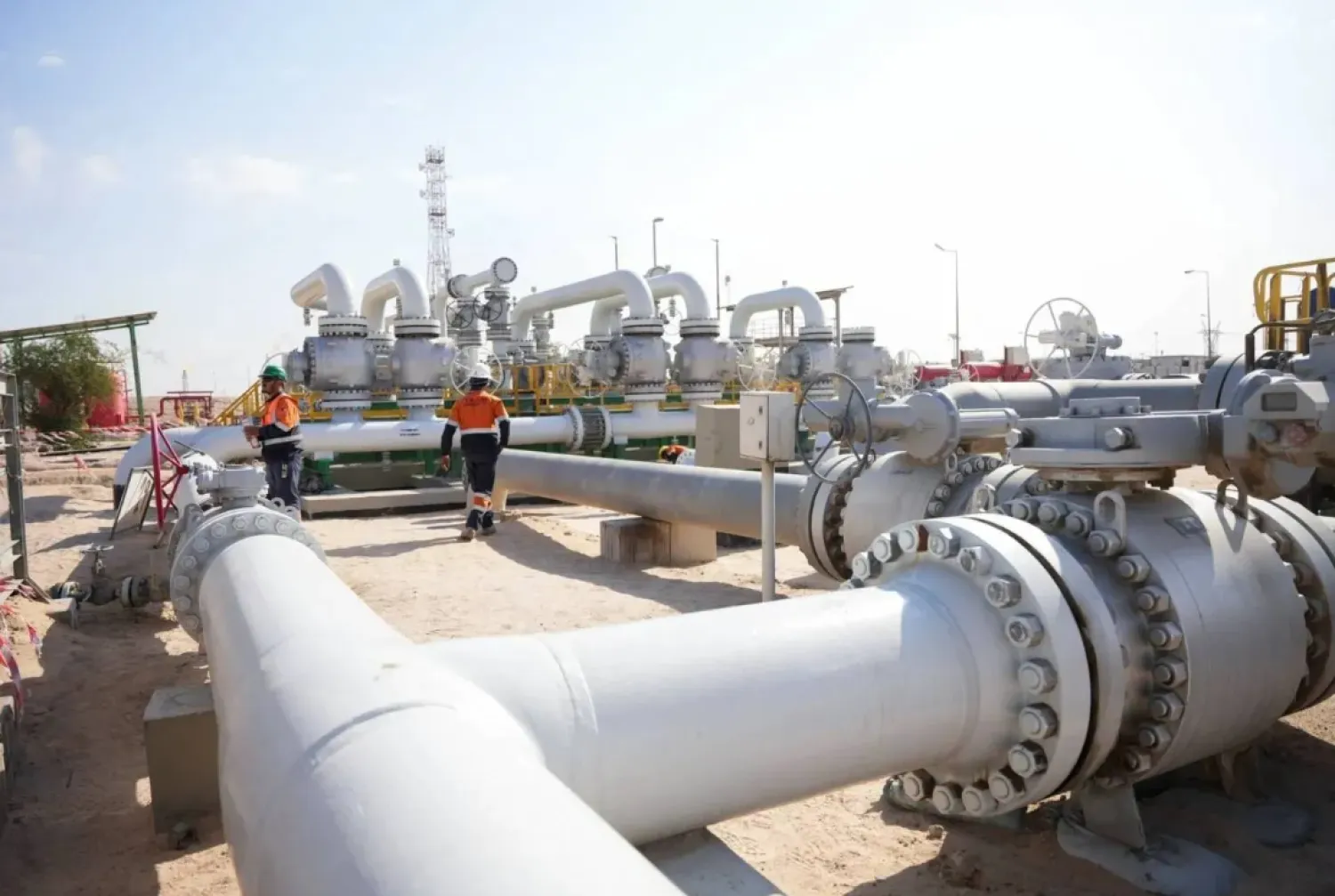
Workers walk across pipelines at the Rumaila oil field in Basra, Iraq (Reuters)
TT

Iraq Raises September Basrah Medium Crude OSP to Asia

Workers walk across pipelines at the Rumaila oil field in Basra, Iraq (Reuters)

Iraq has raised the September official selling price (OSP) for Basra Medium crude oil to Asia to minus $4 a barrel against the average of Oman/Dubai quotes from the August OSP of minus $6.50 a barrel, state-owned Iraqi oil marketer SOMO said on Monday, Reuters reported.

Basrah Heavy to Asia was priced at minus $7.30 a barrel to Oman/Dubai quotes, from minus $8.80 a barrel set for August.

Type of North and South European Far East Crude American Market Market Market ($/bbl) Oil ($/bbl) ($/bbl) Basrah ASCI +5.10 Brent Average (Oman Medium (dated)-4.35 & Dubai)-4.00 Basrah ASCI +1.40 Brent Average


Turkish Central Bank Bought $5 billion in Foreign Exchange Last Week, Bankers Say

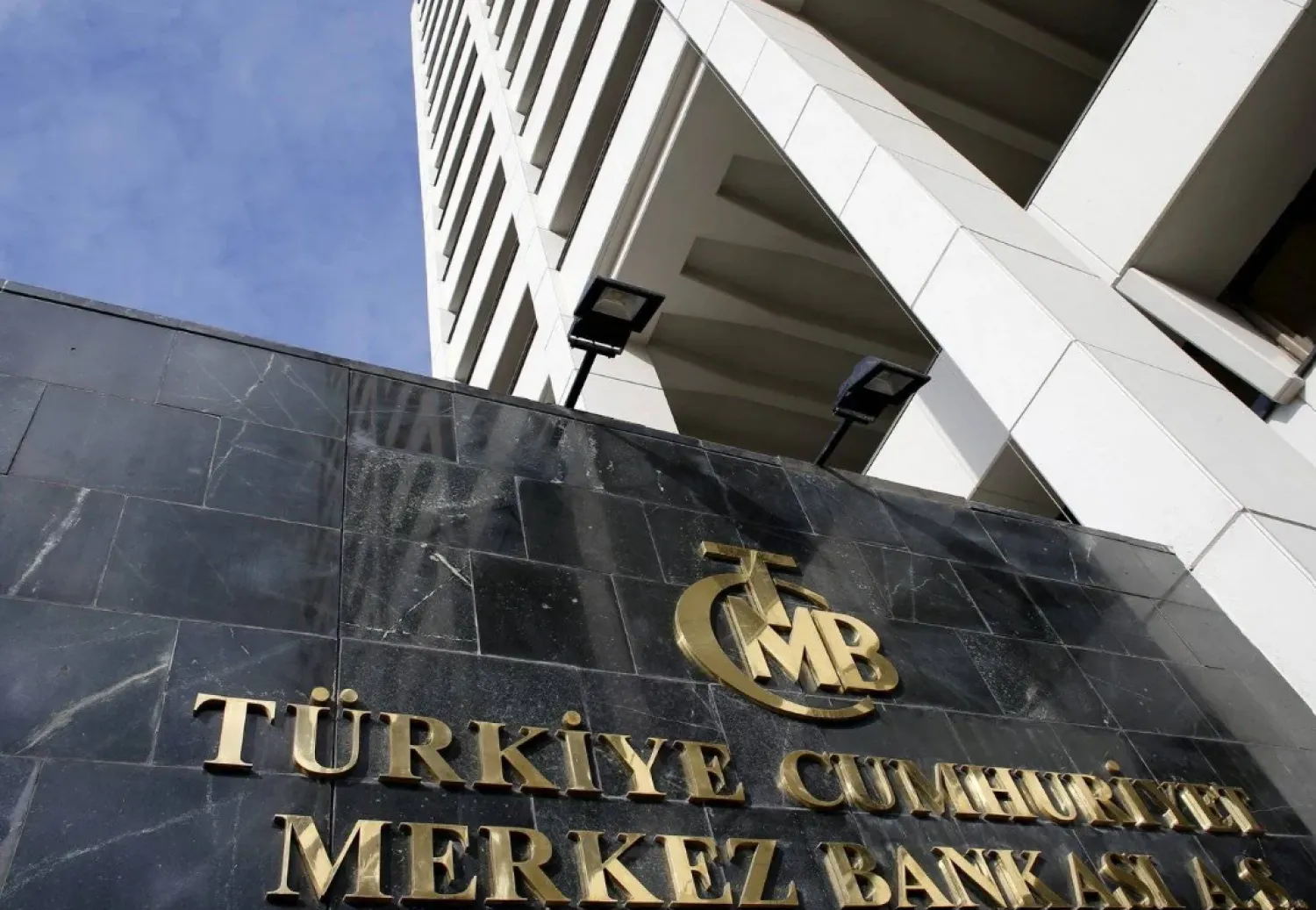
Central Bank of Türkiye - File Photo/Reuters
TT

Turkish Central Bank Bought $5 billion in Foreign Exchange Last Week, Bankers Say

Central Bank of Türkiye - File Photo/Reuters

The Turkish central bank bought $5 billion in foreign exchange last week, with its net reserves increasing $9 billion to $63 billion, bankers said on Monday, Reuters reported.

According to the calculations of four bankers, the central bank's total reserves increased $14 billion last week to $178 billion, while net reserves excluding swaps increased $9.5 billion to $50 billion. The central bank did not comment on the figures.


July US Container Imports Hit Fourth-highest on Record, Descartes Says

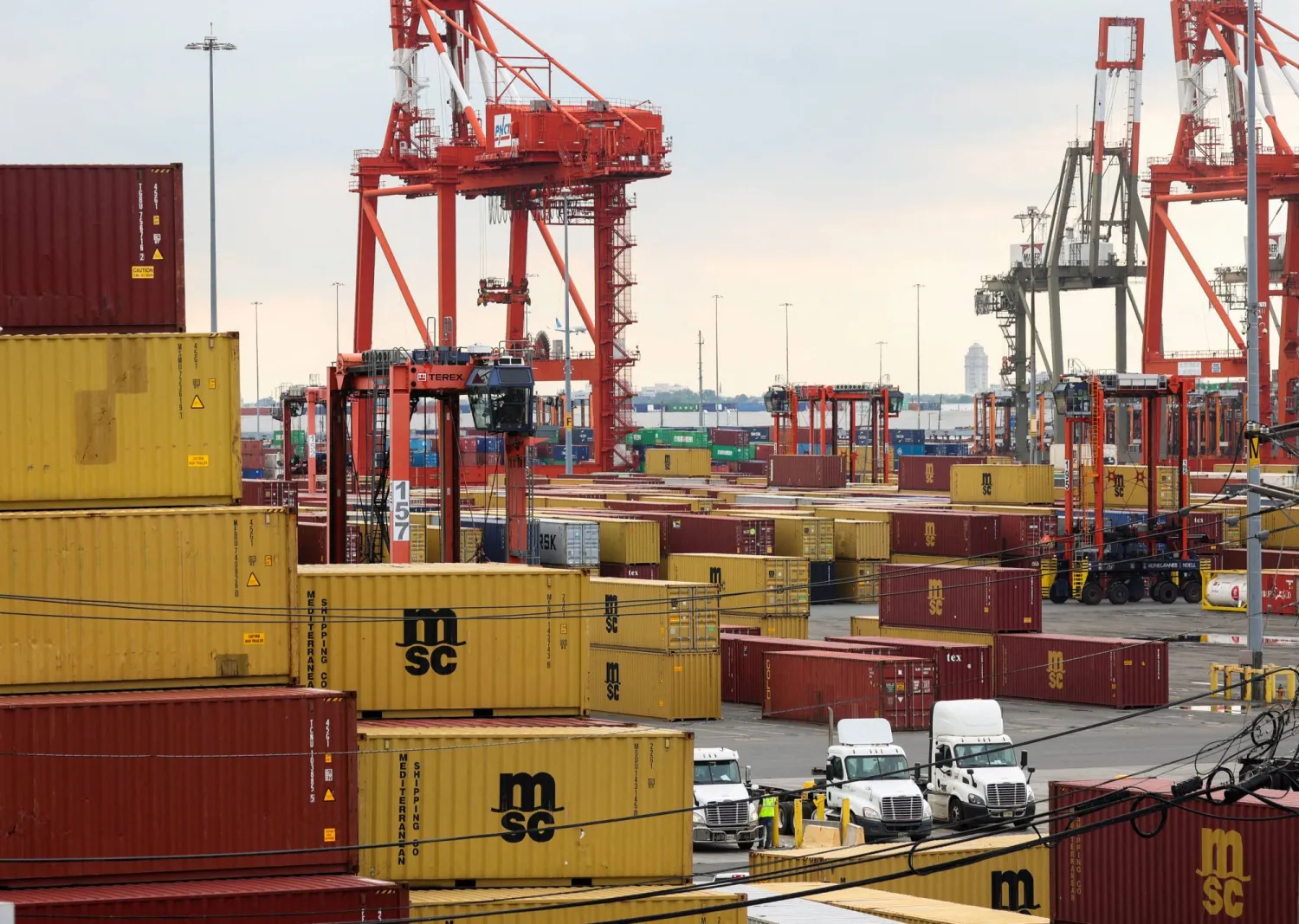
FILE PHOTO: Workers move shipping containers at the Port Authority of New York and New Jersey in, Newark, New Jersey, US, September 30, 2024. REUTERS/Caitlin Ochs/File Photo
TT

July US Container Imports Hit Fourth-highest on Record, Descartes Says

FILE PHOTO: Workers move shipping containers at the Port Authority of New York and New Jersey in, Newark, New Jersey, US, September 30, 2024. REUTERS/Caitlin Ochs/File Photo

US imports of containerized goods in July hit the fourth-highest level for the month, as shippers rushed in goods ahead of unknown US tariff changes, supply chain technology provider Descartes Systems Group said on Monday.

US seaports handled 2.5 million 20-foot equivalent units (TEUs) in July, down 4.3% from the near-record result in July 2025. Through the first seven months of 2026, imports were down 0.9% year over year while remaining ⁠well above pre-COVID pandemic ⁠levels, Descartes said.

In late July, 10% global Section 122 tariffs expired and were replaced by new tariffs of up to 12.5% on imports from 60 countries tied to allegations of forced labor.

Chinese-origin imports rose to 873,129 TEUs ⁠in July, the highest monthly volume in a year.

China sends more goods via container to the US than any other country, even after President Donald Trump has targeted such products with tariffs.

Retailers like Walmart, Amazon.com and Home Depot account for roughly half of all US container imports, Reuters reported.

The traditional peak shipping season tied to their imports of goods for autumn and winter holiday promotions ⁠has ⁠been arriving earlier and over a longer period of time as shippers have responded to a string of supply-chain upheavals ranging from the COVID-19 pandemic and the ongoing US and Israeli war on Iran to rapidly changing US tariff policies.

"The broader trade environment remains unsettled. Elevated Strait of Hormuz risk, changing US tariff measures, tighter Panama Canal draft restrictions, and continued Red Sea disruption are influencing freight costs, routing decisions, and sourcing strategies," Descartes said.