Custodian of the Two Holy Mosques, King Salman bin Abdulaziz stressed that Saudi Arabia is making major and lasting progress with its Vision 2030 national transformation plan.
The assertion, also echoed by Prince Mohammed bin Salman, Crown Prince and Prime Minister, was made in remarks included in the 2023 annual report for Vision 2030, which highlighted the successful implementation of the vision’s programs.
Vision 2030’s key objectives include developing promising and emerging sectors, bolstering local content, facilitating business environments, empowering citizens, engaging the private sector, and enhancing overall execution efficiency.
Since the launch of Vision 2030 on April 25, 2016, under the directive of King Salman and Crown Prince Mohammed, Saudi Arabia has undergone an unprecedented historic transformation.
This transformation is characterized by remarkable development that supports Vision 2030’s goal of creating a prosperous and promising future through economic growth and improved quality of life.
In the report, Crown Prince Mohammed expressed anticipation for achieving more significant developmental milestones across various fronts, particularly those attained in the past year and previous decades, underscoring the importance of preserving these gains for both the current and future generations.
Historic transformation
Saudi Arabia is going through a big change, with strong economic growth and more connections to the world, according to the report. It is also empowering its citizens and putting protecting the environment first. This makes it a land full of opportunities for everyone to shape a successful future.
Halfway into its journey, Vision 2030 has already met many of its goals faster than expected, the report showed. Now, it is aiming even higher to have a bigger impact.
By the numbers, 87% of Vision 2030 initiatives are done or on track, and 81% of key performance indicators for programs have hit their yearly targets.
In 2023, the non-oil sector made up 50% of the country’s total economy, reaching a record high.
Lasting impact
Vision 2030 is all about creating a lasting impact, bringing more progress and benefits to the Kingdom while opening up bigger opportunities for its people.
The Kingdom’s economic makeover, driven by Vision 2030, is a success story fueled by ambitious goals for a diverse and thriving economy.
This involves big changes in economic policies and substantial investments in key sectors like manufacturing, technology, tourism, renewable energy, mining, and logistics.
Moreover, Vision 2030 puts a strong focus on encouraging entrepreneurship and innovation, building necessary infrastructure, and providing support and funding for startups and innovative companies. The goal is to boost their competitiveness and ability to grow, both nationally and globally.
Vision 2030 progress
The first leg of Vision 2030’s journey saw a lot of economic and structural reforms that set the stage for a successful national transformation, with real-world impacts. Now, as it enters the second phase, growth and opportunities are spreading across many promising sectors.
The private sector is stepping up to help achieve development goals in a more appealing environment, aiming for economic diversity and sustainable social impact in the next phase.
The achievements since the launch of Vision 2030 have boosted the non-oil sector, leading to growth. In 2023, non-oil activities made up half of the total GDP, and unemployment among Saudis stayed close to the 2030 targets. Saudi Arabia has also made progress in various international indicators.
Thriving economy
Saudi Arabia has set up four special economic zones to attract quality investments. The small and medium-sized enterprises (SMEs) sector is booming like never before. The industrial sector is also making strides by localizing car manufacturing and establishing the Kingdom’s first electric car factory.
Saudi Arabia is tapping into its vast natural and cultural wealth, revealing mineral resources worth $2.4 trillion last year alone.
The Kingdom is committed to building a green economy to preserve the environment and ensure sustainability, creating a vibrant society. Efforts are also underway to empower the non-profit sector, provide housing solutions for families, and enhance citizens’ skills for global competition.
Looking ahead
Since its launch, Vision 2030 has been committed to sustainable development and planning for the future, aiming to bring prosperity to all citizens.
The 2023 annual report highlights a prosperous year for Saudi Arabia, built on strong foundations for success, including national capabilities, diverse resources, and unlimited investments.
The government’s deep belief in the Kingdom’s potential has driven comprehensive development across various sectors.
Vision 2030 has led to rapid transformations in key and emerging sectors, such as entertainment, sports, tourism, culture, and digital services, alongside social empowerment initiatives.
Some sectors, like mining and renewable energy, require longer reform periods but are making progress through substantial investments.
Efforts to empower the private sector and attract foreign investment involve policy reforms influenced by global factors and challenges.
Today, Saudi Arabia’s economy is diverse and strong, driven by rapidly growing vital sectors, which have led to job creation and exceeded some targets ahead of schedule, making the kingdom a land of opportunity.
Vision 2030 has also boosted Saudi Arabia’s regional and international standing through cooperation for security and stability, vital for economic growth. This ensures the Kingdom’s continued journey towards progress and prosperity.
Stable foundation
The report also highlights Saudi Arabia’s strong economic performance, with non-oil GDP reaching its highest level in 2023, contributing 50% to the real GDP and growing by 4.7% compared to the previous year.
Non-oil government revenues increased significantly to SAR 457 billion ($121.8 billion) in 2023, covering 35% of the total budget expenditure.
Unemployment among Saudis dropped to 7.7% in 2023 from 8.0% in 2022, while inflation decreased to 1.6% from 3.1% in 2022.
The government’s efficiency index also rose to 70.8 points in 2022, surpassing the target of 60.7 points.
Public Investment Fund
Additionally, the report showed a big jump in the assets managed by the Public Investment Fund (PIF), hitting $749 billion in 2023, up from $557 billion in 2016, surpassing the $720 billion target.
The PIF drives economic diversification, investing in sectors like tourism, entertainment, financial tech, and sports.
It has become a global leader in spotting economic opportunities, creating 93 companies compared to 71 last year and generating around 644,000 job opportunities, up from 500,000 in 2022.
Thriving society
The report showed that life expectancy rose to 78.10 years in 2023, surpassing the target of 77.06 years.
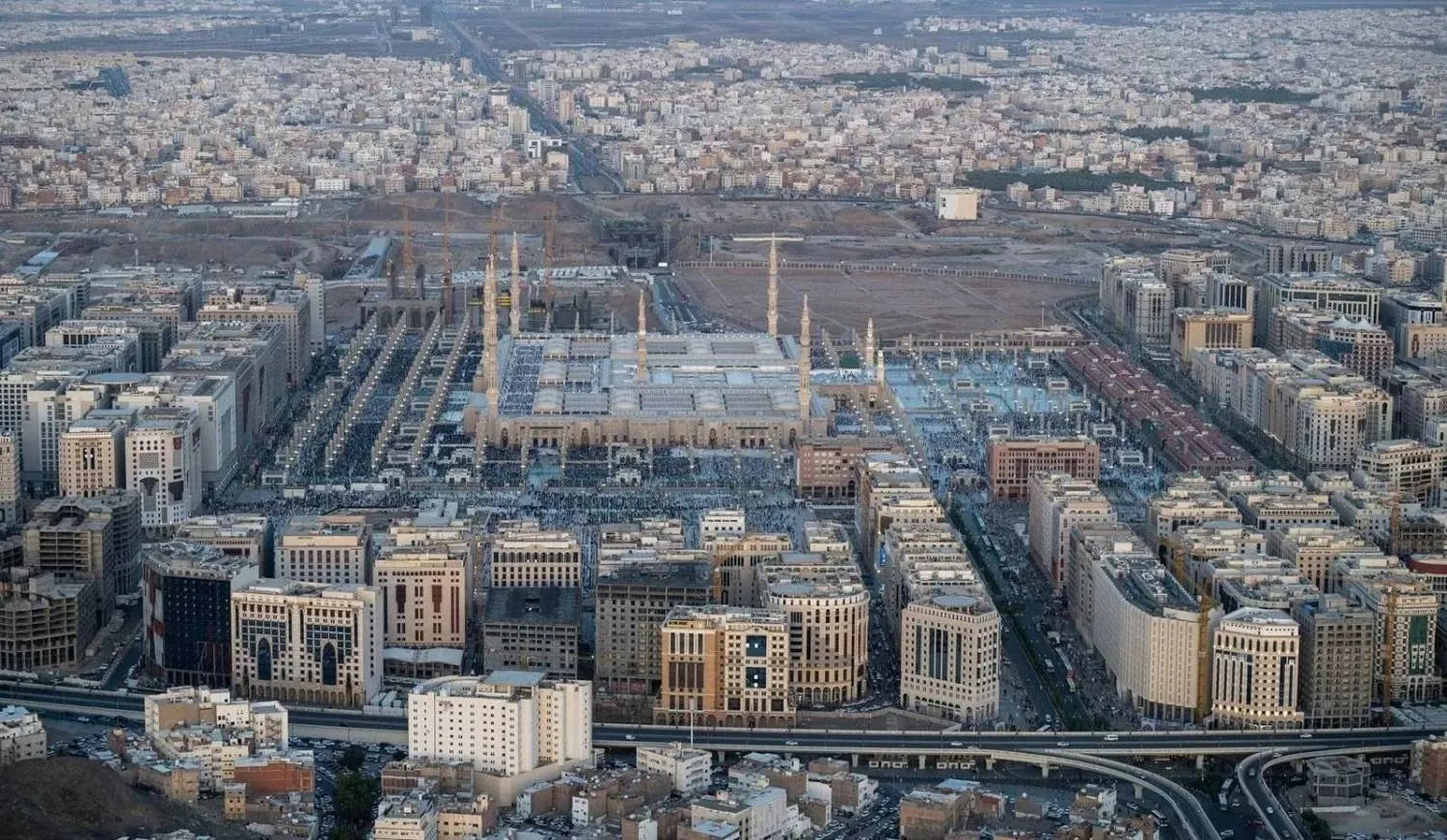
Saudi Arabia also saw a record number of external pilgrims, reaching 13.56 million in 2023, up from 7.36 million in 2016, exceeding the target of 10 million.
Furthermore, the percentage of Saudi households owning homes increased to 63.74% in 2023, surpassing the target of 63%.
Remarkable progress
The report showed that halfway through Vision 2030, there has been significant progress towards its goals. Some indicators have even surpassed their targets, prompting a review of ambitions.
For instance, Saudi unemployment rates and female workforce participation have exceeded expectations, signaling a shift to higher aspirations for 2030.
The report also noted a maturing strategic approach in the second phase of Vision 2030, with improved measurement methods. Collaboration with international bodies ensures the adoption of best practices for monitoring progress.
Leading the charge
Saudi Arabia’s statistical sector has made significant strides, jumping 25 places in the World Bank’s National Statistical System Performance Index. This demonstrates the Kingdom’s commitment to providing high-quality statistical data.
Expo 2030 in Riyadh
Winning the bid to host Expo 2030 in Riyadh is a testament to Saudi Arabia’s global influence and active role in shaping the future. The expo will showcase innovations and technologies aligned with sustainable solutions, reflecting the goals of Vision 2030.
The report also highlighted that 2030 will mark an era of unprecedented global engagement.
2026 FIFA World Cup bid
Saudi Arabia has submitted its bid to host the 2034 FIFA World Cup, garnering significant support from football federations worldwide.
The bid marks a pivotal moment in the tournament’s history, as the Kingdom aims to share with the world the story of its ambitious sporting transformation in recent years.
From investing in human potential by empowering youth and unleashing their capabilities to ambitious projects that boost football and infrastructure, Saudi Arabia has embarked on a journey of comprehensive economic and social development.
The nation is committed to developing state-of-the-art sports, tourism, and public facilities on a global scale, driving economic and social growth.
Exceptional tourism achievements
The report highlighted Saudi Arabia’s rich and diverse culture, showcasing its history and stories of civilizations that have thrived on its land. Coupled with its geographical advantage, strategically linking Asia, Europe, and Africa, Saudi Arabia has become a global destination.
Efforts and initiatives under Vision 2030 have capitalized on this competitive advantage, opening doors to both local and international tourists and resulting in an unprecedented boom in the tourism sector.
China has recognized Saudi Arabia as a key tourist destination, with 112 million passengers passing through the Kingdom’s airports, marking a 27% increase from 2022.
Among them, 106 million were visitors, including 27.4 million international tourists, cementing Saudi Arabia’s position as a premier destination on the global tourism map.