Egypt Says it Cut Foreign Debt by $14 Bln in 5 Months to May

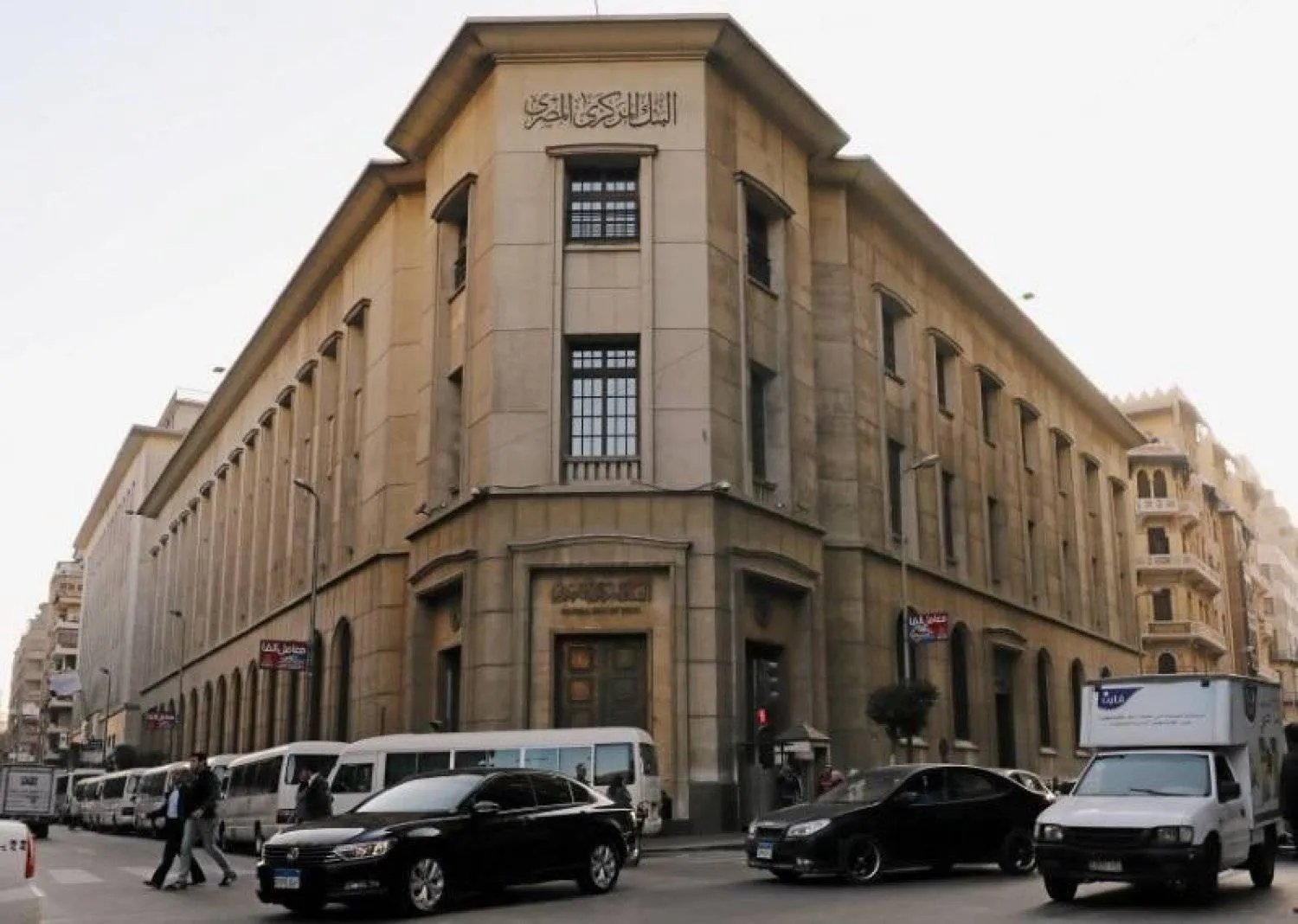
The Central Bank of Egypt's headquarters is seen in downtown Cairo, Egypt March 8, 2016. REUTERS/Mohamed Abd El Ghany
TT

Egypt Says it Cut Foreign Debt by $14 Bln in 5 Months to May

The Central Bank of Egypt's headquarters is seen in downtown Cairo, Egypt March 8, 2016. REUTERS/Mohamed Abd El Ghany

Egypt reduced its external debt by $14 billion in the five months to end-May, the sharpest such decline in the country's history, a statement released on Monday by Egypt's press center said.
The country's external debt fell to $154 billion as of the end of May from $168 billion at the end of December, according to the statement which quoted an unnamed high-level source at the central bank.
Egypt quadrupled its debt over the last nine years to help among others fund a new capital, build infrastructure and support an overvalued currency.



Morocco’s Inflation Rises to 0.9% in March

 People stand looking across the river at the skyline in the coastal city of Rabat on April 20, 2026. (AFP)
People stand looking across the river at the skyline in the coastal city of Rabat on April 20, 2026. (AFP)
TT

Morocco’s Inflation Rises to 0.9% in March

 People stand looking across the river at the skyline in the coastal city of Rabat on April 20, 2026. (AFP)
People stand looking across the river at the skyline in the coastal city of Rabat on April 20, 2026. (AFP)

Morocco's annual inflation, measured by the consumer price index, rose to 0.9% in March from -0.6% a month earlier, the statistics agency said on Wednesday.

Food prices, ‌the main ‌driver of ‌inflation, ⁠rose 0.6% from a year ⁠earlier, while non-food inflation increased 1.1%.

Core inflation, which excludes more volatile goods, rose 0.6% year-on-year ⁠and 0.1% month-on-month.

The ‌rise ‌in fuel prices following ‌the Iran conflict ‌led the Moroccan government to reintroduce subsidies for professional transporters, including taxis, buses ‌and trucks, to keep prices stable.

Fuel subsidies, ⁠along ⁠with aid to keep electricity and cooking gas prices stable, would cost the government 1.6 billion dirhams ($170 million) monthly, the minister in charge of the budget, Fouzi Lekjaa, said.


Strait of Hormuz Blockade Drives up Costs at Panama Canal

Aerial view of the One Contribution container ship sailing under the Tokio flag as it enters the Panama Canal in Panama City on April 21, 2026. (EPA)
TT

Strait of Hormuz Blockade Drives up Costs at Panama Canal

Aerial view of the One Contribution container ship sailing under the Tokio flag as it enters the Panama Canal in Panama City on April 21, 2026. (EPA)

The war in the Middle East has boosted demand to move vital cargo through the Panama Canal to such an extent that one vessel carrying liquefied natural gas (LNG) paid $4 million to skip the line and avoid a wait that can take up to five days, according to an official report.

A surge in such payments has been recorded since the US-Israeli attacks on Iran began February 28, which led to the blockade of the Strait of Hormuz, a critical waterway for one-fifth of the world's oil and natural gas exports from Gulf countries.

To meet fuel demand, Asia's refineries are choosing to buy oil or gas from the United States and ship it through the transoceanic waterway instead of purchasing from Gulf countries who rely on the Strait of Hormuz, according to reports from the Panama Canal Authority.

The average number of ships passing through the canal on a daily basis has "remained strong," the authority told AFP in a statement Tuesday, with 34 ships in January and 37 ships in March. Some days exceeded 40 transits.

"The increase reflects changes in global trade patterns and market conditions, including geopolitical factors affecting key routes," the authority said.

Ships transiting the canal book their passage well in advance, and ships without bookings wait an average of five days to get through, but there is an auction where last-minute transits can be purchased.

The most recent auction included a $4 million bid for an LNG vessel, and in recent weeks two oil tankers exceeded bids of $3 million, the authority said.

Past average auction prices between October and February stood at around $130,000, and rose to $385,000 in March and April.

Five percent of global maritime trade passes through the Panama Canal, and its main users are the US and China. The route primarily connects the US East Coast with China, South Korea and Japan.

In the first half of the 2026 fiscal year, which runs October to September, the Panamanian waterway recorded passage of 6,288 ships, a year-on-year increase of 3.7 percent, according to official figures.


UK Inflation Jumps in March as Middle East War Propels Energy Prices

Vehicles pass a petrol station as they make their way down the A3 during the morning rush hour near Ripley, south-west of London on April 22, 2026. (AFP)
TT

UK Inflation Jumps in March as Middle East War Propels Energy Prices

Vehicles pass a petrol station as they make their way down the A3 during the morning rush hour near Ripley, south-west of London on April 22, 2026. (AFP)

Britain's annual inflation rate jumped to 3.3 percent in March as the Middle East war sent oil and gas prices surging, official data showed Wednesday.

The Consumer Prices Index (CPI) increased from 3.0 percent in the 12 months to February, the Office for National Statistics said in a statement.

"Inflation climbed in March, largely due to increased fuel prices, which saw their largest increase for over three years," Grant Fitzner, chief economist at the ONS, said in a statement.

Finance minister Rachel Reeves reiterated the Labour government's opposition to a conflict that has increased the cost of living for millions of Britons.

"This is not our war, but it is pushing up bills for families and businesses. That's why it's my number one priority to keep costs down," Reeves said in a statement.

At 3.3 percent, the latest UK inflation figure matches the March print for the United States. But the pace of the CPI increase in the world's biggest economy was far sharper, having stood at 2.4 percent in February.

Britain's inflation rate is also much larger than in the eurozone, where annual inflation rose to 2.6 percent in March from 1.9 percent in February.

The US-Iran war began on February 28, sending energy prices rocketing.

They have since pulled back on a ceasefire that US President Donald Trump extended Tuesday. But oil and gas prices remain far above their pre-war levels as Gulf supplies remain largely blocked from transiting the Strait of Hormuz.