Oil prices climbed more than 5% while Asian shares also advanced Monday as a standoff between Iran and the US prevented tankers from using the Strait of Hormuz.
The Gulf waterway was closed again after Iran reversed a decision to reopen the strait and President Donald Trump said a US Navy blockade of Iranian ports remains in effect.
US benchmark crude gained 5.6% to $87.20 a barrel, while Brent crude, the international standard, was up 5.3% at $95.16 a barrel.
Despite renewed doubts about how soon ships will again transport the vast amounts oil the world gets from the Middle East, share prices were mostly higher in Asia.
In Tokyo, the Nikkei 225 gained 1% to 59,045.45, while South Korea's Kospi was up 1.1% at 6,260.92.
Hong Kong's Hang Seng added 0.8% to 26,373.71 and the Shanghai Composite index advanced 0.6% to 4,075.08.
Australia's S&P/ASX 200 was nearly unchanged at 8,943.90.
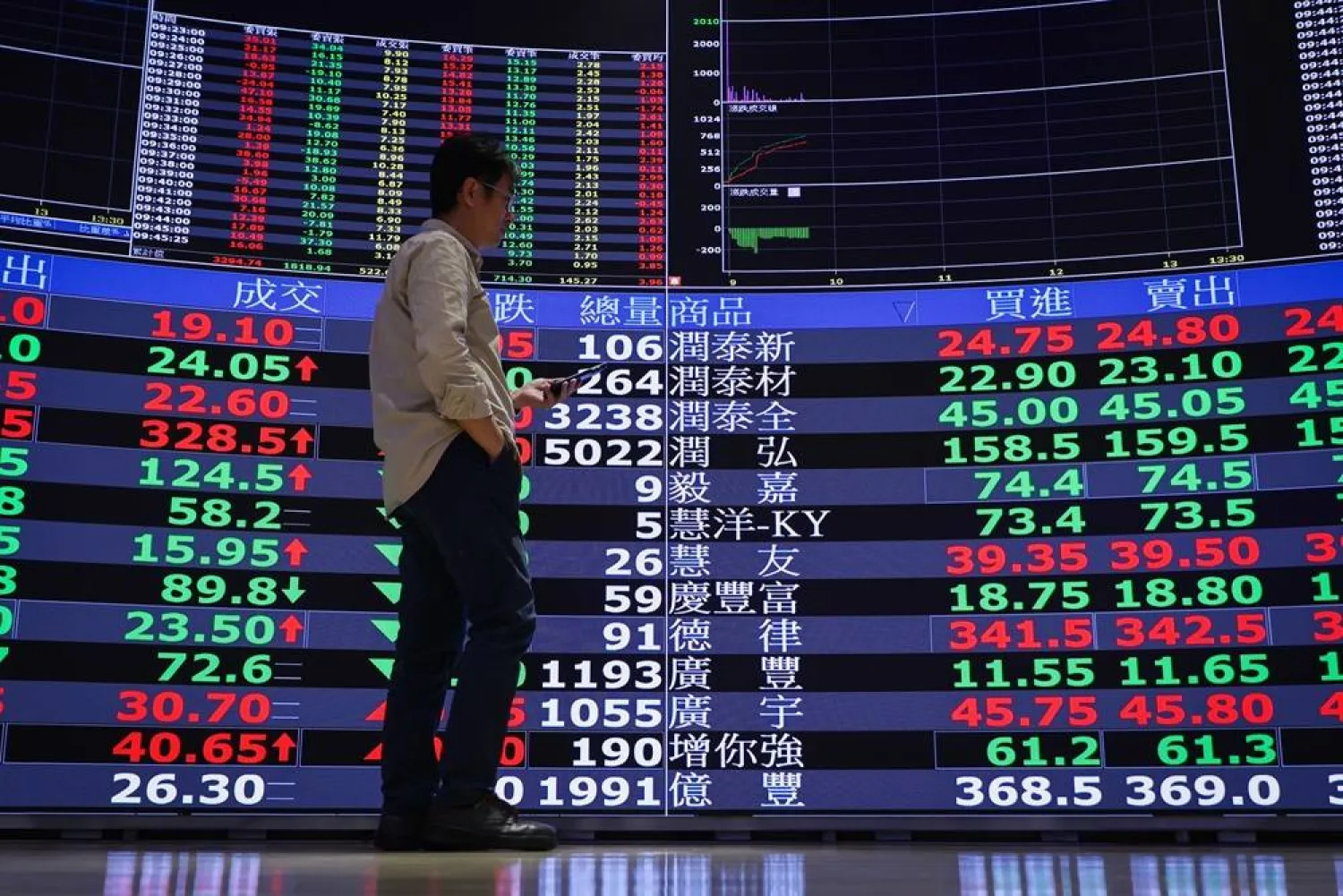
In Taiwan, the Taiex jumped 1.4%.
“The problem for markets is not the absence of hope; it is the overpricing of it,” Stephen Innes of SPI Asset Management said in a commentary. “The latest move higher in equities has started to feel less like conviction and more like momentum feeding on itself.”
On Friday, oil prices had dropped back to where they were in the early days of the Iran war, and US stocks raced to a fresh record after Iran said the strait was open again for commercial tankers carrying crude from the Gulf to customers worldwide.
A freer flow of oil could relieve pressure on prices for gasoline and all kinds of other products that get moved by vehicles. It could even ultimately help people pay less on credit-card interest and mortgage bills.
The S&P 500 leaped 1.2% to an all-time high of 7,126.06, closing out a third straight week of big gains, its longest streak since Halloween.
The Dow Jones Industrial Average surged 1.8% to 49,447.43. The Nasdaq composite climbed 1.5% to 24,468.48.
The US stock market has jumped more than 12% since hitting a bottom in late March on hopes the United States and Iran can avoid a worst-case scenario for the global economy despite their war.
The price for a barrel of benchmark US crude had plunged 9.4% after Iran’s foreign minister, Abbas Araghchi, posted on X that passage for all commercial vessels through the strait “is declared completely open” as a ceasefire appears to be holding in Lebanon.
Brent crude fell 9.1%.
After Araghchi's announcement, Trump said on his social media network that the US Navy’s blockade of Iranian ports remained “in full force” pending a deal on the war, though he also suggested that “should go very quickly in that most of the points are already negotiated.”
President Donald Trump said Sunday that the US had seized an Iranian-flagged cargo ship that tried to get around a naval blockade. Iran’s joint military command said Tehran would respond soon and called the US seizure an act of piracy.
A fragile, two-week ceasefire between the US and Iran is set to expire Wednesday, while escalating tensions in the Strait of Hormuz raises questions over new talks to end the war.
Since the war began, market sentiment has swung between optimism and gloom over when the fighting will end and what costs the world economy will endure. A strong start to the earnings reporting season for big US companies has helped support stocks.
In other dealings early Monday, the US dollar rose to 158.90 Japanese yen from 158.79 yen. The euro climbed to $1.1757 from $1.1742.