


Dubai Culture, UAE Falcons Federation Join Hands to Preserve Emirati Heritage

The Dubai Culture and Arts Authority
TT

Dubai Culture, UAE Falcons Federation Join Hands to Preserve Emirati Heritage

The Dubai Culture and Arts Authority

Dubai Culture and Arts Authority has signed a Memorandum of Understanding with the UAE Falcons Federation to strengthen collaboration in promoting awareness of Emirati heritage among the public, Emirates News Agency (WAM) reported on Thursday.

Both entities will work together to organize a series of initiatives and activities focused on preserving Emirati heritage and culture, WAM said. This partnership reflects the commitment of both parties to instill a deeper sense of national identity in society and contribute to the preservation and promotion of heritage sports, the news agency added.

The MoU defines the roles of both parties, allowing the UAE Falcons Federation to use facilities at Dubai Culture's museums to organize a range of events, workshops, and activities aimed at introducing visitors and local community members to heritage sports and falconry competitions.

Mansoor Lootah, CEO of the Operations Support Sector at Dubai Culture/Acting Director-General of Dubai Culture, affirmed the importance of partnerships formed with heritage entities in the country, strengthening the role of the authority in motivating the public to explore the elements of Emirati heritage and culture in all its beauty and authenticity.

Lootah said: "Heritage sports are an integral part of our culture and history; they are customs passed on through several generations and still maintain an important role in the Emirati society. Dubai Culture is keen to introduce them by highlighting their artistic aspects, history, and presence in the local scene, contributing to raising awareness of the importance of heritage sports that we cherish."

"Falconry, as a traditional and heritage sport, is closely tied to our culture, history, and national identity. This MoU represents an opportunity to continue introducing this sport, its details, and practices, especially in light of the increasing interest of the younger generation in various technological advancements,” said Secretary-General of the UAE Falcons Federation Rashid bin Markhan.

“This amplifies our responsibility to create innovative solutions and initiatives to instill the importance of heritage sports and their noble values in the hearts of future generations. It also aligns with our joint strategic goals to promote the culture of falconry and familiarize people with its principles."

Saudi Coffee Remains Key Crop and Cultural Treasure during Ramadan

The ministry encourages consumers to choose national coffee products for their nutritional value - SPA
TT

Saudi Coffee Remains Key Crop and Cultural Treasure during Ramadan

The ministry encourages consumers to choose national coffee products for their nutritional value - SPA

The Saudi Ministry of Environment, Water and Agriculture has confirmed that Saudi coffee is a key national agricultural crop and an important cultural legacy, especially during Ramadan.

Coffee cultivation thrives in the southwestern and southern highlands, benefiting from a favorable climate and fertile soil.

Regions such as Jazan, Aseer, Al-Baha, Makkah, and Najran host over 1.3 million productive coffee trees, yielding more than 870 tons of coffee annually, according to SPA.

Jazan leads with over 966,000 trees producing more than 642 tons. Aseer has more than 243,000 trees yielding around 175 tons.

Al-Baha boasts about 72,000 trees; Makkah has over 12,000 trees yielding more than 10 tons; and Najran has over 9,000 trees producing over seven tons.

The ministry encourages consumers to choose national coffee products for their nutritional value, emphasizing that supporting local agriculture promotes farmer livelihoods and enhances food security in line with Saudi Vision 2030 goals.


Red Sea Museum Opens 'Sunken Treasures' Exhibition to Highlight Maritime Heritage

Saudi Arabia, under Vision 2030, is investing in world-class cultural infrastructure that serves both local communities and international visitors. SPA
TT

Red Sea Museum Opens 'Sunken Treasures' Exhibition to Highlight Maritime Heritage

Saudi Arabia, under Vision 2030, is investing in world-class cultural infrastructure that serves both local communities and international visitors. SPA

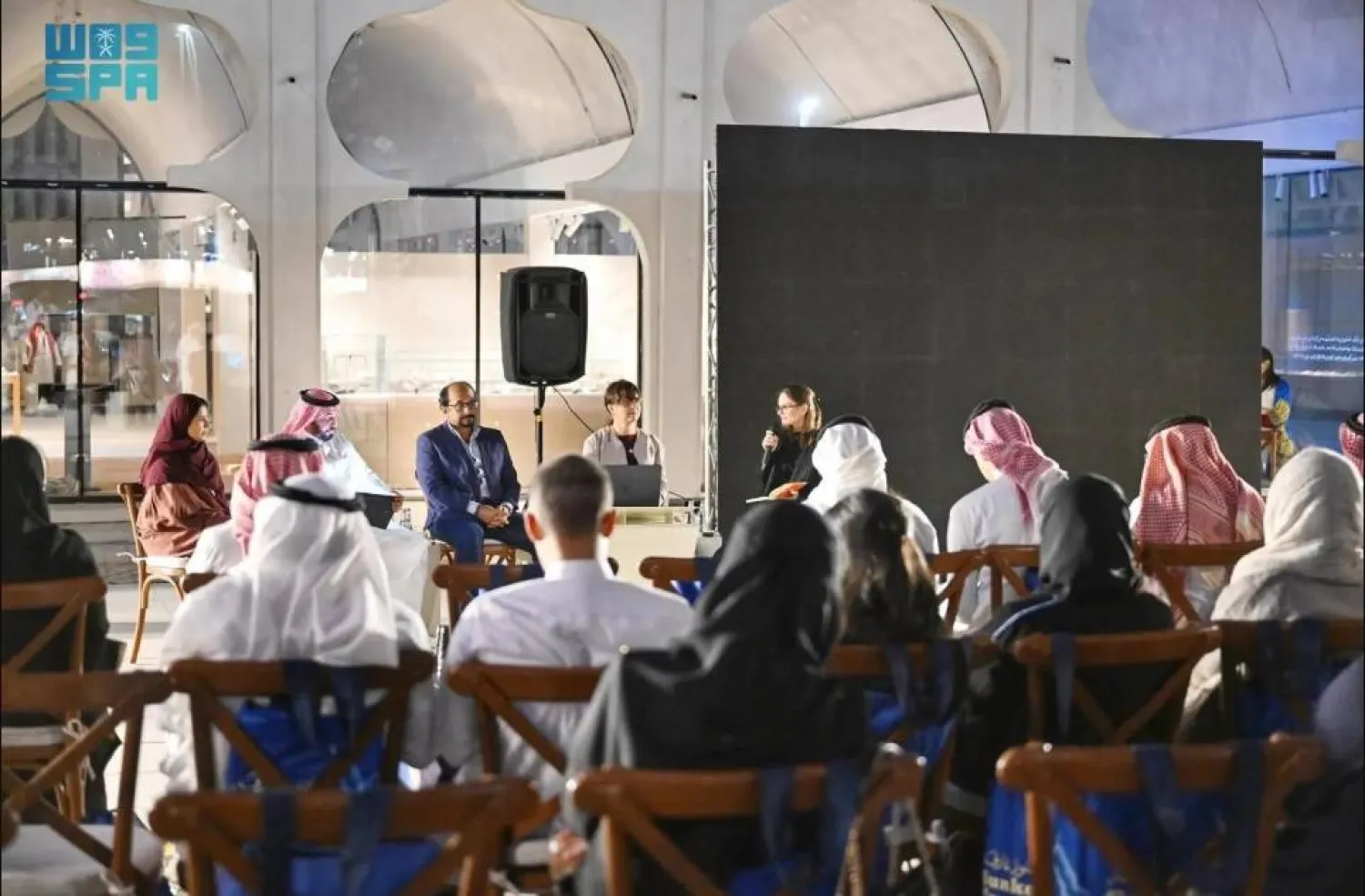
The Red Sea Museum celebrated the opening of 'Sunken Treasures: The Maritime Heritage of the Red Sea' exhibition on Wednesday in an event that brought together cultural leaders, researchers, and community partners in Historic Jeddah.

The exhibition is now open to the public through May 29.

The opening ceremony featured a panel discussion on maritime heritage and underwater archaeology, bringing together leading experts. The discussion explored the critical processes of discovery, documentation, and conservation that transform submerged cultural heritage into valuable historical knowledge, highlighting collaborative efforts between the Heritage Commission, Historic Jeddah Program, and various archaeological missions working along the Saudi coast of the Red Sea to safeguard this vital heritage for future generations.

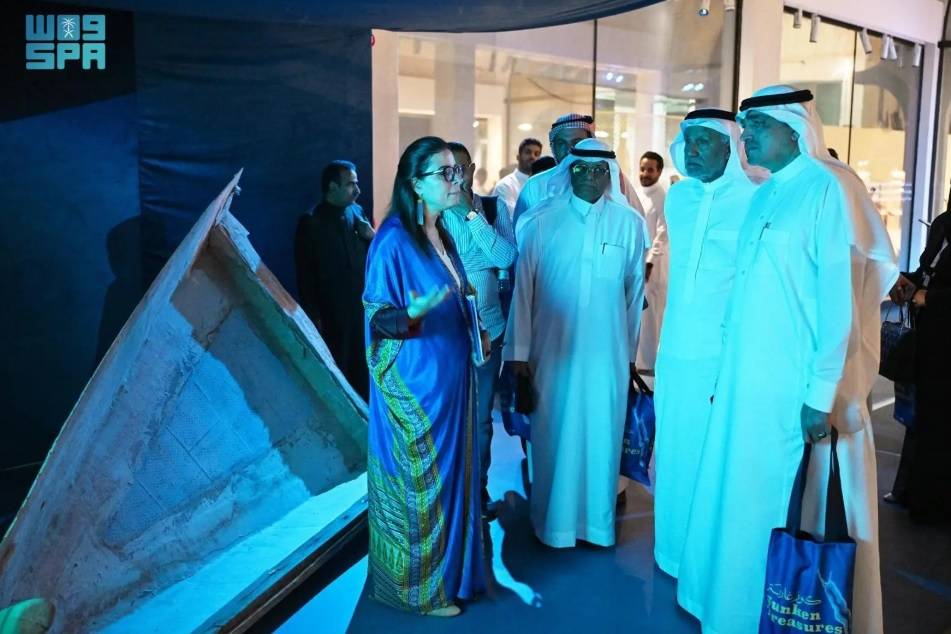
Guests then embarked on an exclusive curator-led tour with Director of the Red Sea Museum Eman Zidan, and Co-Director, Saudi-French Archaeological Mission in Farasan Dr. Solène Marion de Procé, who guided visitors through the exhibition's thematic sections exploring how shipwrecks became archives of history and eventually transformed into living coral reefs.

The museum exemplifies how historic artifacts and contemporary cultural conservation work hand in hand. SPA

The evening concluded with a Ramadan reception, reflecting the museum's commitment to creating cultural programming that honors the spirit of the holy month while celebrating the launch of this significant exhibition.

The opening of Sunken Treasures represents a significant moment for the Red Sea Museum as Saudi Arabia's first institution dedicated specifically to the Red Sea's maritime history, cultural heritage, and biodiversity.

Housed in the restored Bab Al Bunt building, a structure that has welcomed travelers arriving by sea for generations, the museum exemplifies how historic artifacts and contemporary cultural conservation work hand in hand.

Saudi Arabia, under Vision 2030, is investing in world-class cultural infrastructure that serves both local communities and international visitors while positioning the Kingdom as a global leader in museum innovation, research, and public engagement.


Old Houses in Al-Baha: A Living Architectural Heritage of Ramadan

Several residents of Al-Baha Region are reviving the atmosphere of Ramadan iftar in old houses. (SPA)
TT

Old Houses in Al-Baha: A Living Architectural Heritage of Ramadan

Several residents of Al-Baha Region are reviving the atmosphere of Ramadan iftar in old houses. (SPA)

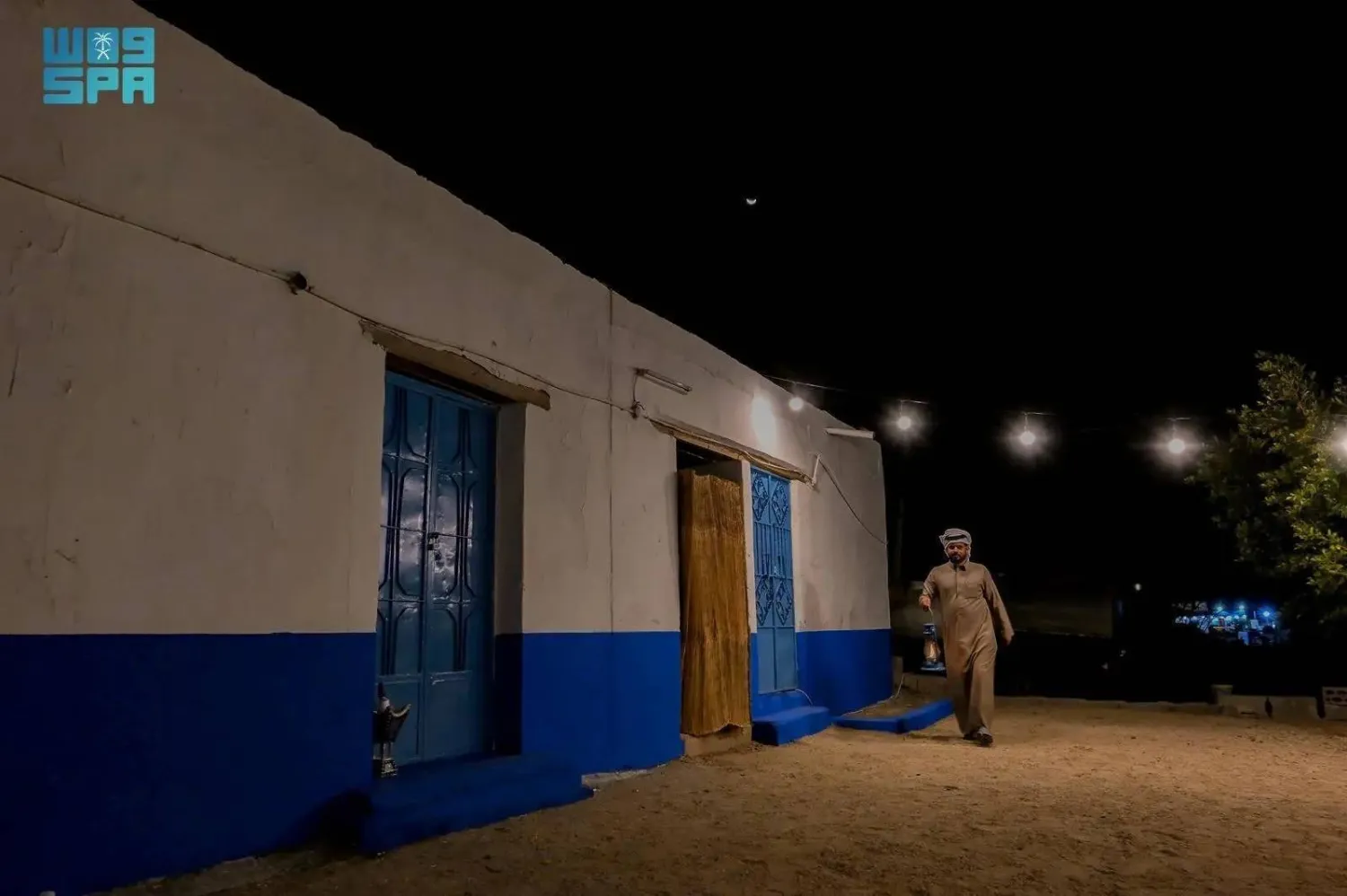
Several residents of Al-Baha Region are reviving the atmosphere of Ramadan iftar in old houses, in a scene that reflects deep attachment to architectural heritage and embodies the spirit of simplicity lived by their forefathers. These traditional homes transform into spaces alive with memories, recalling the features of traditional life, its social values, and architectural authenticity.

The stone and mud houses found across the region’s governorates, including Al-Aqiq Governorate, represent a model of traditional architecture that relies on natural materials such as clay, stone, and wood. These homes are centered around an inner courtyard that once brought family members together for iftar in an atmosphere of serenity and tranquility.

The house whose owners have revived the Ramadan iftar experience is located in the village of Lif in Al-Aqiq Governorate, Al-Baha Region. It is one of the heritage homes held in high regard by the local community for its historical and architectural value, the Saudi Press Agency said on Thursday.

Citizen Mohammed Al-Ghamdi explained that he rehabilitated his family’s old house, which was built more than 40 years ago, noting that they once relied on kerosene lamps and lanterns for lighting.

He said, “Our iftar was simple, consisting of Saudi coffee, dates, milk, and bread. We would gather in the courtyard of the house, our voices rising in supplication before the Maghrib prayer adhan, in an unforgettable scene.” He emphasized that restoring old houses helps preserve identity and architectural heritage, while safeguarding the memory of the place and the stories of its people.

Specialists in architectural heritage affirm that preserving such houses represents an important cultural and tourism asset as it helps highlight local identity and document social life patterns that have shaped the region’s community, particularly during the holy month of Ramadan, when values of harmony and solidarity are most evident.

The old houses of Al-Baha remain living witnesses to an important historical era and a source of inspiration for younger generations to recall the meanings of simplicity and authenticity, while reinforcing pride in national heritage on various occasions.
