Aswan Hosts 11th Edition of International Festival of Art and Culturehttps://english.aawsat.com/culture/4865286-aswan-hosts-11th-edition-international-festival-art-and-culture
Aswan Hosts 11th Edition of International Festival of Art and Culture
The Aswan International Festival of Art and Culture. (Aswan Governorate)
The city of Aswan has launched the 11th edition of the Aswan International Festival of Art and Culture, in a morning event that hosted 15 folkloric Egyptian, Arab and international ensembles, on Sunday.
Co-organized by the ministry of culture and the Aswan governorate, the festival is aimed at promoting folkloric arts and emphasizing the cultural heritage of several countries, as well as highlighting the natural charm of Aswan, said the Aswan governorate in a statement on Facebook.
“The festival is special because it is held on the Nile,” Doha Assy, Egyptian author, parliament member and member of the parliament’s culture committee, said in the opening ceremony. “This incredible launch on the Nile underscores the significance of the river in the popular culture,” she told “Asharq Al-Awsat”.
“The festival combines two things: folklore and popular art. Each country brings its own culture and folklore in special art performances, shedding lights on the diversity of identities and the harmony that it creates,” she added.
The festival runs until February 22, coinciding with a special astronomical event, the alignment of the sun with the King Ramses II temple in Abu Simbel. The phenomenon occurs twice a year, on February 22, on which started the cultivation season in Ancient Egypt, and on October 22, the birthday of King Ramses II and the anniversary of his crowning.
The Egyptian MP said they watched “amazing shows from Mexico, Sudan and Palestine during the opening.
During the event, Aswan is set to embrace a number of artistic and cultural events, including the Aswan Sculpture Symposium, which hosts Egyptian and international artists.
Assy noted that “the festival of art and culture has all the potentials to become a major tourism event,” describing the foreign ensembles as “ambassadors of their countries to Egypt.”
International Day of Intangible Cultural Heritage Highlights Rich Cultural Legacy of Makkahhttps://english.aawsat.com/culture/5330856-international-day-intangible-cultural-heritage-highlights-rich-cultural-legacy
International Day of Intangible Cultural Heritage Highlights Rich Cultural Legacy of Makkah
Traditional crafts and old professions also form an important part of the city’s cultural memory - SPA
The International Day of Intangible Cultural Heritage, observed annually on October 17, highlights the importance of preserving human heritage as an integral part of communities’ national identity and an opportunity to raise awareness of the need to protect it from disappearing amid the rapid transformations taking place around the world, SPA reported.
Makkah has a distinctive cultural and social character shaped by its religious and historical significance and its role as a gathering place for pilgrims, Umrah performers, and visitors from around the world. This has contributed to the diversity of its customs and social practices, as well as the emergence of distinctive styles of dress, food, hospitality, and folk arts that have become part of the city’s unique identity over time.
The values of generosity toward guests, warm hospitality, social solidarity, and community ties represent an integral part of the culture of Makkah’s residents. These values are reflected in social occasions, holidays, the holy month of Ramadan, and the Hajj and Umrah seasons through customs involving family gatherings, sharing food, welcoming guests, serving coffee and dates, and celebrating various occasions with neighbors and relatives.
Traditional Makkah cuisine is one of the most prominent expressions of this heritage, featuring a variety of popular dishes, sweets, and other foods. Their significance extends beyond their ingredients and preparation methods to include the stories, customs, and ways of serving and sharing them that reflect the city’s social life, according to SPA.
Traditional crafts and old professions also form an important part of the city’s cultural memory. These include crafts associated with pottery products and traditional household utensils. Documenting these skills is particularly important for preserving inherited knowledge and highlighting its value as part of Makkah’s history of work and production.
Celebrating intangible cultural heritage in Makkah carries significance beyond the city itself, given its place in the Islamic consciousness and its rich heritage, which reflects the interaction of human cultures across the ages. Preserving this legacy remains a shared responsibility requiring coordinated efforts by institutions, families, practitioners, and researchers to ensure the continuity of inherited practices and safeguard their cultural and social value.
Hira Cultural District Launches Interactive Experience Evoking World of Islamic Caravanshttps://english.aawsat.com/culture/5330854-hira-cultural-district-launches-interactive-experience-evoking-world-islamic
Hira Cultural District Launches Interactive Experience Evoking World of Islamic Caravans
The event also includes stalls modeled on traditional Islamic caravan markets - SPA
The Hira Cultural District in Makkah has launched an event along a heritage trail inspired by the world of Islamic caravans, evoking caravan journeys and the exchange of knowledge, values, and stories associated with them.
The event enriches the visitor experience and presents historical heritage in an interactive format combining education, entertainment, and shopping.
Running until the end of December 2026, the event gives visitors the chance to discover the human values, diverse knowledge, and inherited stories carried by caravans throughout the ages. The experience combines storytelling, interactive scenes, and commercial practices inspired by traditional markets, SPA reported.
The event features several experiences designed to engage visitors in the social and commercial life associated with caravans.
One highlight is the "storyteller's majlis," which presents historical tales and poetry with audience participation in an atmosphere that recreates traditional Arab gatherings and their role in passing news, stories, and poetry from one generation to the next.
The event also includes stalls modeled on traditional Islamic caravan markets, where visitors can take part in practical experiences involving weighing goods, bartering, and shopping. They can also watch performances and interactive scenes depicting daily life in old markets and the interactions among merchants, travelers, and craftspeople.
Through its diverse programs and events, the Hira Cultural District continues to strengthen its position as a cultural and tourism destination that enriches visitors' journeys in Makkah and deepens their connection with the area's history and civilizational heritage through content that combines authenticity with modern
After a Year in Turmoil, the Louvre Faces Uncertain Futurehttps://english.aawsat.com/culture/5330724-after-year-turmoil-louvre-faces-uncertain-future
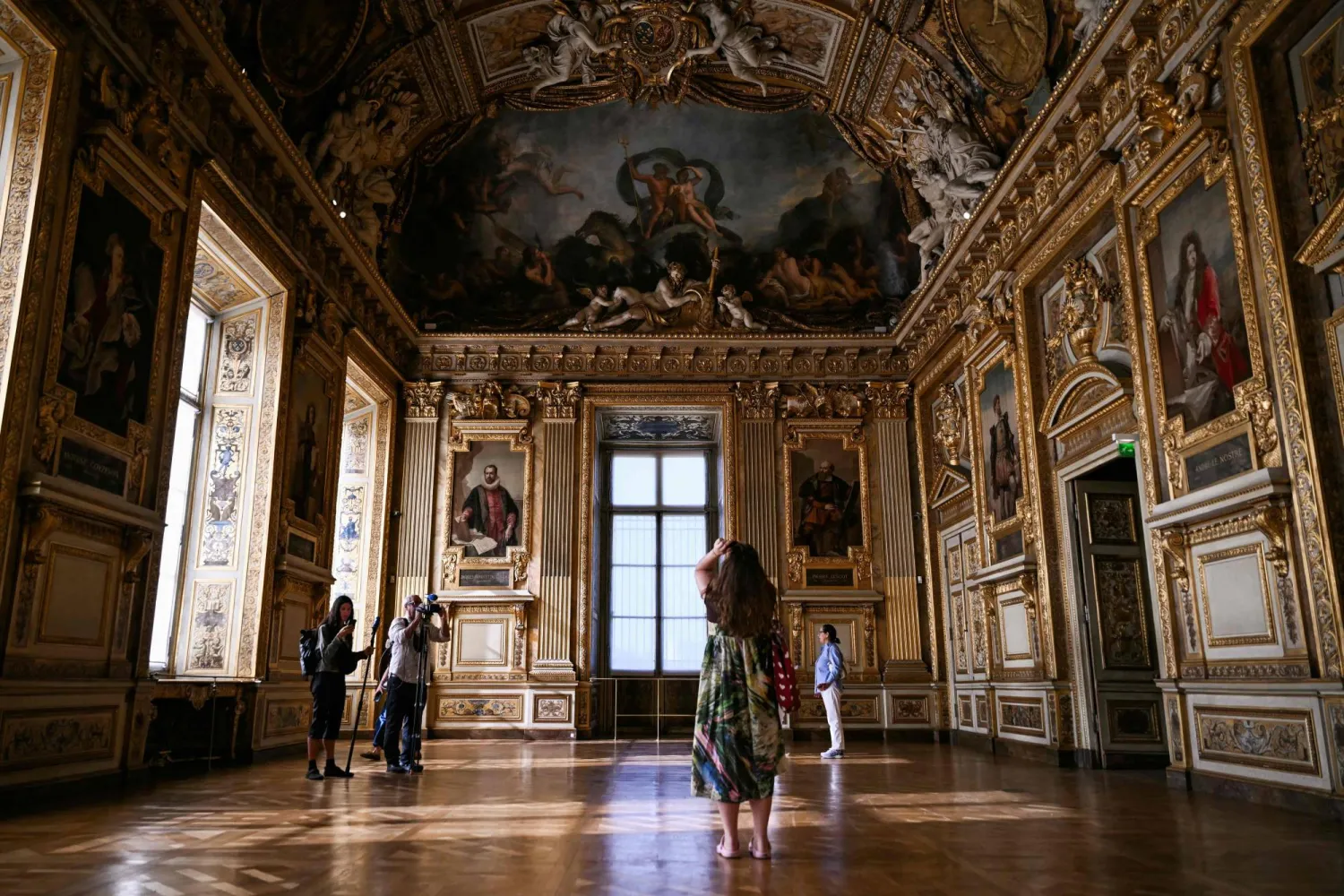
(FILES) Visitors take a picture of the window which was broken during the reopening to the public of the Apollo Gallery, where French crown jewels worth 88 million euros were stolen in 2025 in a brazen heist, at the Musée du Louvre in Paris on July 22, 2026. (Photo by LOU BENOIST / POOL / AFP)
After a Year in Turmoil, the Louvre Faces Uncertain Future
(FILES) Visitors take a picture of the window which was broken during the reopening to the public of the Apollo Gallery, where French crown jewels worth 88 million euros were stolen in 2025 in a brazen heist, at the Musée du Louvre in Paris on July 22, 2026. (Photo by LOU BENOIST / POOL / AFP)
The Louvre is gradually plugging the security gaps exposed by the spectacular burglary of October 19 last year, but its reputation has taken a battering and its creaking infrastructure is a growing source of concern.
The beloved Parisian museum, the most visited in the world, has spent a year as the subject of police investigations, government reports and parliamentary inquiries following the theft of eight crown jewels in broad daylight a year ago.
The heist exposed a string of failures, from old or non-existent CCTV cameras and a chronic shortage of equipment to the lack of a modern security control room and a security director.
"We still feel the trauma of the burglary," Valerie Baud, a workers' representative from the CFDT trade union, told AFP.
Parliament has heard how, in the run-up to the burglary, the institution had spent just three million euros ($3.4 million) out of 83 million euros earmarked for a security masterplan because of administrative delays, management decisions and red tape.
The museum had "prioritized projects that were visible and attractive", the French Court of Auditors found in one of many damning judgements.
That report and others, compounded by a staff strike and a spate of other incidents -- including a water leak and a major ticket-fraud scandal -- hastened the downfall of Louvre president Laurence des Cars, who resigned in February.
"The Louvre needs a change in security culture, which has yet to happen and will take several years," said Laurent Lafon, who is monitoring the museum as chairman of the Senate's culture committee.
"The Louvre's leaders must embrace the idea that security is a priority, which wasn't the case," he told AFP.
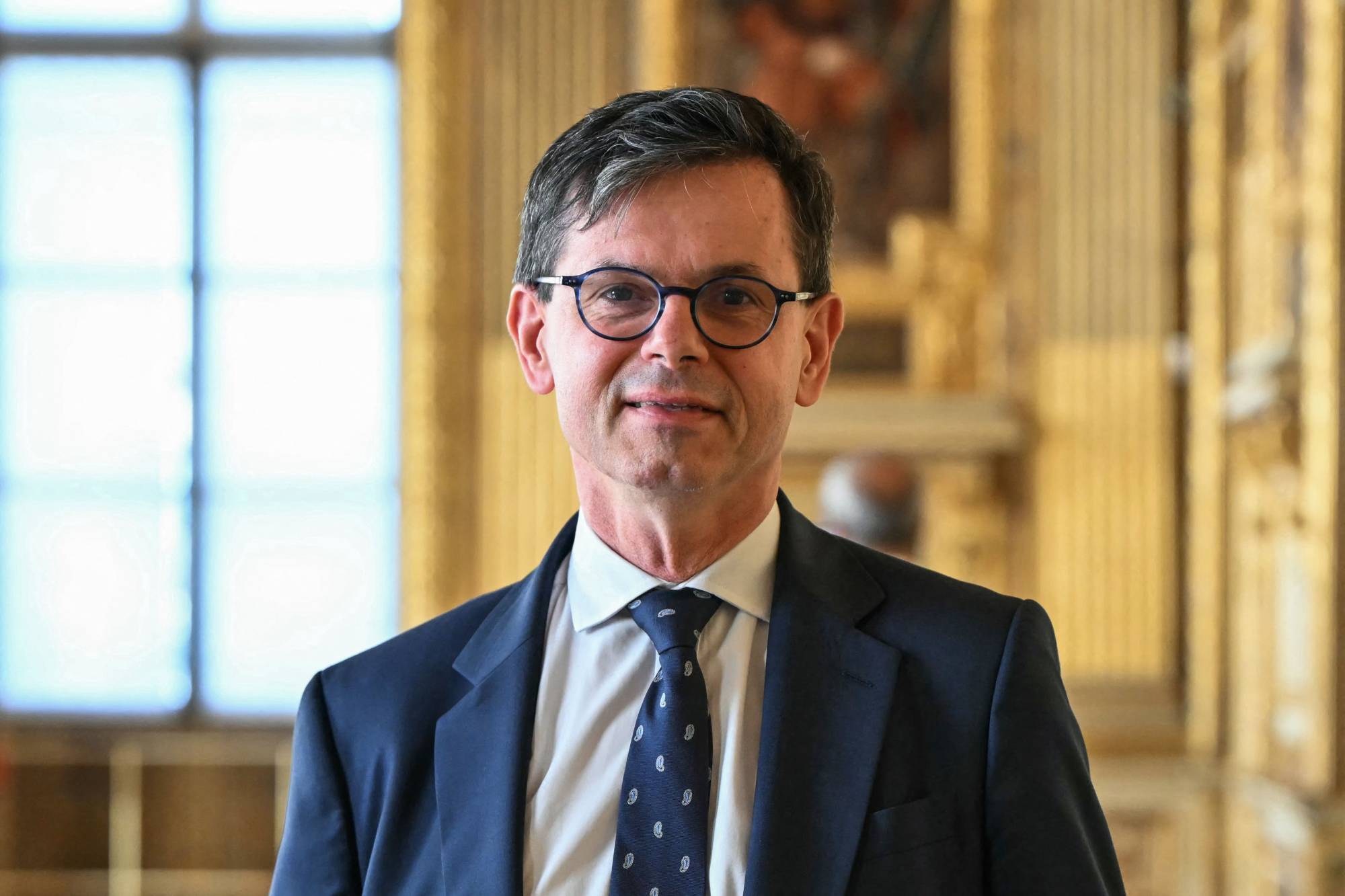
(FILES) Louvre's President Christophe Leribault poses during the reopening to the public of the Apollo Gallery, at the Musee du Louvre in Paris on July 22, 2026. (Photo by LOU BENOIST / POOL / AFP)
New museum chief Christophe Leribault, who replaced des Cars in February, argues that change is taking place.
"The security masterplan is making rapid progress," he told AFP in a written statement, while stressing the "complexity" of carrying out the work while keeping the museum open to the public.
The museum has pledged to invest around 20 million euros a year until 2032 and, since July, has a new dedicated security director.
Short-term worries about security are also giving way to longer-term questions about how to finance a palace-wide modernization program.
Every year, nearly nine million visitors walk the Louvre's galleries, many unaware of the decrepit state of some of the rooms, the ageing plumbing and wiring, as well as poor ventilation in summer and non-existent heating in winter.
Leribault issued his most alarming warning yet earlier this week, telling Le Figaro newspaper "that if the Louvre is not repaired, updated, and transformed, it will very quickly fall behind and will eventually have to close its doors to the public."
French President Emmanuel Macron unveiled his vision -- called "Louvre - Nouvelle Renaissance" -- in January 2025 which included a new entrance and gallery for the Mona Lisa among other changes.
It came with an eye-watering proposed price tag of a billion euros -- which now looks unrealistic for a country facing a severe budget crunch.
Unions accused him and Louvre management of prioritizing grandiose plans for an architectural overhaul instead of more modest changes that would improve the visitor experience.
"We can step up security without going through with this project, which does not address the priorities and states as its goal an unsustainable increase in visitor numbers," said Christian Galani, a representative of the hard-left CGT union.
Leribault remains committed to it, however.
Part of his task as Louvre head is finding new private sources of income from donors who will be invited to sponsor work -- and earn public recognition and perhaps naming rights in return.
Other sources of income could come from further ticket price hikes.
The target is 360 million euros.
"It's a huge challenge, and I don't know whether I'll succeed," he said in June.
لم تشترك بعد
انشئ حساباً خاصاً بك لتحصل على أخبار مخصصة لك ولتتمتع بخاصية حفظ المقالات وتتلقى نشراتنا البريدية المتنوعة