Al-Ahsa Becomes Deputy Head at UNESCO Creative Cities Network in Crafts, Folk Arts

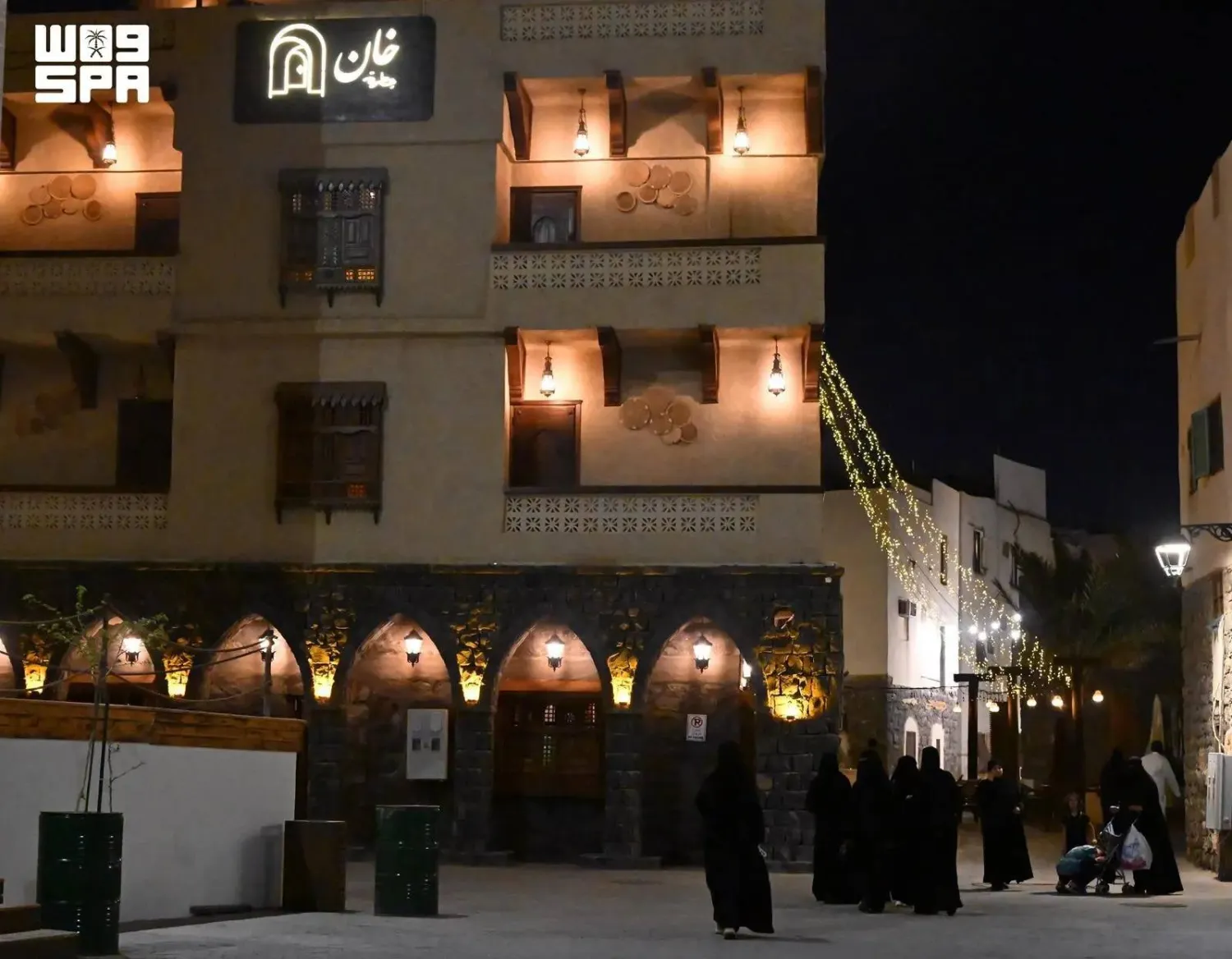
Al-Ahsa stands out for the unique creative assets it possesses and its cultural heritage and deep history in the field of handicrafts and folk arts. SPA
TT

Al-Ahsa Becomes Deputy Head at UNESCO Creative Cities Network in Crafts, Folk Arts

Al-Ahsa stands out for the unique creative assets it possesses and its cultural heritage and deep history in the field of handicrafts and folk arts. SPA

Represented by Dr. Ibrahim Al-Shabith, Saudi Arabia’s Al-Ahsa won the position of deputy head of the UNESCO Creative Cities Network in crafts and folk arts, a field that currently encompasses 66 cities from around the world.

This feat comes after Al-Ahsa became a member of the network in the creative field, following an initiative by Al-Ahsa Municipality in 2015.

This success is supported by national entities, represented by the municipality; Al-Ahsa Governorate; the Culinary Arts Commission; the Saudi National Commission for Education, Culture and Science; the Heritage Commission; and the Royal Institute for Traditional Arts.

Al-Ahsa stands out for the unique creative assets it possesses and its cultural heritage and deep history in the field of handicrafts and folk arts.

Al-Ahsa has worked on developing the general objectives of integrating and highlighting the connection between education and cultural and creative activities to enhance the sustainability of handicrafts and folk arts.

Over the past years, Al-Ahsa has shared expertise in preserving handicrafts and folk arts with creative cities worldwide through numerous international meetings and conferences in South Korea, Poland, France, the United States, Australia, and Brazil.

Al-Ahsa became the first Gulf city and the third in the Arab world to join the network in the creative field. It has achieved close cooperation in development programs among creative cities, with a focus on sustainable development and heritage preservation.


Archaeologists at Pompeii Use AI to Reveal the Face of One of the Victims

A view of the Pompeii Archeological Park, near Naples, southern Italy, on Dec. 14, 2022. (AP)
TT

Archaeologists at Pompeii Use AI to Reveal the Face of One of the Victims

A view of the Pompeii Archeological Park, near Naples, southern Italy, on Dec. 14, 2022. (AP)

Archaeologists at the ancient Roman site of Pompeii have used artificial intelligence for the first time to digitally reconstruct the face of a victim of the AD 79 eruption of Mount Vesuvius that smothered the city, offering a new way to understand one of history’s most famous natural disasters.

The digital portrait represents an older man who was among two victims discovered as they attempted to flee the city toward the coast of what is now Italy during the volcanic eruption. Researchers believe the man died earlier in the disaster, during a heavy fall of volcanic debris.

The reconstruction was developed by the Pompeii Archaeological Park in collaboration with the University of Padua and is based on archaeological survey data from excavations near the Porta Stabia necropolis, just outside the walls of the ancient city.

Pompeii, a UNESCO World Heritage site near Naples, was buried under ash and pumice when Mount Vesuvius erupted nearly 2,000 years ago, preserving the city and thousands of its inhabitants in remarkable detail.

Archaeologists found the victim holding a terracotta mortar, which they interpret as an improvised attempt to shield his head from falling lapilli, the small volcanic stones rained down during the eruption.

Ancient accounts, including those of Roman writer Pliny the Younger, describe residents using objects to protect themselves as ash and debris blanketed the city.

The man was also carrying an oil lamp, a small iron ring and 10 bronze coins, personal objects that offer insight into his final moments, as well as daily life in Pompeii before the catastrophe.

The digital portrait was created using artificial intelligence and photo-editing techniques designed to translate skeletal and archaeological data into a realistic human likeness.

“The vastness of archaeological data is now such that only with the help of artificial intelligence will we be able to adequately protect and enhance them. If used well, AI can contribute to a renewal of classical studies,” Pompeii park director Gabriel Zuchtriegel said in a statement.

The project aims to make archaeological research more accessible and emotionally engaging for the public while maintaining a scientific foundation, researchers said.


Visual Arts Commission's Bedayat Exhibition Attracts Over 13,000 Visitors

Visual Arts Commission's Bedayat Exhibition Attracts Over 13,000 Visitors
TT

Visual Arts Commission's Bedayat Exhibition Attracts Over 13,000 Visitors

Visual Arts Commission's Bedayat Exhibition Attracts Over 13,000 Visitors

The “Bedayat: Beginnings of the Saudi Art Movement” exhibition highlighted the early development of the art movement in Saudi Arabia, showcasing the experiences of pioneering artists and their contributions to shaping the local visual arts scene.

Organized by the Visual Arts Commission and held at the National Museum of Saudi Arabia in Riyadh, the exhibition attracted more than 13,000 visitors throughout its run, SPA reported.

The exhibition was accompanied by a diverse cultural program comprising around 17 events, including workshops, panel discussions, and specialized courses, led by a select group of experts.

This exhibition is part of the commission’s efforts to document Saudi Arabia’s artistic heritage and strengthen its presence both locally and internationally, contributing to the development of the cultural sector and enhancing its sustainability.


Diriyah Company Awards $490 Million Construction Contract for Iconic Saudi Arabia Museum of Contemporary Art

Diriyah Company Awards $490 Million Construction Contract for Iconic Saudi Arabia Museum of Contemporary Art
TT

Diriyah Company Awards $490 Million Construction Contract for Iconic Saudi Arabia Museum of Contemporary Art

Diriyah Company Awards $490 Million Construction Contract for Iconic Saudi Arabia Museum of Contemporary Art

Diriyah Company has awarded a $490 million construction contract for the Saudi Arabia Museum of Contemporary Art (SAMoCA), in Diriyah.

The contract has been awarded to a joint venture between Hassan Allam Construction Saudi L.L.C., and Albawani Company Ltd., reflecting Diriyah Company’s ambition to develop a major cultural destination that attracts visitors and supports long-term growth.

SAMoCA is a flagship project by the Museums Commission. It aims to document, research, exhibit, and champion Saudi modern and contemporary art practices. The museum will serve as a premier center of artistic exploration, deepening understanding and appreciation of Saudi modern and contemporary art, while supporting Saudi artists across generations to imagine and shape the Kingdom’s creative possibilities, SPA reported.

The museum, designed by Godwin Austen Johnson, one of the Gulf’s most established UK-based firms, with multidisciplinary support from Rafaat Miller Consulting, has a gross floor area of 45,252 sqm and a total built-up area of 77,428 sqm. Notably, SAMoCA has recently achieved Mostadam Gold sustainability certification at both the design and construction stages.

The new museum at Diriyah will serve as the flagship home of SAMoCA, while SAMOCA at JAX Center continues to operate as a dynamic exhibition space in Riyadh’s creative district.

Group Chief Executive Officer of Diriyah Company Jerry Inzerillo said: “The Saudi Arabia Museum of Contemporary Art will provide Saudi and international artists with a truly world-class platform – one that invites global voices to engage with the Kingdom as it is today.

This iconic asset will further elevate Diriyah’s reputation as the Kingdom’s capital of culture – and underscores our unwavering commitment to developing a vibrant city that serves our community, and the nation at large.”

Chief Executive Officer of the Museums Commission Eng. Abdullah bin Abdulaziz Al-Hammad added: “The Saudi Arabia Museum of Contemporary Art will be the epicenter of Saudi modern and contemporary art. Set against the historic legacy of Diriyah, it is designed to document and champion generations of Saudi artists, from pioneers to emerging voices, while inviting international dialogue into that story. We are committed to ensuring this dynamic platform remains accessible and inspiring for all.”

Diriyah, the $63.2 billion integrated urban development, has now awarded over $29 billion in construction contracts. Once complete, it will contribute approximately $18.6 billion directly to the Kingdom’s GDP, create more than 180,000 jobs, will be home to an estimated 100,000 people and welcome 50 million annual visits.

It will also include museums, shopping districts, a university, the Diriyah Opera House, the Diriyah Arena, a variety of food and beverage outlets, and nearly 40 world-class resorts and hotels spanning its two main masterplans.