


Sultan of Oman Restructures Defense, National Security Councils

Sultan of Oman Haitham bin Tariq al-Said. (Reuters)
TT

Sultan of Oman Restructures Defense, National Security Councils

Sultan of Oman Haitham bin Tariq al-Said. (Reuters)

Sultan of Oman Haitham bin Tariq al-Said issued on Monday three royal decrees that restructures the Defense and National Security Councils.

The Sultan had recently introduced a number of amendments that included the creation of the position of crown prince.

The first decree stipulates that the Defense Council will be restructured under the chairmanship of The Sultan, the Supreme Commander, reported the Oman news agency (ONA).

The council will include the deputy prime minister for defense affairs, minister of the Royal Office, head of Office of the Supreme Commander, head of Liaison and Coordination at the Royal Office, head of the Internal Security Service, inspector-general of Police and Customs and chief of staff of the Sultan’s Armed Forces.

The decree stipulates that the Defense Council will specialize in reviewing all issues related to safeguarding and defending the Sultanate’s safety and will convene when it is deemed necessary to declare the State of Public Mobilization, reported ONA.

The second decree orders the restructuring of the National Security Council under the chairmanship of the Sultan, the Supreme Commander.

It will include the Minister of the Royal Office, head of the Office of the Supreme Commander, head of the Liaison and Coordination at the Royal Office, head of the Internal Security Service, inspector-general of Police and Customs and chief of staff of the Sultan’s Armed Forces.

The Council may call for the attendance of whomever it might consider appropriate other than its members.

The third decree covered military promotions and appointments, following up on last week’s royal orders.

Monday’s decree promoted Brigadier Nasser Saleh Saud al-Ma'awali to the rank of Major General and appointed him as Secretary General of the National Security Council in the Royal Office.

Brigadier Sulaiman Khalid Sulaiman al-Zakwani was promoted to the rank of Major General and appointed Secretary General of the Military Affairs in the Royal Office.

Brigadier Salim Ali Badr al-Hosni was promoted to the rank of Major General and appointed Commander of the Royal Guard of Oman.

Brigadier Mussalam Mohammed Taman Ja'abob was promoted to the rank of Major General and appointed Commander of the Sultan's Special Force.

Major General Abdullah Ali Hamad al-Harthy was appointed Assistant Inspector General of Police and Customs for Operations.

Brigadier Khalifa Ali Nasser al-Siyabi was promoted to the rank of Major General and appointed Assistant Inspector General of Police and Customs for Administrative and Financial Affairs.

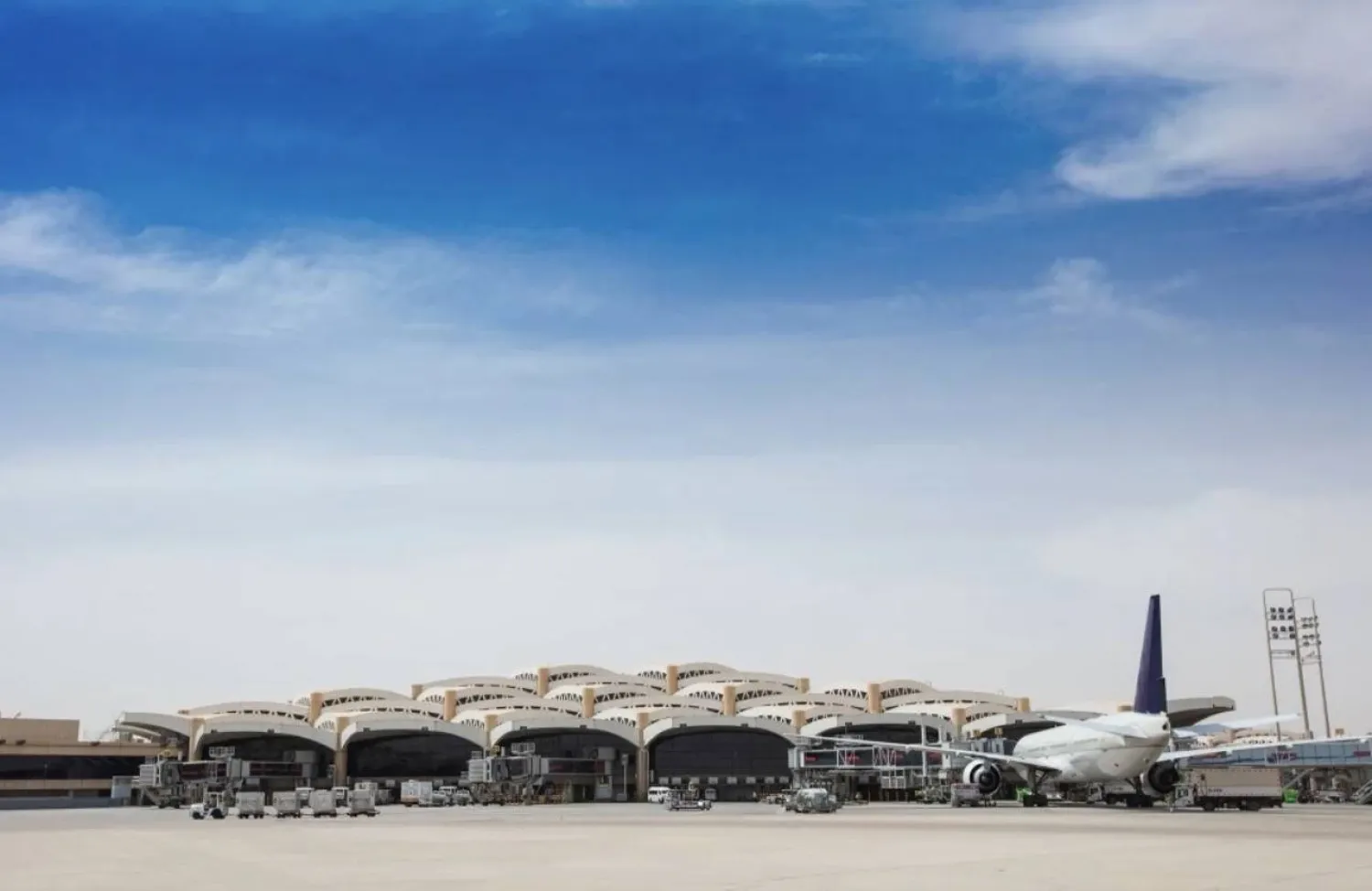


Arab Parliament Speaker Condemns Continued Iranian Attacks against Arab States

Arab Parliament Speaker Condemns Continued Iranian Attacks against Arab States
TT

Arab Parliament Speaker Condemns Continued Iranian Attacks against Arab States

Arab Parliament Speaker Condemns Continued Iranian Attacks against Arab States

Speaker of the Arab Parliament Mohammed bin Ahmed Al-Yamahi renewed his strong condemnation of the continued blatant and repeated Iranian attacks targeting several Arab countries.

In a statement on Wednesday, Al-Yamahi said that these attacks violate the rules of international law and the Charter of the United Nations and constitute a direct threat to regional and international peace and security. He noted that targeting residential areas, civilian facilities, and vital infrastructure, and the resulting civilian casualties, represent a grave violation of international humanitarian law.

He stressed that this aggression poses a direct threat to the pan-Arab national security, reiterating that the security of Arab states is indivisible and that any attack on one Arab country is an attack on the entire Arab nation.

He called on Iran to immediately cease all hostile actions and respect the sovereignty of Arab states and the principles of good neighborliness.

Al-Yamahi also praised the vigilance and efficiency of the armed forces in the Arab countries targeted by these attacks, commending their ability to confront them, protect their territories, and safeguard their capabilities.

The speaker reaffirmed the Arab Parliament's full support for the measures taken by these countries to preserve their security and sovereignty, in accordance with their legitimate right to self-defense.


GCC Hails Kuwait on Arrest of Hezbollah Cell

Secretary General of the Gulf Cooperation Council (GCC) Jasem Mohamed Albudaiwi.
TT

GCC Hails Kuwait on Arrest of Hezbollah Cell

Secretary General of the Gulf Cooperation Council (GCC) Jasem Mohamed Albudaiwi.

Secretary General of the Gulf Cooperation Council (GCC) Jasem Mohamed Albudaiwi praised on Tuesday security authorities in Kuwait on their arrest of a “terrorist cell affiliated with Hezbollah.”

In a statement, he condemned its plans to target Kuwait’s security and stability.

“This security achievement reflects the high level of vigilance and efficiency of Kuwaiti authorities and their ability to deal decisively and proactively with terrorist threats” to protect lives and maintain security, he added.

He stressed the GCC’s “firm and unwavering rejection of all forms of terrorism and extremism, underscoring the full support of the GCC member states for all measures taken by Kuwait to maintain its security and stability, safeguard its sovereignty, and confront anyone who may seek to undermine its security or threaten the safety of its citizens and residents.”

“GCC member states will remain united in confronting terrorism, continuing to strengthen the collective security system and consolidate stability in the region, in a manner that serves the interests of their peoples and preserves their achievements,” he added.

The Kuwaiti Interior Ministry had on Monday announced the arrest of 14 Kuwaiti and Lebanese people for belonging to a Hezbollah terrorist cell that was plotting to destabilize the country and recruit new members.

A ministry spokesman said they plotted to undermine state sovereignty and stir instability in order to stoke chaos and harm public order.

They were arrested in possession of firearms and ammunition, as well as weapons used for assassinations. They also possessed drones, drugs, maps, money and arms used for training.

The detainees were referred to the Public Prosecution.


Qatar, Jordan Condemn Iran’s Attacks on the Region, Urge De-Escalation

This handout picture released by Qatar's Amiri Diwan on March 17, 2026, shows Qatar's Sheikh Tamim bin Hamad al-Thani (R) meeting with Jordan's King Abdullah II, at the Diwan in Doha. (Qatar Amiri Diwan / AFP)
TT

Qatar, Jordan Condemn Iran’s Attacks on the Region, Urge De-Escalation

This handout picture released by Qatar's Amiri Diwan on March 17, 2026, shows Qatar's Sheikh Tamim bin Hamad al-Thani (R) meeting with Jordan's King Abdullah II, at the Diwan in Doha. (Qatar Amiri Diwan / AFP)

Emir of Qatar Sheikh Tamim bin Hamad Al-Thani and Jordan's King Abdullah II condemned on Tuesday Iran’s attacks in the region, urging an immediate cessation of all military actions.

Sheikh Tamim welcomed the monarch in Doha for talks on regional developments and Iran’s blatant attacks against Qatar, Jordan and other countries in the region, reported Qatar’s state news agency QNA.

Sheikh Tamim stressed Qatar’s solidarity with Jordan, saying it supports all measures it takes to defend its sovereignty and security and to ensure the safety of its citizens. For his part, King Abdullah reiterated his country's solidarity and full support for all measures taken by Qatar to preserve its sovereignty, security, and stability.

They underscored the importance of intensifying regional and international efforts to de-escalate and contain the ongoing tensions, and to work through diplomatic channels and dialogue to address crises in a way that helps prevent further deterioration in the region and boosts prospects for security and stability.

They discussed a host of regional and international issues of mutual concern, stressing the importance of continuing coordination and consultation between their two countries, especially in light of current developments and their implications for the region's security and stability.