“Here is Why I Won’t Vote”: Faeze Hashemi Speaks to Independent Persian

“Here is Why I Won’t Vote”: Faeze Hashemi Speaks to Independent Persian
TT

“Here is Why I Won’t Vote”: Faeze Hashemi Speaks to Independent Persian

“Here is Why I Won’t Vote”: Faeze Hashemi Speaks to Independent Persian

Faeze Hashemi, daughter of Ayatollah Akbar Hashemi Rafsanjani, is a political activist known for her biting criticisms of the government. Elected to the Iranian parliament in 1996, getting the second-most number of votes in Tehran, her loud voice has landed her in jail in recent years. Recently, her controversial statement on Donald Trump (she said his re-election would have been better for Iranians since it would put more pressure on the government) and her saying that she won’t vote in Iran’s presidential elections in June has led to much debate. Speaking to Camelia Entekhabifard, Independent Persian’s editor-in-chief, Faeze spoke of why she didn’t take part in the elections and of the dead-end in which reformists of the Iranian regime find themselves in. She also spoke on the controversial topic of succession of Ayatollah Khamenei.

— Ms Hashemi, you said you wouldn’t vote in the elections. Many Iranians will follow you and do the same. Do you think the Islamic Republic cares about this non-participation? Mr Kadkhodayi (spokesperson for the Guardian Council) has said that low turnout won’t create a legitimacy problem for the election. What do you think about this problem?

I think low turnout means people who would not vote for conservatives would stay at home and this suits the latter. If these people do come to the booth, the conservatives won’t win. Just like the last time when Mr Rouhani won and before that, where Mr Khatami won. Mr Kadkhodayi is right that the elections’ legitimacy won’t be undermined because it is up to people to decide whether to vote or not. If they don’t vote, the elections won’t have a legal problem. Even if the winning candidate has little support. But I think it would undermine the legitimacy of the regime because those who don’t vote are protesting and want to express something with their not voting. If the turnout is low it means that those who didn’t come to vote have problems that remain unsolved and that they don’t care much for the electoral booth as a way of solving them and giving victory to the majority. If the government cares for people’s opinion, somethings should change. People not voting means they are looking for change and want to show something by not voting. If those who run the government care, they should know that many things in the system will be undermined.

You have had many criticisms of the reformist movement in Iran. You believe that the reformists have abandoned their reformist slogans as part of the power struggle. We also know that, for the conservatives, connections to the main core of power means that they’ve long had a guaranteed place in politics. Since the reformists now face criticisms and lack public support, do you see a political blockage in Iranian politics, election and governance? For many years, Iranians have had no representative in power and have been repressed whenever they protest. What will this political blockage mean for the Iranian people?

Let me correct some of your assumptions and offer my own opinion. Reformists are not part of the power struggle. I wish they were. They are looking for survival, in weakest of conditions. They keep giving concessions and going along without ever getting any concessions. They are not looking for power. They are looking to keep up the status quo and have been totally enmeshed in it.

As for your claim that Iranian people for years have not had a representative in power, I don’t believe in this. Anytime there have been elections, people’s representatives have gone to the parliament, city councils, presidency and the Assembly of Experts. But in the last four years, since my father passed away (and I believe his death was consequential) the reformists have lost their path. In the last four years, people’s representative have either lost their connections to the people or have seen these connections reduce significantly. They don’t look at people’s demands and have sadly picked another path: away from people, closer to power.

So you don’t think there is political blockage right now?

Not as such. But I do see the reformist movement in a dead-end. I feel like anybody who tries to get some reform done — in governance, for people’s rights, for economic development, for management and many other matters — it gradually hits a dead-end but I am not sure political blockage is the best term for it. But the very fact that people might not vote means that those people see that the reform movement is at a dead-end and, no matter how much people try, what is needed to happen doesn’t occur, not even to a very limited degree.

Even if many don’t vote in these elections, many regard it as a very important event. Because there are questions about succession to Ayatollah Khamenei and many think any faction that wins these elections will be able to keep power after the Supreme Leader’s death. I want to ask you this: Is it possible that the Supreme Leader positions becomes hereditary? I mean that Ayatollah Khamenei’s son succeeds his father? Because right now we see the Supreme Leader controlling the politics from above so that no elected official can enforce the opinion of people. Can this go on? If the Islamic Republic survives Ayatollah Khamenei, how will the position of the Supreme Leader survive?

I don’t see these elections as different from others. I don’t think it will affect Ayatollah Khamenei’s succession. The routes to becoming Supreme Leader and president are separate and I don’t see them as connected. We can’t really predict whether Supreme Leader becomes a hereditary position or not. I have heard from somewhere that that a three-person committee is to decide on the next Supreme Leader. But this doesn’t mean that whoever becomes president now, Mr Rayisi for example, is going to be the next leader. This might or might not happen but I don’t think there is a link between becoming the president and the Supreme Leader. In the debates here on this issue, this question has not been highlighted.

Could you please tell us a little about this three-person committee?

Few years ago we heard that this committee was formed but not officially declared. It might also be that such a body doesn’t actually exist and this was not a real news. This committee is to decide on succession but I am also not sure if the composition of the committee is as we heard it or not. We heard this a few years ago. Maybe one of its members is Mr Rayisi and maybe Mr Larijani also but I am not sure. We don’t have more information.

After Ayatollah Khamenei, will the next Supreme Leader hold most of the power? As it is today? As someone who lives in Iran and has done political work all her life, how do you see the future of the Islamic Republic which is headed by a Supreme Leader?

The Supreme Leader is a position stipulated in our constitution and until we change the constitution it will continue to be there. After the amendments passed in 1989 (10 years after the revolution), changing of the constitution has become really hard. Everything is up to the Supreme Leader and has to be approved by him. He needs to decide on everything before a new constitution could be put to a referendum. Evidence doesn’t support the idea that the Supreme Leader position is going to be abolished. As for the other question, yes, the regime could go on as it is. Because money is pouring from everywhere in this country and until there is money, the regime will go on what it's doing.

You spoke of a lot of money being in the country but we know that the distribution of this money is very unjust. One reason for this is extensive corruption and role of the IRGC which has a presence in economic affairs but also political, cultural and security spheres. Tell us a little about the IRGC. How dangerous is it for the future of Iran for an armed force to have a presence in all organs of power?

Before I get to this, I have to say mismanagement is one of our most important problems. Because there is no meritocracy, no circulation of experts. Positions are filled based on politics, ideology and morals. This is a violation of the constitution. Experts are put aside and not used. We haven’t trained managers and this is one of Iran’s major problems at the moment.

The problem of money not being spent in the right places is mostly due to that mismanagement problem. Right now we hardly have good managers. It’s rare for us to have good and expert managers. You are right in what you say about the IRGC. Right now, unfortunately, everything ends with the IRGC. You can see their marks in economy, social affairs, political affairs, the judiciary and politics. This is another violation of the constitution. IRGC’s interference is also one reason for the problem of mismanagement.

Speaking of IRGC, let’s get to the region and the question of Iran-Saudi ties. IRGC’s role in regional affairs is a central reason for continued tensions between the two countries. We know that this relationship has had its ups and downs. Your late father did a lot to improve this relationship. But we know that his approach had many critics in the government. But do you think reestablishing Iran-Saudi ties could help the Iranian economy, open the path for Iranian Hajis and help peace and security in the region? Will Ayatollah Khamenei accept a change in the behavior of the IRGC to bring down the tensions with Saudis? We have heard him speak against “passive diplomacy” which seems to mean encouraging interference in regional affairs. What do you think about ties with Saudi Arabia?

Supreme Leader’s remarks were about the published voice file of Mr Zarif who said the ‘battlefield’ is always given priority over diplomacy in Iran. Unfortunately, our foreign policy has for years been an aggressive one and not a constructive and universal engagement with other countries based on principles of international law. I can’t blame it all on the IRGC. The Rouhani administration was also responsible for ruining of relations between Iran and Saudis because it didn’t do enough about this. Especially when my father was still alive, they didn’t work enough on this issue. They lost an opportunity. Thankfully, a dialogue is now going on. I don’t know where it will lead but I believe if conservatives win the presidency (which they will) they’ll probably solve this problem too. One of our problems is that whenever something needs to get done, people think of who is going to get the credit for it: the administration, reformists or the conservative section of the government. Many of the obstacles that they create is due to this issue.

One of the conservatives, I believe it was Mr Taraghi, had said that if negotiations are going to happen with the US, conservatives should do them. Now, they may also go toward reestablishing ties with Saudis. Because this is an important issue. Saudi Arabia is an important country, both in the Middle East and its relations with other Islamic and Arab countries which can help our relations with them too. Saudi Arabia is not just a country but one that represents many Arabic and Islamic countries and our relationship with Riyadh affects our relations with all these other countries.

Since this issue is important, is it possible that Ayatollah Khamenei would revise Islamic Republic’s regional behavior and policies which is directly linked to the question of ties with Saudis?

The experience shows that, when under pressure, we have done something to correct our behavior. We can predict that as part of the JCPOA and talks to bring US back to the deal, Iran's ties with Saudi Arabia will also be restored. I believe that we change our policies when international pressure increases and it shows its effect on Iran. But in normal conditions, I don’t have much hope for this change to happen. You should first accept that something is unsuitable and then decide to change it. When you see most officials talking, they speak as if everything is currently peachy. You'd think we are at the height of power, growth, development, progress, ethics, culture and everything else and the world is collapsing. You’d think that developed countries have countless problems and we are at our height. If you believe in this, why would you change your politics?

To expand on the question of regional policy: let’s talk about Israel. After the ceasefire last night, we see all Islamic countries supporting Palestine and ceasefire in unison. But the Islamic Republic, which claims to be supporting the Palestinian people, has, for 42 years, backed extremist groups and has really made things worse for the Palestinian people. What do you think about Iran’s policy on Israel and Palestine?

Let me first state the basics. Israel is an occupier, aggressor and criminal. I should speak of occupation of Palestine. When we look in history, much of Iran has also been alienated from it in treaties such as Turkmenchai (1828) and Golestan (1813.) Or Russia which has currently occupied the Crimean peninsula. Now, if we are so sensitive on this issue, how come we can have such great relations with Russia and not care about this but care so much about another place? They might say it’s because of Muslims. I want to ask a question: Following the Arab Spring, how many Syrians were killed for Bashar Assad to remain in power while we were there as military advisors and Guardians of the Shrine? How many?

In the last 10 years, many more Syrians have been killed than all Palestinians killed in the last 100 years due to violations, occupation and Israeli crimes. If killing Muslims is bad, how come we have stayed in a place where so many Syrian Muslims were killed? We have our own contradictions. I don’t like our approach to supporting the Palestinian people because if we want to oppose tyranny and crimes, we need to have a good behavior ourselves. Our own behavior is faulty and worse than Israel when you look at the allegations against us in going along with killings of Syrians or events in Yemen.

If we want to defend the rights of Palestinian Sunnis, why don’t we do anything for the rights of Sunnis inside our own Iran? In our own country, they don’t have equal rights. I think we are making things worse in Palestine. Yasser Arafat was no small figure in Palestine. He moved toward peace but we put him aside, became more Catholic than the Pope and strengthened Islamic Jihad and Hamas who drove politics in another way. I don’t think this makes any sense. I can’t really accept that our policies toward Palestine and Israel are honest and really aimed at countering tyranny, crimes or occupation. In the annals of history, we see many countries being divided or merging and we are not sensitive about them. In the current conditions, if we truly care for the Palestinian people, we should move toward a two-state solution. When we look at world policies, all Muslim countries, the UN and other countries, all insist that the ceasefire should be used as a basis of moving towards both states of Palestine and Israel coming to be and living together side by side. They’ve been fighting for more than 70 years. What happened? What did they reach? We can’t try something over and over again. This will only happen if the West also pressures Israel and takes Israel’s return to 1967 borders seriously so that we can get to the two-state solution.

Based on this explanation, what do you think the leaders of the Islamic Republic really want from Palestine?

I don’t think the Islamic Republic really wants anything from Palestine. Because all we do there is spending. Palestinian question doesn’t give us anything. But some issues have seemingly become part of the Islamic Republic’s identity. Mahmoud Abbas, just like Yasser Arafat before him, is mostly interested in getting to peace and solving this issue for Palestine. But for us this is an issue of identity and for domestic consumption so that we can forever remain in “the current sensitive conditions” that justify securitized policies. Otherwise, there is no reason for these policies. Our approach has so far brought us zero benefits and only increased our costs. Just like lack of relations with the US has become part of our identity and we are losing a lot by this wrong policy and have made the fate of our people a victim of it. We’ve victimized our trade and economy. It’s the same with the question of Palestine.
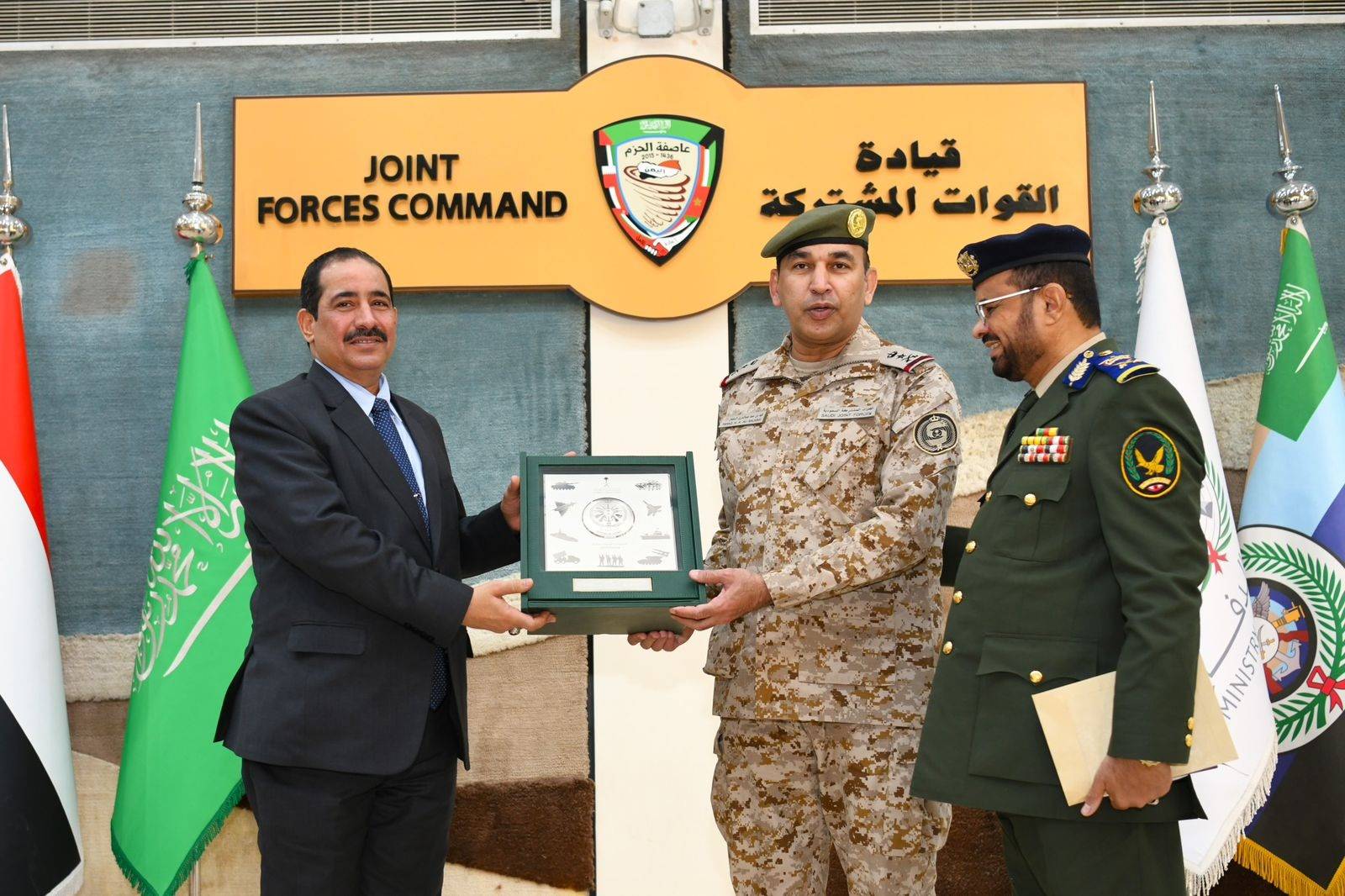
Yemeni Interior Minister: Assassination Cells in Aden Backed by Foreign Funding, Seeking to Undermine State

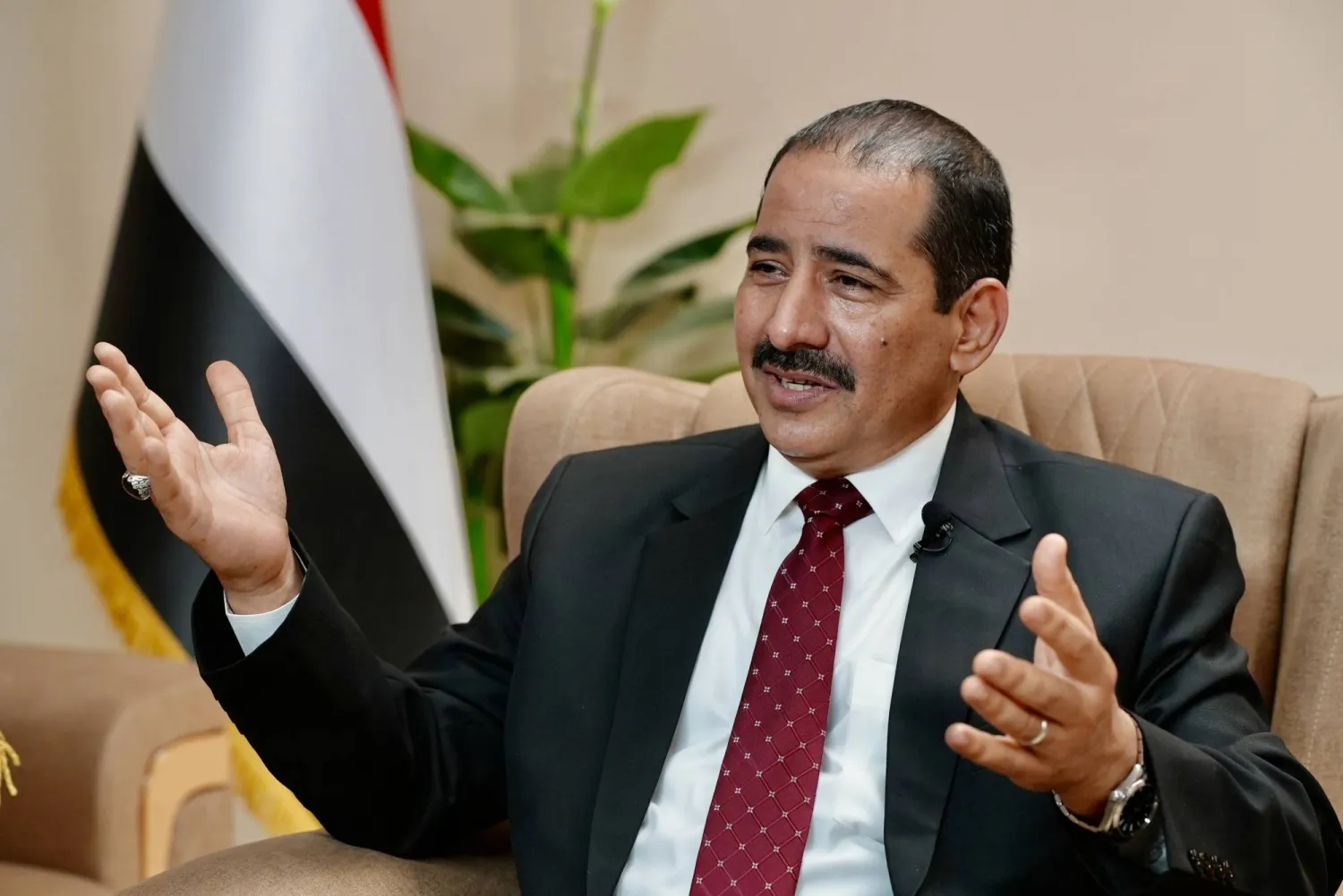
Haidan stated that security coordination between Yemen and Saudi Arabia is at its highest levels (Photography: Turki Al-Oqaily)
TT

Yemeni Interior Minister: Assassination Cells in Aden Backed by Foreign Funding, Seeking to Undermine State

Haidan stated that security coordination between Yemen and Saudi Arabia is at its highest levels (Photography: Turki Al-Oqaily)

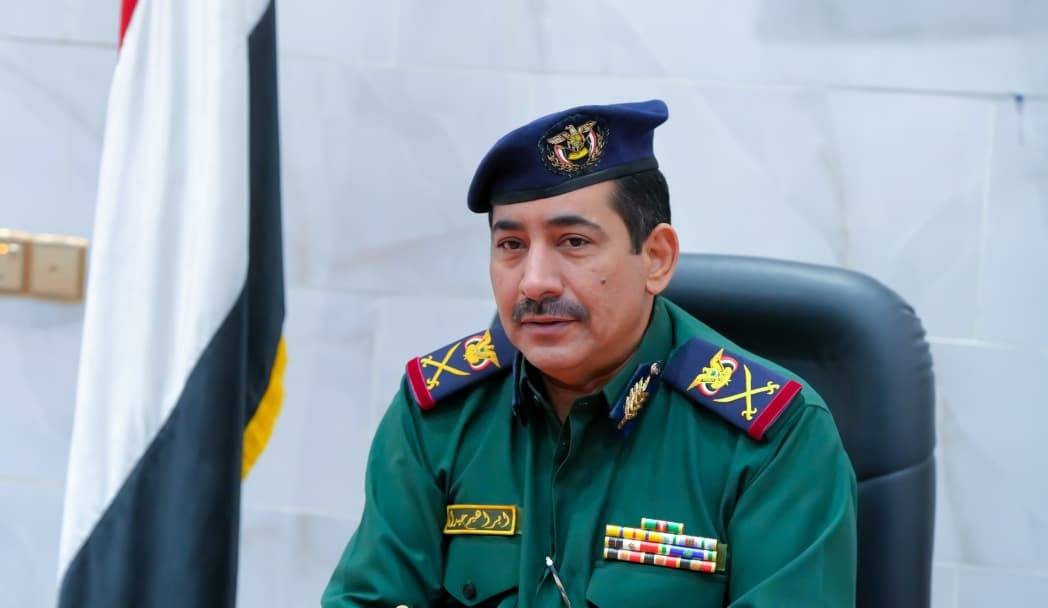
Yemen’s Interior Minister Major General Ibrahim Haidan revealed what he described as the foiling of the "largest political assassination plot" in the temporary capital Aden, saying security forces had carried out a successful pre-emptive operation against terrorist cells linked to foreign actors that were planning to target prominent political and security figures as part of what he called an “intelligence war” against the Yemeni state and its institutions.

In an extensive interview with Asharq Al-Awsat, Haidan said investigations had uncovered foreign funding and logistical support for the cells behind the recent assassinations in Aden, adding that authorities found documents, maps and tools in the possession of cell members that exposed the scale of the plot and its objectives.

The minister said security coordination with Saudi Arabia was taking place "at the highest levels," describing ties between the two countries as a "shared destiny" and praising support provided by the Kingdom under the leadership of Custodian of the Two Holy Mosques King Salman bin Abdulaziz and Crown Prince Mohammed bin Salman.

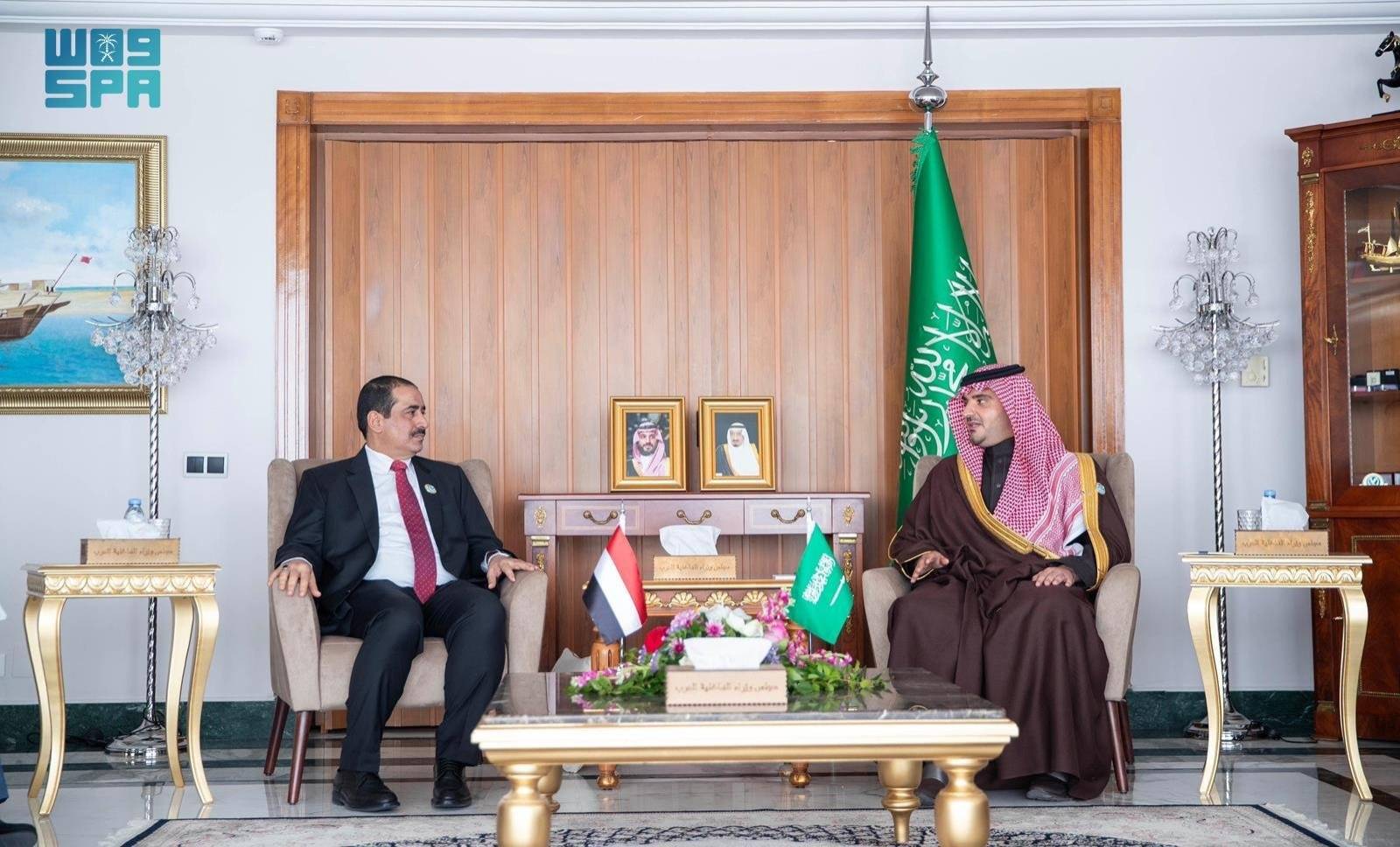
Prince Abdulaziz bin Saud, Saudi Interior Minister, during his reception of Major General Haidan in February 2024 (SPA)

Shared destiny with Saudi Arabia

Haidan stressed that Yemen’s relationship with Saudi Arabia represented a "shared destiny."

"Given the circumstances Yemen is going through, we find our brothers in Saudi Arabia dedicating all their efforts to supporting Yemen’s legitimate government in restoring the state and achieving security, economic and political stability," he said. "Therefore, Yemen’s security is an integral part of the region’s security."

He added that this made security coordination between Yemen and Saudi Arabia "at its highest levels," while expressing appreciation for the "generous and continued support" provided by the Kingdom, including in training, rehabilitation, logistical and technical assistance.

Haidan said the support had played a major role in ensuring the resilience and continuity of Yemen’s security institutions, adding: "We consider the Kingdom our primary strategic partner in the battle against terrorism."

Haidan explained that the assassination operations were an attempt to create social unrest to undermine public trust in the state (Asharq Al-Awsat)

Security situation in Aden

The minister said the security situation in liberated areas in general, and in the temporary capital Aden in particular, was seeing continuous improvement despite what he described as a "systematic targeting" of the city’s security aimed at undermining efforts to restore the state.

He said progress could be measured through several indicators, including the effectiveness and rapid response of security agencies, declining crime rates, and public support for state institutions. He added that those factors had helped foil what he described as the largest political assassination plot, although "the price was high."

According to Haidan, the plot claimed the lives of three prominent figures over recent weeks: Major Abdul Karim Abdullah, deputy director of the Seventh Security District; Dr. Abdulrahman Al-Shaer, director of Al-Nawras Schools; and Wissam Qaed, acting executive director of the Social Fund for Development.

He said the Interior Ministry, backed by military and intelligence institutions, was working to achieve security and stability under a comprehensive security plan aimed at strengthening state institutions and enforcing the rule of law, while noting positive cooperation from citizens.

Haidan added that security forces had become "more professional, disciplined and vigilant" in confronting threats posed by militias and their regional allies.

Why assassinations have returned

Haidan said the resurgence of assassinations in Aden was intended to create social unrest and erode public confidence in the state.

"By examining the nature of the targets chosen by militias backed by regional actors, we can understand the mechanism of the plot," he said. "The assassinations recently targeted the security sector, education and development, meaning that both the state and society were being targeted simultaneously."

He said the attacks were also aimed at obstructing efforts by the Presidential Leadership Council and the government to unify decision-making and normalize conditions in the country.

Who is behind the assassinations?

Responding to a question about those responsible for the recent assassinations in Aden, Haidan said security agencies, in coordination with the public prosecution, had made significant progress in collecting evidence and tracking leads.

"Many leads indicate that the rebellious coup militias received support from foreign parties to create chaos, disrupt the project of restoring the state and obstruct development efforts in liberated areas, especially Aden," he said.

Assassination of Wissam Qaed

Regarding threats allegedly received by Wissam Qaed from the Houthis before his killing, Haidan said the group had a long history of using assassinations as a political tool.

"The preliminary evidence and threats received by the martyr before his assassination place these militias under direct suspicion," he said, adding that the perpetrators may not necessarily have been directly affiliated with the Houthis but could have cooperated with allied groups pursuing a common goal of chaos and undermining the state.

Major General Haidan with General Fahd Al-Salman, Commander of the Joint Forces, in November 2024 (SPA)

Foreign funding and support

Haidan confirmed that some of the terrorist cells behind the assassinations had foreign links and had received financial and logistical backing.

"There is an intelligence war taking place on our soil aimed at shedding the blood of our people and dismantling the social fabric in order to undermine the state and obstruct the restoration of its institutions," he said.

He added that Yemen was coordinating with regional and international partners to "dry up the sources of cross-border terrorism."

Dismantling assassination cells

Speaking about the recently dismantled assassination cells, Haidan said the arrested group had been trained to carry out assassinations and plant explosive devices and included individuals with criminal records directly linked to a command center in Houthi-controlled areas.

He described the operation as a successful pre-emptive strike, adding that authorities had found documents, maps and tools revealing a major plot targeting prominent political and security figures.

Security in liberated areas

The minister said there had been "tangible progress" in the security situation across liberated provinces, noting growing coordination and integration among security agencies nationwide, with Aden receiving particular focus because of its political and symbolic significance.

He added that official statistics showed a slight decline in crime rates while maintaining the same level of enforcement.

"Compared with the first quarter of 2025, which recorded 3,111 crimes, the first quarter of 2026 recorded 3,064 crimes, with a clearance rate reaching 90 percent," Haidan said.


Lebanon’s Foreign Minister to Asharq Al-Awsat: Only the State Decides on Talks with Israel

Lebanese Foreign Minister Youssef Raggi - File Photo
TT

Lebanon’s Foreign Minister to Asharq Al-Awsat: Only the State Decides on Talks with Israel

Lebanese Foreign Minister Youssef Raggi - File Photo

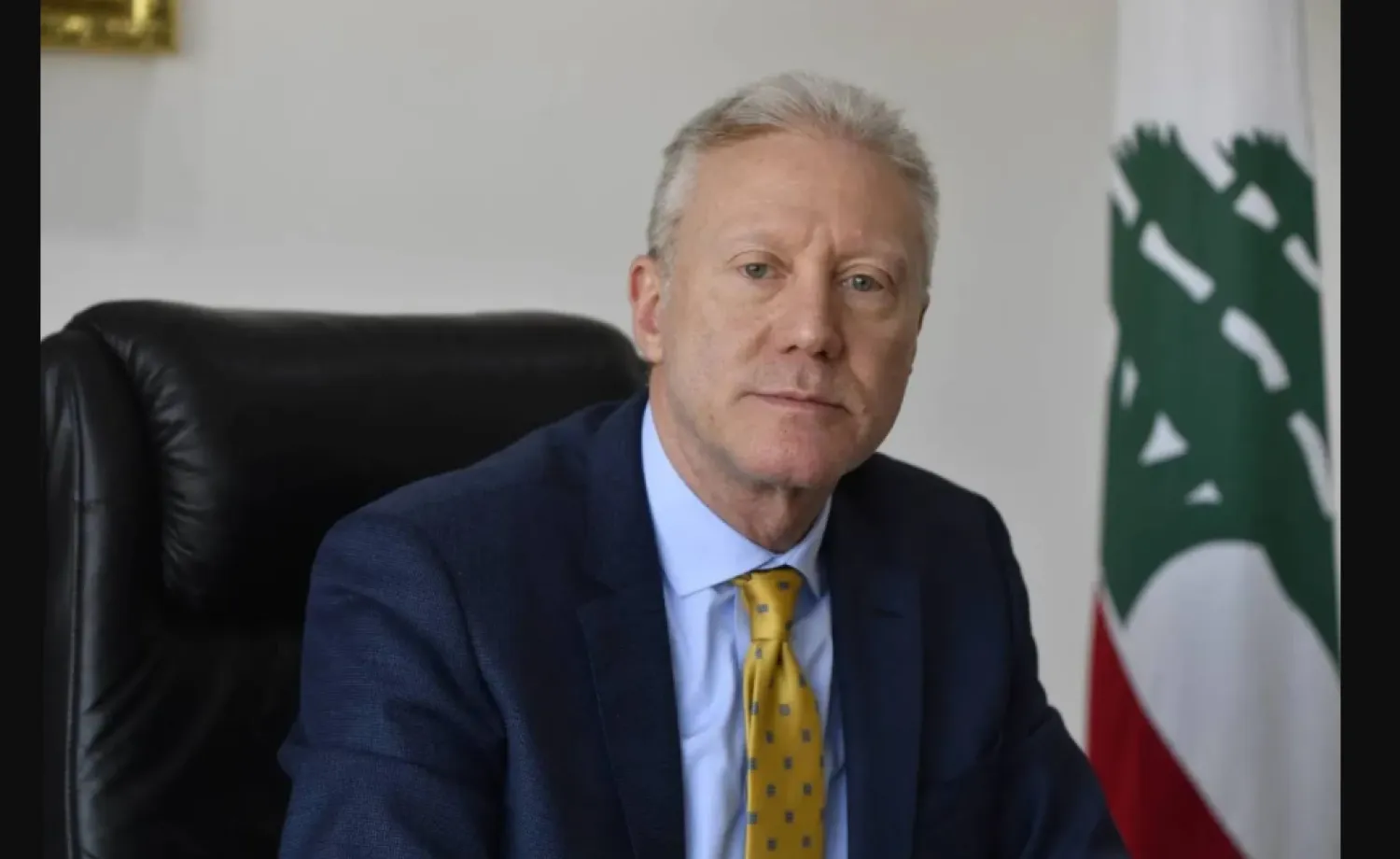
Lebanese Foreign Minister Youssef Raggi said Lebanon “has started to gradually reclaim its natural right to determine its own fate independently of others’ calculations,” stressing that the Lebanese state “alone holds the decision to negotiate,” and that Lebanon “is not subordinate to anyone and is not a card in the hands of any axis.”

He expressed regret that the state’s efforts to secure financial and political support for reconstruction “are being confronted by an internal party, Hezbollah, which continues to gamble with the fate of these villages and their residents in service of goals and agendas unrelated to the national interest or to the suffering of the people of the south.”

In an interview with Asharq Al-Awsat, Raggi said that “the national priority today is to fully restore sovereignty, without diminution,” adding that “there is no shame in the Lebanese state negotiating with Israel if the goal is to end the war and recover territory.”

He also condemned “what has been uncovered of roving sabotage networks linked to Hezbollah in a number of Arab countries,” while at the same time denouncing the targeting of brotherly Arab states and their security and stability.


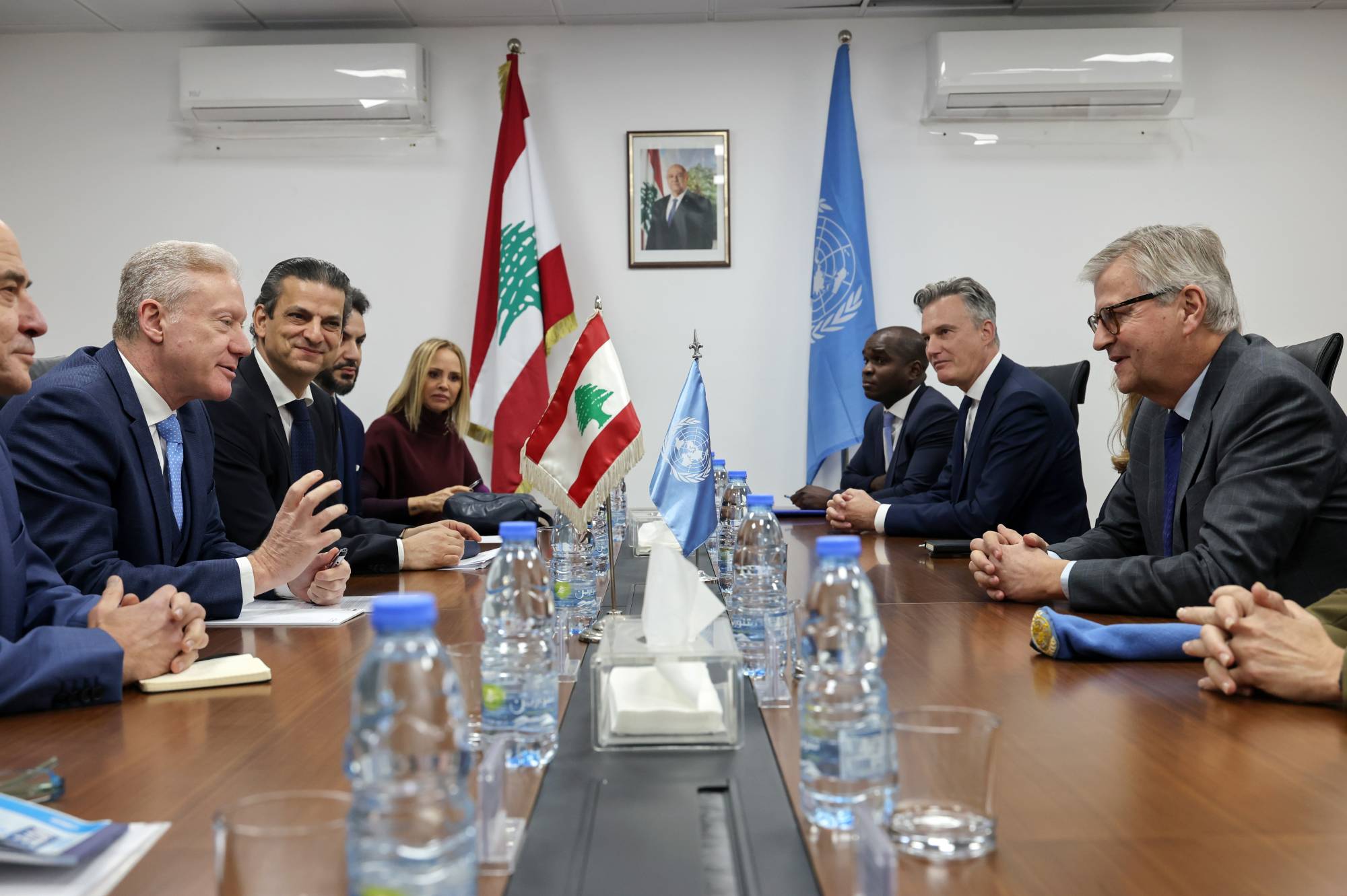
Lebanese Minister of Foreign Affairs and Emigrants Youssef Raggi (L) meets UN Under-Secretary-General for Peace Operations Jean-Pierre Lacroix (R) at the Lebanese Foreign Ministry in Beirut, Lebanon, 07 January 2026. Lacroix is on an official visit to meet Lebanon's leaders. EPA/WAEL HAMZEH

Negotiations exclusively in the hands of the state

The Lebanese ambassador to Washington, Nada Hamadeh Mouawad, held a second direct meeting with her Israeli counterpart, Yechiel Leiter, at the US State Department to discuss extending the truce and to set a date and venue for negotiations between the two delegations, in what is the first track of direct talks since 1993.

Raggi noted: “Iran dragged Lebanon into a war that was neither the choice of the Lebanese state nor of the majority of the Lebanese, but was imposed on it under an approach that treats Lebanon as a pressure card to be used at regional and international negotiating tables.”

He continued: “This led to the step taken by President Joseph Aoun to pursue a path of direct negotiations, clearly declaring that the Lebanese state alone holds the decision to negotiate, and that Lebanon is not subordinate to anyone and is not a card in the hands of any axis.” He stressed that “this step is not limited to its negotiating dimension, but lays the groundwork for restoring independent national decision-making and reinstating the concept of the state as the sole reference in war, peace, and foreign policy.”

Raggi reaffirmed that “the Lebanese track is now separate from the Iranian track,” and that “Lebanon’s interests are no longer hostage to the progress or deadlock of Iranian negotiations,” noting that “the second preparatory meeting is being held while talks related to Iran are facing stagnation and complications, which proves that Lebanon has begun to gradually reclaim its natural right to determine its own fate independently of others’ calculations.”He said: “This is a pivotal moment in Lebanon’s modern history, as it ends a long phase in which national milestones were tied to external agendas.”

No longer an arena

Raggi said: “We will no longer accept using Lebanon as an arena for settling regional scores or as a platform for military and political adventurism whose cost is borne by the Lebanese in their security, economy, and national unity.” He explained: “Experience has shown that turning Lebanon into an open arena for conflict has brought it nothing but destruction, isolation, and collapse. What is required today is to reassert its position as a sovereign state, not as a sphere of influence or a permanent front line.”

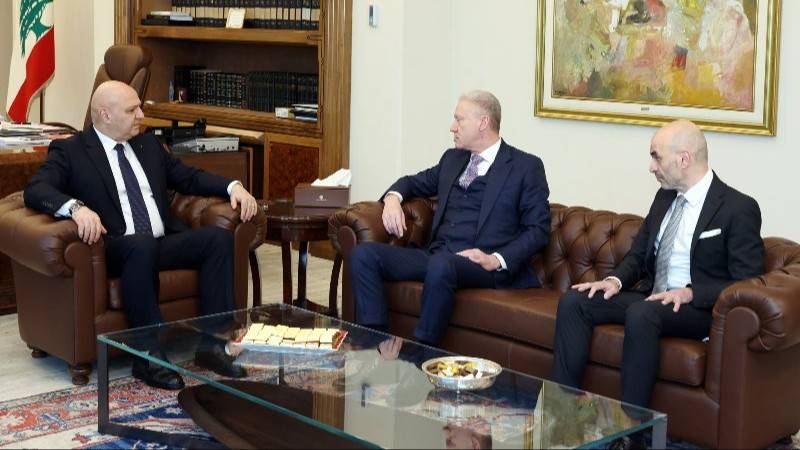
Lebanese President Joseph Aoun holding talks with Foreign Minister Youssef Raggi (Presidency)

Objectives of negotiations

On the objectives of negotiations, Raggi said that “Lebanon’s move toward negotiations is intended to address outstanding issues between the two countries, foremost among them border, security, and humanitarian matters,” stressing that “negotiation is not surrender, as some try to portray it, but a tool for defending national interests when conducted from a position of state authority and with careful calculation.”He added: “The balance of power is not measured only in weapons, but also in the legitimacy of the state, unity of the national position, international support, and the ability to use law and diplomacy to protect rights.”

He noted that “it is a grave mistake to portray Lebanon as being in a position of absolute weakness, just as it is equally wrong to portray it as being in a position of surrender. The reality is that Lebanon, if its institutions are unified, can negotiate from a clear national-interest position.”

Raggi added: “The national priority today is to fully restore sovereignty, without diminution. There is no shame in the Lebanese state negotiating with Israel if the goal is to end the war, recover territory, and secure a lasting peace that preserves the dignity of the Lebanese and prevents the recurrence of tragedies, especially for our people in the south who have paid a heavy price in lives, homes, and livelihoods.”

He continued: “The futile adventures carried out through what are called ‘proxies’ have proven that their outcome was neither liberation nor victory, but further fragmentation and weakening of the Lebanese state and depletion of its society and economy.”

Monopoly of arms

Raggi said Lebanon “has long delayed implementing governmental and constitutional decisions related to restricting weapons to the state, particularly Hezbollah’s arms, at a time when the majority of Lebanese are calling for a real state that alone holds the right to use force.” He added: “Restricting arms is not a political demand by one side against another; it is the only gateway to building a modern state, because the very concept of the state fundamentally contradicts the existence of armed groups outside its authority. A state cannot exist with two sets of arms, two sovereignties, or two decisions on war and peace.”

He pointed out that “facts have shown that weapons outside state control did not liberate occupied land, did not protect Lebanese citizens, and did not prevent destruction; rather, they deepened national losses.”

He explained: “Before the ‘support for Gaza’ war and linking Lebanon to the Iranian confrontation, the disputed border points were limited and confined to known issues, including the thirteen points, the Shebaa Farms, and the Kfar Shouba hills. After October 7, 2023, Israeli occupation expanded inside Lebanese territory at five points, and after March 2, the occupied areas widened further, while dozens of villages were destroyed and vast areas suffered devastation and displacement.”

He added: “This catastrophic outcome confirms that the logic of uncontrolled arms did not produce protection; rather, Hezbollah’s war calculus ultimately imposed the path of direct negotiations as the only way to recover what Lebanon has lost.”

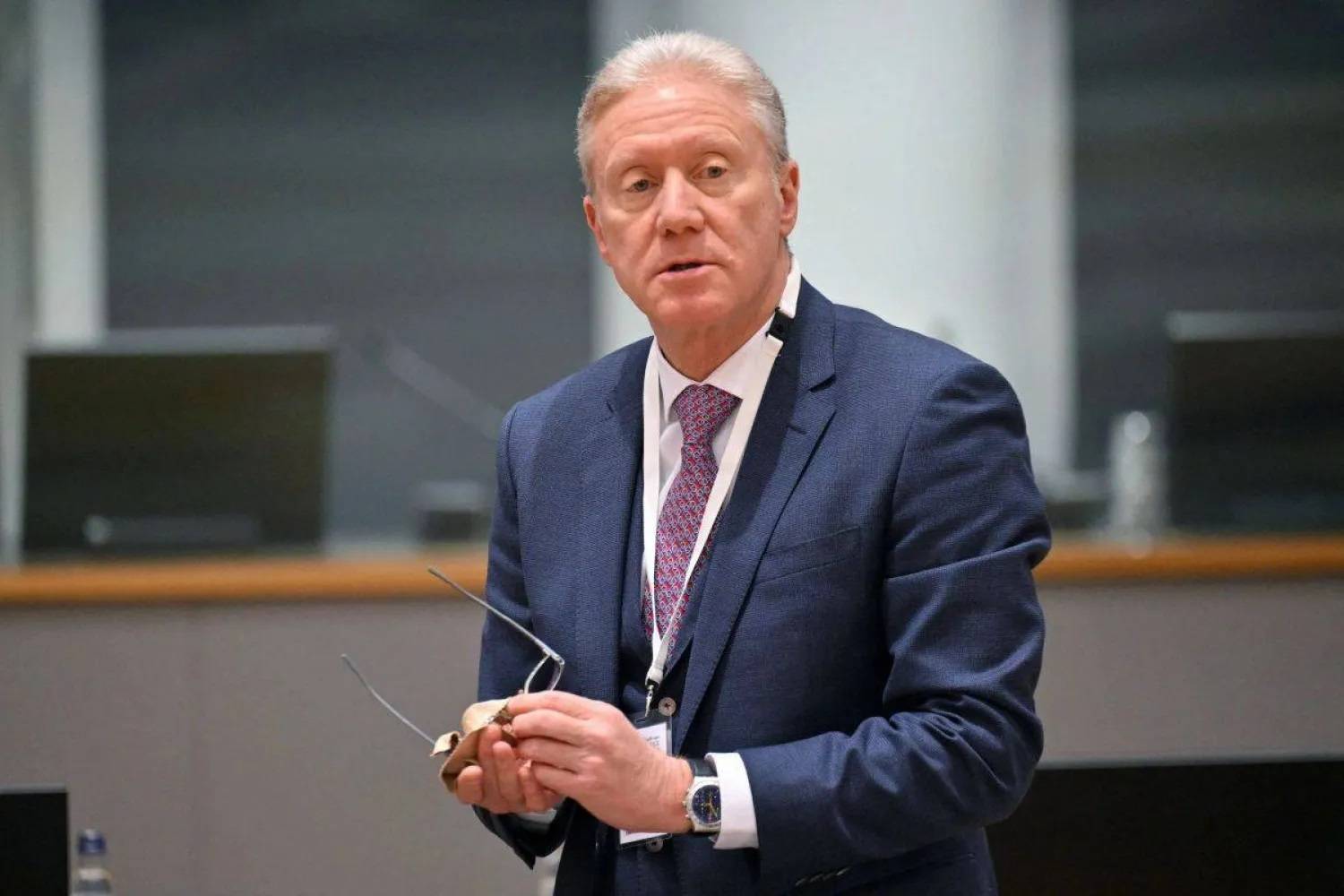
Lebanese Foreign Minister Youssef Raggi - AFP

Targeting Arab states

Raggi strongly condemned “the discovery of roving sabotage networks linked to Hezbollah in a number of Arab countries.” He said: “This behavior is another example of the nature of the cross-border Iranian project, and its danger is not limited to Lebanon’s sovereignty but also extends to the security of sister and friendly states that have long stood by Lebanon in its most difficult times.”

He added: “We have informed our friends in the concerned countries of Lebanon’s full readiness for judicial and security cooperation, to pursue those responsible for these networks and provide all necessary assistance. We also reiterate our absolute rejection of using Lebanese territory or any Lebanese entity to harm the security of any Arab or friendly country.”

Hezbollah ‘gambling with the south’

Meanwhile, Israel continues explosions in border villages in the south. Raggi said: “We are closely following developments on the ground in the south, particularly the security belt imposed by Israel. The Foreign Ministry is working through all available diplomatic channels to achieve a full Israeli withdrawal, ensure residents can return to their villages, and launch reconstruction.”

He added: “But it is regrettable that while the state seeks to secure financial and political support for rebuilding, it faces an internal party, Hezbollah, that continues to gamble with the fate of these villages and their residents in service of goals and agendas unrelated to Lebanon’s interest or the suffering of the people of the south.”

Raggi said: “The painful scene of destroyed villages in the south, and of residents who have lost their homes, livelihoods, and sense of safety, should be a moment for courageous national reassessment,” stressing that “those who caused this war and dragged Lebanon into it against the will of its people must bear their political, moral, and historical responsibility and review their calculations before it is too late.”

Raggi affirmed that “Lebanon can no longer bear others’ wars, their projects, or illusions of victory that bring only ruin.” He concluded: “The future must belong to the state, to sovereignty, and to a just peace that protects all Lebanese.”


Healey to Asharq Al-Awsat: UK Has More Jets Flying in the Region Than at Any Time in the Last 15 Years

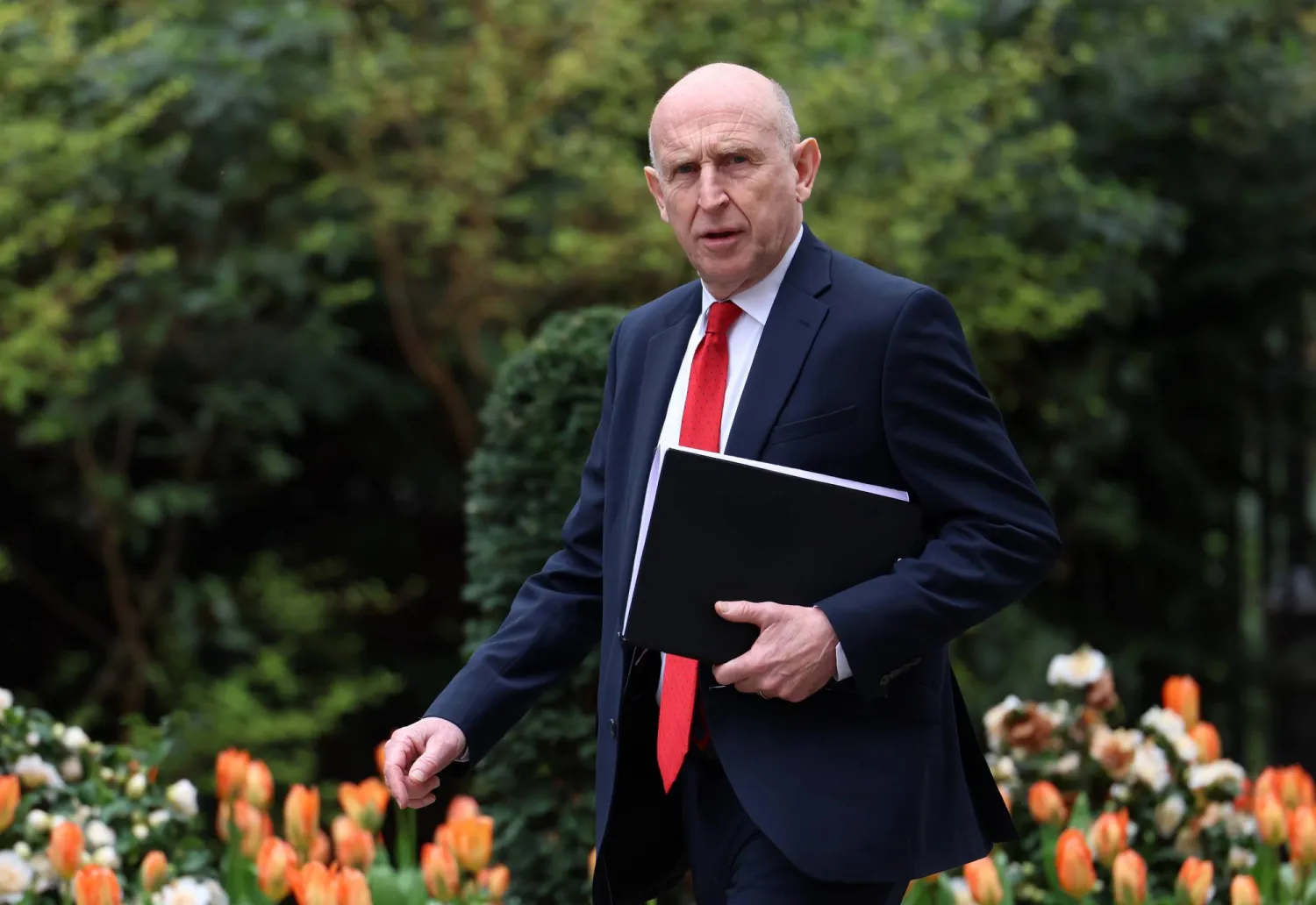
British Secretary of State for Defense John Healey arrives for a cabinet meeting at 10 Downing Street in London, Britain, 24 March 2026.  EPA/ANDY RAIN
British Secretary of State for Defense John Healey arrives for a cabinet meeting at 10 Downing Street in London, Britain, 24 March 2026. EPA/ANDY RAIN
TT

Healey to Asharq Al-Awsat: UK Has More Jets Flying in the Region Than at Any Time in the Last 15 Years

British Secretary of State for Defense John Healey arrives for a cabinet meeting at 10 Downing Street in London, Britain, 24 March 2026.  EPA/ANDY RAIN
British Secretary of State for Defense John Healey arrives for a cabinet meeting at 10 Downing Street in London, Britain, 24 March 2026. EPA/ANDY RAIN

British Defense Secretary John Healey revealed Wednesday that UK pilots and aircrew have flown over 1,200 hours on defensive missions across the Middle East since the conflict with Iran erupted, saying they have now had over 80 engagements together with RAF Regiment Gunners.

In an interview with Asharq Al-Awsat following his visit to Saudi Arabia, Healey said that the UK has around 1,000 personnel in the region and an extra 500 air defense personnel in Cyprus.

“I continue to work closely with our partners in the region on what further support we can provide,” he said, lauding the UK-Saudi Arabia defense partnership which he said is “founded on mutual security interests and longstanding industrial collaboration.”

“Although our friendship is historic, it has evolved into a modern partnership that responds to contemporary challenges,” he added.

On ties between Moscow and Iran, Healey did not rule out a hidden Russian hand behind some of the Iranian tactics.

The following are the key points from the interview:

80 engagements

“UK pilots and aircrew have flown over 1,200 hours on defensive missions across the region. Together with our RAF Regiment Gunners, they have now had over 80 engagements since the conflict began,” said Healey.

“I am proud of the work that our UK Armed Forces are doing alongside our Gulf partners to help keep people safe in the region. Their dedication and professionalism is helping to save lives as Iran indiscriminately targets countries across the Gulf,” he added.

Heavy Deployment

“The UK has around 1,000 personnel deployed to the region, not including our personnel in Cyprus,” he told Asharq Al-Awsat. “Force protection is at the highest levels for UK bases in the region.”

“We have more UK jets flying in the region than at any time in the last 15 years. We are undertaking defensive counter air operations over Bahrain, Jordan, Qatar, and the UAE as well as Cyprus,” he said.

“Since January, I have deployed extra equipment and people to the region. This includes Typhoon and F-35 jets, Wildcat helicopters armed with purpose-built counter-drone Martlet missiles, a Merlin Crowsnest helicopter, providing airborne surveillance and control plus radar systems, air defense systems and counter-drone units.”

He added that there are now an extra 500 air defense personnel in Cyprus, and the warship, HMS Dragon - which is fully integrated within the layered air defense system with allies and partners - is deployed in the Eastern Mediterranean.

Defense Systems to Support the Gulf

“I continue to work closely with our partners in the region on what further support we can provide, which was the purpose of my visit (to Riyadh) this week,” Healey told Asharq Al-Awsat.

“I confirmed during my meeting with the Defense Minister, His Royal Highness Prince Khalid bin Salman Al Saud, that we will deploy Sky Sabre to the Kingdom of Saudi Arabia - an air defense system that will be integrated into Saudi Arabia’s defenses to support Saudi Arabia's efforts in repelling Iran's attacks,” he added.

He also said that Rapid Sentry – a system made up of a radar and a missile launcher – was deployed to Kuwait, and Lightweight Multiple Launchers to Bahrain.

“We have extended the operations of our jets in Qatar which are flying defensive missions every night, and through Taskforce Sabre we're ensuring UK industry steps up too. The Taskforce brings together industry who offer counter drone and air defense capabilities with governments, including Gulf partners ... to rapidly provide them with the equipment they need.”

Advanced defense partnership with Saudi Arabia

On his visit to Saudi Arabia, he said the trip was aimed at showing support “during this period of sustained and indiscriminate Iranian attacks, and also to discuss further cooperation between our nations to protect our people and our shared interests in the Kingdom. That's why I was delighted to meet with His Royal Highness Prince Khalid bin Salman to discuss recent events in the region.”

“The UK and Saudi Arabia have a close, longstanding friendship, and share a decades-long defense partnership, founded on mutual security interests and longstanding industrial collaboration.”

That friendship “has evolved into a modern partnership that responds to contemporary challenges. This really matters in times like today: it means we have the trust and the shared understanding to respond quickly and decisively when the security environment demands it. It is precisely because of that deep foundation that we are able to act as we have done, such as deploying Sky Sabre to Saudi Arabia.”

Russian-Iranian cooperation

On Russia’s role in the Iran war, Healey said: “Our assessment is that, even prior to US and Israeli strikes, Russia highly likely shared intelligence and provided training to Iran, including on things such as drone technology and operations, and electronic warfare. And our intelligence also indicates that this cooperation is ongoing.”

“No one will be surprised that Putin’s hidden hand may be behind some of the Iranian tactics and potentially some of their capabilities as well. We see an axis of aggression between Russia and Iran - two countries that menace their neighbors and that pose a threat more widely to us all.”

No assessment on targeting Europe

Healey said that there is no assessment Iran is trying to target Europe with missiles. “Even if they did, we have the resources and alliances we need to keep the UK and our allies safe from any kind of attacks, whether it's on our soil or from abroad. The UK stands ready 24/7 to defend itself and protection of forces is at the highest levels for our bases in the region.”