

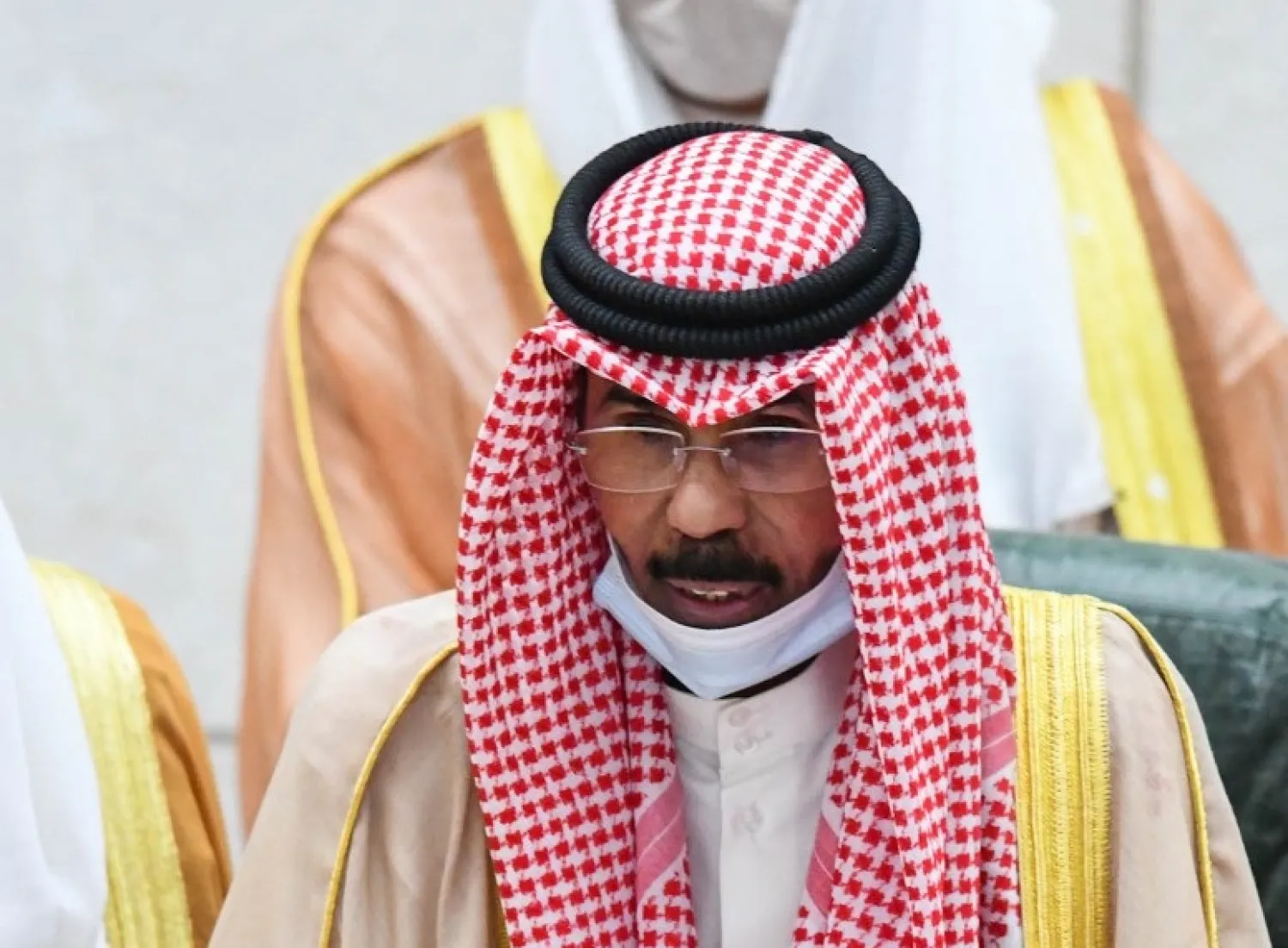

Kuwait Emir Opens Parliamentary Session, Calls for Cooperation

The Emir of Kuwait delivers a speech before parliament on Tuesday. (KUNA)
TT

Kuwait Emir Opens Parliamentary Session, Calls for Cooperation

The Emir of Kuwait delivers a speech before parliament on Tuesday. (KUNA)

Emir of Kuwait Sheikh Nawaf Al-Ahmad Al-Jaber Al-Sabah opened on Tuesday the second session of the 16th legislative term of the National Assembly with calls for cooperation.

In a speech to parliament, he reiterated the importance of efforts to reinforce reforms and serve the people.

National Assembly Speaker Marzouq Al-Ghanim praised Sheikh Nawaf’s call for dialogue, stressing the importance of dialogue and round-table policy to resolve fateful problems amid sharp political disputes in the country.

He also lauded the national dialogue talks, which have had a great impact on achieving political stability. Al-Ghanim said political stability would be achieved through correct and wise use of constitutional tools.

Sheikh Nawaf had in September called for national dialogue between the legislative and executive authorities to resolve disputes between them.

“The Kuwaiti people will immensely benefit from the solemn cooperation between legislative and executive authorities,” said Prime Minister Sheikh Sabah Al Khaled Al-Hamad Al-Sabah while delivering a speech on behalf of the Emir.

The dialogue had also resulted in the pardon of several Kuwaitis, continued the Emir, stressing that such a step helped stabilize the political situation in the country.

Sheikh Sabah Al-Khaled said the government and people of Kuwait were grateful for the Emir’s intervention and keen leadership.

The cabinet will work tirelessly to address problems facing the people, vowed the PM.

He remarked that the coronavirus pandemic was the biggest challenge affecting all aspects of life in Kuwait and the world.

The prime minister noted that the world was going through severe economic challenges requiring the legislative and executive authorities to focus on reforming the economy through a comprehensive plan that promotes economic diversity.

The private sector should be given the opportunity to share the state’s goal in boosting economic development, urged Sheikh Sabah Al-Khaled.

The PM also touched on internal and external security of Kuwait, saying it was a vital component for development and stability. He stressed that the government would work on bolstering the country’s defensive capabilities.

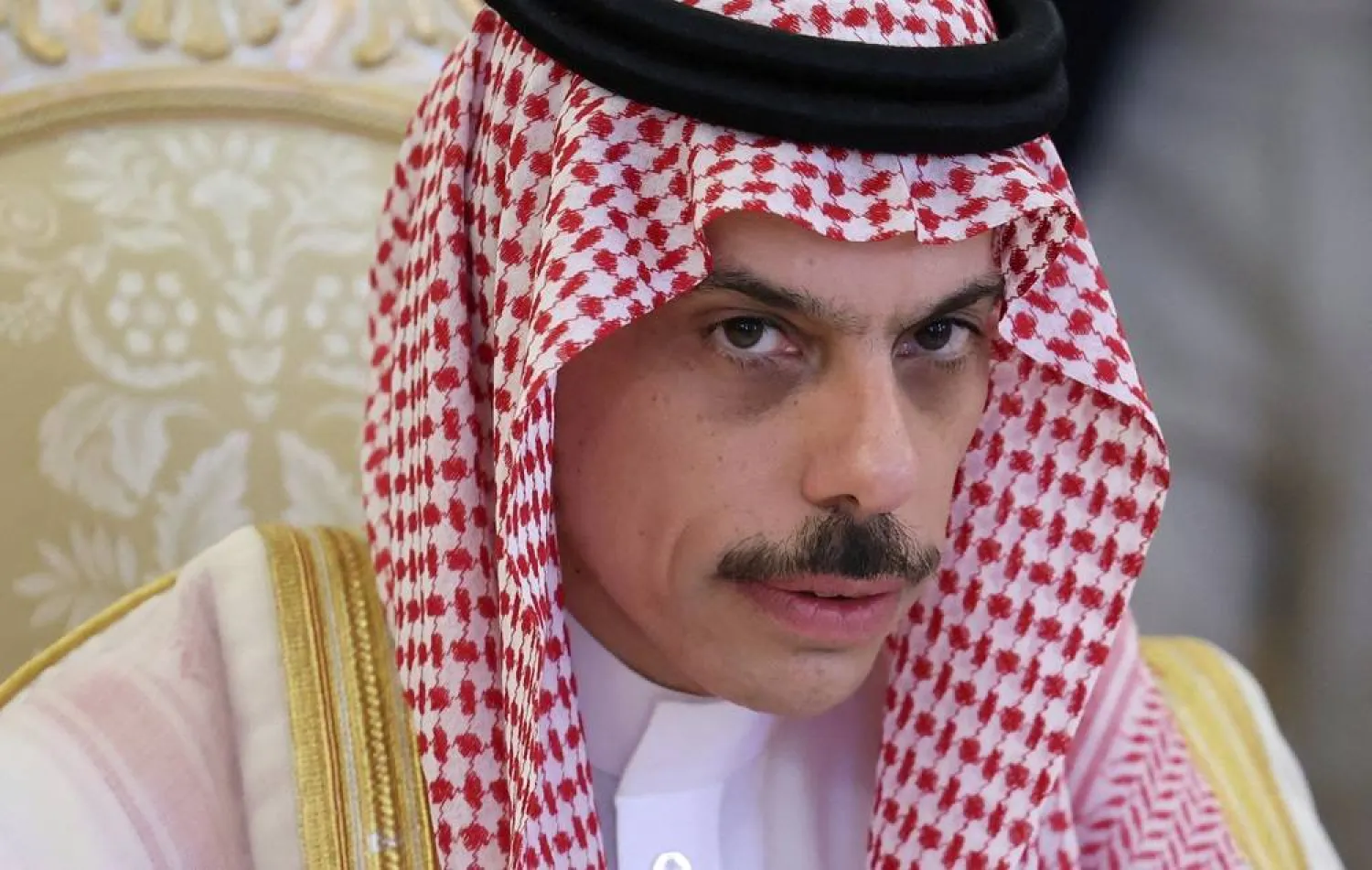


Libya’s Unity Gov. Urges Stronger Partnership with Saudi Arabia on Development Projects

Abdul Hamid Dbeibah during his meeting with members of the Saudi delegation (Dbeibah's Office)
TT

Libya’s Unity Gov. Urges Stronger Partnership with Saudi Arabia on Development Projects

Abdul Hamid Dbeibah during his meeting with members of the Saudi delegation (Dbeibah's Office)

Libya’s Government of National Unity has called for strengthening partnerships with Saudi Arabia in development projects.

The appeal came during a meeting on Thursday between Prime Minister Abdul Hamid Dbeibah and a high-level delegation from Saudi Arabia’s Amiantit Group.

The group is one of the world's leading companies in the manufacturing of pipes and tanks, offering innovative solutions for water management and infrastructure.

The meeting was also attended by a representative of Technical Link Services for Communications (TLS), a subsidiary of Etihad Salam Telecommunications, which specializes in communications and information technology solutions.

Discussions centered on strengthening Libyan-Saudi cooperation to advance infrastructure projects, stimulate investment in the industrial and agricultural sectors, and expand prospects for collaboration.

The meeting followed agreements with Libya’s Ministry of Housing and Construction on water infrastructure, specialized factories, and advanced water treatment solutions.

The agreements also included deals that aim to upgrade Libya’s communications infrastructure and modernize its IT and telecom services.

In January, on the sidelines of the World Economic Forum in Davos, Dbeibah had outlined Libya’s vision to strengthen cooperation with Gulf countries, particularly Saudi Arabia to attract international investment across various economic and development sectors.

He discussed with several Saudi officials ways to reinforce bilateral partnerships in oil, gas, and renewable energy, highlighting Saudi Arabia as a key partner in developing Libya’s oil infrastructure.


Saudi-Emirati Team in Aden to Restore Calm in Eastern Yemen

A view of Yemen's interim capital Aden. (Reuters file)
TT

Saudi-Emirati Team in Aden to Restore Calm in Eastern Yemen

A view of Yemen's interim capital Aden. (Reuters file)

A Saudi-Emirati team arrived in Yemen’s interim capital Aden on an urgent mission to put in place executive mechanisms for the withdrawal of the Southern Transitional Council (STC) forces from the Hadhramaut and al-Mahra provinces and returning them under the control of previous forces under the direct supervision of the Saudi-led Arab coalition.

The team will discuss arrangements related to the handover of positions to the National Shield Forces to ensure that the situation returns to the way it was before the escalation.

The step is in line with Saudi Arabia’s intense efforts to end the escalation in eastern Yemen, in rejection of any unilateral measures taken by the STC in Hadhramaut, which the coalition viewed as an attempt to impose a new status quo or drag the province into internal strife that threatens peace and stability.

Sources told Asharq Al-Awsat that the arrival of the team consolidates Riyadh’s rejection of activities that may create mistrust or deepen the divisions inside Yemen’s legitimate institutions.


UN Secretary General Visits Saudi Digital Government Authority's Innovation Hub in Riyadh

United Nations Secretary-General António Guterres meets with officials at the Innovation Hub of the Digital Government Authority (DGA) in Riyadh on Friday. (SPA)
TT

UN Secretary General Visits Saudi Digital Government Authority's Innovation Hub in Riyadh

United Nations Secretary-General António Guterres meets with officials at the Innovation Hub of the Digital Government Authority (DGA) in Riyadh on Friday. (SPA)

United Nations Secretary-General António Guterres and his accompanying delegation visited on Friday Saudi Arabia’s Innovation Hub of the Digital Government Authority (DGA) in Riyadh.

He met with DGA Governor Eng. Ahmed Alsuwaiyan. Saudi Arabia's Permanent Representative to the UN in New York Ambassador Dr. Abdulaziz Alwasil was also present during the visit.

The officials discussed issues of mutual interest, including digital government development, support for innovation, and the enhancement of sustainable digital transformation ecosystems. They reviewed the Kingdom's efforts in digital enablement to support the Sustainable Development Goals and improve government sector efficiency.

The meeting addressed avenues for cooperation between the DGA and UN organizations, particularly in knowledge exchange, the development of digital standards, the enablement of emerging technologies and artificial intelligence, the enhancement of digital capabilities, and the building of partnerships to improve the quality of digital services internationally.

Guterres was briefed on the DGA Innovation Hub, which houses a range of specialized laboratories and facilities, such as the Digital Inclusion Lab, Service Design Lab, Learning Experience Lab, and AI and Emerging Technologies Lab, along with other resources supporting innovation and the development of government digital solutions.

The DGA team presented an overview of the Kingdom's digital government strategy and progress in UN e-government development indicators, reflecting the maturity of the national digital experience and the advancement of the Kingdom's digital infrastructure.

Guterres commended the Kingdom's qualitative progress in digital government, stressing that the level achieved represents a leading international model and reflects a clear commitment to developing innovative and effective government services.

He emphasized the importance of strengthening cooperation to support initiatives that foster an advanced digital future in service of global development.