


UAE Urges International Community to Pressure Yemen’s Houthi Militias

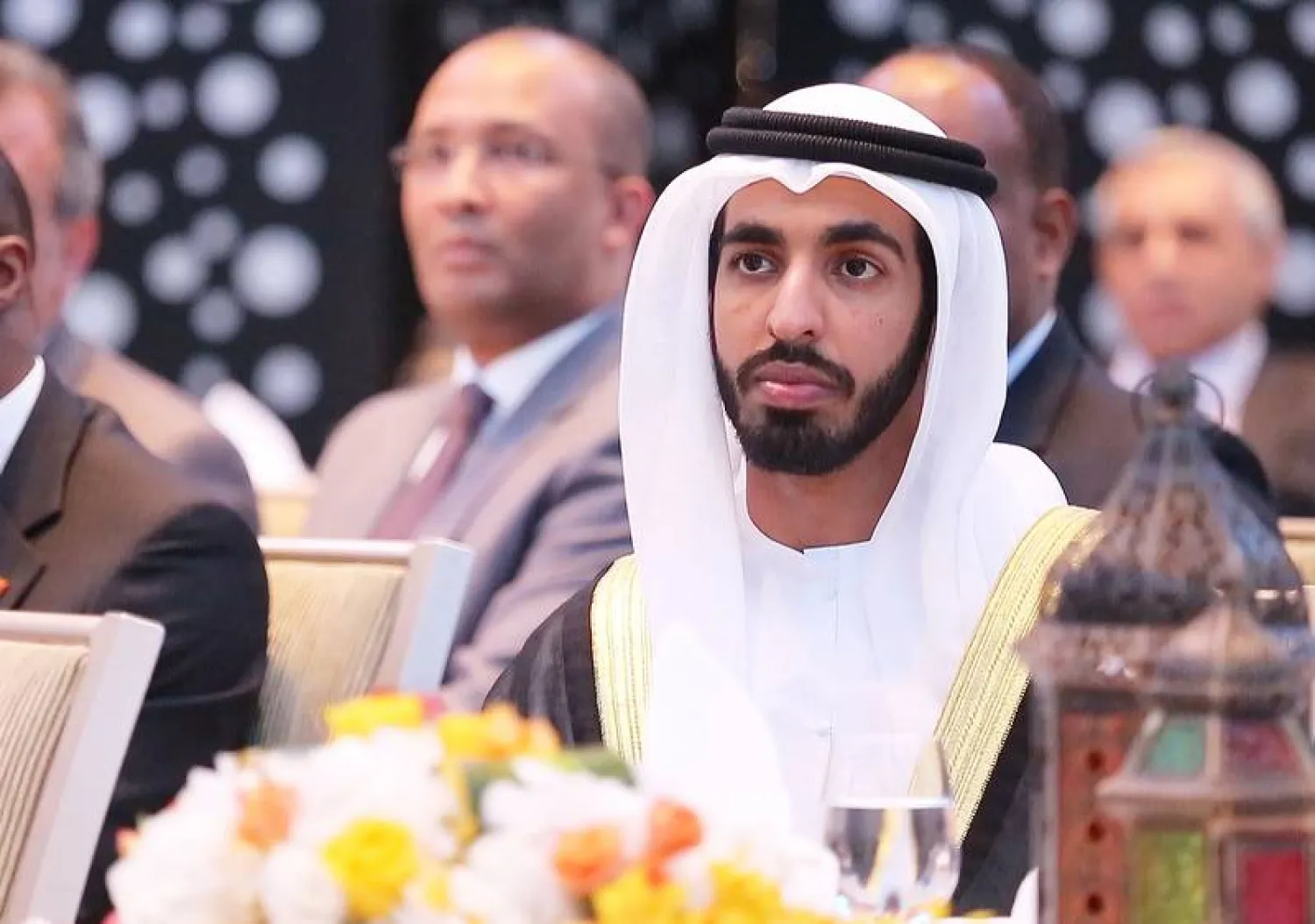
Sheikh Shakhbut bin Nahyan, Minister of State, called on the international community to take decisive steps against the Houthis. Photo: Wam
TT

UAE Urges International Community to Pressure Yemen’s Houthi Militias

Sheikh Shakhbut bin Nahyan, Minister of State, called on the international community to take decisive steps against the Houthis. Photo: Wam

UAE Minister of State Sheikh Shakhbut bin Nahyan Al Nahyan reiterated his country’s call on the international community to take decisive and serious steps to pressure the Houthi terrorist group.

Sheikh Shakhbut stressed that the international community must consider the reasons that led to the deteriorating situation in Yemen.

He cited several major reasons, including the group’s rejection of any political settlement, refusal to sit with the United Nations Special Envoy to Yemen and discarding negotiations as the only means to achieve peace.

The Minister lauded the UN Security Council’s terrorist designation of the Iran-backed Houthi militias, as well as the UN expert team’s documentation of many Houthi violations.

He made his remarks during a high-level pledging event on the Humanitarian Crisis in Yemen, co-chaired by the Swedish and Swiss governments, as well as the United Nations Office for the Coordination of Humanitarian Affairs. Ministers from a dozen countries and representatives of international organizations and NGOs took part in the event, which was held in a hybrid format in Geneva.

Sheikh Shakhbut underlined the impact of the group’s terrorist acts on Yemenis, especially children, who are being recruited to fight in battles, in addition to its hindering of aid delivery to the citizens and brutal attacks on civilians in Yemen and abroad.

“As a result of this blatant intransigence and blatant violation of the international law, the war has continued, adding to the suffering of the Yemeni people,” Sheikh Shakhbut stated.

The United Arab Emirates supports the UN efforts to provide basic needs for Yemenis, he affirmed, noting that it intends to work with relevant parties and international partners to accelerate the recovery and development in the war-torn country.

Since 2015, the UAE has provided Yemen with over $6.3 billion in foreign aid, focusing on the provision of food, health services and water, in addition to ensuring the continuity of providing public services, such as education and electricity, especially to the most vulnerable segments of society, particularly women and children.


Missile Debris Kills One in Abu Dhabi as Iran Presses Gulf Attacks

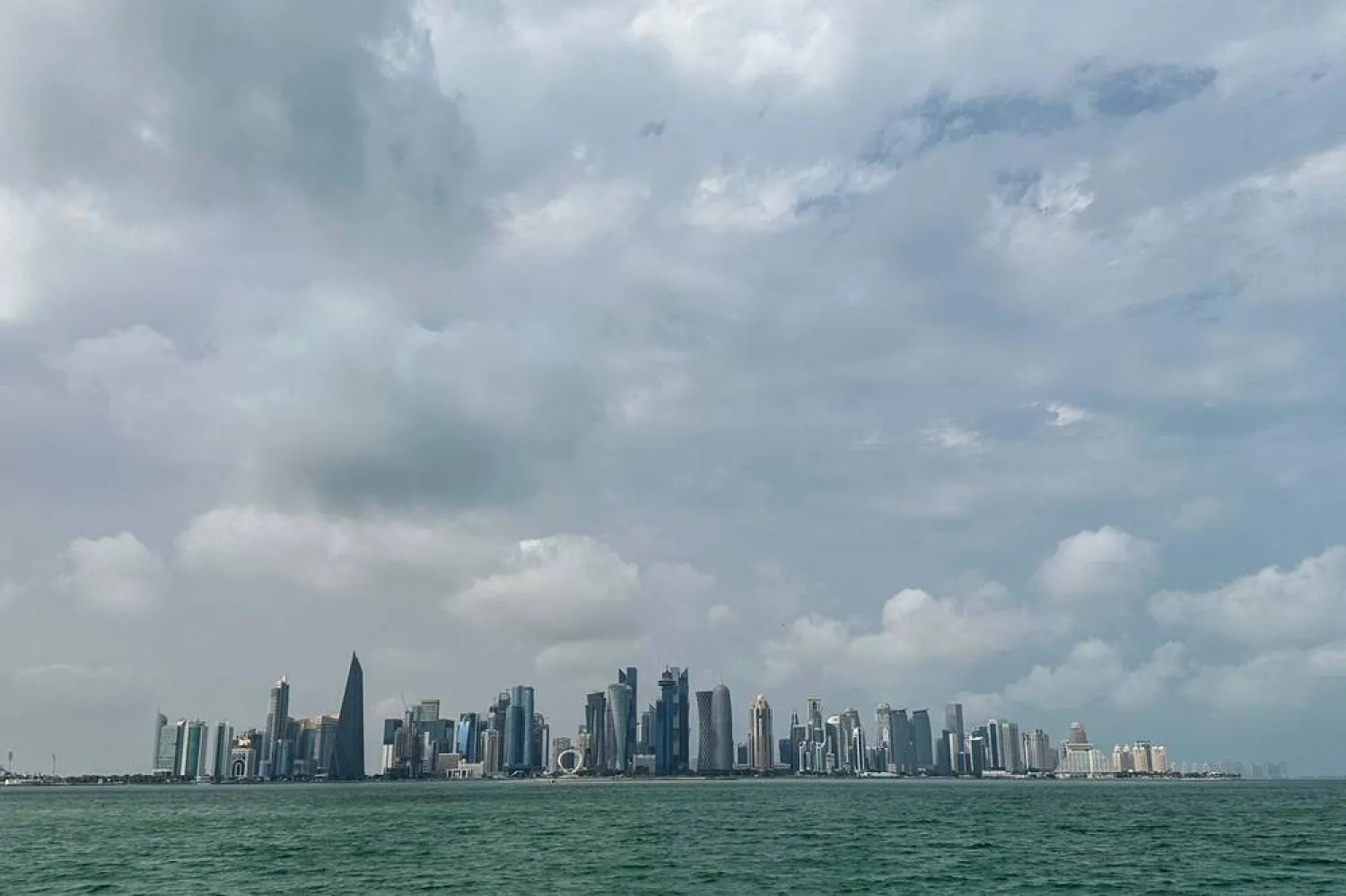
A photograph shows Doha's skyline on March 10, 2026. (AFP)
TT

Missile Debris Kills One in Abu Dhabi as Iran Presses Gulf Attacks

A photograph shows Doha's skyline on March 10, 2026. (AFP)

Falling debris from a missile intercept killed one person on Tuesday in the Emirati capital of Abu Dhabi and injured two medical staff in Kuwait, authorities said, as Iran pressed its attacks against Gulf countries. 

The Gulf has borne the brunt of Iran's attacks in response to US-Israeli strikes that sparked the Middle East war, with Tehran targeting US assets but also civilian infrastructure. 

Debris fell in the Bani Yas area "following the interception of a ballistic missile by air defenses", the Abu Dhabi Media Office said on X. 

The day before a Palestinian national was killed on the edge of the city when a missile hit his car. 

As well as hitting ports, airports, residential buildings and hotels along with military sites across the region, Iran has also struck energy facilities across the Gulf. 

On the east coast of the country, the oil industrial zone of Fujairah was hit on Tuesday morning, sparking a fire but causing no injuries, local authorities said. 

It was the second day in a row that the site was hit, with a source telling AFP on Monday that oil storage loading had been shut down by an attack. 

In Kuwait, two medical staff were injured when shrapnel fell on an emergency medical center where they were working, the state's health ministry said. 

An AFP journalist heard several explosions in Doha on Tuesday and Qatar's defense ministry said it had intercepted a missile attack. 

Later, the country's civil defense said it was dealing with a minor fire in an industrial area following the interception, with no injuries reported. 

In nearby Dubai, an AFP journalist heard three explosions after a mobile phone alert warned residents of the United Arab Emirates' most populous city to "immediately seek a safe place" because of "potential missile threats". 

Iran has fired more than 1,900 missiles and drones at the UAE, more than any other country targeted by Tehran since the start of the war. 

The strikes have upended travel plans in the financial hub, despite its air defense intercepting the vast majority of projectiles. 


Saudi Arabia, Kuwait Stress Importance of Security Coordination, Integration

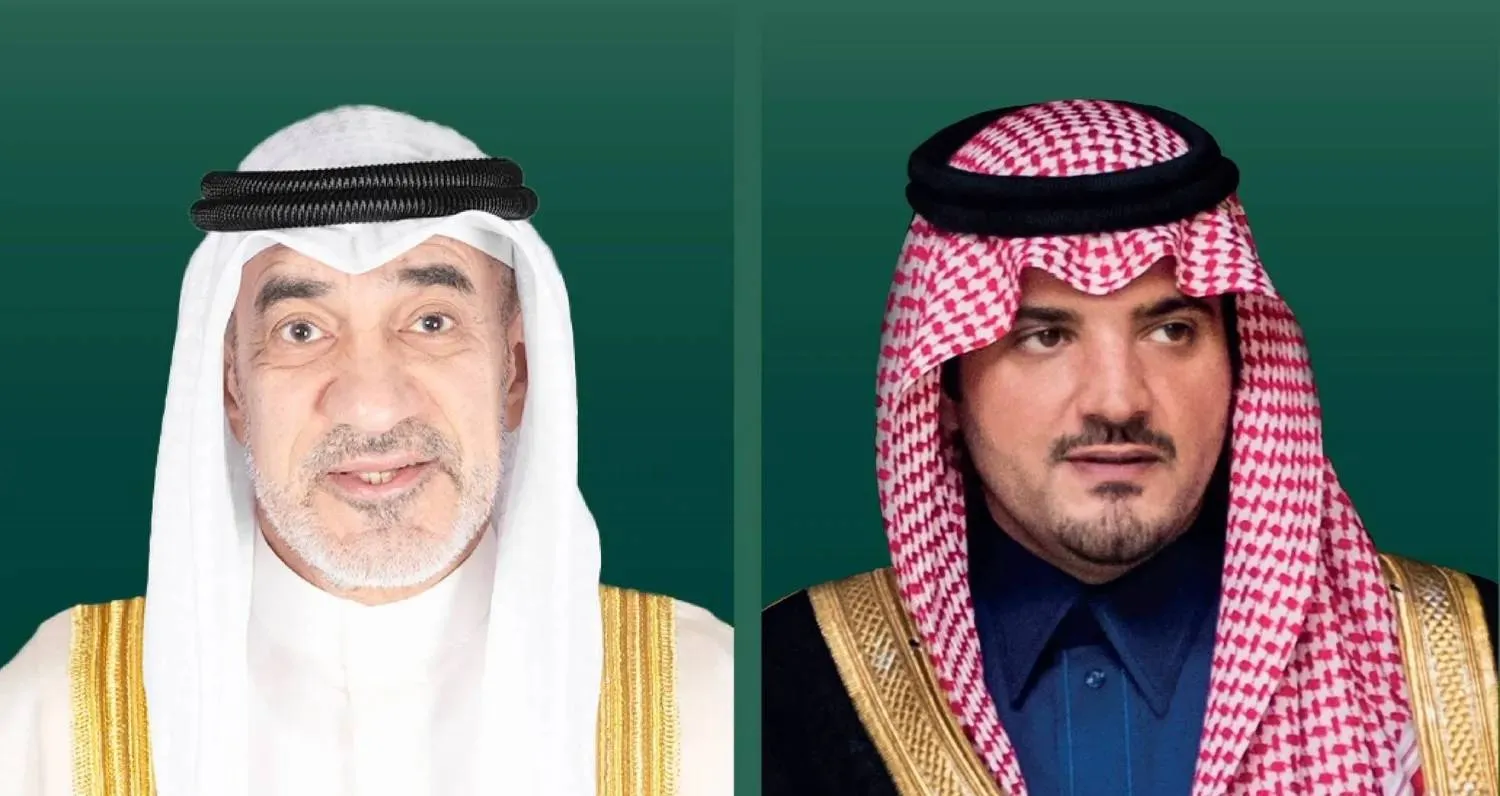
Saudi Minister of Interior Prince Abdulaziz bin Saud bin Naif bin Abdulaziz and Kuwaiti First Deputy Prime Minister and Interior Minister Sheikh Fahad Yusuf Saud Al Sabah. (Saudi Interior Ministry)
TT

Saudi Arabia, Kuwait Stress Importance of Security Coordination, Integration

Saudi Minister of Interior Prince Abdulaziz bin Saud bin Naif bin Abdulaziz and Kuwaiti First Deputy Prime Minister and Interior Minister Sheikh Fahad Yusuf Saud Al Sabah. (Saudi Interior Ministry)

Saudi Minister of Interior Prince Abdulaziz bin Saud bin Naif bin Abdulaziz held telephone talks on Tuesday with Kuwaiti First Deputy Prime Minister and Interior Minister Sheikh Fahad Yusuf Saud Al Sabah on the importance of continued coordination, cooperation and integration between their countries to bolster security and stability.

They reviewed the current regional developments and their security implications amid Iran’s malicious attacks against Gulf countries and the region.

Prince Abdulaziz stressed Saudi Arabia’s solidarity with Kuwait and support for all the measures it takes to preserve its security and stability.


Saudi, Egyptian FMs Discuss Regional De-Escalation Efforts

Saudi Foreign Minister Prince Faisal bin Farhan bin Abdullah and his Egyptian counterpart Badr Abdelatty meet in Riyadh on Monday. (SPA)
TT

Saudi, Egyptian FMs Discuss Regional De-Escalation Efforts

Saudi Foreign Minister Prince Faisal bin Farhan bin Abdullah and his Egyptian counterpart Badr Abdelatty meet in Riyadh on Monday. (SPA)

Saudi Foreign Minister Prince Faisal bin Farhan bin Abdullah received in Riyadh on Monday his Egyptian counterpart Badr Abdelatty for talks on bilateral relations and the latest developments in the region.

The tackled efforts to de-escalate the tensions to help restore regional security and stability.

They reiterated their condemnation of Iran’s malicious attacks against the Kingdom and several Arab countries.

Earlier, Prince Faisal held telephone talks with United Arab Emirates Deputy Prime Minister and FM Sheikh Abdullah bin Zayed Al Nahyan.

They discussed regional developments amid Iran’s unjustified attacks against Gulf countries, as well as means to consolidate security and stability in the Middle East.