


Omanis Elect Municipal Councils

Omanis elected their municipal representatives via the Intakhib phone application (ONA)
TT

Omanis Elect Municipal Councils

Omanis elected their municipal representatives via the Intakhib phone application (ONA)

Omanis accessed their smartphones to elect members of the municipal councils for the third term.

Just before polls closed, turnout was just over 40 percent, as 288,460 of the 731,767 eligible voters chose 126 representatives from the 696 candidates.

The Minister of Interior, Hammoud Faisal al-Busaidi, met the committee for the elections of municipal representatives and was briefed on the progress of the electoral process.

The Undersecretary of the Ministry of Interior and Chairman of the Main Committee for Third Term Municipal Councils' Elections, Khalid Hilal al-Busaidi, announced the winners of the elections on Sunday evening.

Busaidi told Asharq Al-Awsat that the municipal council elections' voting process was smooth and easy, without any significant issues.

He indicated that the authorities wanted to ensure the process was done via the latest voting technologies, and the best technical solutions would be adopted for sorting, counting, and announcing results.

The municipal elections grant citizens greater powers in development and partnership in decision-making.

Omani women recorded a narrow victory in these elections.

The Interior Ministry had previously developed electronic methods to facilitate the ballot count, allowing for a quick announcement of results. People voted in person, and the votes were counted electronically.

Despite the use of mobile phones, voter turnout was similar to the municipal council elections in 2016, which stood at 39.80 percent.

The "Intakhib" application was designed according to security standards, with full confidentiality within the election process. It aims to make casting votes an easy and convenient operation.

The process requires a smartphone equipped with the NFC feature, a connection to the Internet, and a valid personal card. The voter must also be registered in the electoral register.

The Oman Human Rights Commission praised the election process, noting that e-vote allowed all citizens to exercise their rights.

The municipal council extends for four years and consists of a chairman and members appointed by their job descriptions and elected members representing the states affiliated to the governorate, with two members from each state.

According to Article 21 of the municipal law, the city councils are concerned with reviewing draft development plans within the scope of the governorate, development projects, services, urban programs, and the governorate's public utilities and services.

It is also concerned with making recommendations related to public health, proposing regulations for health requirements for activities related to public health, and participating with the competent authorities in determining development projects and structural and public urban plans.

The councils also decide on unique plans in residential, commercial, industrial, and tourist areas and organize cultural, entertainment, and tourism events.

It is also concerned with approving programs to help eligible groups, caring for orphans and people with disabilities in coordination with the concerned authorities, and proposing programs to help those affected by natural disasters and climatic conditions.



Makkah Deputy Governor Carries Out Field Inspection of Grand Mosque Readiness for Ramadan 

Deputy Governor of the Makkah Region Prince Saud bin Mishaal bin Abdulaziz is seen during his inspection tour at the Grand Mosque in the holy city of Makkah. (SPA)
TT

Makkah Deputy Governor Carries Out Field Inspection of Grand Mosque Readiness for Ramadan 

Deputy Governor of the Makkah Region Prince Saud bin Mishaal bin Abdulaziz is seen during his inspection tour at the Grand Mosque in the holy city of Makkah. (SPA)

Deputy Governor of the Makkah Region Prince Saud bin Mishaal bin Abdulaziz inspected the readiness of the Grand Mosque and its facilities, conducting a field tour to review operational and service preparations for receiving worshippers and Umrah performers during the holy month of Ramadan, reported the Saudi Press Agency on Tuesday.

Prince Saud was briefed on the operational plans implemented by the relevant authorities, including crowd management mechanisms, service enhancements, and facility preparations aimed at ensuring smooth movement and enhancing comfort and safety levels for visitors to the Grand Mosque, particularly during peak times.

He reviewed developmental initiatives and smart services supporting the operational system, notably electric mobility carts for transporting the elderly, persons with disabilities, and those in need of assistance within the Grand Mosque.

The tour also included an overview of the efforts of guidance teams deployed across the corridors and courtyards of the Grand Mosque, providing multilingual assistance and direction.

Prince Saud reviewed the interactive map and digital mobility platform, which allows visitors to plan their routes in advance and identify service locations, entrances and exits, and less crowded pathways.

He was briefed on crowd management systems, including the visitor density sensor platform that measures human density in real time, and the Tawaf and Sa’i crowd status display service, which allows worshippers to select appropriate times to perform rituals with ease. Models of the modern multilingual guidance system were also reviewed.

Prince Saud also visited the Smart Engineering Command and Control Center, which serves as an advanced central platform linking operational systems and monitoring performance in real time, boosting operational efficiency and raising readiness levels during Ramadan.


Saudi Leadership Provides Two Donations Worth SAR150 Mln Through Jood Eskan Platform

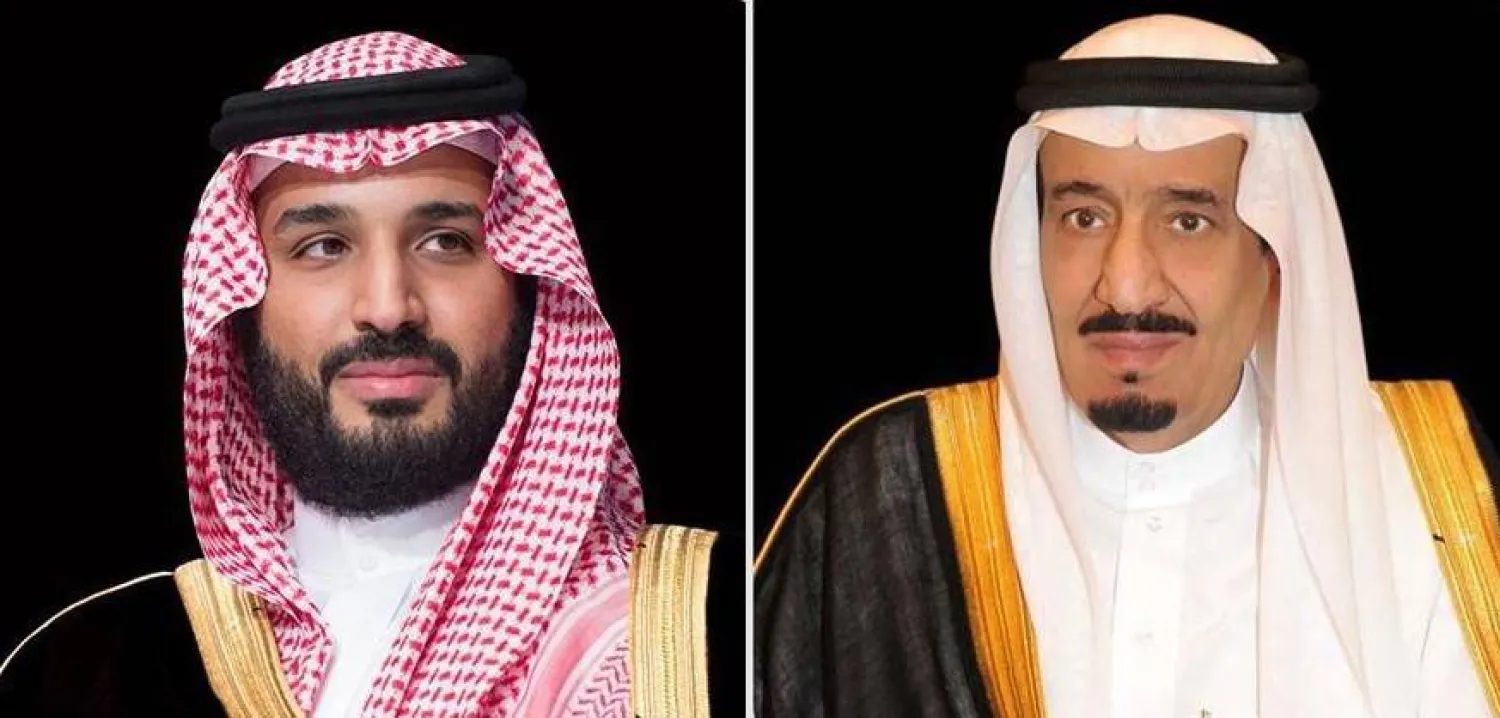
Custodian of the Two Holy Mosques King Salman bin Abdulaziz Al Saud and Prince Mohammed bin Salman bin Abdulaziz Al Saud, Crown Prince and Prime Minister. (SPA)
TT

Saudi Leadership Provides Two Donations Worth SAR150 Mln Through Jood Eskan Platform

Custodian of the Two Holy Mosques King Salman bin Abdulaziz Al Saud and Prince Mohammed bin Salman bin Abdulaziz Al Saud, Crown Prince and Prime Minister. (SPA)

Custodian of the Two Holy Mosques King Salman bin Abdulaziz Al Saud and Prince Mohammed bin Salman bin Abdulaziz Al Saud, Crown Prince and Prime Minister, have provided two generous donations amounting to SAR150 million through the Jood Eskan platform.

The move aligns with the leadership's commitment to supporting all national efforts and initiatives to provide suitable housing for deserving families.

Minister of Municipalities and Housing and Chairman of the Board of Trustees of the Developmental Housing Foundation (Sakan) Majed Al-Hogail expressed his deep gratitude to the leadership for its unwavering support to all national efforts and initiatives aimed at providing suitable housing for eligible families across the Kingdom.

He noted the effective impact of previous generous donations in achieving the goals of housing development, and motivating individuals and institutions to donate through the Jood Eskan platform that is based on community giving that helps provide decent housing and boosts stability and quality of life for deserving families.


Saudi Crown Prince Receives Message on Bilateral Ties from President of Kazakhstan

Prince Mohammed bin Salman bin Abdulaziz Al Saud, Saudi Crown Prince and Prime Minister. (SPA file)
TT

Saudi Crown Prince Receives Message on Bilateral Ties from President of Kazakhstan

Prince Mohammed bin Salman bin Abdulaziz Al Saud, Saudi Crown Prince and Prime Minister. (SPA file)

Prince Mohammed bin Salman bin Abdulaziz Al Saud, Saudi Crown Prince and Prime Minister, received on Tuesday a written message from President of Kazakhstan Kassym-Jomart Tokayev on bilateral relations between their two countries.

The message was received by Minister of Foreign Affairs Prince Faisal bin Farhan bin Abdullah during a meeting with his Kazakh counterpart Yermek Kosherbayev in Riyadh.