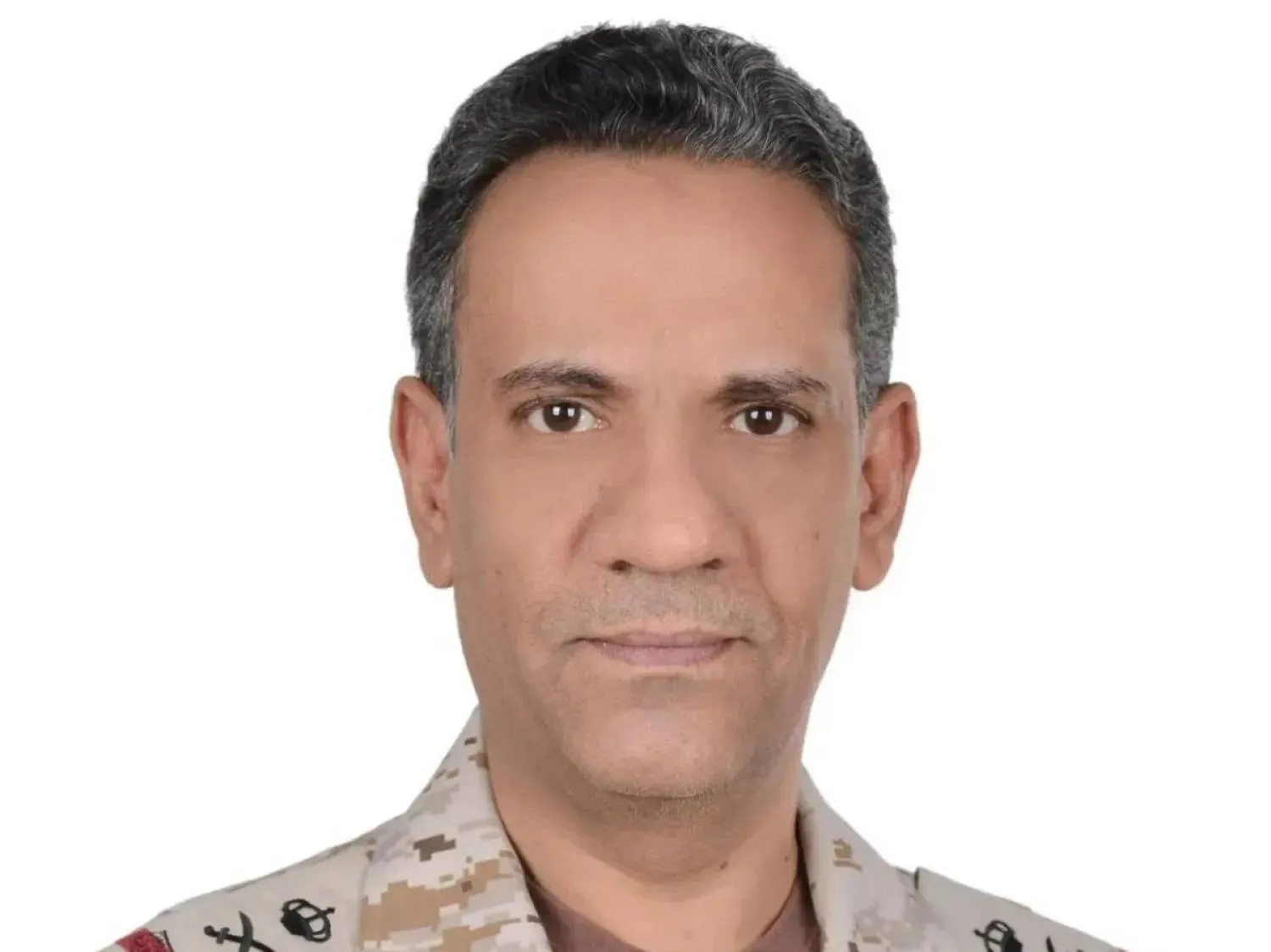
Gulf Cooperation Council (GCC) Secretary-General Jasem Mohamed Albudaiwi has stressed the importance of strengthening regional and international efforts to address challenges and promote security, stability, and prosperity in the region and worldwide
He noted that the security and stability of the Arabian Gulf and Mediterranean regions are two fundamental pillars of international security and stability.
Albudaiwi made the remarks during his address at the opening session, titled "Building a New Architecture for Cooperation in the Wider Mediterranean," as part of the Mediterranean Dialogues 2026 Forum, held on Thursday at the Royal Palace in Naples, Italy, under the patronage and in the presence of Italian Deputy Prime Minister and Minister of Foreign Affairs and International Cooperation Antonio Tajani.
The forum brought together foreign ministers, senior officials, and political and diplomatic figures.
Albudaiwi thanked Tajani, the Italian government, and the Italian Institute for International Political Studies (ISPI) for organizing the forum. He commended Italy's role in promoting international dialogue and cooperation and strengthening partnerships between the Arabian Gulf and Mediterranean countries.
He expressed his sincere appreciation and gratitude to Mediterranean countries for their steadfast solidarity with GCC member states in confronting the Iranian attacks against them, as well as the terrorist attacks launched by Houthi militias against Saudi Arabia. He stressed that these positions reflect the depth of friendship and cooperation between the two sides and demonstrate the importance of international solidarity in confronting threats to nations' security, sovereignty, and stability.
Albudaiwi explained that Gulf-Mediterranean relations are witnessing growing development, reflecting a shared recognition of the importance of integration between the two regions.
He noted that the memorandum of understanding signed last July between the GCC General Secretariat and the Italian Ministry of Foreign Affairs and International Cooperation on strategic dialogue and economic cooperation represents an important step toward expanding the partnership between the two sides.
The GCC Secretary-General emphasized that the Arabian Gulf and Mediterranean regions are no longer separate in terms of their interests and challenges but have become an interconnected strategic space united by vital interests in energy, trade, investment, maritime corridors, and people-to-people exchanges.
He said the proposed joint ministerial trade meeting between the GCC and the Group of Nine Mediterranean EU Member States (Med9), scheduled for January, would help open broader avenues for trade and investment cooperation and strengthen economic integration between the two sides.
Albudaiwi also referred to his participation in the Union for the Mediterranean ministerial meeting in Barcelona, stressing that it reflects the GCC's commitment to developing its relations with Mediterranean countries and turning geographical proximity and shared interests into a sustainable strategic partnership that fulfills the aspirations of both sides.
Discussing the future of Gulf-Mediterranean cooperation, the Secretary-General outlined three fundamental pillars that he considers essential for establishing a more effective framework for cooperation between the two regions.
He explained that the first pillar involves building on and further developing existing partnerships and agreements. He said Gulf-European relations rest on solid institutional foundations, most notably the cooperation agreement signed in 1989, the first GCC-EU Summit held in Brussels, the Joint Action Plan, structured security dialogues, regular ministerial meetings, and growing cooperation in energy, economic connectivity, and people-to-people exchanges.
Albudaiwi stressed that the next phase does not require establishing new frameworks as much as strengthening connections between existing cooperation mechanisms and providing them with the political and strategic momentum needed to expand their scope and maximize their outcomes.
Regarding the second pillar, he emphasized that security and economic prosperity have become inseparable, explaining that the repercussions of regional crises are no longer confined to their geographical boundaries but extend to the global economy, energy markets, supply chains, and food security.
He noted that developments in the Arabian Gulf region have affected energy prices in Europe, supply chains across the Mediterranean, and food security in Africa. He stressed that ensuring freedom of navigation through the Strait of Hormuz, Bab al-Mandeb Strait, and Suez Canal is a shared international interest rather than merely a regional concern.
The Secretary-General emphasized that GCC member states have consistently pursued policies based on de-escalation, dialogue, and diplomacy, while supporting mediation efforts, humanitarian responses, and stability in neighboring countries.
He stressed that any effective regional security framework must be based on the principles of international law, respect for state sovereignty, and non-interference in internal affairs.
Regarding the Palestinian issue, Albudaiwi reiterated that lasting security and stability in the region cannot be achieved without a just and comprehensive solution to the Palestinian issue based on the two-state solution and the establishment of an independent Palestinian state along the June 4, 1967 borders, with East Jerusalem as its capital.
Turning to the third pillar, he explained that it centers on achieving balance and parity in strategic partnerships. He emphasized that GCC member states are reliable partners for Mediterranean countries because of their pivotal role in global energy markets, international investments, and their strategic geographic position connecting Europe with Asia and Central Asia through economic and trade corridors.
He stressed that the success of this partnership requires clear, stable rules; fair market-access opportunities; and facilitation of the movement of citizens and businesses, alongside prior consultation and coordination on policies and decisions with shared implications. These measures would ensure mutual interests are served and strengthen trust between partners.
The GCC Secretary-General also emphasized the important role that EU countries bordering the Mediterranean can play in supporting Gulf-European relations within European Union institutions and ensuring that the GCC is treated as a key strategic partner in matters of security, stability, and economic development.
Albudaiwi also affirmed that the historical ties and shared interests between Arabian Gulf and Mediterranean countries provide a solid foundation for building a more secure and prosperous future.
He stressed that shared political will is the decisive factor in transforming closer relations between the two regions into practical partnerships and tangible results.
He also reaffirmed the readiness of GCC member states to advance cooperation with Mediterranean partners and further develop frameworks for political, security, and economic partnerships in ways that serve shared interests and support efforts to achieve security, stability, and sustainable development in the region and the world.