


Saudi Al-Soudah Festival Attracts over 12,000 Visitors Daily

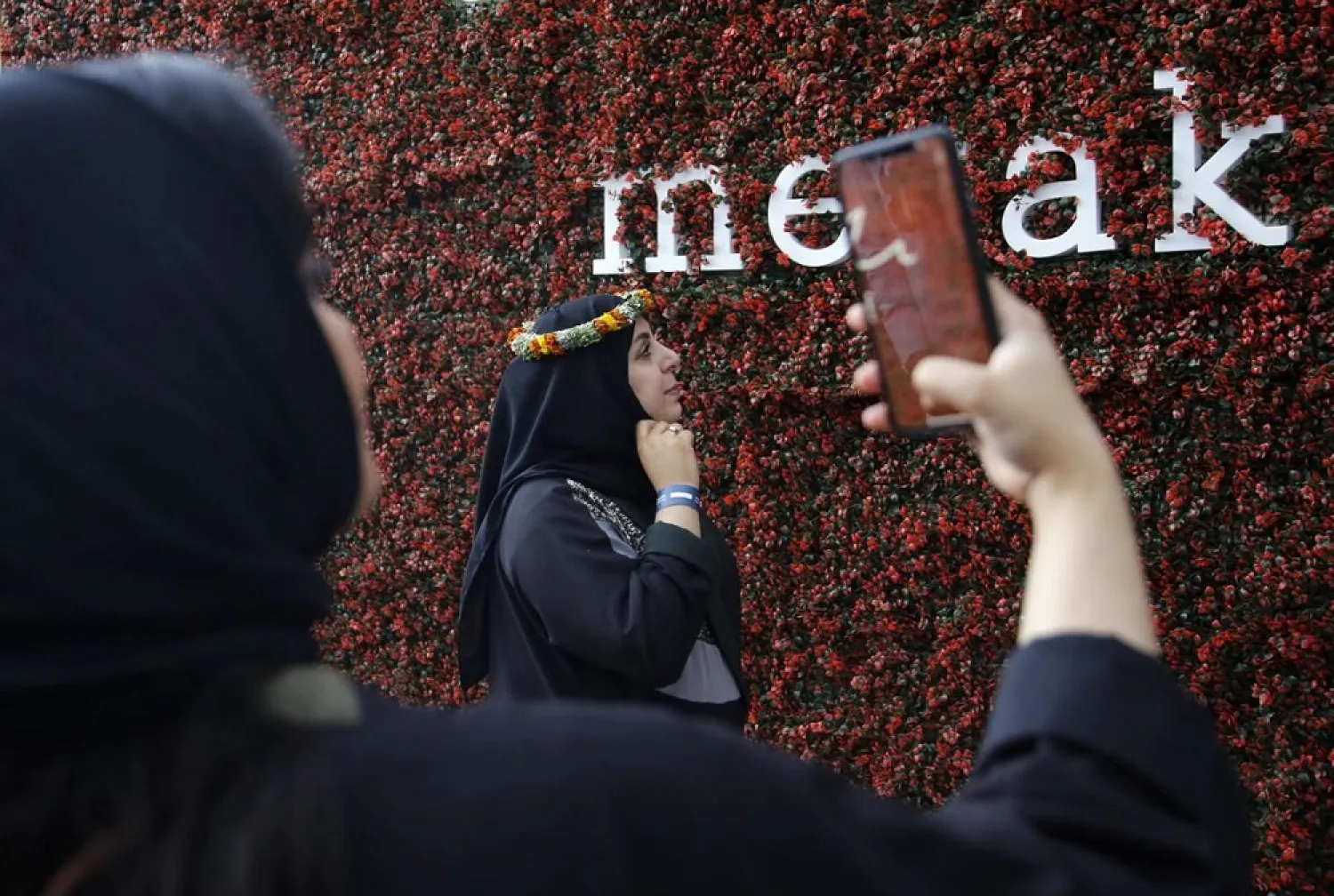
In this August 22, 2019 photo, a Saudi woman poses for a picture as she wears a colorful flower crown native to the region during the al-Soudah festival in Abha, southwest Saudi Arabia. (AP)
TT

Saudi Al-Soudah Festival Attracts over 12,000 Visitors Daily

In this August 22, 2019 photo, a Saudi woman poses for a picture as she wears a colorful flower crown native to the region during the al-Soudah festival in Abha, southwest Saudi Arabia. (AP)

Atop a string of green mountains in Saudi Arabia, the monthlong al-Soudah festival drew a medley of yoga enthusiasts, extreme adventure seekers, tourists and traditional Saudi families — many wearing colorful flower crowns native to the region.

The festival, which ran throughout the month of August, gave visitors a chance to experience a unique region in Saudi Arabia and take part in outdoor sports like hiking, mountain biking, paragliding, horseback riding, zip lining and bungee jumping. Thousands also attended concerts by Middle Eastern superstars.

The festival attracted between 12,000 and 15,000 visitors per day, said Husameddin al-Madani, who oversaw the event. Most visitors to the festival were Saudi citizens, but it also drew foreign tourists.

The weather in August in the village of al-Soudah, located in the southwest Asir province, is a comfortable 22 degrees Celsius in August, unlike the capital, Riyadh, or the coastal city of Jeddah, where temperatures exceed 43 degrees Celsius throughout the summer. In the winter, parts of the mountain range see snow.

Al-Soudah sits on part of the Sarawat Mountain range in the southwest of the Arabian Peninsula, some 3,000 meters above sea level. Its highlands are covered in the green of juniper trees. The area is also home to baboons, who were kept away from the festival with help from Human Wildlife Solutions based in Cape Town, South Africa.

Jeddah city resident Noura al-Moammar said she was surprised by the region's climate.

"I never thought, honestly, that my country is that rich with nature," she said, according to The Associated Press. "It's amazing for us to discover and see the different cultures and landscapes and weather in our beautiful Saudi."

In the nearby village of Rijal Almaa, the men wore flower crowns, or garlands, made from local flowers and herbs. Visitors here were treated to garlands of their own, local tribal dances, coffee, tea and evening lightshows displayed on the village's 500-year-old distinct natural clay, stone and wood structures.

The festival also drew extreme sports enthusiasts, including wingsuit base jumpers. Saudi media reported that British adventurer and astronautical engineer Angelo Grubisic died during a jump off the side of a cliff at the festival when he experienced difficulties reaching the landing site at speeds of around 160 kilometers (100 miles) per hour.

"Coming from America, there's obviously a lot of misconceptions ... but I'm here to show and prove it's nothing but incredible ... I hope everybody gets a chance to visit this place one day," said Paris Verra, a 24-year-old American visitor.

So serene was the vibe at the festival that Alwaleed al-Keaid, who runs a Saudi hiking company, led morning mediations atop the mountain.

"We start our mornings with a mediation session in this gorgeous environment where we thank God for this blessing and meditate," he said. "When we're done, we try the local bread with honey... and help people enjoy nature, forget about the rest of the world and live in the moment."

The festival also had its share of glitz and glamour with concerts by Middle Eastern mega stars, including Emirati singer Ahlam and Iraqi singer Kazem al-Saher. Their performances drew thousands of fans and al-Saher's concert alone generated 1.5 million Saudi riyals ($400,000) in ticket sales, festival organizers said.

The al-Soudah festival is one of 11 taking place in different parts of the country this year. The initiative, dubbed Saudi Seasons, is aimed at developing tourism and providing Saudis with temporary and permanent jobs.

Al-Madani, the CEO of the al-Soudah festival, said at least 515 young men and women were hired from the local community to assist in the monthlong event. Local businesses also got a boost by contributing to food trucks and other services.



Caffeinated Beverages May Help Protect the Brain, Study Says

A cup of coffee and a cappuccino are seen at a Juan Valdez store in Bogota, Colombia June 5, 2019. (Reuters)
TT

Caffeinated Beverages May Help Protect the Brain, Study Says

A cup of coffee and a cappuccino are seen at a Juan Valdez store in Bogota, Colombia June 5, 2019. (Reuters)

Drinking a few cups of caffeinated coffee or tea every day may help in a small way to preserve brain power and prevent dementia, researchers reported on Monday.

People with the highest daily intake of caffeinated coffee had an 18% lower risk of developing dementia compared to those with the lowest such intake, according to a study based on responses to questionnaires by 132,000 U.S. adults spanning four decades.

The study, published in JAMA, also found that the people with the highest intake had a lower rate - by nearly 2 percentage points - of ‌self-perceived memory ‌or thinking problems compared to those with ‌the ⁠lowest intake.

Results were ‌similar with caffeinated tea, but not with decaffeinated beverages, the researchers said.

While the findings are encouraging, the study does not prove caffeine helps protect the brain, they said.

The magnitude of caffeine's effect, if any, was small, and there are other better-documented ways to protect cognitive function as people age, study leader Dr. Daniel Wang ⁠of Harvard Medical School said in a statement.

Lifestyle factors linked with lower risks of ‌dementia include physical exercise, a healthy diet ‍and adequate sleep, according to previous ‍research.

"Our study suggests that caffeinated coffee or tea consumption can ‍be one piece of that puzzle," Wang said.

The findings were most pronounced in participants who consumed two to three cups of caffeinated coffee or one to two cups of caffeinated tea daily, the researchers reported.

Those who drank caffeinated coffee also showed better performance on some objective tests of cognitive function, according to the ⁠study funded by the National Institutes of Health.

Further research is needed to validate the factors and mechanisms responsible for the findings, the researchers said.

They noted that bioactive ingredients in coffee and tea such as caffeine and polyphenols have emerged as possible factors that reduce nerve cell inflammation and damage while protecting against cognitive decline.

"We also compared people with different genetic predispositions to developing dementia and saw the same results - meaning coffee or caffeine is likely equally beneficial for people with high and low genetic risk of developing ‌dementia," study coauthor Dr. Yu Zhang of the Harvard T.H. Chan School of Public Health said in a statement.


AlUla Announces Exceptional Ramadan Experiences

These programs come as part of efforts to enhance AlUla’s tourism experience - SPA
TT

AlUla Announces Exceptional Ramadan Experiences

These programs come as part of efforts to enhance AlUla’s tourism experience - SPA

AlUla Governorate is welcoming the holy month of Ramadan this year with a wide range of diverse tourism experiences that reflect the area’s distinctive character and rich cultural heritage, reinforcing its position as one of the Kingdom’s most prominent destinations to visit during the holy month.

During Ramadan, AlUla offers an integrated experience catering to different visitor preferences, including guided stargazing experiences, cultural events, and night markets, in addition to traditional dining experiences for Iftar and Suhoor, embodying the depth of AlUla’s cultural heritage and local identity.

The Ramadan programs in AlUla include a variety of standout events, such as Ramadan experiences at Maraya Hall, a cultural market, and live performances in the atmosphere of Ashar Valley, alongside heritage tours in AlUla Old Town that narrate stories of AlUla and its Ramadan customs, including the award-winning Incense Road Experience, SPA reported.

The programs also feature seasonal art exhibitions hosted across multiple cultural venues, including Design Space AlUla, the fourth edition of Desert X AlUla, and the Arduna exhibition at AlUla Oasis, in addition to experiences combining art, nature, and stargazing at Daimumah Oasis in collaboration with AlUla Manara.

Visitors are also offered tours to prominent archaeological sites, including Hegra, Dadan, and Jabal Ikmah, to explore ancient sites dating back centuries BCE and view unique rock inscriptions, as well as adventure experiences ranging from dinner and stargazing in Sharaan, hot-air balloon rides, mountain hiking trails, and safari tours.

These programs come as part of efforts to enhance AlUla’s tourism experience during the holy month of Ramadan and provide diverse options that meet visitor expectations, contributing to the growth of tourism activity and showcasing the governorate’s natural and cultural assets.


NCW Releases over 10,000 Animals under Reintroduction Programs

The releases carried out by the center over the past years included more than 80 priority wildlife species - SPA
TT

NCW Releases over 10,000 Animals under Reintroduction Programs

The releases carried out by the center over the past years included more than 80 priority wildlife species - SPA

The National Center for Wildlife (NCW) announced that the total number of wildlife animals released under its breeding and reintroduction programs for locally threatened species has exceeded 10,000 animals, an achievement reflecting the scale of the center’s sustained efforts to develop wildlife, restore ecosystems, and enhance biodiversity across various regions of the Kingdom.

The releases carried out by the center over the past years included more than 80 priority wildlife species, including reem gazelles (sand gazelles), Arabian oryx, Idmi gazelles, mountain ibex, houbara bustards, ostriches, and sandgrouse, as part of efforts aimed at supporting the recovery of natural populations of these species and enhancing their sustainability within their environmental and historical ranges, SPA reported.

CEO of NCW Dr. Mohammad Qurban noted that release operations are among the key tools for restoring ecosystems and reducing ecological imbalance, as the return of wildlife to their natural habitats contributes to protecting biodiversity and improving environmental quality, which in turn supports habitat integrity, the continuity of plant and animal components, and the enhancement of ecosystem functions over the long term.

NCW continues to implement its strategic plans to develop wildlife, protect endangered species, and enhance the efficiency of natural habitat management through expanding breeding programs, enhancing applied scientific research, building national capacities, and applying the best international practices in biodiversity management, in addition to raising environmental awareness, engaging local communities, and supporting eco-tourism, thereby contributing to achieving the objectives of the Saudi Green Initiative and Saudi Vision 2030, and the National Environment Strategy, toward thriving and sustainable wildlife, biodiversity, and ecosystems.