


Let the Fashion Policing Begin on Opening Day of Tokyo Games

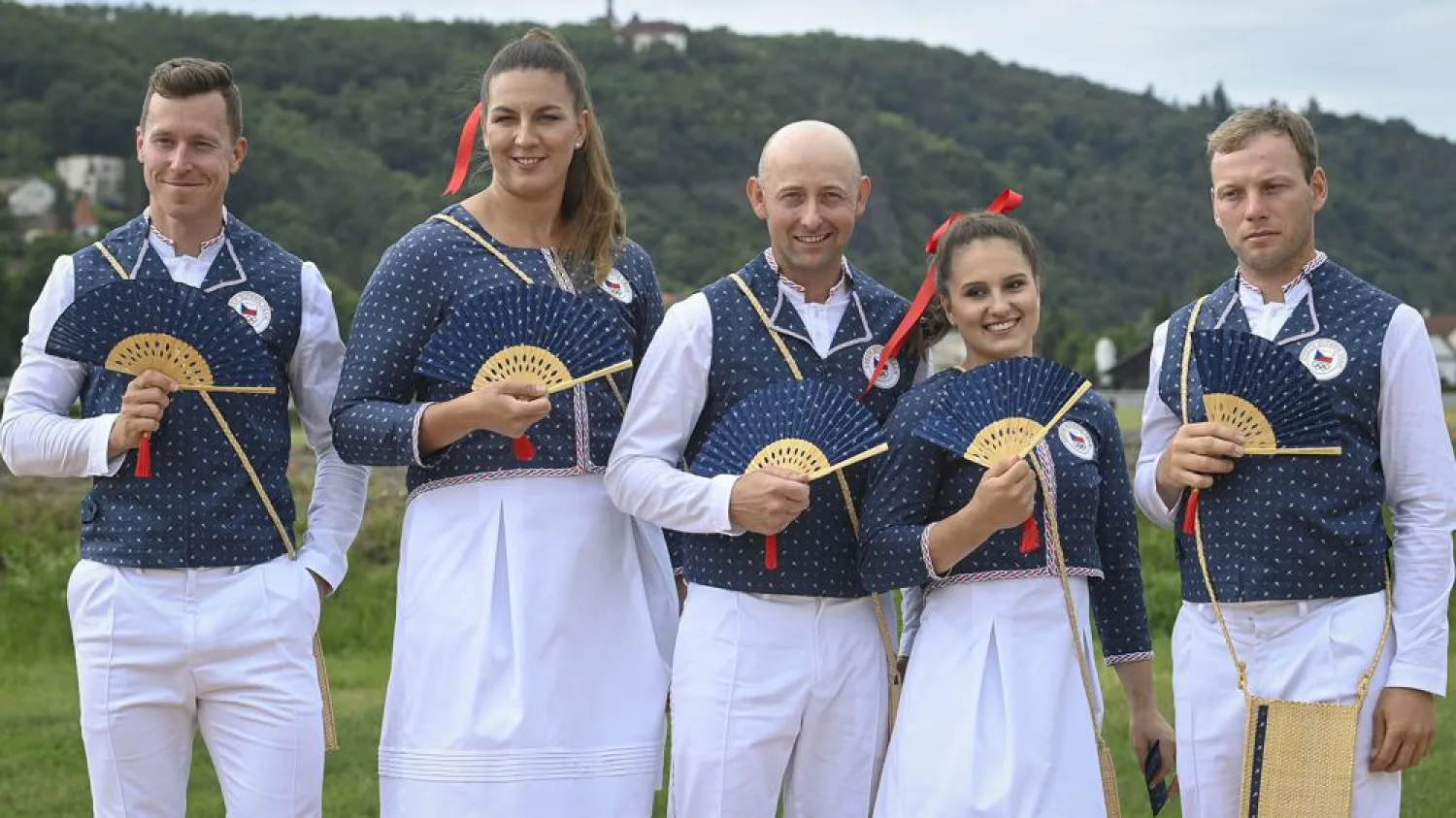
From left, Czech track cyclist Tomas Babek, hammer thrower Katerina Safrankova, rider Miroslav Trunda, artistic gymnast Aneta Holasova and rider Miloslav Prihoda, pose wearing the new Olympic uniforms for The Tokyo Olympic Summer Games 2020, in Prague, Czech Republic, Tuesday, June 22, 2021. (AP)
TT

Let the Fashion Policing Begin on Opening Day of Tokyo Games

From left, Czech track cyclist Tomas Babek, hammer thrower Katerina Safrankova, rider Miroslav Trunda, artistic gymnast Aneta Holasova and rider Miloslav Prihoda, pose wearing the new Olympic uniforms for The Tokyo Olympic Summer Games 2020, in Prague, Czech Republic, Tuesday, June 22, 2021. (AP)

Let the fashion policing begin.

The Olympics in Tokyo open Friday, when the world’s athletes will march behind their flag-bearers. And when they do, the peanut gallery on what they’re wearing will be open, too.

Olympic gear makes for lively social media fodder, starting with the hours-long Parade of Nations. The year-long wait due to the pandemic has given enthusiasts extra time to ponder what they love or hate.

There’s the Czech Republic and its traditional indigo block-print design with matching fans, already the butt of some jokes. It follows the country’s loud umbrellas and neon-blue Wellington boots of 2012 in London, along with its “Beetlejuice” stripes in Rio in 2016.

Israel’s athletes have see-through nylon jackets with huge pockets, while Emporio Armani decked out Italy’s team in track suits with a reinterpretation of Japan’s rising sun in the colors of the Italian flag: red, green and white. Liberia received the gift of designer Telfar Clemens, the buzzy Liberian American who makes sought-after bags and created their kits for the first time.

Things used to be a lot simpler for the athletes, fashion wise. In the beginning, there was no parade, or opening ceremony for that matter. Athletes wore whatever they chose, often walking with the equipment of their sports.

“In the early days it was no big deal,” said David Wallechinksy, executive board member and past president of the International Society of Olympic Historians. “People would just come on. If a team wanted to dress alike they did.”

Wallechinksy unearthed an image in an archival film showing the 1924 British curlers walking in the Winter Games parade in Chamonix, France, their brooms held high.

In the beginning, clothes were optional altogether, during competition anyway, according to scholars. Athletes often performed in the nude in Ancient Greece. In more modern times, parade uniforms often pay homage to a host country, in addition to traditions, athletic feats and patriotic flourishes.

This year, the pandemic has brought on another element: masks.

Australia has on offer for athletes a sand-colored blazer lined with the names of the country’s 320 Olympic gold medalists. For the closing ceremony, Canada’s Olympic organizers teamed with Levi’s to produce a denim “Canadian tuxedo” jacket alive with Japanese street-style graffiti to be worn with white denim pants.

“This is the gang that comes after you if you say you tried watching ‘Schitt’s Creek’ but couldn’t get into it,” New York Times culture writer Dave Itzkoff tweeted of the look in April, several months after the jacket was unveiled with Team Canada’s other gear.

Alison Brown, host of the Olympic fans podcast “Keep the Flame Alive,” said outfitting Olympic teams, including those competing in the Paralympics, isn’t easy.

“They have to fit all kinds of body types. Think tiny gymnasts, brawny weightlifters and lanky basketball players. They have to convey something about the nation, honor the host, be serious enough for the solemnity of the occasion but practical enough to be comfortable for hours of standing in the heat,” she said.

Count Brown among the fans of the Czech uniforms, done by Zuzana Osako in Prague. They include the team’s mainstay, a gymnast, built into the design. Men will be in blue vests with white pants and women in blue blouses and white skirts.

“They managed to blend elements of Czech folk tradition, traditional Japanese indigo dying techniques, and a call out to the great Czech gymnast Vera Caslavska, but still keep the outfit wearable and comfortable for the heat,” Brown said.

Of Canada’s denim jackets, she said: “I think I wore something similar in 1987. I wonder if anyone over 12 really wants to wear it.”

Lucia Kinghorn, vice president of design at Hudson’s Bay, which helped created Canada’s uniforms and other Olympic gear, is aware of the scorn.

“For as many naysayers, we have even more fans,” she said. “We’re proud of the thoughtful design behind Team Canada’s clothing and happy that so many people are talking about it.”

Brown was similarly unimpressed by the looks for Team USA. They include blue denim pants for the opening parade and white denim pants for the closing ceremony.

“The US has stayed with the same designer, Ralph Lauren, as it has for years, leading to another yachting look. Yawn,” she said. “Also, it’s expected to be very hot in Tokyo. Jeans, a knit top, scarf and a blazer? Who wants to wear denim in that kind of heat and humidity?”

The denim is lightweight in a stretchy fabric.

Japan’s uniforms harken back to those worn by the Japanese team at the opening ceremony of the last Olympics to be held in Tokyo, in 1964. Back then, jackets were red and trousers were white. The colors are switched this year.

“It’s in line with the many call-backs organizers are including to 1964,” Brown said.

Her favorite parade look so far is Mexico’s. The Mexico Olympic Committee held a national vote online to choose the opening ceremony looks from three designs created by High Life. The winning design honors Oaxaca in a single, brightly colored lapel.

“The blazer includes one floral lapel in traditional Zapotec embroidery. So beautiful without being costumey,” Brown said.

The embroidery was done by Oaxacan artisans, making each lapel among the 150 blazers a different custom design, said Jeannette Haber, marketing director of High Life. The artisans, she said, were “happy to be part of the project, and that their designs and their work could have this worldwide exposure.”

Whole collections for sale to consumers are built around what Olympic athletes wear during opening ceremonies.

“It’s a great moment for these brands to show their team spirit and their innovation in new technologies,” said Ted Stafford, fashion director of Men’s Health magazine and market director for Esquire.

That includes a cooling unit Ralph Lauren built into a white denim jacket for the Team USA flag-bearer.

“It’s the world stage and it sets the tone,” Stafford said. “It’s more than just a big fashion show.”


Pieter Mulier Named Creative Director of Versace

(FILES) Pieter Mulier attends the 2025 CFDA Awards at The American Museum of Natural History on November 03, 2025 in New York City. (Photo by Dimitrios Kambouris / GETTY IMAGES NORTH AMERICA / AFP)
TT

Pieter Mulier Named Creative Director of Versace

(FILES) Pieter Mulier attends the 2025 CFDA Awards at The American Museum of Natural History on November 03, 2025 in New York City. (Photo by Dimitrios Kambouris / GETTY IMAGES NORTH AMERICA / AFP)

Belgian fashion designer Pieter Mulier has been named the new creative director of the Milan fashion house Versace starting July 1, according to an announcement on Thursday from the Prada Group, which owns Versace.

Mulier is currently creative director of the French fashion house Alaïa, and was previously the right-hand man of fellow Belgian designer and Prada co-creative director Raf Simons at Calvin Klein, Jil Sander and Dior.

In his new role, Mulier will report to Versace executive chairman Lorenzo Bertelli, the designated successor to manage the family-run Prada Group. Bertelli is the son of Miuccia Prada and Prada Group chairman Patrizio Bertelli.

“We believe that he can truly unlock Versace’s full potential and that he will be able to engage in a fruitful dialogue,’’ The Associated Press quoted Lorenzo Bertelli as saying of Mulier in a statement.

Mulier takes over from Dario Vitale, who departed in December after previewing just one collection during his short-lived Versace stint.

Mulier was honored last fall by supermodel and longtime Alaïa muse Naomi Campbell at the Council of Fashion Designers of America for his work paying tribute to brand founder Azzedine Alaïa. Mulier took the creative helm in 2021, after Alaïa’s death.


Ralph Lauren’s Margin Caution Eclipses Stronger‑than‑expected Quarterly Results

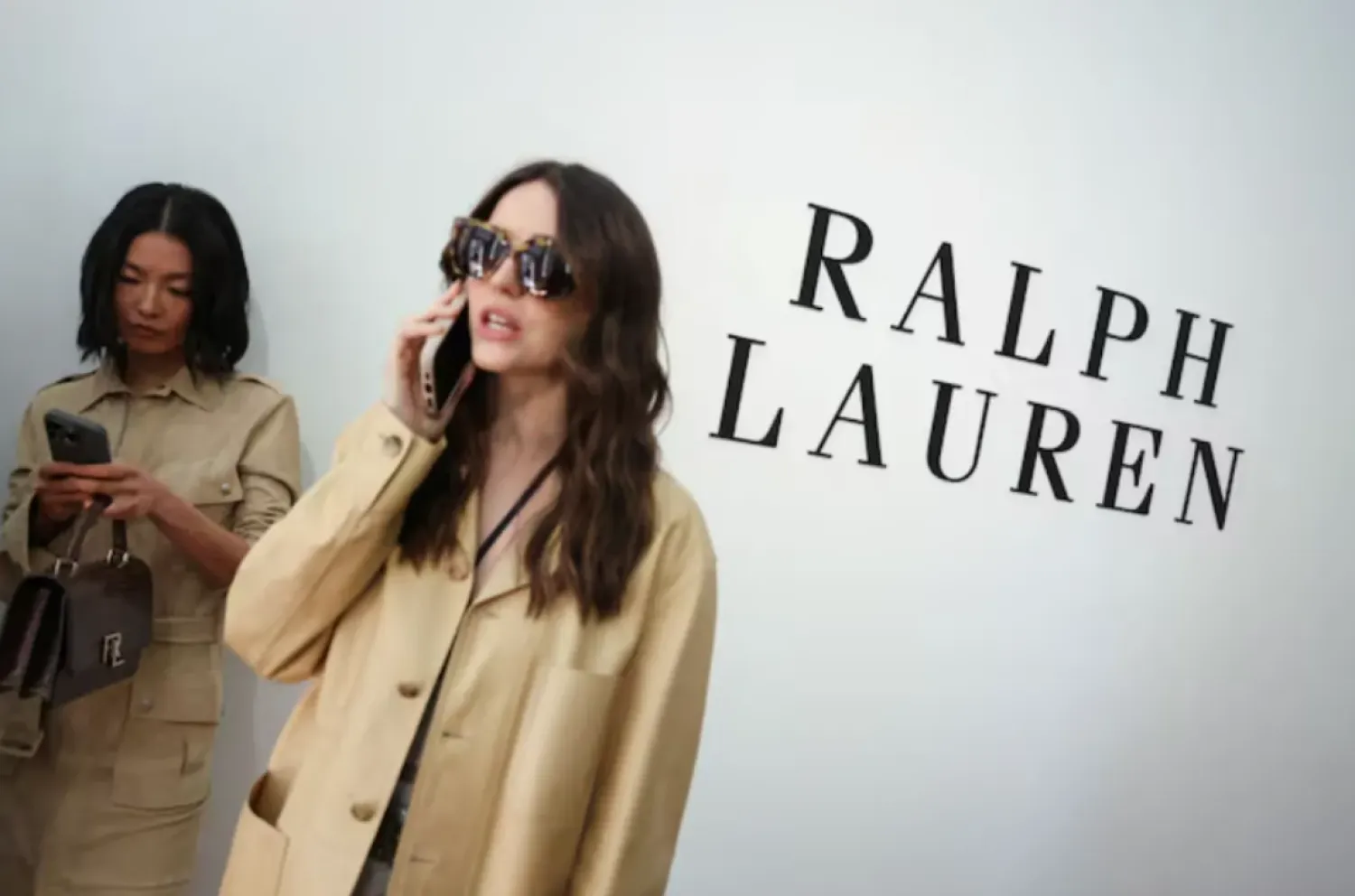
Guests wait after viewing the latest Ralph Lauren collection in New York City, US, April 17, 2025. REUTERS/Caitlin Ochs/File photo
TT

Ralph Lauren’s Margin Caution Eclipses Stronger‑than‑expected Quarterly Results

Guests wait after viewing the latest Ralph Lauren collection in New York City, US, April 17, 2025. REUTERS/Caitlin Ochs/File photo

Ralph Lauren posted third-quarter results above Wall Street estimates on Thursday, but the luxury retailer's warning of margin pressure tied to US tariffs sent its shares down nearly 6.4% in premarket trading.

The company expects fourth-quarter margins, its smallest revenue period, to shrink about 80 to 120 basis points due to higher tariff pressure and marketing spend.

Ralph Lauren, which sources its products from regions such as China, India and Vietnam, has relied on raising prices and reallocating production to regions with lower duty exposure to offset US tariff pressures, Reuters reported.

"Ralph Lauren has been able to raise prices for some time now. There is some limit on how long it can continue to do this. I think (the company's) gross margins are near peak levels," Morningstar analyst David Swartz said.

The company, which sells $148 striped linen shirts and $498 leather handbags, has tightened inventory, lifted full-price sales and refreshed core styles, boosting its appeal among wealthier and younger customers, including Gen Z.

Higher-income households are still splurging on luxury items, travel and restaurant meals, while lower- and middle-income consumers are strained by higher costs for rents and food as well as a softer job market.

The New York City-based company saw quarterly operating costs jump 12% year-on-year as it ramped up brand building efforts through sports-focused brand campaigns such as Wimbledon and the US Open tennis championship.

The luxury retailer said revenue in the quarter ended December 27 rose 12% to $2.41 billion, above analysts' estimates of a 7.9% rise to $2.31 billion, according to data compiled by LSEG.

It earned $6.22 per share, excluding items, compared to expectations of $5.81, aided by a 220 basis points increase in margins and an 18% rise in average unit retail across its direct-to-consumer channel.

Ralph Lauren now expects fiscal 2026 revenue to rise in the high single to low double digits on a constant currency basis, up from its prior forecast of a 5% to 7% growth.


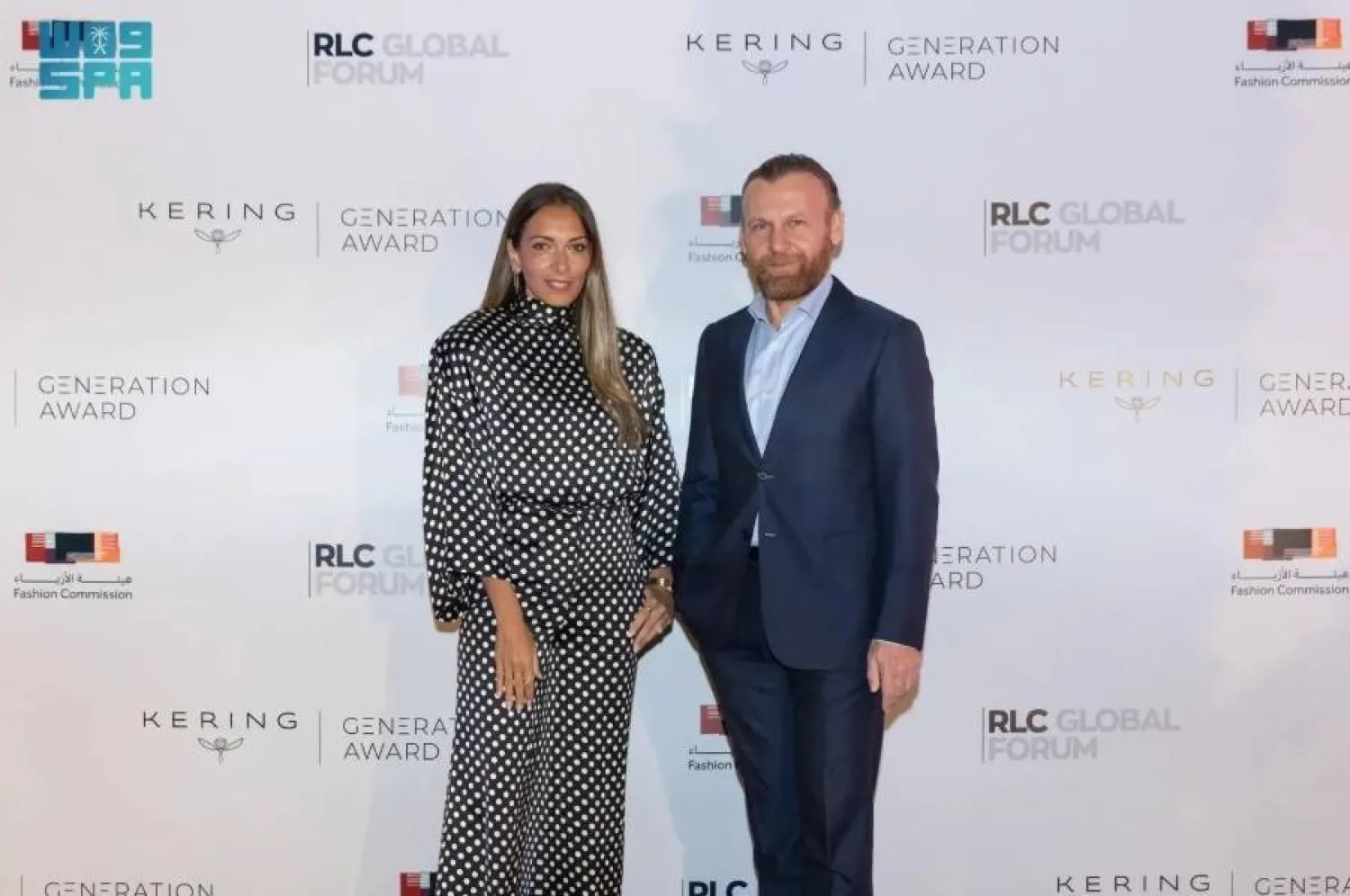
Saudi Fashion Commission, Kering Launch 'Kering Generation Award X MENA'

This year's award builds on the strong success of the 2025 award, which attracted more than 500 applications, shortlisted 21 finalists, and recognized three winners. SPA
TT

Saudi Fashion Commission, Kering Launch 'Kering Generation Award X MENA'

This year's award builds on the strong success of the 2025 award, which attracted more than 500 applications, shortlisted 21 finalists, and recognized three winners. SPA

Saudi Arabia’s Fashion Commission and global luxury group Kering have launched the "Kering Generation Award X MENA" across the Middle East and North Africa (MENA) for 2026.

The announcement was made on Tuesday during the opening of the RLC Global Forum, hosted at the French Embassy in Riyadh.

This year's award builds on the strong success of the 2025 award, which attracted more than 500 applications, shortlisted 21 finalists, and recognized three winners.

Participants benefited from mentorship programs, workshops, and opportunities to strengthen their global presence. Building on this momentum, the 2026 program seeks to expand its impact across the MENA region.

The 2026 award focuses on four key areas of sustainable fashion: innovation in regenerative materials and clean production, circular design and sustainable business models, nature conservation and animal welfare, and consumer awareness and cultural engagement.

The program targets startups across the MENA region that operate in, or positively influence, the sustainable fashion sector, provided they demonstrate innovation capabilities and the ability to deliver measurable sustainability outcomes.