



6 Million Yemenis Benefit from Yemen Humanitarian Fund

Workers handle sacks of wheat flour at a World Food Program food aid distribution center in Sanaa, Yemen (File photo: Reuters)
TT

6 Million Yemenis Benefit from Yemen Humanitarian Fund

Workers handle sacks of wheat flour at a World Food Program food aid distribution center in Sanaa, Yemen (File photo: Reuters)

The Yemen Humanitarian Fund (YHF) helped to address the needs of around 6 million people in Yemen, which remains one of the world’s worst humanitarian crises, the Fund’s 2021 Annual Report revealed.

“The funding made it possible to allocate more than $109 million to support almost 5.8 million people in need through 106 projects implemented by 51 partners across 21 governorates in Yemen,” it said.

Also, 25 donors contributed over $96 million to the Fund in 2021, making it one of the largest OCHA-managed country-based pooled funds (CBPFs) in the world.

According to the report, the Fund focused last year on the most vulnerable people, including minority groups and persons with disabilities.

It helped sustain life-saving basic services and supported the delivery of food, nutrition assistance, protection and other critical supplies to millions of destitute people.

Also, the Fund’s flexibility enabled it to quickly inject funding to support the response to new displacement in Marib Governorate, provide fuel to critical health services and water networks, and sustain common humanitarian emergency services such as UNHAS.

“Humanitarian needs continued to deepen in 2021, driven by escalating conflict and a spiraling economic crisis,” the report said, adding that the situation was made worse by torrential rains and flooding, a protracted fuel crisis and the COVID-19 pandemic.

According to William David Gressly, UN Resident and Humanitarian Coordinator Yemen, the Fund strived to leave no one behind.

In May 2021, a rapid response allocation of nearly $40 million supported UN agencies and partners’ response to large-scale displacement and worsening living conditions of displaced populations in Al Jawf and Marib Governorates.

Gressly said that the Fund enabled the immediate scale-up of the response capacity by providing air transport and logistics support for humanitarian partners and delivering life-saving, multi-sectoral services.

“This was complemented by the first YHF allocation of $50.4 million in June, which supported life-saving shelter and Emergency Shelter/Non-Food Items assistance, the provision of rental subsidies for vulnerable displaced people and minority groups, and gender-based violence prevention and response interventions in the two governorates,” Gressly said.

The UN Coordinator added that YHF continued implementing an area-based and integrated response, focusing on multi-cluster interventions in Taiz, Al Hodeidah and Marib Governorates.

“These three governorates, which combine multiple levels of vulnerabilities, received $103 million out of the joint $149 million allocated by YHF and CERF,” he noted.

This year, Gressly stressed that the Yemen Humanitarian Response Plan (YHRP) requires $4.27 billion to reverse a steady deterioration of the humanitarian situation.

He said the Fund targets 17.3 million out of the 23.4 million people in need of life-saving humanitarian assistance and protection services.

The UN coordinator also projected that a record of 19 million people would require food assistance in the second half of 2022 with vulnerable population groups such as women, children, displaced people and persons with disabilities being the hardest hit.

Gressly stressed that extremely worrying projections indicate that the number of people experiencing catastrophic levels of hunger could increase five-fold, from currently 31,000 to 161,000 people over the second half of 2022 unless immediate action is taken, and funding provided to avert the imminent disaster.



EU Condemns Israel's West Bank Control Measures

The Israeli settlement of Har Homa, seen from the West Bank city of Bethlehem, Tuesday, Dec. 17, 2024. (AP)
TT

EU Condemns Israel's West Bank Control Measures

The Israeli settlement of Har Homa, seen from the West Bank city of Bethlehem, Tuesday, Dec. 17, 2024. (AP)

The European Union on Monday condemned new Israeli measures to tighten control of the West Bank and pave the way for more settlements in the occupied Palestinian territory, AFP reported.

"The European Union condemns recent decisions by Israel's security cabinet to expand Israeli control in the West Bank. This move is another step in the wrong direction," EU spokesman Anouar El Anouni told journalists.


Atrocities in Sudan's El-Fasher Were 'Preventable Human Rights Catastrophe'

Sudanese displaced people who left El Fasher after its fall, sit in the shade in Tawila at the Rwanda camp reception point on December 17, 2025. (Photo by AFP)
TT

Atrocities in Sudan's El-Fasher Were 'Preventable Human Rights Catastrophe'

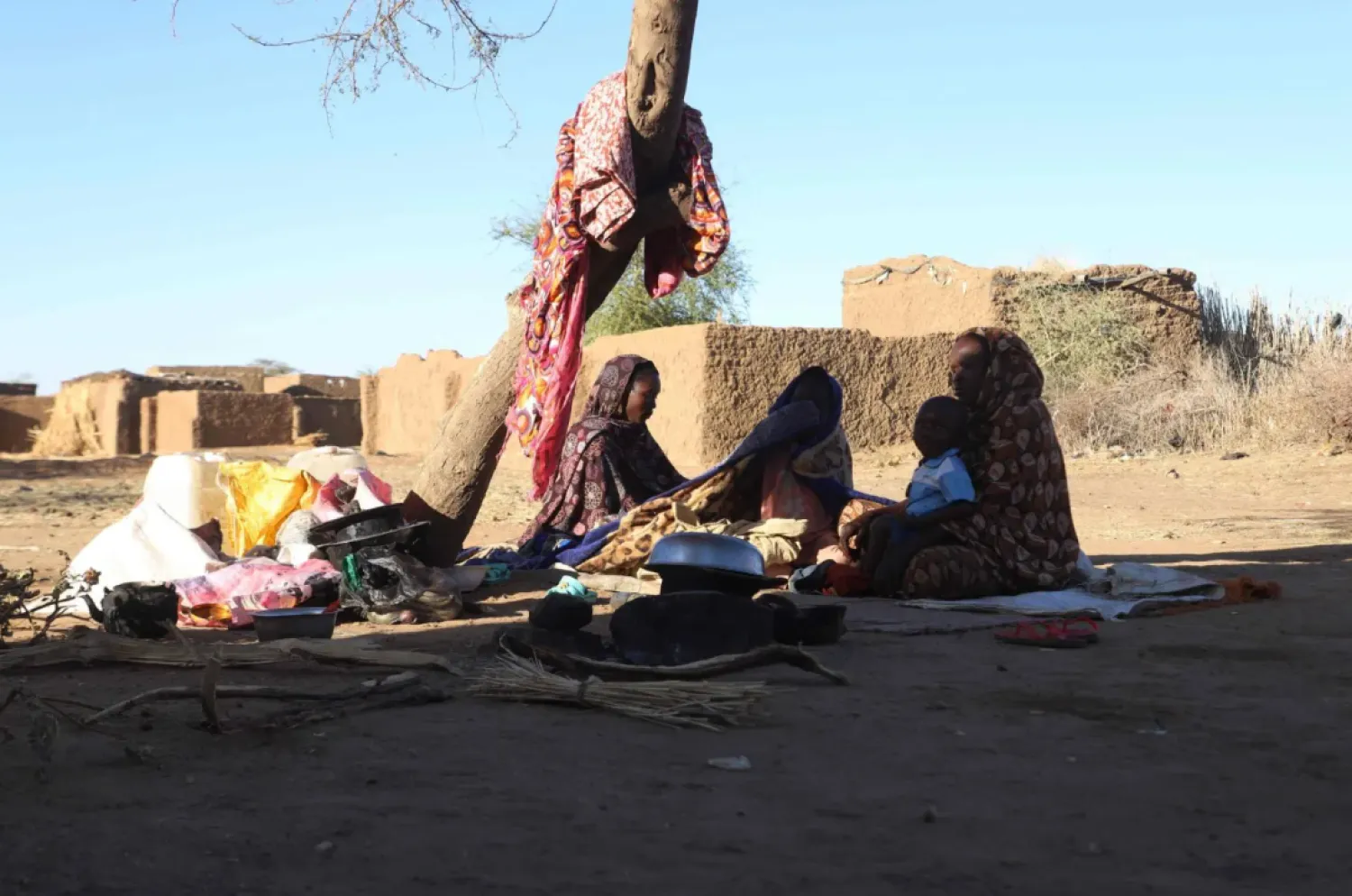
Sudanese displaced people who left El Fasher after its fall, sit in the shade in Tawila at the Rwanda camp reception point on December 17, 2025. (Photo by AFP)

The atrocities unleashed on El-Fasher in Sudan's Darfur region last October were a "preventable human rights catastrophe", the United Nations said Monday, warning they now risked being repeated in the neighbouring Kordofan region.


"My office sounded the alarm about the risk of mass atrocities in the besieged city of El-Fasher for more than a year ... but our warnings were ignored," UN rights chief Volker Turk told the Human Rights Council in Geneva.


He added that he was now "extremely concerned that these violations and abuses may be repeated in the Kordofan region".


Arab League Condemns Israel's Decisions to Alter Legal, Administrative Status of West Bank

A general view shows the opening session of the meeting of Arab foreign ministers at the Arab League Headquarters (Reuters)
TT

Arab League Condemns Israel's Decisions to Alter Legal, Administrative Status of West Bank

A general view shows the opening session of the meeting of Arab foreign ministers at the Arab League Headquarters (Reuters)

The General Secretariat of the Arab League strongly condemned decisions by Israeli occupation authorities to impose fundamental changes on the legal and administrative status of the occupied Palestinian territories, particularly in the West Bank, describing them as a dangerous escalation and a flagrant violation of international law, international legitimacy resolutions, and signed agreements, SPA reported.

In a statement, the Arab League said the measures include facilitating the confiscation of private Palestinian property and transferring planning and licensing authorities in the city of Hebron and the area surrounding the Ibrahimi Mosque to occupation authorities.

It warned of the serious repercussions of these actions on the rights of the Palestinian people and on Islamic and Christian holy sites.

The statement reaffirmed the Arab League’s firm support for the legitimate rights of the Palestinian people, foremost among them the establishment of their independent state on the June 4, 1967 borders, with East Jerusalem as its capital.