Saudi Arabia Completes Regulatory Preparations for Rollout of EV Charging Stationshttps://english.aawsat.com/home/article/3830351/saudi-arabia-completes-regulatory-preparations-rollout-ev-charging-stations
Saudi Arabia Completes Regulatory Preparations for Rollout of EV Charging Stations
Saudi Arabia expands the range of electric vehicles to support the strategy to reduce emissions and protect the environment (Asharq Al-Awsat)
Saudi Arabia’s Ministry of Energy, in cooperation with the concerned government agencies and in integration with the private sector, launched on Sunday the regulations for the rollout of electric vehicle (EV) charging stations so as to ensure quality, efficiency and protection of users and facilities across the Kingdom.
Experts confirmed to Asharq Al-Awsat that the private sector is at a new stage whereby it could enter a qualitative sector and engage in an activity that generates profits for companies and institutions.
According to experts, the private sector would do so in return for achieving the Kingdom’s national goals aimed at reducing greenhouse emissions and improving air quality.
Last May, Lucid Group announced that it has signed a contract with several Saudi Arabian government agencies that locks in plans for a production facility.
The company aims to produce 155,000 cars annually with investments exceeding 12.3 billion riyals ($3.2 billion) after completing its factory in Industrial Valley in King Abdullah Economic City.
The infrastructure team for EV charging stations, led by the Ministry of Energy, announced that it has completed all the legislative, organizational and technical aspects to regulate the EV charging market in the Kingdom, by outlining the necessary regulations for the installation of charging stations and their equipment.
“The completion of the regulation of the EV market in Saudi Arabia opens a wide field for the private sector to enter into a new activity that generates profits for companies and institutions operating in the Kingdom,” Adel Al-Omair, Chairman of the Renewable Energy Committee in the Riyadh Chamber of Commerce, told Asharq Al-Awsat.
Al-Omair said that the move helps the Kingdom in maximizing its role in promoting public sustainability.
“The Kingdom is leading the region and the world towards renewable energy technologies and reducing emissions,” affirmed Al-Omair.
It is noteworthy that the new regulations contribute to achieving the goals of Vision 2030, as they will help the Kingdom to have a diversified and sustainable economy through enhancing productivity and raising private-sector involvement.
The new regulations would contribute to achieving the goals of the Kingdom’s Vision 2030, as they will help the Kingdom to have a diversified and sustainable economy through enhancing productivity; raising private-sector involvement; and building new future-proof sectors, which will provide quality jobs for male and female citizens, in addition to enabling vehicle owners to charge cars easily with a guarantee of quality and efficiency.
IMF Cuts 2026 Euro Zone Growth Forecast with Higher Inflationhttps://english.aawsat.com/business/5282983-imf-cuts-2026-euro-zone-growth-forecast-higher-inflation
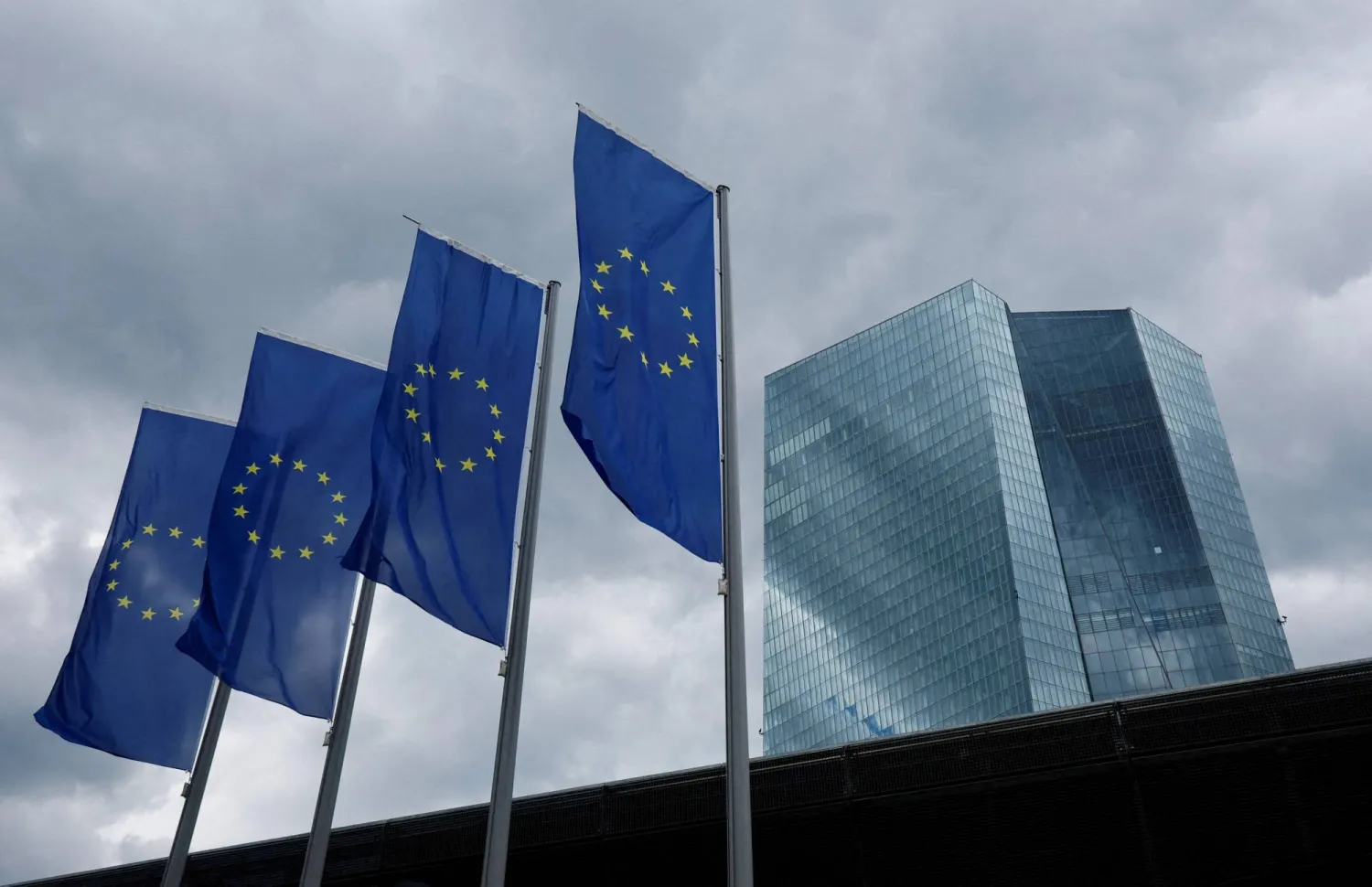
FILE PHOTO: Dark clouds are seen over the building of the European Central Bank (ECB) in Frankfurt, Germany, June 6, 2024. REUTERS/Wolfgang Rattay/File Photo
IMF Cuts 2026 Euro Zone Growth Forecast with Higher Inflation
FILE PHOTO: Dark clouds are seen over the building of the European Central Bank (ECB) in Frankfurt, Germany, June 6, 2024. REUTERS/Wolfgang Rattay/File Photo
The International Monetary Fund cut its growth forecast for the euro zone on Thursday and raised its expectation for inflation because of the US-Israeli war on Iran, adding that the economic situation could worsen if high energy prices persisted.
In its regular report on the economy of the 21 countries that share the euro currency, the IMF said economic growth this year would be 0.9%, down from 1.1% forecast in April while inflation would be 2.8%, up from 2.6% forecast in April.
The IMF's had already revised down its euro zone growth forecast in April from its January prediction.
"Following a period of growth at potential and inflation on target, the euro area outlook has weakened," the IMF said in a report presented to euro zone finance ministers, referring to the war in the Middle East as a "large but temporary adverse supply shock."
"An even more persistent energy shock could raise inflation and inflation expectations further, even as a drop in confidence or financial stress could weaken demand. A resurgence of the conflict in the Middle East or delays in repairing energy infrastructure, intensified hostilities in Ukraine, and further trade policy adjustments pose additional downside risks," Reuters quoted it as saying.
The IMF said the European Central Bank, which earlier on Thursday raised interest rates for the first time in nearly three years, was likely to raise rates again for a cumulative 50 basis points increase in 2026, with a third rate rise also possible.
The IMF warned euro zone finance ministers against rushing to cushion their economies against the impact of high energy costs. "Broad-based fiscal support is not warranted," it said.
Many euro zone members had already introduced measures, averaging around 0.1 percent of GDP across the EU on a GDP-weighted basis as of May 2026.
It said, despite their limited scale so far, the measures likely blunted incentives for energy conservation and that future measures should targeted more to protect vulnerable households.
Egypt Signs Deal to Transfer Shares in Wataniya 172 Fuel Stations to Taqa Arabiahttps://english.aawsat.com/business/5282967-egypt-signs-deal-transfer-shares-wataniya-172-fuel-stations-taqa-arabia
Egypt Signs Deal to Transfer Shares in Wataniya 172 Fuel Stations to Taqa Arabia
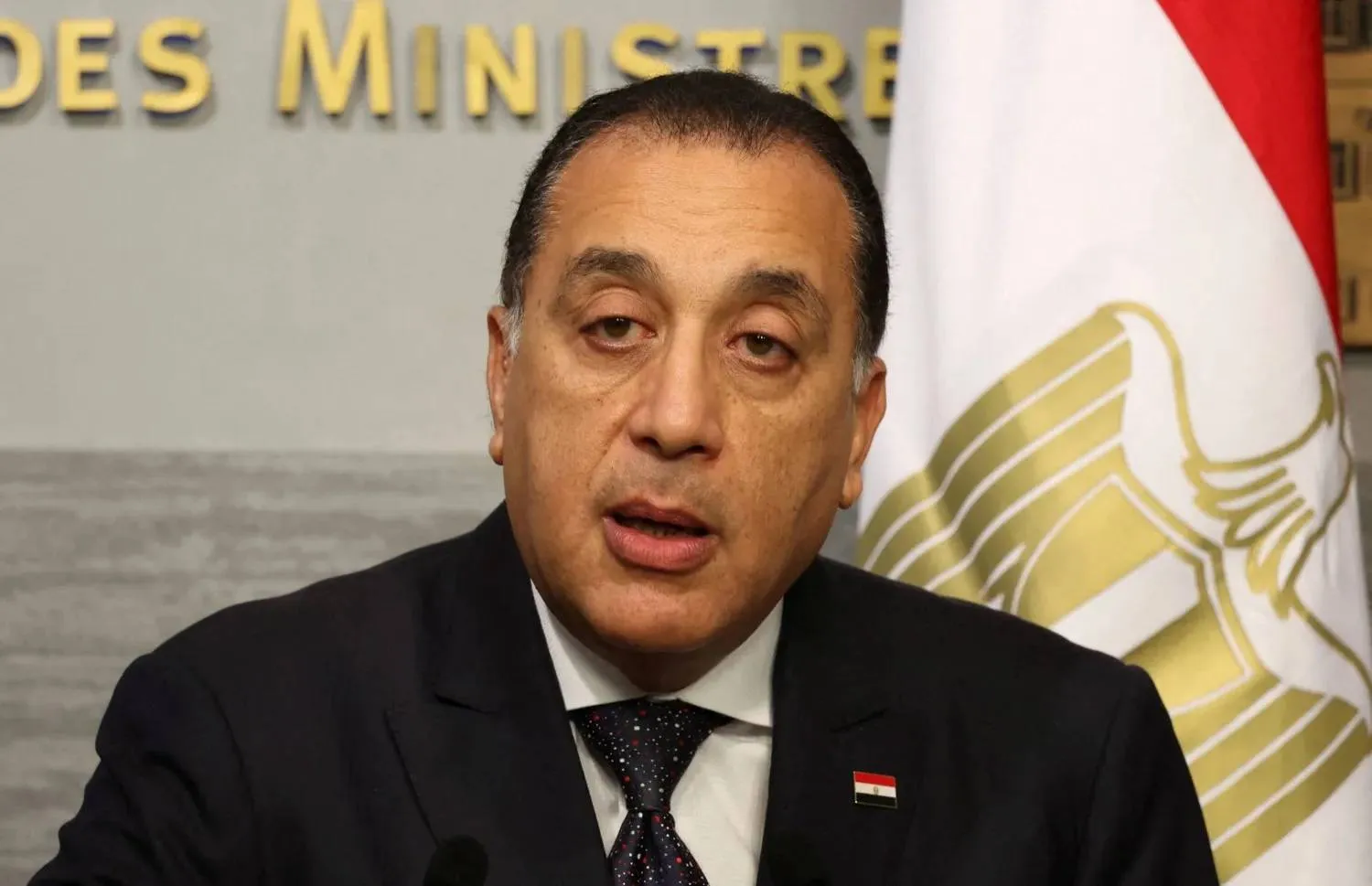
Egyptian Prime Minister Mostafa Madbouly. Reuters file photo
Egypt signed an agreement on Thursday with Taqa Arabia to transfer ownership of a stake in 172 state-owned Wataniya fuel stations through a newly established company, Quick Fuel, according to a cabinet statement.
Under the agreement, Taqa Arabia will acquire a 10% stake in Quick Fuel and will also have the option to acquire an additional 15% stake when the company is listed on the Egyptian stock exchange, Reuters reported.
Egypt said last year it would offer stakes in military-owned companies, which included Wataniya Petroleum, through its sovereign wealth fund.
The IMF has made increasing the role of the private sector in the economy a requirement for Egypt's $8 billion loan program.
Hormuz Shock Hits Gulf Economies, Saudi Arabia Takes Center Stage in 2026https://english.aawsat.com/business/5282947-hormuz-shock-hits-gulf-economies-saudi-arabia-takes-center-stage-2026
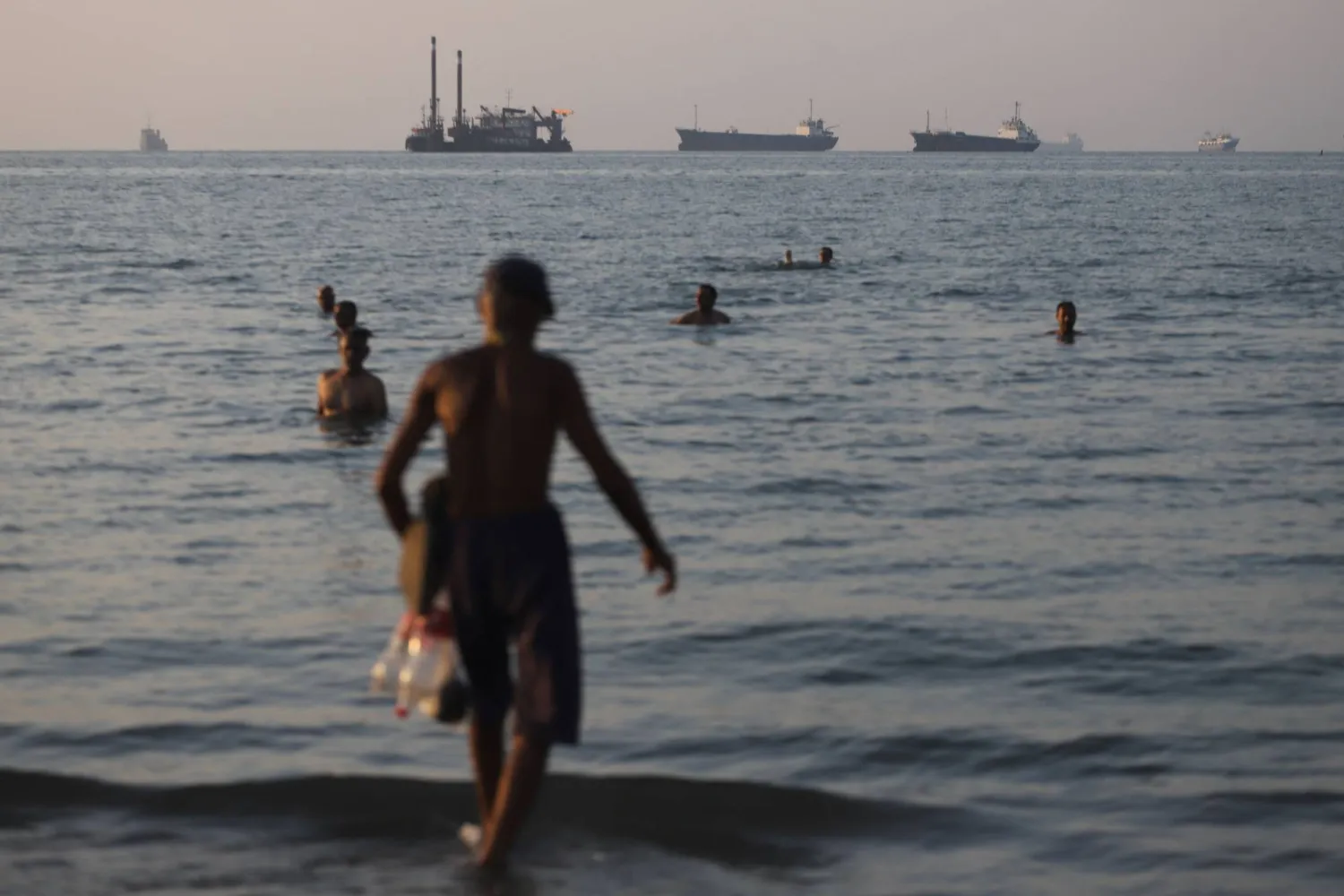
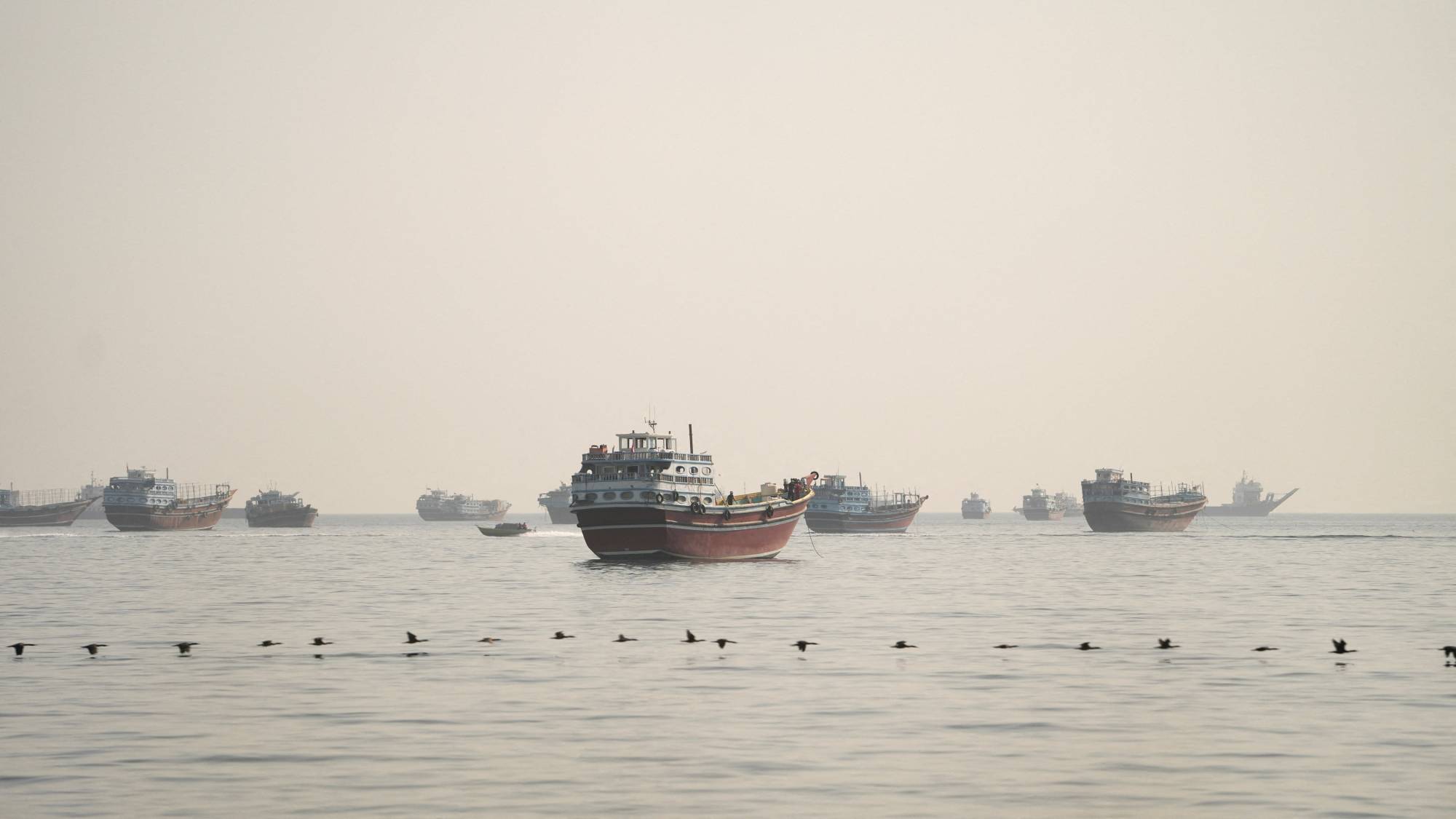
In this picture obtained from Iran's ISNA news agency on June 8, 2026, residents take a dip as cargo and commercial vessels lie at anchor in the Strait of Hormuz off Bandar Abbas. (Photo by Amirhossein KHORGOOEI / ISNA / AFP) /
Hormuz Shock Hits Gulf Economies, Saudi Arabia Takes Center Stage in 2026
In this picture obtained from Iran's ISNA news agency on June 8, 2026, residents take a dip as cargo and commercial vessels lie at anchor in the Strait of Hormuz off Bandar Abbas. (Photo by Amirhossein KHORGOOEI / ISNA / AFP) /
The global economy is entering an extremely sensitive phase in 2026 amid escalating geopolitical tensions in the Middle East, which have cast a heavy shadow over the fragile global recovery and reshaped the global credit and financial landscape.
At the heart of these turbulent developments, Gulf Cooperation Council economies find themselves directly confronting the fallout from disruptions in energy markets and supply chains resulting from the effective closure of the Strait of Hormuz, according to the World Bank. While this shock has placed the region’s growth under severe pressure, pushing overall growth rates toward near-zero levels, Saudi Arabia has emerged as the strongest expected economic performer among its neighbors, supported by financial buffers and flexible logistical capabilities that have strengthened its ability to contain the impact of the current crisis.
According to the World Bank Group’s June Global Economic Prospects report, rising inflationary pressures, higher energy prices, and tighter monetary policies are driving global growth to lower levels. These combined factors have led the bank to lower its global growth forecast for 2026 to 2.5 percent, compared with about 2.9 percent in 2025, marking a path below its previous January forecast of 2.6 percent.
The crisis has placed two-thirds of the world’s economies under downward revisions, amid stark warnings of a darker global economic scenario known as “fuel and financing stress,” which could push growth down to 1.3 percent if supply disruptions worsen and are accompanied by acute financial pressures. Estimates point to a partial recovery in 2027 to 2.8 percent, although that would remain below the average of the previous decade.
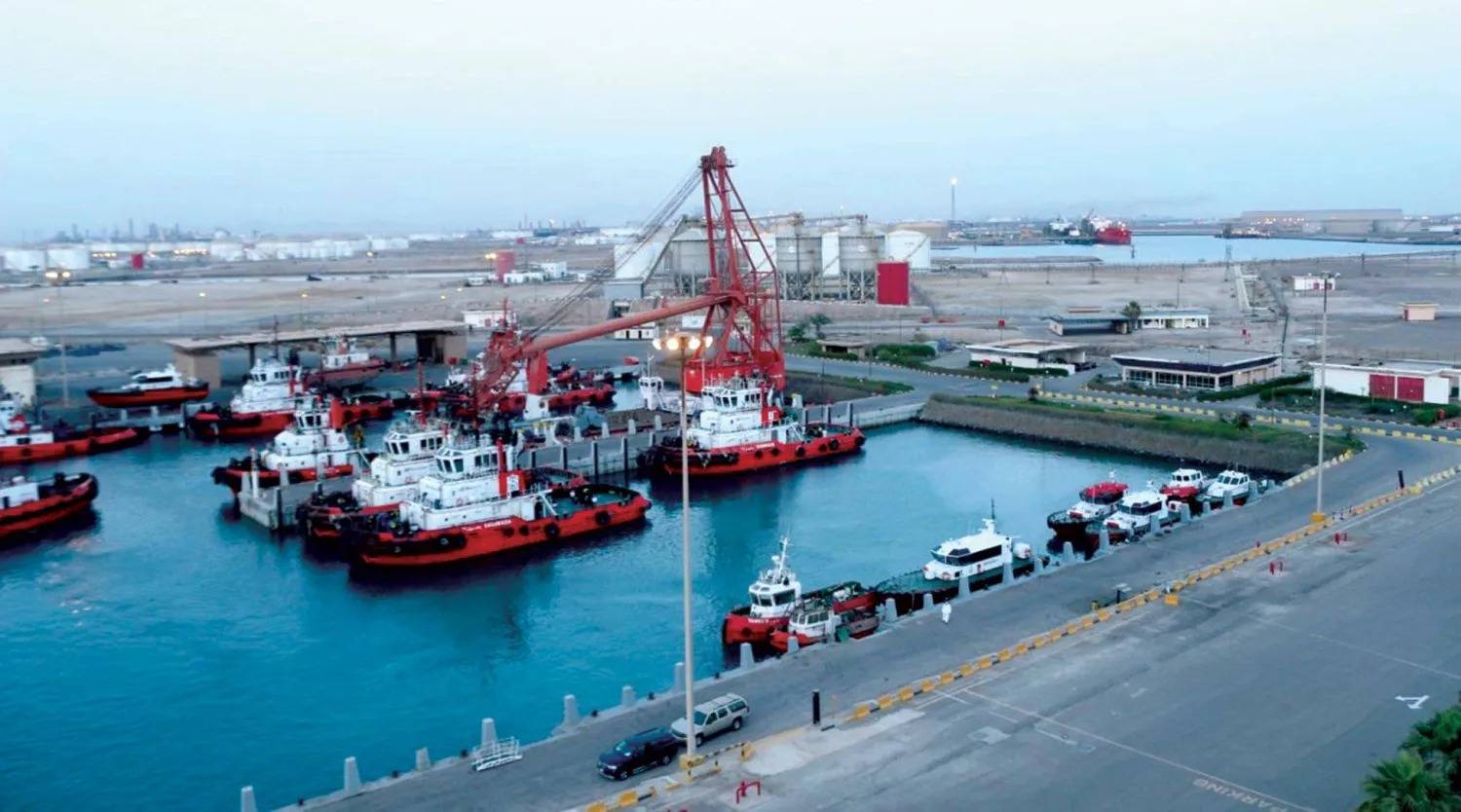
King Fahd Industrial Port in Yanbu, Saudi Arabia (SPA)
Energy Markets, Inflation, and the Impact of Hormuz
Energy markets are at the center of the crisis, having been directly affected by geopolitical developments, particularly the closure of the Strait of Hormuz, which has led to severe disruptions in global supplies.
The World Bank expects Brent crude to average about $94 per barrel in 2026, representing an increase of roughly 36 percent compared with 2025, provided disruptions subside by July.
The repercussions are not limited to oil. Fertilizer prices are also expected to rise, increasing pressure on global food prices and pushing global inflation to around 4 percent, compared with 3.3 percent in 2025, with the possibility of reaching 4.4 percent under the worst-case scenario.
Gulf and Middle East Economies on the Front Line
Saudi Arabia’s economic leadership in the latest June update was not unexpected. Figures published in the World Bank’s April report indicate that the Kingdom has not only succeeded in building solid “economic buffers” but has also turned current geopolitical challenges into an opportunity to accelerate structural adjustment, reflected in growth of 3.1 percent.
The updated estimates and figures released today reinforce that outlook and underscore this structural advantage. The World Bank revealed figures reflecting the depth of the regional shock as follows:
Middle East and North Africa growth declines: The bank expects overall growth in the region to fall sharply (excluding Iran due to exceptional uncertainty) to just 1.6 percent in 2026, compared with about 4 percent in 2025, representing a severe downward revision of 2.7 percentage points from last January’s forecast.
Near paralysis across Gulf and regional economies: Perhaps the bleakest indicator in the June report is the decline in overall growth among oil-exporting economies in the Middle East to just 0.3 percent in 2026, a downward revision of 4.3 percentage points from January’s forecast. This reflects disruptions to production and export lines. The figure marks a significant deepening of the shock compared with the bank’s April report, which had lowered regional growth forecasts at the time to 1.3 percent from an earlier projection of 4.4 percent. Current estimates show Gulf economies collectively slowing from 3.9 percent growth in 2025 to levels that constrain economic activity and approach zero in 2026, before rebounding toward recovery at around 5 percent in 2027 and 2028, driven by a recovery in trade flows and the launch of reconstruction projects.
Vessels are anchored in the Strait of Hormuz, as seen from Musandam, Oman, June 10, 2026. REUTERS/Stringer
The Geopolitical Structure Behind Diverging Performance
The World Bank attributed the sharp divergence in performance among Middle Eastern oil exporters to varying degrees of exposure to military activity and differences in policy buffers. The report noted that the slowdown would be less severe in Saudi Arabia due to its strategic ability to reroute oil exports away from logistical disruption through the East-West Pipeline leading to the Red Sea.
In a related context, the bank expects a more moderating slowdown in Oman, as it faces lower direct risks because its main ports lie outside the closed Strait of Hormuz. By contrast, the report links the sharp contraction in the economies of Kuwait, Qatar, and Iraq to a forced decline in oil production resulting from damage to energy infrastructure and the suspension of shipping through the strait, alongside surging shipping costs and rising defense and military spending pressures on government budgets.
Performance Across Gulf States
The updated estimates reinforce the figures anticipated by the World Bank in its April report regarding the performance gap among countries in the region as follows:
Saudi Arabia: Despite the World Bank deepening its downward revisions for the region as a whole in June to 1.6 percent due to the Hormuz shock, the Kingdom maintained its position as the region’s top performer. Growth is expected to reach 3.1 percent in 2026, down 1.2 percentage points from January estimates because of energy market conditions, before rebounding strongly to 4.9 percent in 2027.
United Arab Emirates: Growth expectations have been revised down by 2.7 percentage points since January. Growth is now expected to slow from 5 percent in 2025 to 2.4 percent in 2026, before rising again to 4.1 percent in 2027.
Qatar: Growth expectations for the Qatari economy have fallen sharply by 11.0 percentage points since January. The economy is now expected to contract by 5.7 percent, compared with previously projected positive growth of 5.3 percent, due to severe damage to liquefied natural gas supplies. Qatar is a key player in the global energy market, accounting for between 20 percent and 21 percent of global LNG supplies. The World Bank expects Qatari growth to rebound to 5.7 percent.
Kuwait: The economy is expected to contract by 6.4 percent, compared with a growth forecast of 2.6 percent in January. Kuwait relies entirely on the Strait of Hormuz to export its crude oil and petroleum products. The closure of the strait therefore means a complete shutdown of the country’s financial lifeline, immediately halting budget revenue inflows. The World Bank expects Kuwait’s economic growth to surge to 13.5 percent in 2027.
Bahrain: Growth expectations have been revised down by 1.8 percentage points since January. Growth is now expected to slow from 3.1 percent in 2025 to 1.3 percent in 2026 before rising again to 2.8 percent in 2027.
Oman: Growth expectations for Oman’s economy have been revised down by 1.2 percentage points since January. Growth is now expected to slow from 3.6 percent in 2025 to 2.4 percent in 2026 before increasing to 3 percent in 2027.
Perhaps the greatest shock lies in the freefall of the Iraqi economy, with growth expectations plunging from 6.5 percent to a steep contraction of 8.9 percent.
Egypt Defies the Downward Trend
In contrast to the sharp contraction affecting the budgets of oil-producing Gulf states, the World Bank raised its forecast for Egypt’s economic growth by 0.3 percentage points to 4.6 percent in 2026, before easing to 4 percent in 2027.
This relative recovery is attributed to Egypt’s logistical and geographic advantages, as a significant share of international trade and supply chains shifts toward alternative routes through the Red Sea and the Suez Canal to avoid disruption caused by the closure of the Strait of Hormuz. The diversity of Egypt’s economy and its lack of direct dependence on Gulf oil exports have also helped shield it from the immediate shock, alongside recent inflows of foreign direct investment and international support packages that have provided strong foreign-currency liquidity and enhanced the resilience of non-oil activity and domestic demand against geopolitical headwinds.
Diverging Outlooks
At the regional level, the data show varying performance across global regions. South Asia remains the fastest-growing region despite slowing to 6.3 percent, while growth in East Asia is projected at 4.2 percent and Sub-Saharan Africa at 4 percent.
Latin America is expected to grow by 2.2 percent, followed by Europe and Central Asia at 2.1 percent. Meanwhile, the Middle East and North Africa region is more heavily affected by the conflict, with growth slowing to 1.6 percent in 2026 before recovering to 5 percent in 2027.
Commenting on these difficult developments, World Bank Group President Ajay Banga said the greatest challenge facing governments today is achieving a careful balance between protecting current financial stability and preserving future growth opportunities.
Banga said the World Bank is working intensively to support affected countries through liquidity tools and emergency financing, while remaining fully prepared to provide additional support packages should the crisis worsen, with the aim of helping economies overcome the structural shock to energy markets and strengthen their capacity for sustainable recovery.
لم تشترك بعد
انشئ حساباً خاصاً بك لتحصل على أخبار مخصصة لك ولتتمتع بخاصية حفظ المقالات وتتلقى نشراتنا البريدية المتنوعة