Saudi Arabia, Syria Discuss Resuming Consular Services
The Saudi Foreign Ministry building. (Asharq Al-Awsat)
The Saudi Foreign Ministry revealed on Thursday that talks are ongoing with Syria over resuming consular services.
A source at the ministry told Al-Ekhbariyah television that the talks stem from Riyadh’s keenness on facilitating the services for the Saudi and Syrian people.
Officials from both countries are discussing the matter.
The sources added that the resumption of consular services will pave the way for the re-establishment of relations between Saudi Arabia and Syria.
Other sources said a vote on reinstating Syria’s membership at the Arab League would be possible after Damascus mends its relations with Arab countries.
Saudi Arabia will host the next Arab League summit.
Syria’s membership has been a point of contention at ahead of past summit in recent years.
Egypt Extends to Next Week Discussions on Military Support for Saudi Arabiahttps://english.aawsat.com/gulf/5331401-egypt-extends-next-week-discussions-military-support-saudi-arabia
Egypt Extends to Next Week Discussions on Military Support for Saudi Arabia
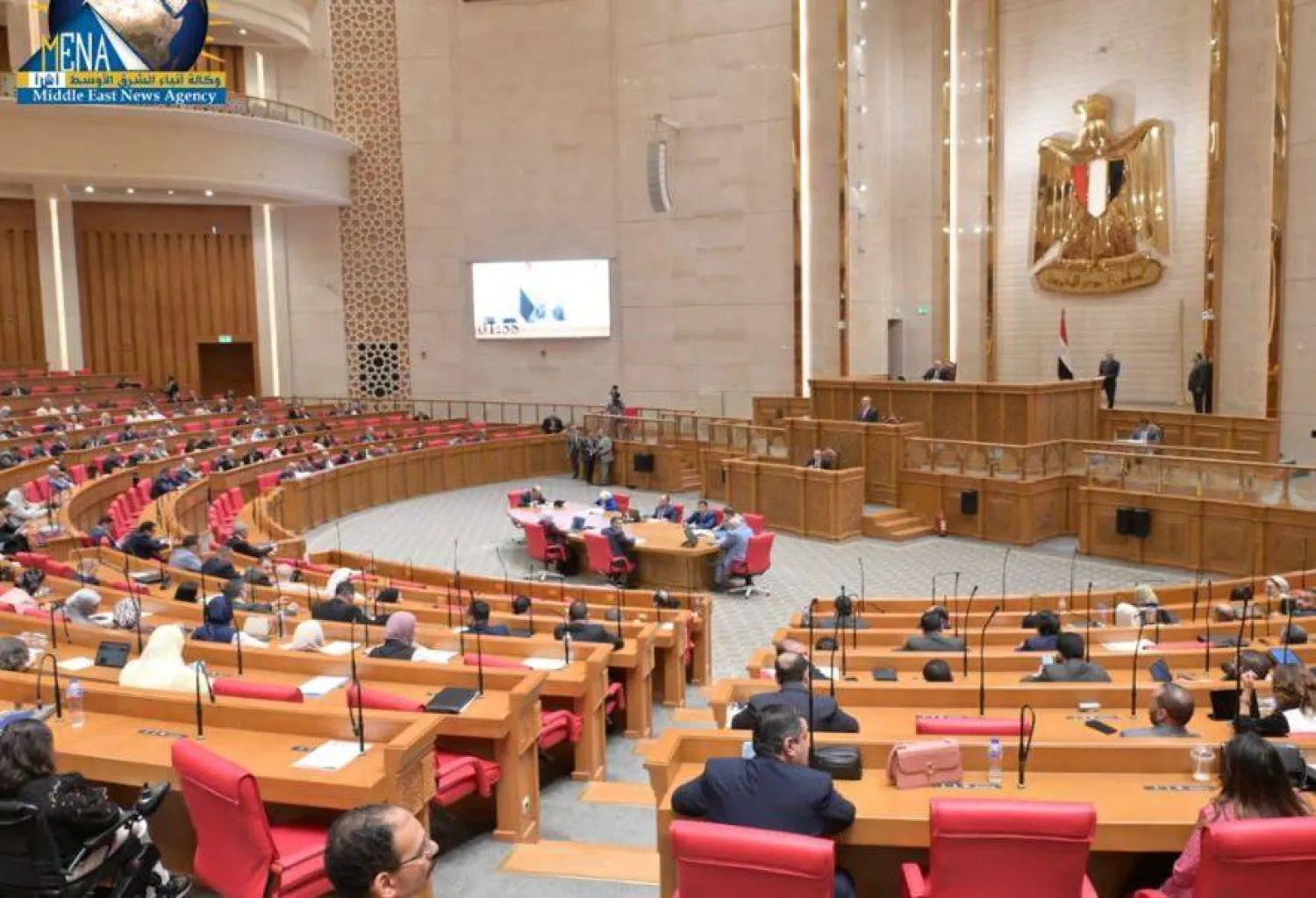
The Egyptian parliament in session. (MENA file)
The Egyptian parliament extended to next week on Monday discussions on President Abdel Fattah al-Sisi's authorization to provide military support to Saudi Arabia, a move that observers have interpreted as a "desire for further clarification on the nature of the Egyptian action."
On Saturday, Sisi requested that parliament hold an emergency session to authorize the defense of Gulf states, stressing that his country is "ready to implement any measure requested by Saudi Arabia to protect its security." This was followed by two parliamentary sessions on Sunday and Monday to discuss the issue.
At the conclusion of Monday's meeting, Speaker Hisham Badawi decided to adjourn the sessions until October 26 to resume discussions.
Parliamentary sources said the decision stemmed from the high number of requests from MPs to speak. The sources told Asharq Al-Awsat that the discussions over the two days witnessed broad support for the Kingdom, as well as several requests to clarify the nature of the support, and how Egypt will defend its security and stability.
They added: "In light of hundreds of requests received from MPs to speak, and given the nature of the issue, discussions were extended to next week for further clarifications."
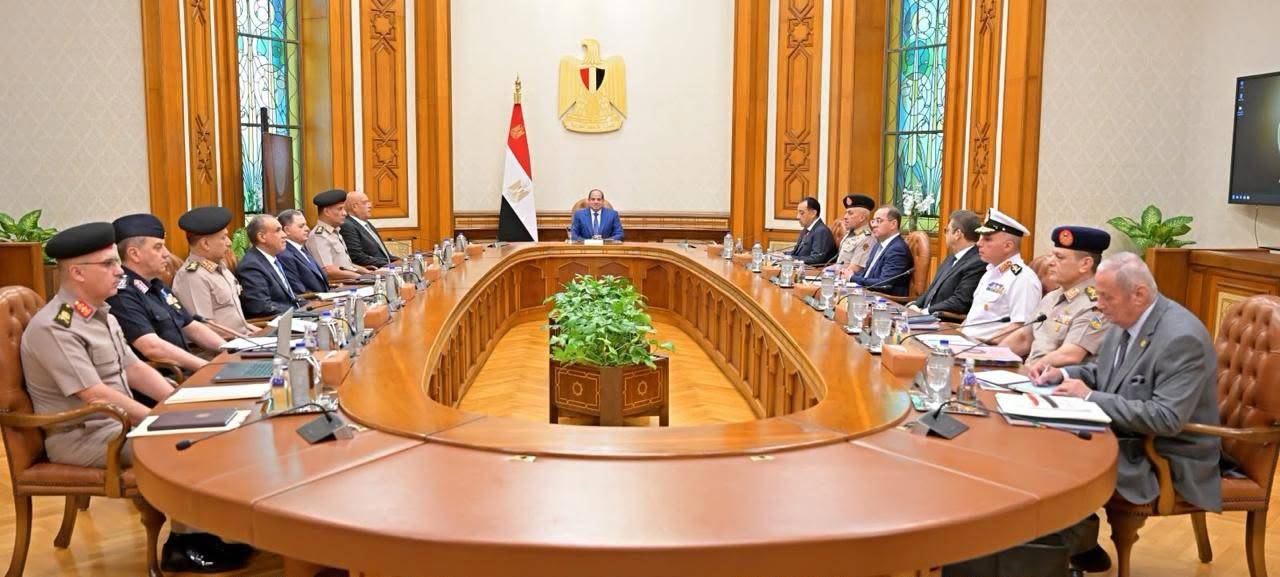
Egyptian President Abdel Fattah al-Sisi chairs a National Defense Council meeting at Ittihadiya Palace on Sunday. (Egyptian Presidency)
This was confirmed by Dr. Abdel Moneim Said, a former member of the Senate, who told Asharq Al-Awsat: "Given the importance of the subject, it was only natural that the discussions would be extended."
He added: "All aspects of the issue must be addressed, starting with the nature of the Egyptian action to defensively support the Kingdom, through to its implications and cost," noting that "the issue enjoys broad support; given its impact on Egyptian national security, which cannot be separated from Gulf security."
Article 152 of the Egyptian Constitution stipulates that "the President of the Republic is the Supreme Commander of the Armed Forces, and shall not declare war, nor send the Armed Forces on a combat mission outside the borders of the State, except after taking the opinion of the National Defense Council, and obtaining the approval of the parliament by a two-thirds majority of its members."
It adds that "if the parliament is dissolved, the opinion of the Supreme Council of the Armed Forces must be taken, alongside the approval of both the Cabinet and the National Defense Council."
Following a meeting chaired by Sisi on Sunday, the National Defense Council decided on "absolute alignment and complete solidarity with Saudi Arabia, and to provide all necessary and possible forms of support to the Kingdom to defend its security and stability, and to safeguard its capabilities, territorial integrity, and Islamic holy sites."
Political parties and MPs stressed their support for the Kingdom.
In a statement on Sunday, the Wafd Party announced its backing, stating that "the security of the Kingdom and Red Sea, and Arab countries bordering it, are closely linked to Egyptian and Arab national security."
UAE, Turkish FMs Condemn Continued Houthi Attacks on Saudi Arabiahttps://english.aawsat.com/gulf/5331393-uae-turkish-fms-condemn-continued-houthi-attacks-saudi-arabia
Saudi Foreign Minister Prince Faisal bin Farhan bin Abdullah. (AFP)
TT
TT
UAE, Turkish FMs Condemn Continued Houthi Attacks on Saudi Arabia
Saudi Foreign Minister Prince Faisal bin Farhan bin Abdullah. (AFP)
Saudi Minister of Foreign Affairs Prince Faisal bin Farhan bin Abdullah received on Monday separate telephone calls from Deputy Prime Minister and FM of the United Arab Emirates Sheikh Abdullah bin Zayed Al Nahyan and Turkish FM Hakan Fidan.
The FMs discussed regional developments, including the continued attacks by the terrorist Houthi militia on civilian areas in the Kingdom of Saudi Arabia, and expressed their condemnation of these attacks.
Prince Faisal and Sheikh Abdullah bin Zayed stressed the importance of continued coordination and consultations to strengthen joint Gulf cooperation, reduce escalation, prevent tensions from spreading, and maintain regional security and stability.
Prince Faisal and Fidan reviewed the latest developments, Saudi and Turkish efforts to address current challenges, and their joint endeavors to boost regional security and stability.
Coalition Targets Houthi Weapons Smuggling Operation off Yemen's Coasthttps://english.aawsat.com/gulf/5331390-coalition-targets-houthi-weapons-smuggling-operation-yemens-coast
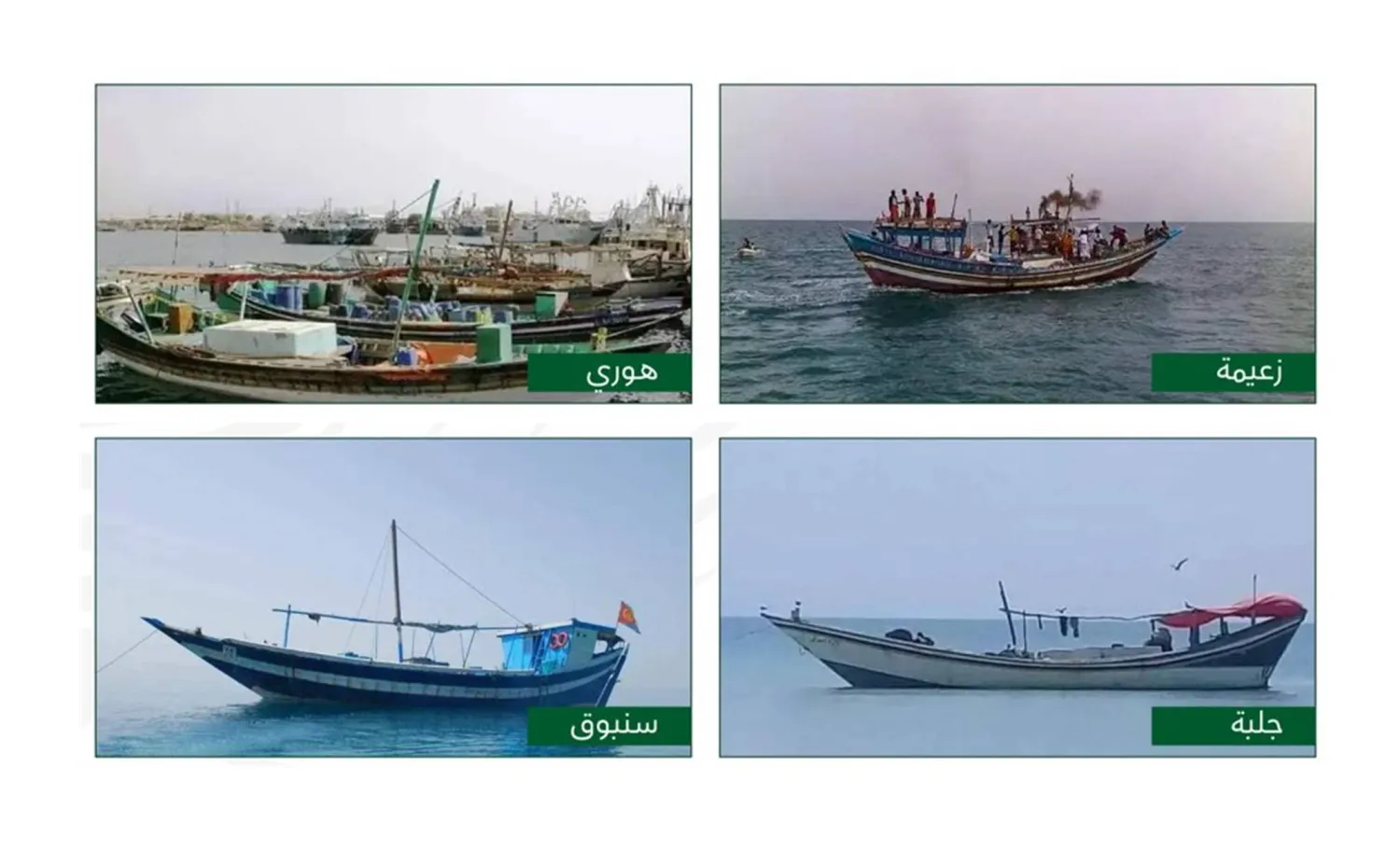
The Coalition Joint Forces Command had warned the militia against using traditional vessels (Za'ima, Huri, Jalbah, and Sanbuq) to smuggle weapons, missiles, and military equipment by sea. (Coalition)
TT
TT
Coalition Targets Houthi Weapons Smuggling Operation off Yemen's Coast
The Coalition Joint Forces Command had warned the militia against using traditional vessels (Za'ima, Huri, Jalbah, and Sanbuq) to smuggle weapons, missiles, and military equipment by sea. (Coalition)
The Coalition to Restore Legitimacy in Yemen targeted weapons smuggled to the terrorist Houthi militia and vessels used for the illicit operations off Yemen’s coast.
The Coalition Joint Forces Command had warned the militia against using traditional vessels (Za'ima, Huri, Jalbah, and Sanbuq) to smuggle weapons, missiles, and military equipment by sea.
It stressed that such activities pose a threat to Yemen's security, as well as regional and international security, endangering civilian lives and safety. The smuggling is carried out through organized crime gangs working with the Houthis.
The Joint Forces Command urged all owners of maritime vessels to refrain from cooperating with the militia in smuggling weapons, missiles, and military equipment by sea to Yemen's shores, in order to protect their lives and property.
لم تشترك بعد
انشئ حساباً خاصاً بك لتحصل على أخبار مخصصة لك ولتتمتع بخاصية حفظ المقالات وتتلقى نشراتنا البريدية المتنوعة