


Kuwait Election Results: Opposition, Islamists Prevail Once Again

Kuwaiti National Assembly elections witnessed a 24% change (KUNA)
TT

Kuwait Election Results: Opposition, Islamists Prevail Once Again

Kuwaiti National Assembly elections witnessed a 24% change (KUNA)

Recent Kuwaiti National Assembly elections have revealed a notable transformation emerging within the parliamentary makeup.

Election results, announced on June 7, indicate a relative progression of opposition factions and a notable representation of the youth.

However, a disheartening setback is evident for women, as their parliamentary representation has dwindled to a mere single seat.

As of this report’s writing, the official voter turnout percentage for these elections has not been officially announced. However, observers have estimated it to be between 50% and 56% based on reports from delegates in the constituencies.

The opposition has once again repositioned itself within the newly elected National Assembly, as its affiliated members, representing multiple blocs, have secured 29 out of 50 seats. This number is lower than the previous Assembly, where the opposition held onto 38 seats.

Moreover, the rate of change in the 2023 parliament compared to the 2022 Assembly - which was invalidated by the Constitutional Court - stands at approximately 24 %.

Ten new deputies, mostly young individuals, have seized their first opportunity to enter the parliamentary sphere.

Additionally, 25 former deputies have returned to the Assembly, while 12 newly elected deputies from the nullified 2022 Assembly have retained their seats.

One of the most significant surprises of these elections was the resurgence of the opposition, reclaiming its position in the parliamentary landscape, accompanied by the rise of young representatives in the new Assembly.

With the youth achieving prominent positions in terms of votes within their respective constituencies, the elections witnessed a significant decline in the popularity of prominent deputies, some of whom garnered less than half of the votes they received in the previous term.

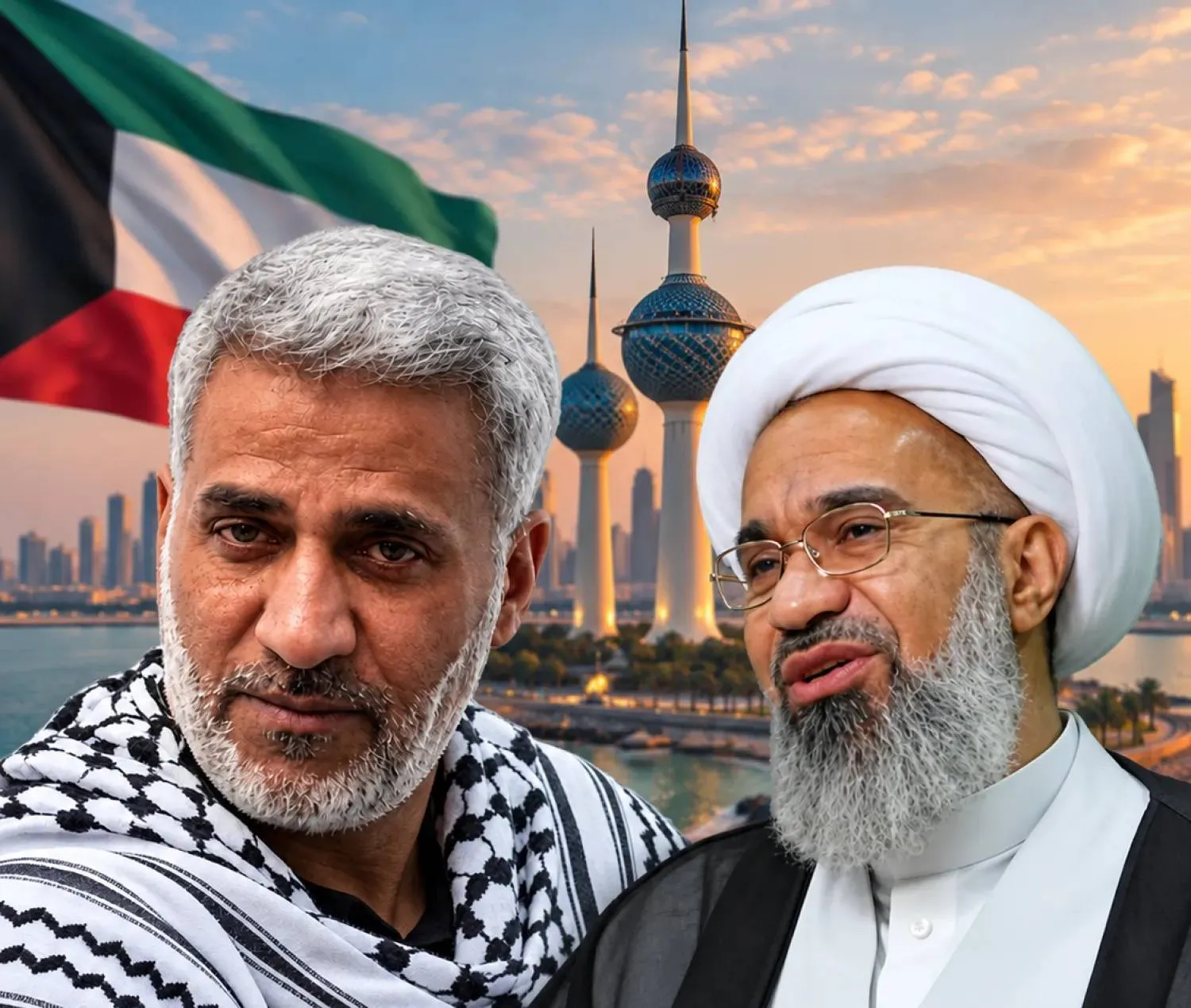
In the electoral process conducted under a single voting system, the eligible voters, numbering 793,646 individuals, have chosen 50 deputies out of a pool of 207 candidates, including 15 women.

The religious currents of the Salafists and the Muslim Brotherhood have maintained their position within the parliament, while the populist, liberal, and Shiite Islamist forces have experienced a decline.

It is nearly certain that the seasoned parliamentarian Ahmed Al-Sadoun will become the Assembly’s speaker, as the former speaker has suffered losses among many of his allies.

Deputy Saud Al-Asfour, who received the highest number of votes nationwide, told Asharq Al-Awsat that the upcoming Assembly will be more challenging for Prime Minister Ahmed Al-Nawaf than the nullified 2022 Assembly, due to the “different nature of the elected deputies.”

“The previous council was entirely aligned with Sheikh Al-Nawaf, whereas the upcoming council is expected to include some elements believed to be in disagreement with him,” Al-Asfour explained.

Al-Asfour believes that the premier bears a significant responsibility, which is “to form a strong government that is able to deal with the Assembly by establishing a cohesive team with a clear and capable plan and vision, capable of achieving some popular achievements that resonate with the people.”

Likewise, Al-Asfour contends that the members of the 2023 Assembly hold a substantial obligation to prevent the recurrence of past errors made by the legislative body in 2022. These errors primarily revolved around the absence of prioritization and the lack of coordination among the members.


Pakistan Supports Saudi Arabia, Welcomes Regional Efforts to De-escalate Situation in Yemen

The Pakistani flag is seen in Islamabad.  AP file photo
The Pakistani flag is seen in Islamabad. AP file photo
TT

Pakistan Supports Saudi Arabia, Welcomes Regional Efforts to De-escalate Situation in Yemen

The Pakistani flag is seen in Islamabad.  AP file photo
The Pakistani flag is seen in Islamabad. AP file photo

Pakistan has confirmed its support for Yemen’s unity and territorial integrity, and for all efforts aimed at achieving lasting peace and stability in the country.

The Pakistani Ministry of Foreign Affairs said in a statement issued Wednesday that Pakistan strongly opposes any unilateral actions taken by any Yemeni party that escalate the situation, undermine peace efforts, and threaten peace and stability in Yemen and the region.

The statement said Pakistan welcomes regional efforts to de-escalate the situation and maintain peace and stability in Yemen, expresses its full solidarity with Saudi Arabia, and reaffirms its commitment to the Kingdom’s security.

It added that Pakistan maintains its strong support for resolving the Yemen issue through dialogue and diplomacy, and hopes that the Yemeni people and regional powers will work together to reach a comprehensive and lasting settlement of the issue and safeguard regional stability.


Saudi-Palestinian Discussions Focus on Gaza, the West Bank

The Saudi Foreign Minister met on Wednesday in Riyadh with Vice President of the State of Palestine and Vice Chairman of the PLO's Executive Committee. SPA
TT

Saudi-Palestinian Discussions Focus on Gaza, the West Bank

The Saudi Foreign Minister met on Wednesday in Riyadh with Vice President of the State of Palestine and Vice Chairman of the PLO's Executive Committee. SPA

Saudi Minister of Foreign Affairs Prince Faisal bin Farhan bin Abdullah met on Wednesday in Riyadh with Vice President of the State of Palestine and Vice Chairman of the Executive Committee of the Palestine Liberation Organization (PLO) Hussein Al Sheikh.

During the meeting, they discussed developments in the Gaza Strip and the West Bank, including the dire humanitarian conditions facing Gaza residents, ongoing Israeli violations of the ceasefire, and Israeli escalation in the West Bank. They stressed the importance of the unhindered delivery of humanitarian aid.

The two sides also underlined the need for the release of Palestinian Authority funds, the protection of the Palestinian banking system, and commitment to implementing the comprehensive peace plan put forward by US President Donald Trump.

The meeting highlighted Saudi Arabia’s support for the reform program launched by Palestinian President Mahmoud Abbas and praised the efforts of the US president.

The two sides affirmed the importance of connecting Gaza to the West Bank and continuing efforts, in coordination with brotherly countries and international partners, to ensure the legitimate rights of the Palestinian people, including the realization of an independent state with East Jerusalem as its capital.

The meeting was attended by Advisor to the Foreign Minister for Political Affairs Prince Musab bin Mohammed Al Farhan and Minister Plenipotentiary at the Ministry of Foreign Affairs Manal Radwan.


Saudi Arabia Stresses Support for Somalia’s Sovereignty

Saudi Minister of Foreign Affairs Prince Faisal bin Farhan bin Abdullah. SPA
TT

Saudi Arabia Stresses Support for Somalia’s Sovereignty

Saudi Minister of Foreign Affairs Prince Faisal bin Farhan bin Abdullah. SPA

Saudi Minister of Foreign Affairs Prince Faisal bin Farhan bin Abdullah received a phone call on Wednesday from Somali Minister of Foreign Affairs and International Cooperation Abdisalam Abdi Ali.

Discussions stressed the importance of preserving the sovereignty, unity and territorial integrity of Somalia and addressed regional developments and other issues of mutual concern.