Letters, Diaries of Queen Elizabeth II to be Sorted
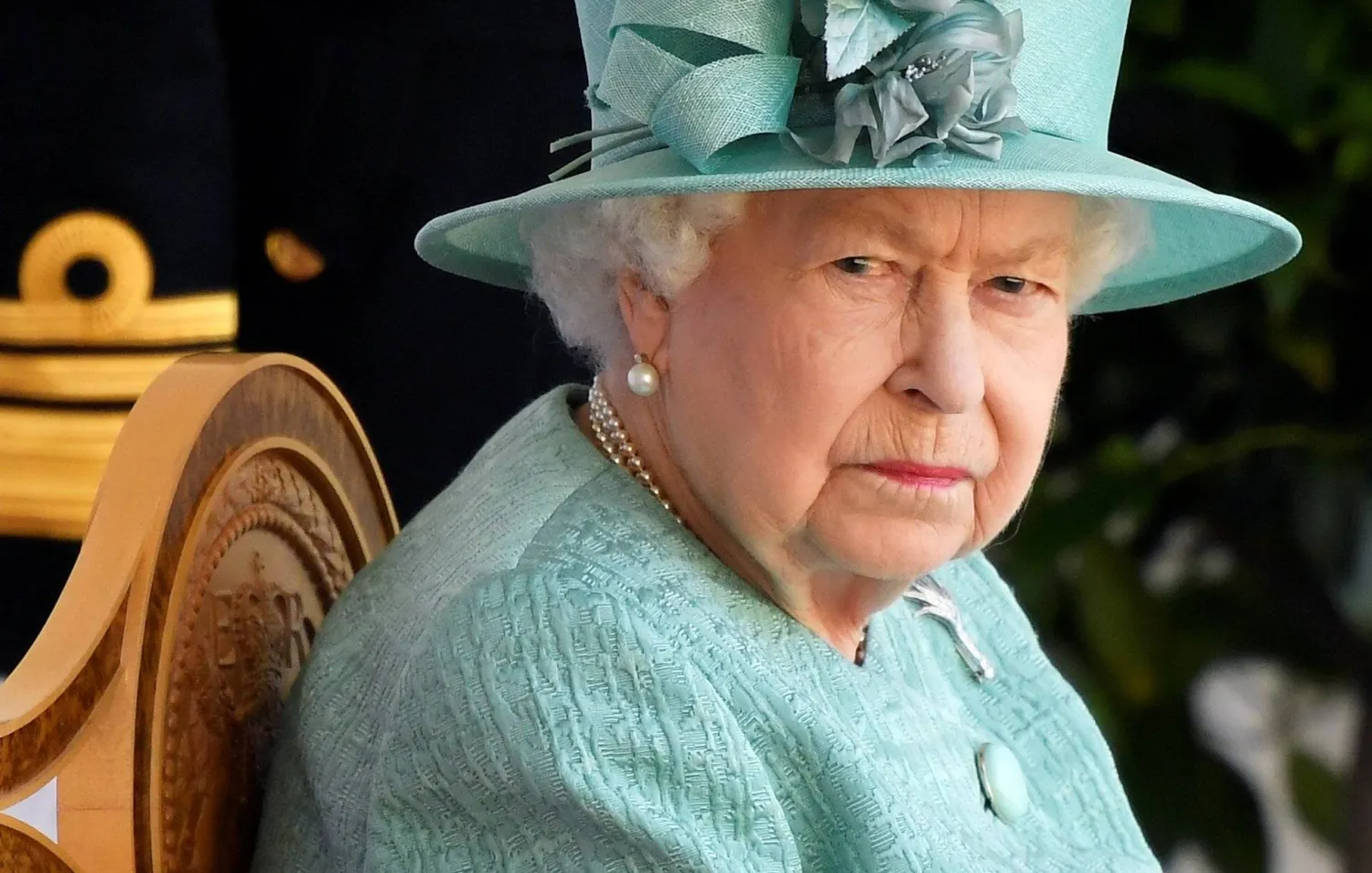
Britain's Queen Elizabeth attends a ceremony marking her
birthday at Windsor Castle in Windsor, Britain, June 13, 2020.(Reuters Photo)
A team of assistants who were close to the late Queen Elizabeth II have been assigned to sort her private diaries and letters, according to The Independent.
The team entrusted with the sensitive task of sorting through the late Queen’s private diaries and letters includes former footman Paul Whybrew, nicknamed “Tall Paul” within the royal household for his 6ft 4in stature.
Whybrew has been trusted by the King to carry out the job, The Mail reported, with the newspaper dubbing him the “keeper of the Queen’s secrets”.
It is understood to be too early to decide which documents might eventually be publicly released in the years to come from the Royal Archives.
The Queen kept a handwritten diary, which could offer an unprecedented look at the late monarch’s thoughts and views on political and family life during her long reign.
Her ancestor Queen Victoria charted her thoughts every day in her journals, and the 141 volumes of private diaries have been digitized and released online.
Whybrew, who worked for the Queen for many years, was reported to be so close to the monarch that he would sometimes sit with her watching television.
He featured in the spoof James Bond sequence shown at the London 2012 Olympics, greeting 007-star Daniel Craig at Buckingham Palace and introducing him to the Queen, before accompanying them along a corridor.
In 1982, he apprehended the intruder Michael Fagan who had broken into the Queen’s bedroom at the Palace, with the footman congenially distracting him by offering him a drink and serving him a whisky.
Whybrew is working two days a week on the project, using gloves to protect the papers from the Queen’s desk as he sifts through letters and correspondence.
Separation Surgery for Fijian Conjoined Twins Begins in Riyadh Under Royal Directiveshttps://english.aawsat.com/varieties/5329853-separation-surgery-fijian-conjoined-twins-begins-riyadh-under-royal-directives
The medical and surgical team of the Saudi Conjoined Twins Program began Thursday the separation surgery for 13-month-old Fijian conjoined twins Jasbili and Desisia at King Abdullah Specialist Children’s Hospital in Riyadh. (SPA)
Separation Surgery for Fijian Conjoined Twins Begins in Riyadh Under Royal Directives
The medical and surgical team of the Saudi Conjoined Twins Program began Thursday the separation surgery for 13-month-old Fijian conjoined twins Jasbili and Desisia at King Abdullah Specialist Children’s Hospital in Riyadh. (SPA)
Acting on the directives of the Custodian of the Two Holy Mosques, King Salman bin Abdulaziz Al Saud, and Prince Mohammed bin Salman bin Abdulaziz Al Saud, Crown Prince and Prime Minister, the medical and surgical team of the Saudi Conjoined Twins Program began Thursday the separation surgery for 13-month-old Fijian conjoined twins Jasbili and Desisia at King Abdullah Specialist Children’s Hospital in Riyadh.
Supervisor General of the King Salman Humanitarian Aid and Relief Center and head of the program’s surgical team Dr. Abdullah Al Rabeeah said in a statement that the twins arrived in the Kingdom on July 21, 2026. The medical team conducted a thorough assessment, including comprehensive medical examinations and several consultations. It concluded that the twins were conjoined at the abdomen and pelvis and shared the liver, intestines, colon, anus, urinary system, reproductive system, and pelvic bone.
He explained that the medical and surgical team has planned the procedure to be carried out in nine stages, with an estimated duration of approximately 15 hours. A total of 34 individuals, including consultants, specialists, and technical and nursing staff, are participating in the operation.
Al Rabeeah stated that, based on medical assessment, this is a complex procedure with a success rate of 70%.
He noted that this marks the first separation of conjoined twins from the Republic of Fiji and is the 74th case handled by the Saudi Conjoined Twins Program. Since 1990, the program has provided care for 159 sets of conjoined twins from 28 countries across five continents.
Still Smiling at 117, Albanian May be World's Oldest Womanhttps://english.aawsat.com/varieties/5329836-still-smiling-117-albanian-may-be-worlds-oldest-woman
The 117-year-old Qamile Marra holds a black and white photograph from her youth during an interview with AFP in the garden of her home in the village of Ferras, near Kucove, some 80 kilometres from the capital Tirana on October 3, 2026. (Photo by Adnan Beci / AFP)
Still Smiling at 117, Albanian May be World's Oldest Woman
The 117-year-old Qamile Marra holds a black and white photograph from her youth during an interview with AFP in the garden of her home in the village of Ferras, near Kucove, some 80 kilometres from the capital Tirana on October 3, 2026. (Photo by Adnan Beci / AFP)
At 117, Qamile Marra is not particularly concerned with proving she may be the world's oldest woman -- or even persuading Albanian pension officials that she is not dead.
For a woman born under Ottoman rule, who turned 36 a fortnight before the end of World War II and outlived Albania's communist dictatorship, her focus remains firmly on enjoying life.
"Life is beautiful, like Mount Tomorr in bloom," she told AFP with a smile, referring to one of Albania's loftiest peaks as she sat outside her home in Ferras, about 100 kilometers (60 miles) south of the capital.
Surrounded by fruit trees, Marra has spent almost her entire life in the village, growing her own food and tending livestock.
"You live as long as God has decreed," she said, her deeply wrinkled face framed by a traditional white headscarf.
According to her birthdate as listed on several official documents -- August 19, 1909 -- Marra would be two days older than Britain's Ethel Caterham, recognized by Guinness World Records as the world's oldest living woman.
Definitively proving the age of "supercentenarians" can be difficult.
Many of the people famous for living the longest are from places where shoddy recordkeeping and suspected pension fraud are rampant, according to a study that won the 2024 Ig Nobel prize, which awards offbeat scientific research.
But Marra has extensive records that appear to confirm her age.
Her relatives have contacted Guinness and hold a birth certificate issued in 1945, a passport issued in 1978 and a recent identity card, all showing the same date of birth.
Her age even surprised local authorities, who stopped her pension when she turned 100, according to her 80-year-old son Hysen.
"They didn't believe my mother was still alive," he said, recalling how he had to show proof, including witness statements, to resume the meagre payments.
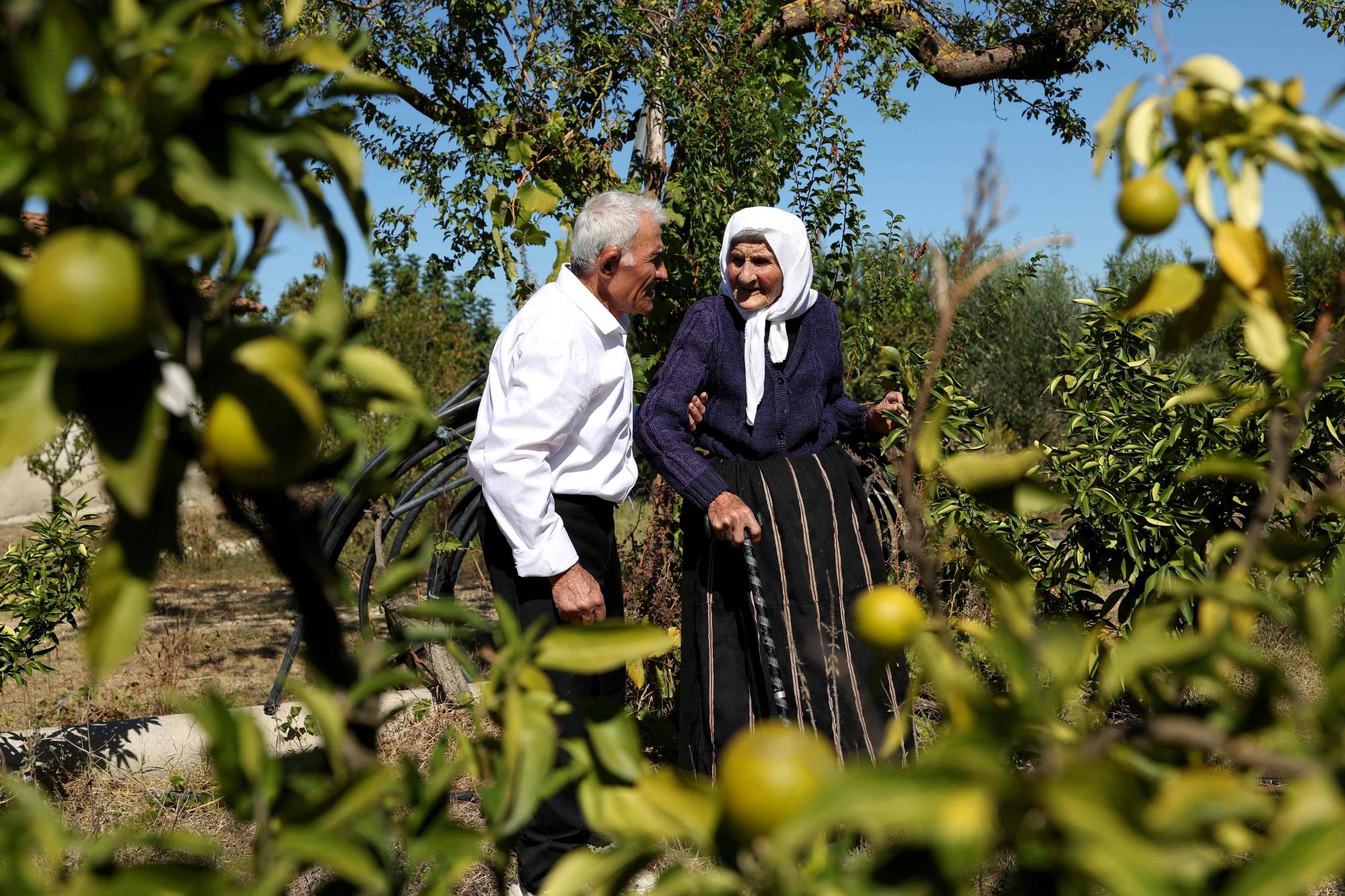
The 117-year-old Qamile Marra speaks with her son Hysen Marra, 80, in the garden of her home in the village of Ferras, near Kucove, some 80 kilometres from the Albanian capital Tirana on October 3, 2026. (Photo by Adnan Beci / AFP)
Earlier this month, the government issued her a special state pension to mark her age.
Perhaps the answer lies in Marra's habits and lifestyle.
She rises early to sweep the yard, water her flowers and feed the chickens before settling down with her favorite coffee.
She still enjoys regular walks through her carefully tended orchard with her son, who lives with her, stopping to pick ripe pomegranates along the way.
She also slips basil leaves in her pockets to "enjoy the aroma.”
Whatever the secret, her son says she has never even visited a doctor.
"She is in good health and has never taken any medication."
Marra's husband died 36 years ago, but she still smiles when talking about their decades together -- an arranged marriage, but a loving one.
"Otherwise, how could I have had seven children with him?" she said.
She has now seen five generations of her family grow up around her.
Tears welled up as she remembered the family and friends she had lost. But her face brightened when a niece called to chat.
"I've watched them get engaged, marry and build their own homes and lives," she said.
"When I see people coming and going in the house, I am so happy."
From her own youth, she has kept a single photograph: a near-century-old picture of a young woman wearing a white scarf just like the one she had on.
"I was 18!" she said.
'Distressed' Family of UK Man Killed by Tiger Urge End to Online Postshttps://english.aawsat.com/varieties/5329803-distressed-family-uk-man-killed-tiger-urge-end-online-posts
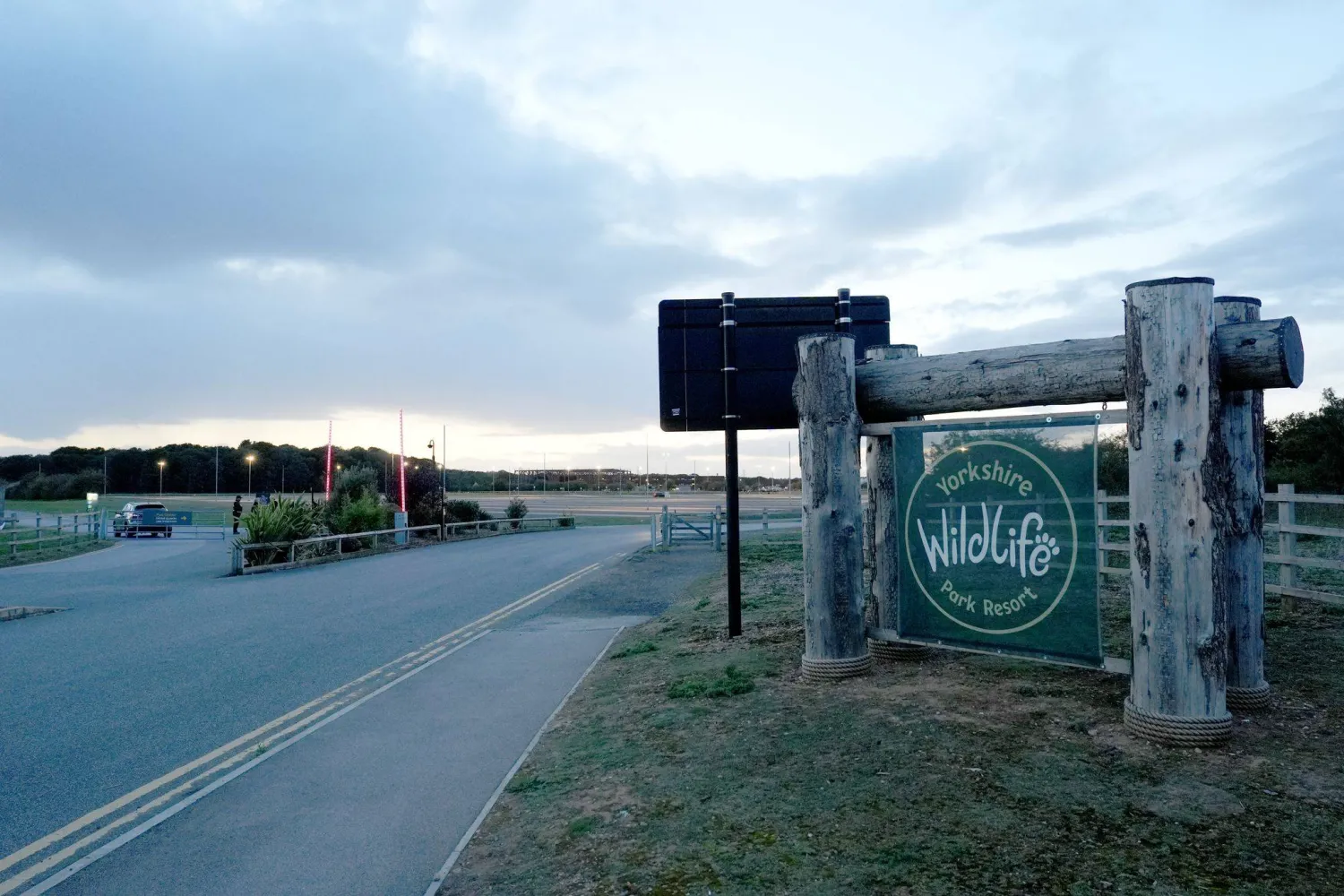
10 October 2026, United Kingdom, Doncaster: A view of the entrance to Yorkshire Wildlife Park in Doncaster, where a man has died after suffering serious injuries in a tiger enclosure at Yorkshire Wildlife Park. Photo: Annabel Lee-Ellis/PA Wire/dpa
'Distressed' Family of UK Man Killed by Tiger Urge End to Online Posts
10 October 2026, United Kingdom, Doncaster: A view of the entrance to Yorkshire Wildlife Park in Doncaster, where a man has died after suffering serious injuries in a tiger enclosure at Yorkshire Wildlife Park. Photo: Annabel Lee-Ellis/PA Wire/dpa
The family of a mentally ill man killed by a tiger at a UK wildlife park have urged people to stop posting "deeply offensive media content" of the attack, as US President Donald Trump uploaded disturbing footage online.
William Chapman, 23, died from his injuries after being attacked by a tiger when he entered its enclosure on Saturday at the Yorkshire Wildlife Park, near the northern English city of Doncaster.
In an online tribute, his family late Tuesday described Chapman as a "bright, warm and engaging young man" who had been suffering from "significant mental illness over a number of years.”
And they questioned whether the strong medication he was prescribed may have played a role in the incident, while the park remained closed for a fifth day on Wednesday.
"The family are utterly devastated by their loss and are struggling to come to terms with what has happened," AFP quoted them as saying.
"The publication and circulation of deeply offensive media content is causing them severe distress at an exceptionally vulnerable time. We ask people to stop doing this."
Trump posted footage to his 13 million followers on his Truth Social account on Tuesday of Chapman being fatally mauled by the male Amur tiger, sparking a backlash on social media.
Trump, who regularly posts provocative material on social media, captioned his post "Don't ever mess with nature!.”
The 41-second clip was also later shared by the White House's "Rapid Response 47" account on X.
And Trump followed it with a video clip of apparently AI-generated visuals of individuals being mauled by big cats.
Later Tuesday, Trump doubled down and posted an AI-generated video of himself wrestling and befriending a smiling tiger, to the tune of "The Lion Sleeps Tonight.”
Users on X, where the "Rapid Response 47" account has 2.3 million followers, questioned the president's judgment, with one calling the post "sick.”
"I'm a big supporter but not a fan of this post. To each his own," wrote another.
An inquest into Chapman's death is due to open on Thursday in Doncaster.
He was visiting the zoo alone and it remains unclear how he entered the enclosure. He was pronounced dead at the scene after emergency services were called.
According to videos posted online, Chapman appeared to have filmed the inside of the enclosure with his mobile phone and the moment he approached the tiger.
Visitors to the park had also filmed the incident from a raised 300-meter (985-feet) long walkway which looks down on to the park's "Land of the Tigers" feature.
The walkway allows visitors to view the park's Amur tigers, also known as Siberian tigers, in their enclosure featuring woodland, grassland and a waterfall pool.
There are estimated to be only around 500 of the endangered subspecies left in the wild.
The park has said the tiger involved, called Atai, was safe and well, and would not be put down.
لم تشترك بعد
انشئ حساباً خاصاً بك لتحصل على أخبار مخصصة لك ولتتمتع بخاصية حفظ المقالات وتتلقى نشراتنا البريدية المتنوعة