Eiffel Tower Loses Sparkle for Parisians ahead of Olympics

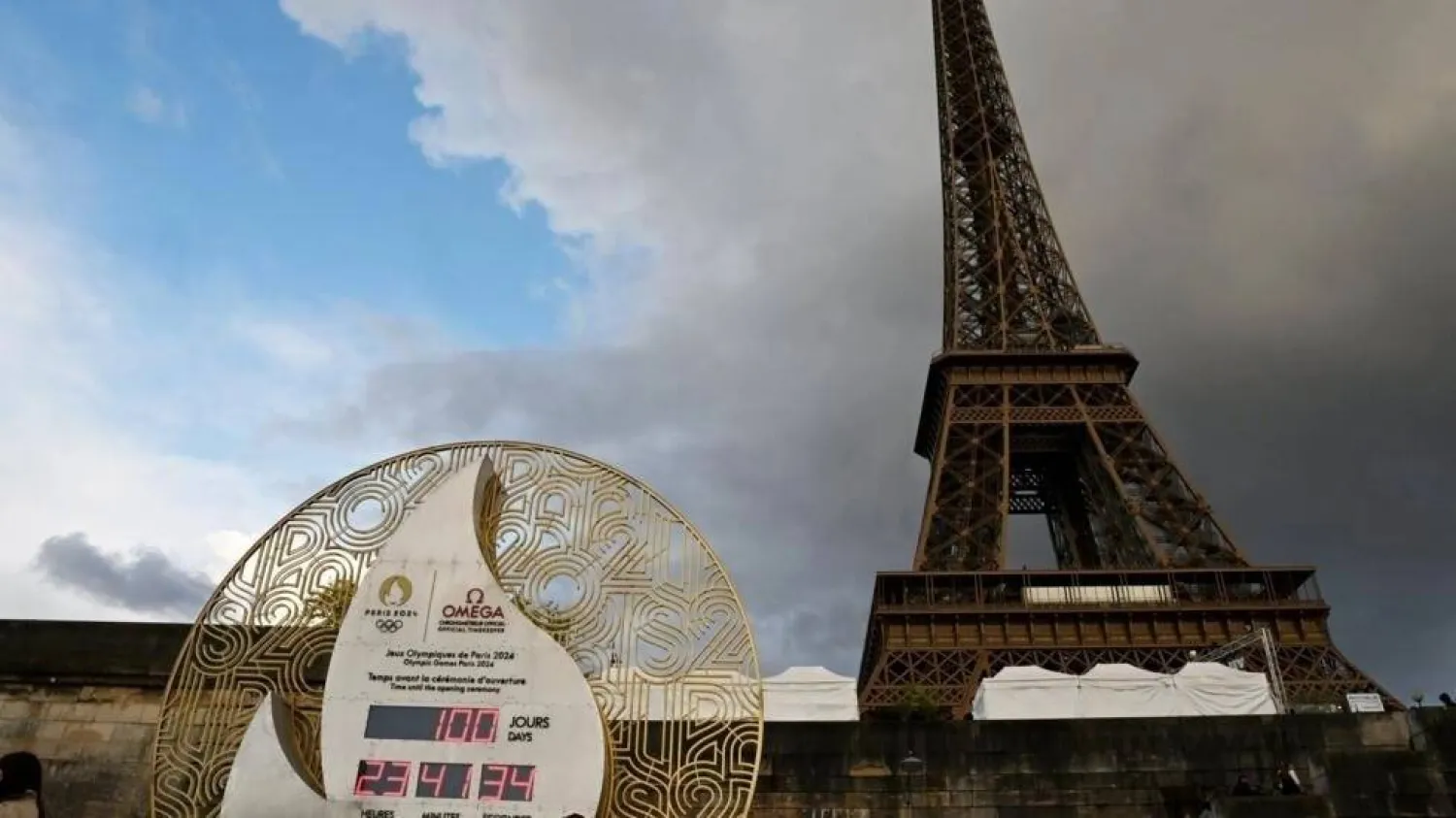
Parisian landmark The Eiffel Tower has lost its lustre for many who live near it due to crime and grime © Stefano RELLANDINI / AFP
TT

Eiffel Tower Loses Sparkle for Parisians ahead of Olympics

Parisian landmark The Eiffel Tower has lost its lustre for many who live near it due to crime and grime © Stefano RELLANDINI / AFP

The Eiffel Tower is set for a starring role during the Paris Olympics this year, but the landmark and its park have become symbols of the capital's struggles with cleanliness and crime.
In the shadow of the 330-meter (1,082-foot) monument, workers are already building the temporary stadium that will host the beach volleyball during the Games, which start on July 26, AFP said.
The opening ceremony along the river Seine will also finish in front of the attraction, while judo and wrestling will take place in a semi-permanent exhibition space at the far end of its park.
Although the sport will look spectacular in the TV coverage, behind the scenes the area has become a lightning rod for complaints about the management of public space in the capital and the pressures of mass tourism.
"It's very dirty and it's getting worse and worse," local resident Frederic Mabilon, 78, told AFP as she walked her dog in the Champ-de-Mars park beneath the iron monument known as the "Iron Lady".
Mabilon remembers visiting the area as a child, enjoying the merry-go-rounds and play areas that have been closed ahead of the Olympics -- much to the anger of their operators.
"Look there," she said, pointing to a man urinating on the fence of one of the homes that line the park. "It happens all the time. There aren't enough toilets."
Mikael Dalle, a 53-year-old local out with his son, said he was bothered by the illegal hawkers who shout out to passers-by, offering unlicensed food and drinks, trinkets and berets.
"It's definitely got worse and we've lived around here for the last eight years," he said.
- Street crime -
Around seven million people ascend the Eiffel Tower each year and many more pose for photos, eat picnics, or play ball games in the Champ-de-Mars.
With so many visitors, the park's lawns are often rubbed bare, while at night they are left strewn with rubbish by revelers.
"You should see it at 6 o'clock in the morning. It's catastrophic," complained another local dog walker, Louis, 53, who preferred not to give his surname.
Left-over food and overflowing bins are a delight for the flourishing local rat population.
And while low-level street crime such as pick-pocketing and scams have long been a feature of Paris's tourist hotspots, two alleged rapes took place on the Champ-de-Mars at night last year, shocking locals.
"I've told my eldest daughter not to walk through here in the dark," Louis explained.
The right-wing opponents of Socialist mayor Anne Hidalgo blame her for the problems, with local senator Agnes Evren claiming the area has turned into "the far-west".
Even the tower's workers are unhappy, launching a five-day strike in February to protest against its state of disrepair and demanding the city spend more on painting and anti-rust protection.
- 'Paris will shine' -
Hidalgo, an eco-minded left-winger re-elected for a second term in 2020, is admired by many for her policies to restrict cars and promote cycling.
But she has also been dogged by complaints about cleanliness, with a survey in 2021 suggesting eight out of ten Parisians found their city "dirty".
An online campaign in 2021 called #saccageParis (#TrashedParis), in which residents shared pictures of filth or ugliness, struck a chord in a city that prides itself on its elegance.
To tackle the security problems, police announced a major operation for the Eiffel Tower area last June, leading to several dozen police officers on the ground per day.
"We've had excellent results in this area as well as other tourist zones in Paris," Paris police chief Laurent Nunez told AFP last week.
"But we need to continue. The Olympics are coming," he added.
The number of reported physical assaults fell by 58 percent to 21 incidents in the first quarter of the year compared with the same period of 2023, while property crimes were down 18 percent, he said.
Much of the Champ-de-Mars now stands behind steel fencing, its protected lawns growing back, its gardeners busy preparing it for hundreds of thousands of foreign sports fans.
"Paris will shine, Paris will be beautiful, Paris will be ready to welcome the world," deputy mayor Emmanuel Gregoire promised last week.



Caffeinated Beverages May Help Protect the Brain, Study Says

A cup of coffee and a cappuccino are seen at a Juan Valdez store in Bogota, Colombia June 5, 2019. (Reuters)
TT

Caffeinated Beverages May Help Protect the Brain, Study Says

A cup of coffee and a cappuccino are seen at a Juan Valdez store in Bogota, Colombia June 5, 2019. (Reuters)

Drinking a few cups of caffeinated coffee or tea every day may help in a small way to preserve brain power and prevent dementia, researchers reported on Monday.

People with the highest daily intake of caffeinated coffee had an 18% lower risk of developing dementia compared to those with the lowest such intake, according to a study based on responses to questionnaires by 132,000 U.S. adults spanning four decades.

The study, published in JAMA, also found that the people with the highest intake had a lower rate - by nearly 2 percentage points - of ‌self-perceived memory ‌or thinking problems compared to those with ‌the ⁠lowest intake.

Results were ‌similar with caffeinated tea, but not with decaffeinated beverages, the researchers said.

While the findings are encouraging, the study does not prove caffeine helps protect the brain, they said.

The magnitude of caffeine's effect, if any, was small, and there are other better-documented ways to protect cognitive function as people age, study leader Dr. Daniel Wang ⁠of Harvard Medical School said in a statement.

Lifestyle factors linked with lower risks of ‌dementia include physical exercise, a healthy diet ‍and adequate sleep, according to previous ‍research.

"Our study suggests that caffeinated coffee or tea consumption can ‍be one piece of that puzzle," Wang said.

The findings were most pronounced in participants who consumed two to three cups of caffeinated coffee or one to two cups of caffeinated tea daily, the researchers reported.

Those who drank caffeinated coffee also showed better performance on some objective tests of cognitive function, according to the ⁠study funded by the National Institutes of Health.

Further research is needed to validate the factors and mechanisms responsible for the findings, the researchers said.

They noted that bioactive ingredients in coffee and tea such as caffeine and polyphenols have emerged as possible factors that reduce nerve cell inflammation and damage while protecting against cognitive decline.

"We also compared people with different genetic predispositions to developing dementia and saw the same results - meaning coffee or caffeine is likely equally beneficial for people with high and low genetic risk of developing ‌dementia," study coauthor Dr. Yu Zhang of the Harvard T.H. Chan School of Public Health said in a statement.


AlUla Announces Exceptional Ramadan Experiences

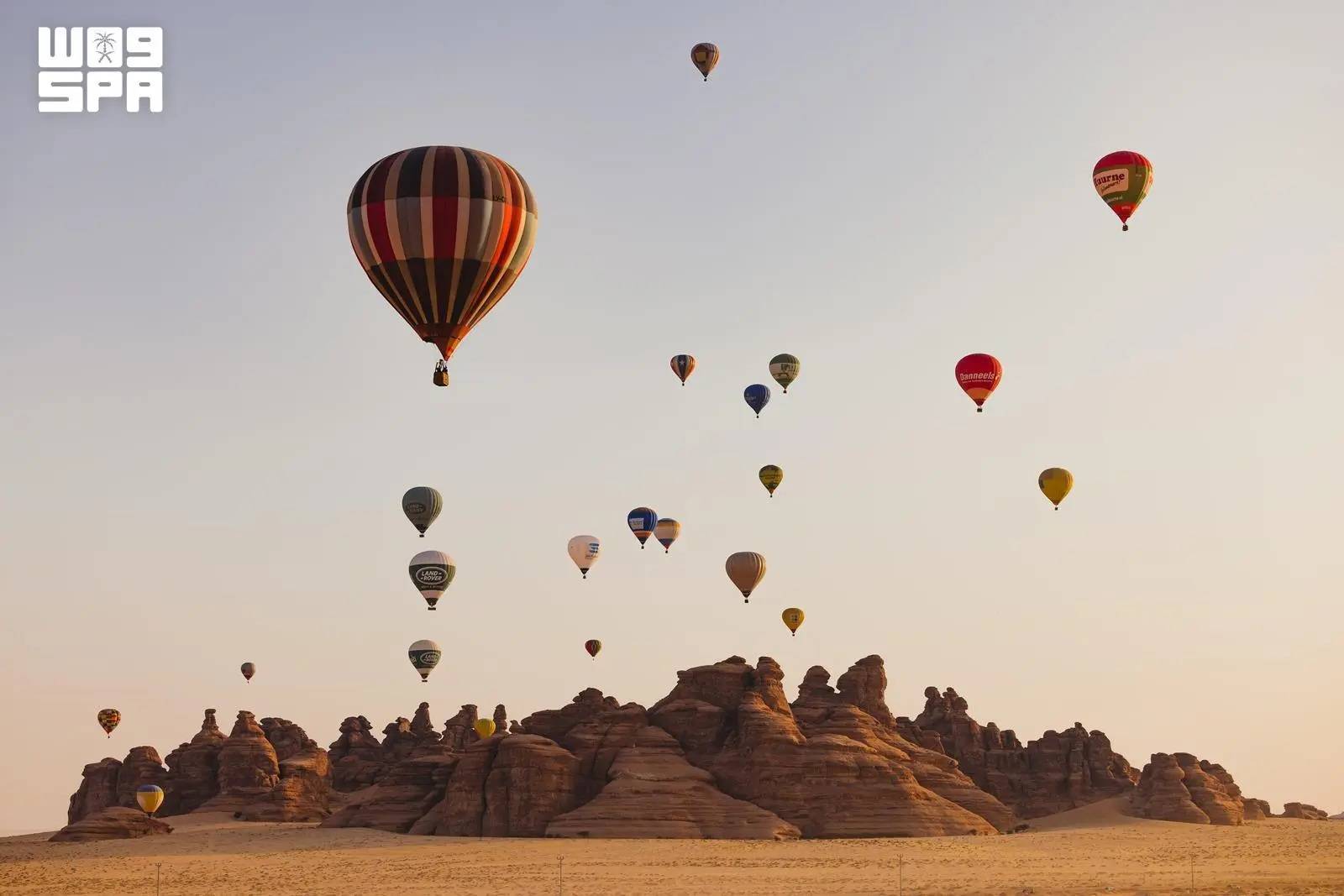
These programs come as part of efforts to enhance AlUla’s tourism experience - SPA
TT

AlUla Announces Exceptional Ramadan Experiences

These programs come as part of efforts to enhance AlUla’s tourism experience - SPA

AlUla Governorate is welcoming the holy month of Ramadan this year with a wide range of diverse tourism experiences that reflect the area’s distinctive character and rich cultural heritage, reinforcing its position as one of the Kingdom’s most prominent destinations to visit during the holy month.

During Ramadan, AlUla offers an integrated experience catering to different visitor preferences, including guided stargazing experiences, cultural events, and night markets, in addition to traditional dining experiences for Iftar and Suhoor, embodying the depth of AlUla’s cultural heritage and local identity.

The Ramadan programs in AlUla include a variety of standout events, such as Ramadan experiences at Maraya Hall, a cultural market, and live performances in the atmosphere of Ashar Valley, alongside heritage tours in AlUla Old Town that narrate stories of AlUla and its Ramadan customs, including the award-winning Incense Road Experience, SPA reported.

The programs also feature seasonal art exhibitions hosted across multiple cultural venues, including Design Space AlUla, the fourth edition of Desert X AlUla, and the Arduna exhibition at AlUla Oasis, in addition to experiences combining art, nature, and stargazing at Daimumah Oasis in collaboration with AlUla Manara.

Visitors are also offered tours to prominent archaeological sites, including Hegra, Dadan, and Jabal Ikmah, to explore ancient sites dating back centuries BCE and view unique rock inscriptions, as well as adventure experiences ranging from dinner and stargazing in Sharaan, hot-air balloon rides, mountain hiking trails, and safari tours.

These programs come as part of efforts to enhance AlUla’s tourism experience during the holy month of Ramadan and provide diverse options that meet visitor expectations, contributing to the growth of tourism activity and showcasing the governorate’s natural and cultural assets.


NCW Releases over 10,000 Animals under Reintroduction Programs

The releases carried out by the center over the past years included more than 80 priority wildlife species - SPA
TT

NCW Releases over 10,000 Animals under Reintroduction Programs

The releases carried out by the center over the past years included more than 80 priority wildlife species - SPA

The National Center for Wildlife (NCW) announced that the total number of wildlife animals released under its breeding and reintroduction programs for locally threatened species has exceeded 10,000 animals, an achievement reflecting the scale of the center’s sustained efforts to develop wildlife, restore ecosystems, and enhance biodiversity across various regions of the Kingdom.

The releases carried out by the center over the past years included more than 80 priority wildlife species, including reem gazelles (sand gazelles), Arabian oryx, Idmi gazelles, mountain ibex, houbara bustards, ostriches, and sandgrouse, as part of efforts aimed at supporting the recovery of natural populations of these species and enhancing their sustainability within their environmental and historical ranges, SPA reported.

CEO of NCW Dr. Mohammad Qurban noted that release operations are among the key tools for restoring ecosystems and reducing ecological imbalance, as the return of wildlife to their natural habitats contributes to protecting biodiversity and improving environmental quality, which in turn supports habitat integrity, the continuity of plant and animal components, and the enhancement of ecosystem functions over the long term.

NCW continues to implement its strategic plans to develop wildlife, protect endangered species, and enhance the efficiency of natural habitat management through expanding breeding programs, enhancing applied scientific research, building national capacities, and applying the best international practices in biodiversity management, in addition to raising environmental awareness, engaging local communities, and supporting eco-tourism, thereby contributing to achieving the objectives of the Saudi Green Initiative and Saudi Vision 2030, and the National Environment Strategy, toward thriving and sustainable wildlife, biodiversity, and ecosystems.