


Spouse of Saudi Crown Prince Announces Launch of Misk Heritage Museum 'Asaan' in Diriyah 

The museum, set to open in the coming years in the heart of historical Diriyah aims to become a global cultural hub celebrating both tangible and intangible Saudi heritage. (SPA)
TT

Spouse of Saudi Crown Prince Announces Launch of Misk Heritage Museum 'Asaan' in Diriyah 

The museum, set to open in the coming years in the heart of historical Diriyah aims to become a global cultural hub celebrating both tangible and intangible Saudi heritage. (SPA)

Princess Sara bint Mashhour bin Abdulaziz, spouse of Saudi Crown Prince Mohammed bin Salman Al Saud, announced the launch of the programming for the Misk Heritage Museum "Asaan," reported the Saudi Press Agency on Monday.

The museum, set to open in the coming years in the heart of historical Diriyah—one of the Kingdom's most important heritage sites—aims to become a global cultural hub celebrating both tangible and intangible Saudi heritage. Supported by the Mohammed bin Salman Foundation, "Misk," the museum will significantly contribute to cultural sustainability through its diverse programs and activities.

As a non-profit organization, the museum is dedicated to preserving and celebrating Saudi Arabia’s rich and diverse heritage.

It will feature a wide range of heritage artifacts and collectibles displayed in interactive exhibitions and inspiring spaces, offering visitors immersive experiences that take them on a journey through time. These experiences aim to foster a deep connection to cultural roots, making heritage vibrant, relevant, and profound for both current and future generations.

The museum's mission aligns with the objectives of Saudi Vision 2030, emphasizing cultural sustainability and the preservation of Saudi identity.

At the announcement, Princess Sara bint Mashhour bin Abdulaziz, Chairperson of the Asaan, stated: "Our goal is to cultivate a generation that takes pride in its heritage and actively works to preserve and revitalize it. Asaan will showcase the Kingdom's rich legacy, including artifacts, customs, and societal values. This commitment reflects our national identity, connects our past with the present, and ensures that our heritage is sustained for future generations."

Asaan will span over 40,000 square meters and feature an innovative design by Zaha Hadid Architects. The design, inspired by traditional Najdi architectural styles, will reflect the Kingdom's identity while embodying modern creativity.

The museum is dedicated to preserving and celebrating Saudi Arabia’s rich and diverse heritage. (SPA)

Upon its opening, the museum will house thousands of heritage artifacts and collectibles that tell vivid stories of the past and provide insights into the ways of life experienced by Saudi generations throughout history.

In collaboration with entities affiliated with the Misk Foundation, the museum aims to benefit from global expertise and establish partnerships to ensure integrated efforts in cultural preservation. These collaborations will strengthen the Kingdom’s position as a global leader in investing in its cultural heritage.

The museum will host various spaces, including permanent exhibitions, art galleries, and an arts courtyard where visitors can connect with Saudi Arabia's rich and multifaceted heritage. It will also feature "Asaan’s Majlis," a space dedicated to fostering dialogue, sharing ideas, and hosting workshops focused on reviving heritage.

With conservation labs and interactive learning programs, the museum will create immersive experiences that bring the Kingdom’s history and culture to life in dynamic and accessible ways.

The Asaan Museum is set to become a key landmark in Saudi Arabia's cultural landscape. Through its partnership with the Misk Foundation, Asaan will leverage global expertise to further boost the Kingdom's reputation as a leader in cultural heritage preservation and celebration.

Princess Sara’s unwavering commitment to preserving Saudi heritage is evident in the innovative and contemporary approaches championed by Asaan. She actively supports cultural programs that revive Saudi heritage through artistic and social initiatives. She is also dedicated to empowering individuals, particularly youth and people with disabilities, by enhancing their educational and professional skills. These efforts align with the broader goals of the non-profit sector under the framework of Saudi Vision 2030.


Rome’s Colosseum Gets a Fresh Look That Recreates the Footprints of Long-Gone Columns

The inauguration of the new layout and archaeological area of the southern ambulacra of the Colosseum in Rome, Italy, 17 March 2026. (EPA)
TT

Rome’s Colosseum Gets a Fresh Look That Recreates the Footprints of Long-Gone Columns

The inauguration of the new layout and archaeological area of the southern ambulacra of the Colosseum in Rome, Italy, 17 March 2026. (EPA)

The Colosseum has a bright new look following a restoration using the same travertine marble of ancient Rome to recreate parts of columns from 2,000 years ago.

Thousands of Romans once flocked to this arena to watch gladiators battle each other and wild animals. The structure still captures the public's imagination; it is Italy’s most popular tourist destination, with 9 million visitors in 2025 alone.

The project focused on a semicircular piazza outside the arena, where Roman spectators crowded under two arcades comprised of marble columns stretching up to 50 meters (164 feet) high. People stood in these arcades as they waited to pass through the entrances and take their seats.

Those arches are long gone, collapsing over the centuries from earthquakes and unstable ground. But now, tourists will be able to sit on large travertine marble slabs where their columns once stood and read reproductions of the Roman numerals that indicated seat sections.

“These blocks of travertine marble are placed, located exactly where the pillars, the original pillars were based,” said Italian architect Stefano Boeri, who designed the piazza. “The idea we had was to give back to the public the perception of the proportion of the arcades and the proportion of the vaults of the arches that were used to enter in the center of the Colosseum.”

Over time, the outside area became filled with detritus, including pieces of ruins, and overgrown with weeds.

Restorers began by digging a meter (yard) to where the travertine paving stones once covered the entrance area. They discovered coins, statues, animal bones and a gold ring. Deeper down is the secret underground passageway where Emperor Commodus used to enter the Colosseum while avoiding the hoi-polloi, and which was opened to the public last year.

Restorers sourced the new slabs of travertine from the same quarries where the ancient Romans retrieved theirs — and that today are used build a new generation of religious buildings, banks, museums, government buildings and private homes.

“From the beginning we understood only one thing and that was that we wanted to be involved,” Fabrizio Mariotti, head of the Mariotti Carlo stonecutting firm that has been carving travertine to order for four generations in Tivoli, said Tuesday while sitting on a slab of the stone.

“For a family like ours that has been working with travertine for four generations, working at the Colosseum, which is the symbol not only of Rome but also of this material, is so important.”

Earlier this year, the city of Rome opened two new subway stations, one deep beneath the Colosseum completing a multi-billion euro metro project. The restoration of the Colosseum’s perimeter was done using compensatory funds from the metro, project officials said.


Northern Arabia Archaeological Site Reveals 13,500-Year-Old Human Settlement

The study documented human settlement at the site dating back about 13,500 years. (Saudi Ministry of Culture)
TT

Northern Arabia Archaeological Site Reveals 13,500-Year-Old Human Settlement

The study documented human settlement at the site dating back about 13,500 years. (Saudi Ministry of Culture)

The Saudi Heritage Commission, one of 11 sector-specific commissions under the Ministry of Culture, announced findings documenting archaeological evidence of early human settlement in northern Arabia. The scientific study presenting the evidence has been published in the journal Nature.

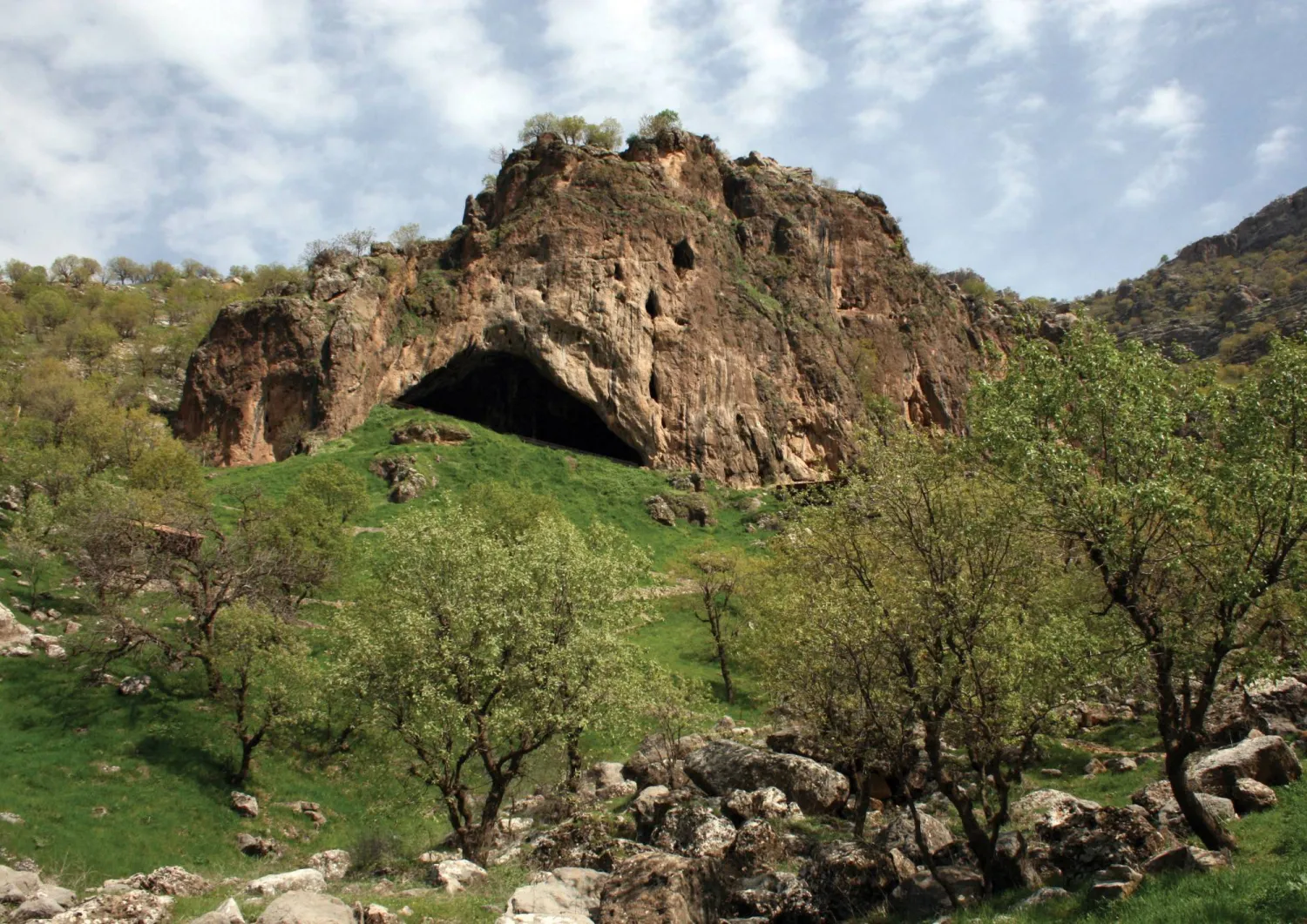
The findings, presented in the scientific study titled “The Natufian Epipalaeolithic and Pre-Pottery Neolithic in the desert of northern Arabia,” are based on advanced excavation and scientific analysis conducted at the Sahout site, an archaeological site located on the southern edge of the Nefud Desert between the Arnan and Al-Misma mountains.

The site occupies a strategic geographic position linking internal desert environments with settlement networks connected to the Levant, making it a key location for understanding early human movement and dispersal in the region during the late Ice Age and the beginning of the Holocene.

The study documented human settlement at the site dating back about 13,500 years. Stratified excavations uncovered distinctive stone tools, most notably Helwan bladelets - small, finely crafted stone implements used as arrowheads or as components of hunting tools.

These artifacts are important archaeological indicators associated with the Natufian culture. Their discovery at the Sahout site confirms the presence of human communities possessing advanced technical skills and the ability to adapt to desert environments. It also reflects the connection of the Arabian Peninsula to broader cultural networks extending to the Fertile Crescent during this early period.

The discovery also revealed a later settlement phase dating between approximately 10,300 and 8,700 years ago, characterized by greater settlement density and technological development in stone industries. Archaeologists discovered Abu Salem points, a type of finely crafted arrowhead used in hunting.

These findings provide important evidence of advanced human societies with sophisticated technological skills, reflecting a high level of organization and environmental knowledge during the Pre-Pottery Neolithic period and confirming the presence of developed human settlement in northern Arabia during that time.

Geochemical analyses of the obsidian used to manufacture the stone tools showed that the material originated from Jabal Al-Abyad in the Khaybar region, about 190 km south of the site. This indicates the existence of extensive communication and exchange networks, demonstrating that early communities were capable of traveling long distances to obtain resources from distant areas and highlighting advanced levels of cultural and technological interaction among populations in the region.

The study documented a direct link between human settlement and rock art at the site. Carving tools were found within dated archaeological layers alongside artistic elements depicting life-size camels and human figures.

These discoveries provide a precise chronological framework for the development of artistic expression in northern Arabia, confirming that artistic production was an integral part of the cultural life of the communities inhabiting the area during these early periods.

The findings reaffirm the Kingdom’s commitment to cultural preservation, historical understanding, and knowledge development.


Qasr Al-Shariah Mosque: An Architectural and Cultural Landmark

The Qasr Al-Shariah Mosque in Al-Haytham, Al-Kharj Governorate.(SPA)
TT

Qasr Al-Shariah Mosque: An Architectural and Cultural Landmark

The Qasr Al-Shariah Mosque in Al-Haytham, Al-Kharj Governorate.(SPA)

The Prince Mohammed bin Salman Project for Development of Historical Mosques focuses on preserving and restoring historical mosques across Saudi Arabia while enhancing their architectural integrity and highlighting their cultural and religious significance. The initiative aligns with Saudi Vision 2030 goals.

The Qasr Al-Shariah Mosque in Al-Haytham, Al-Kharj Governorate, exemplifies this effort. Closely tied to the governorate's history, it has served as a center for worship and community gatherings for decades, the Saudi Press Agency reported Sunday.

Built in 1338 AH during the reign of King Abdulaziz bin Abdulrahman, the mosque features traditional Najdi architecture, constructed from mud and stone with a roof made of tamarisk wood and palm fronds. Historically, it hosted Quranic classes and religious lessons.

Originally covering 314 square meters and accommodating around 90 worshippers, the mosque has been renovated to expand its area to 371 square meters and increase capacity to 150 worshippers, with the addition of essential facilities.

The project blends traditional building practices with modern techniques to ensure sustainability while preserving each mosque’s architectural identity. It also engages local heritage specialists under the supervision of Saudi engineers to achieve four key objectives: rehabilitating mosques for worship, restoring architectural authenticity, showcasing the Kingdom's civilizational heritage, and enhancing the cultural significance of historical mosques for future generations.