Saudi Preparations Complete to Receive 2,400 Qatari Hajj Pilgrimshttps://english.aawsat.com/home/article/992856/saudi-preparations-complete-receive-2400-qatari-hajj-pilgrims
Saudi Preparations Complete to Receive 2,400 Qatari Hajj Pilgrims
Preparations are complete to receive 2,400 Qatari pilgrims for the annual Hajj. (AFP)
Saudi Preparations Complete to Receive 2,400 Qatari Hajj Pilgrims
Preparations are complete to receive 2,400 Qatari pilgrims for the annual Hajj. (AFP)
The number of Qatari Hajj pilgrims has risen in 2017 compared to 2016, revealed informed sources to Asharq Al-Awsat on Monday.
They said that 2,400 Qatari pilgrims are expected to perform the Hajj this year, compared to 1,200 in 2016, adding that the tents that will receive them in the holy region of Mecca are complete.
The luxury furnishings and equipment of the Qatari tents set them apart from other pilgrims. They are resistant to the soaring temperatures and the pilgrims will rest in fire-proof ones in Arafat, Mozdalifa and Mina. All tents are also equipped with air conditioners.
The pilgrims from Qatar, as well as those from Bahrain and the United Arab Emirates, have, since 2006, chosen the National Tawafa Establishment for South Asian Pilgrims as the organizer of their Hajj.
The Saudi Ministry of Hajj and Umrah had kicked off the preparations for this year’s pilgrimage immediately after last year’s rituals. The ministry has worked hard to ensure that tents are equipped with air conditioners and that they are properly distributed near the holy sites where the pilgrimage will take place.
Meanwhile, King Abdulaziz International Airport in Jeddah announced that up until Sunday, some 95,000 pilgrims have landed in the Kingdom onboard 550 flights, marking a 7.6 percent rise from 2016.
The facility is able to receive 3,800 passengers per hour and it enjoys 320 counters that can perform the traveler procedures, offering the pilgrims special and quick services ahead of departing for Mecca.
فلاشينغ ميدوز: انتقادات البرمجة «غير الطبيعية» بسبب وقتها المتأخر
بن شيلتون (أ.ف.ب)
أعاد فوز الأميركي بن شيلتون في وقت متأخر قياسي من الليل على الإسباني كارلوس ألكاراس إشعال الجدل حول جدولة المباريات في بطولة الولايات المتحدة المفتوحة؛ إذ أثارت سلسلة مباريات انتهت في ساعات الفجر الأولى دعوات لفرض حظر تجول، أو مطالب جذرية بتقليص مدة المباريات.
وانتهت مباراة ربع النهائي التي استمرت 4 ساعات و28 دقيقة، وفاز فيها شيلتون على الإسباني عند الساعة 3:34 فجر الأربعاء، أي أنها أكثر مباراة متأخرة في تاريخ البطولة الممتد على 145 عاماً.
ولا تُعدّ المباريات التي تنتهي في وقت متأخر من الليل في فلاشينغ ميدوز أمراً جديداً، ففي عام 2022 خاض ألكاراس نفسه مباراة أمام الإيطالي يانيك سينر استمرت حتى الساعة 2:50 فجراً في أكثر مباراة متأخرة آنذاك، لكن هذه النسخة من البطولة بلغت مستويات غير مسبوقة.
فحتى الآن، شهدت البطولة أربع مباريات امتدت إلى ما بعد الساعة 2:00 فجراً، في حين شهدت فترات مسائية أخرى وجود لاعبين على الملعب بعد الساعة 1:00 فجراً.
ولم تبدأ مباراة شيلتون وألكاراس المثيرة التي أقيمت في وقت متأخر من الليل إلا بعد الساعة 11:00 مساء الثلاثاء، في حين لم تبدأ مباراة الدور الأول التي خسرتها الأميركية فينوس وليامس أمام مواطنتها صوفيا كينين إلا بعد منتصف الليل، فانتهت بُعيد الساعة 2:00 فجراً.
وفي رد كتبته على منشور على «إكس» الثلاثاء، عدَّت أسطورة كرة المضرب الأميركية مارتينا نافراتيلوفا أن الجدولة بلغت نقطة تحول حرجة.
كتبت نافراتيلوفا: «لا بد أن يتغير شيء ما. هذا الوضع غير مقبول وغير طبيعي».
وفي حديثها عن الجدولة في وقت سابق من البطولة، اقترحت أن تقتصر الفترة المسائية من البطولة على مباراة واحدة فقط من فردي الرجال أو السيدات، إضافة إلى مباراة في منافسات الزوجي.
وفي الوقت الحالي، تضع البطولة عادة مباراتين، واحدة لفردي الرجال وأخرى لفردي السيدات، على ملعب آرثر آش خلال فترتها المسائية في فترة الذروة.
لكن هذا الأمر محفوف بالمخاطر إذا امتدت إحدى المباراتين إلى نهاية متأخرة جداً.
وقالت الحائزة 18 لقباً كبيراً في الفردي: «أعتقد أنهم في حاجة إلى إصلاح الفترة المسائية. الوقت متأخر جداً».
وأضافت: «أعتقد أنه يجب أن يلعبوا مباراة فردي الرجال ثم ربما مباراة زوجي».
وتابعت: «إذا لعبتم مباراة فردي السيدات، يمكنكم أن تضيفوا مباراة زوجي أخرى، أو مباراة فردي سيدات أخرى. ستحصلون على أربع مجموعات لعب حداً أدنى على أي حال».
وأردفت: «حتى لو وضعتم مباراة السيدات أولاً، وانتهت بثلاث مجموعات، يبدأ الرجال في العاشرة مساءً. وإذا امتدت مباراة الرجال إلى خمس مجموعات، تبدأون عند منتصف الليل».
وختمت قائلة: «لا يجب أبداً أن تكونوا على الملعب عند منتصف الليل، ولا يجب أبداً أن تبدأ مباراة عند منتصف الليل، فهذا أمر يأتي بنتائج عكسية للجميع، للمتفرجين وللاعبين».
يعتقد النجم البريطاني السابق تيم هينمان الذي يعمل محللاً لقناة «سكاي سبورتس» خلال البطولة، أنه رغم كون الفترات المسائية الصاخبة الشهيرة في نيويورك جزءاً أساسياً من البطولة، فإنه يمكن استحداث إجراء لنقل المباريات إلى ملعب آخر إذا لم تنطلق بحلول وقت معين.
وقال: «الأمر صعب. ليس مثالياً كرياضي محترف أن تلعب في ذلك الوقت، لكن إذا نظرت إلى الأمر من منظور البطولة، فإن هذا جزء أساسي من نموذجها الاقتصادي، من أجل بيع التذاكر هنا في ملعب (آرثر) آش».
وأضاف: «لذا؛ بالنسبة لي، نحتاج إلى الفترة المسائية، فهي رمزية لهذا الحدث. لكن أيضاً، أعتقد أنه يجب أن تكون هناك أوقات بداية للمباريات شبه محفوظة تقريباً».
وتابع: «إذا كانت مباراة السيدات هي الأولى، وإذا لم تبدأ مباراة الرجال بحلول الساعة 9:30 أو العاشرة، والعكس صحيح، إذا بدأت مباراة الرجال أولاً، وكانت ستمتد إلى أربع أو خمس مجموعات، فربما تُنقل مباراة السيدات إلى مكان آخر».
لكن بعض المتابعين طرحوا حلاً أكثر جذرية: تقليص مدة مباريات التنس عبر خفض عدد الأشواط.
وقال المذيع الرياضي الأميركي الشهير بيل سيمونز: «شاهدت التنس طوال حياتي. لعبت التنس، وأحب التنس. مباريات التنس طويلة جداً».
وأضاف: «كل المتشددين في التنس سيقولون هذا جنون... لكن أعتقد أنه يجب أن يفكروا بجدية في تغيير عدد الأشواط اللازمة للفوز بالمجموعة من ستة إلى خمسة».
وجاءت هذه التصريحات بعد أن اقترح أندرو أبدو، الرئيس التنفيذي للهيئة المنظمة لبطولة أستراليا المفتوحة، أن البطولات الكبرى قد تدرس في نهاية المطاف تقليص مباريات الأدوار الأولى للرجال من خمس إلى ثلاث مجموعات.
لكن الأميركي فرنسيس تيافو، المتأهل إلى نصف النهائي، مُصرّ على ضرورة الإبقاء على نظام المجموعات الخمس.
وقال تيافو: «هل أحب مباريات المجموعات الخمس؟ بالتأكيد لا. لكنها كرة المضرب يا رجل».
وأضاف: «كبرت وأنا أشاهد مباريات رائعة كثيرة بخمس مجموعات. نوفاك (ديوكوفيتش) ورافا (نادال)، وفيدرر، (لعبوا) مباريات أسطورية من خمس مجموعات تستمر ساعات وساعات. هذا هو تاريخ هذه اللعبة».
عدد كبير من الضحايا إثر اندلاع حريق في سفينة أجنبية بمرفأ صيني
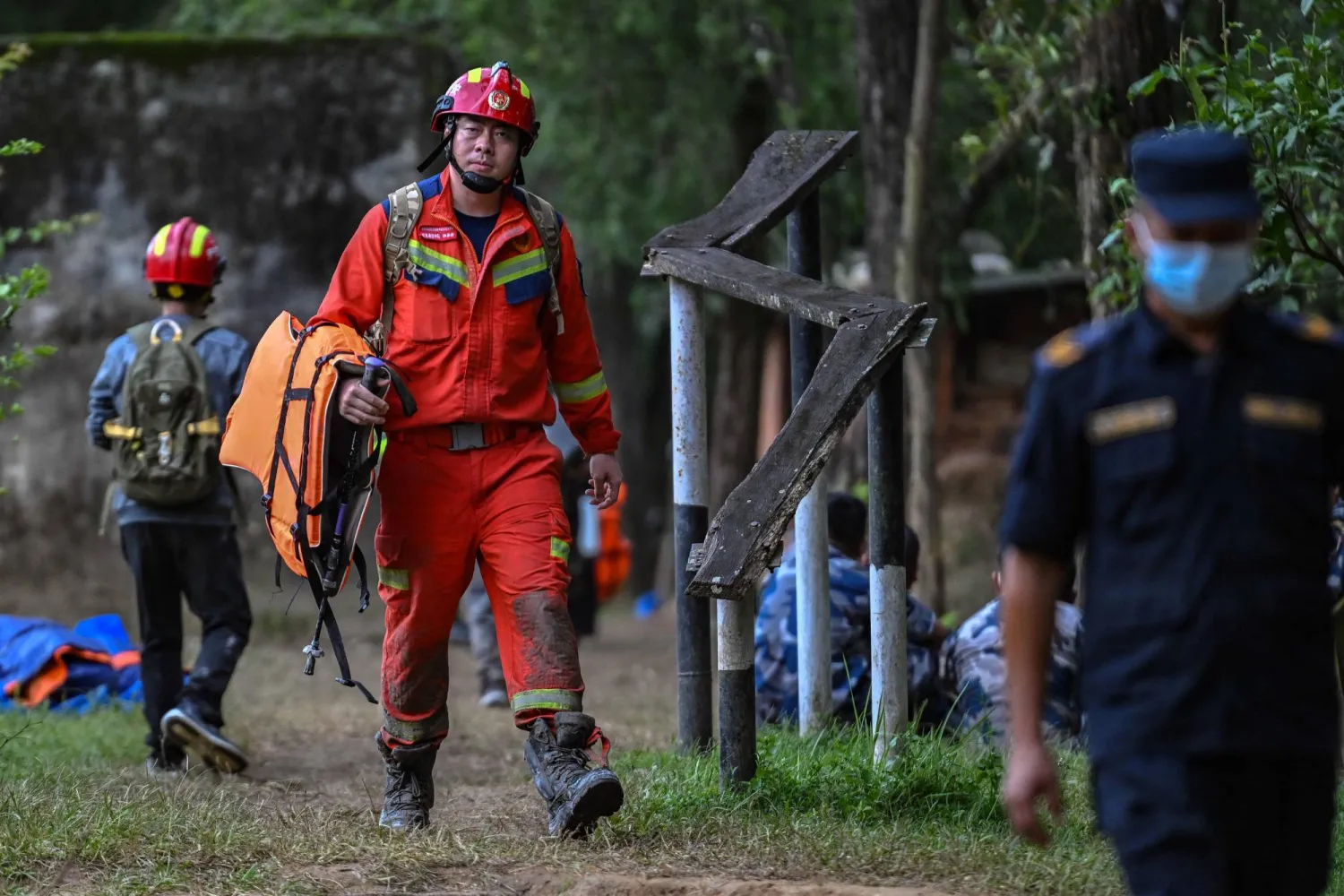
أفراد من فرق الإطفاء والإنقاذ الصينية يصلون إلى مخيم تريشولي عقب الفيضانات المفاجئة التي اجتاحت مقاطعة نوواكوت في نيبال (أ.ف.ب)
أسفر حريق اندلع على متن سفينة شحن ترفع علماً أجنبياً في مرفأ بشرق الصين عن سقوط «عدد كبير من الضحايا»، فيما دعا الرئيس الصيني شي جينبينغ إلى بدء عمليات طارئة للبحث عن المفقودين وإنقاذهم، وفقاً لـ«وكالة الصحافة الفرنسية».
وذكرت «وكالة أنباء الصين الجديدة- شينخوا» أن «النيران اشتعلت في سفينة شحن أجنبية تابعة لشركة (بَيْهاي) لبناء السفن بعدما رست في ميناء تشينغداو بمقاطعة شاندونغ لإخضاعها لأعمال صيانة، مما أسفر عن سقوط عدد كبير من الضحايا»، مضيفةً أن شي «شدد على ضرورة بدء البحث عن المفقودين بشكل عاجل... واتخاذ اجراءات صارمة بحق المسؤولين».
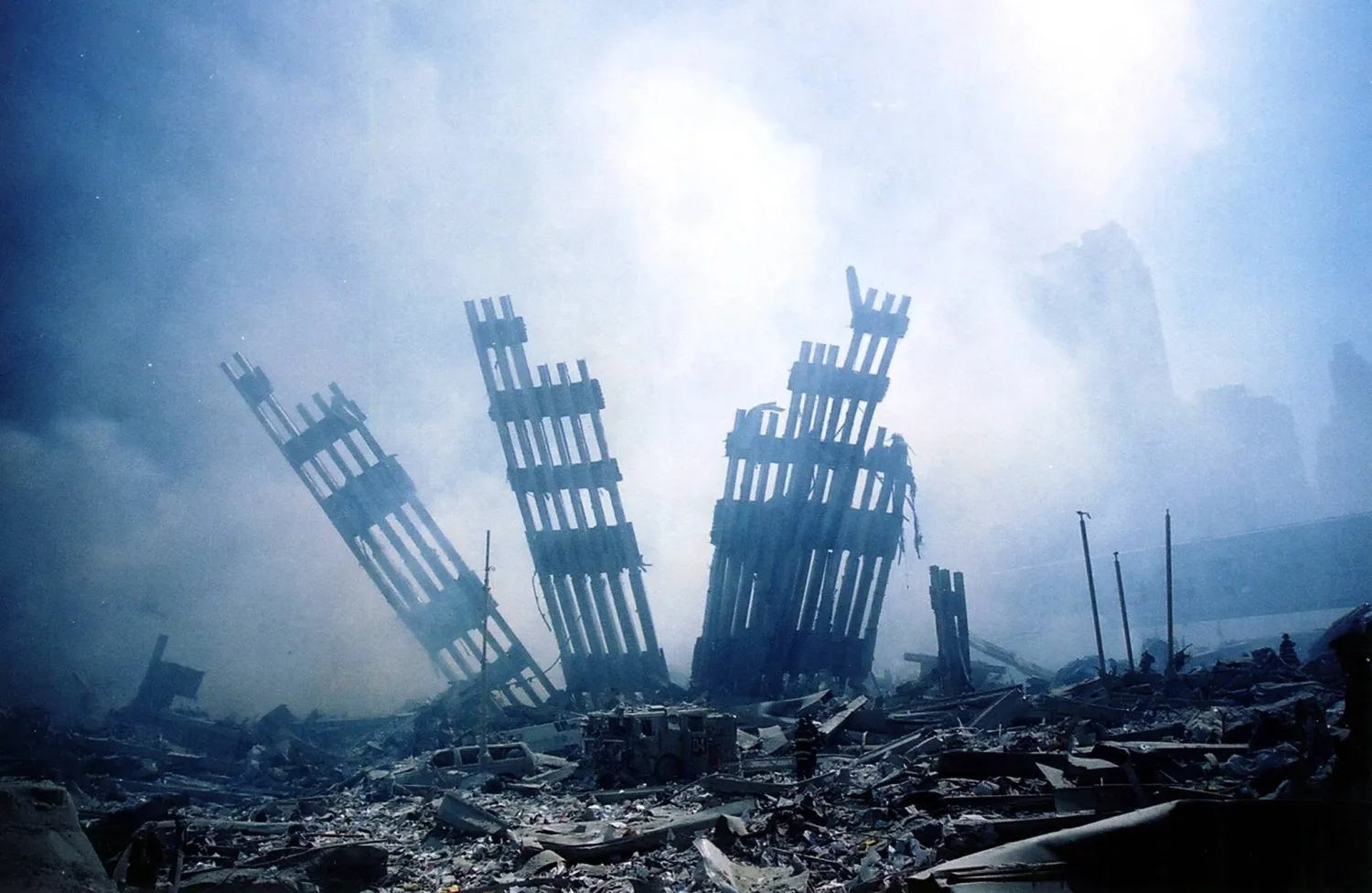
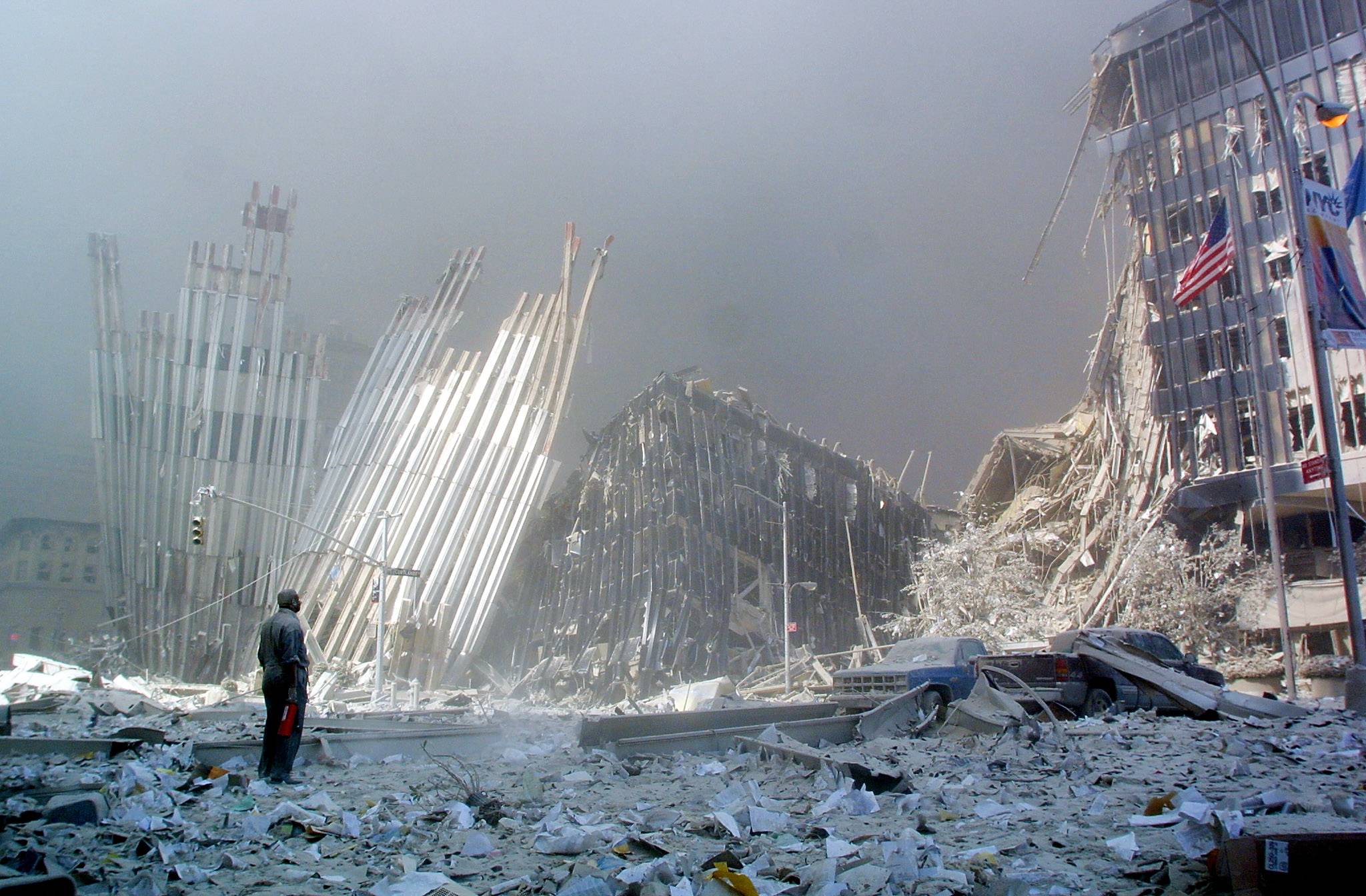
هياكل برجَي مبنى التجارة العالمي بعد احتراقهما بالكامل إثر التفجيرات (أ.ف.ب)
TT
TT
ربع قرن على يوم «آبوكاليبتي»... «11 سبتمبر» الذي غيّر أميركا والعالم
هياكل برجَي مبنى التجارة العالمي بعد احتراقهما بالكامل إثر التفجيرات (أ.ف.ب)
خلّفت هجمات 11 سبتمبر (أيلول) 2001 الإرهابية ندوباً لا تزال ماثلة على شواهد في الولايات المتحدة، وذكريات رهيبة في وجدان الأميركيين وكثيرين عبر العالم. وإذا كانت التداعيات الأولى ظهرت سريعاً في غزوين أميركيين لكل من أفغانستان (2001) والعراق (2003)، فإن البعض يجادل بأن حرب إيران اليوم تقع - في جانب منها - ضمن السياق ذاته.
وإذ يحيي الأميركيون هذا العام الذكرى السنوية الـ25 للهجمات التي أدت إلى سقوط نحو ثلاثة آلاف قتيل مع صدْم برجي مركز التجارة العالمي في نيويورك بطائرتين مدنيتين ووزارة الدفاع (البنتاغون) في واشنطن العاصمة بطائرة مدنية ثالثة، فضلاً عن رابعة أُسقطت في بنسلفانيا، لم تنته بلدان مثل أفغانستان، والعراق، وسوريا، واليمن، والصومال ونيجيريا وغيرها بعد من إحصاء العدد النهائي لمئات آلاف من الضحايا، وربما أكثر من الذين سقطوا في الحروب الأميركية والعالمية المتواصلة مُذّاك ضد تنظيمي «القاعدة» و«داعش»، وغيرهما من الجماعات الإرهابية.
طُبعت هذه الاعتداءات على «الوجه الدّامي» لأميركا، حيث لم تغلق بعد السجالات الدائرة حول «سجلات سريّة» يقال إنها لم تنشر بعد على رغم مضي ربع قرن على الوقائع المستعادة سنويّاً ليوم 11/ 9، لحظة بلحظة، ودقيقة بدقيقة، وساعة بساعة، وعاماً بعد آخر.
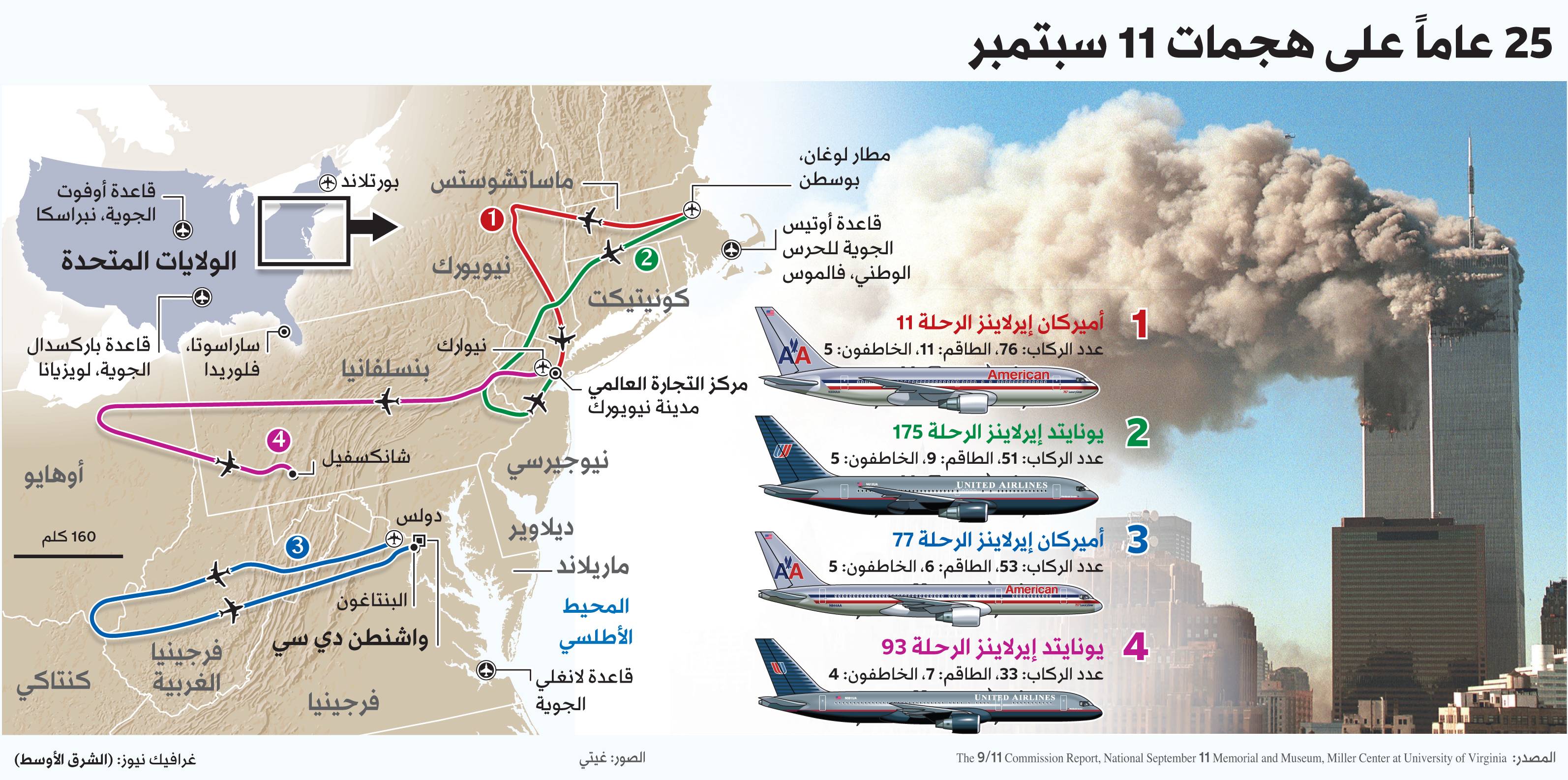
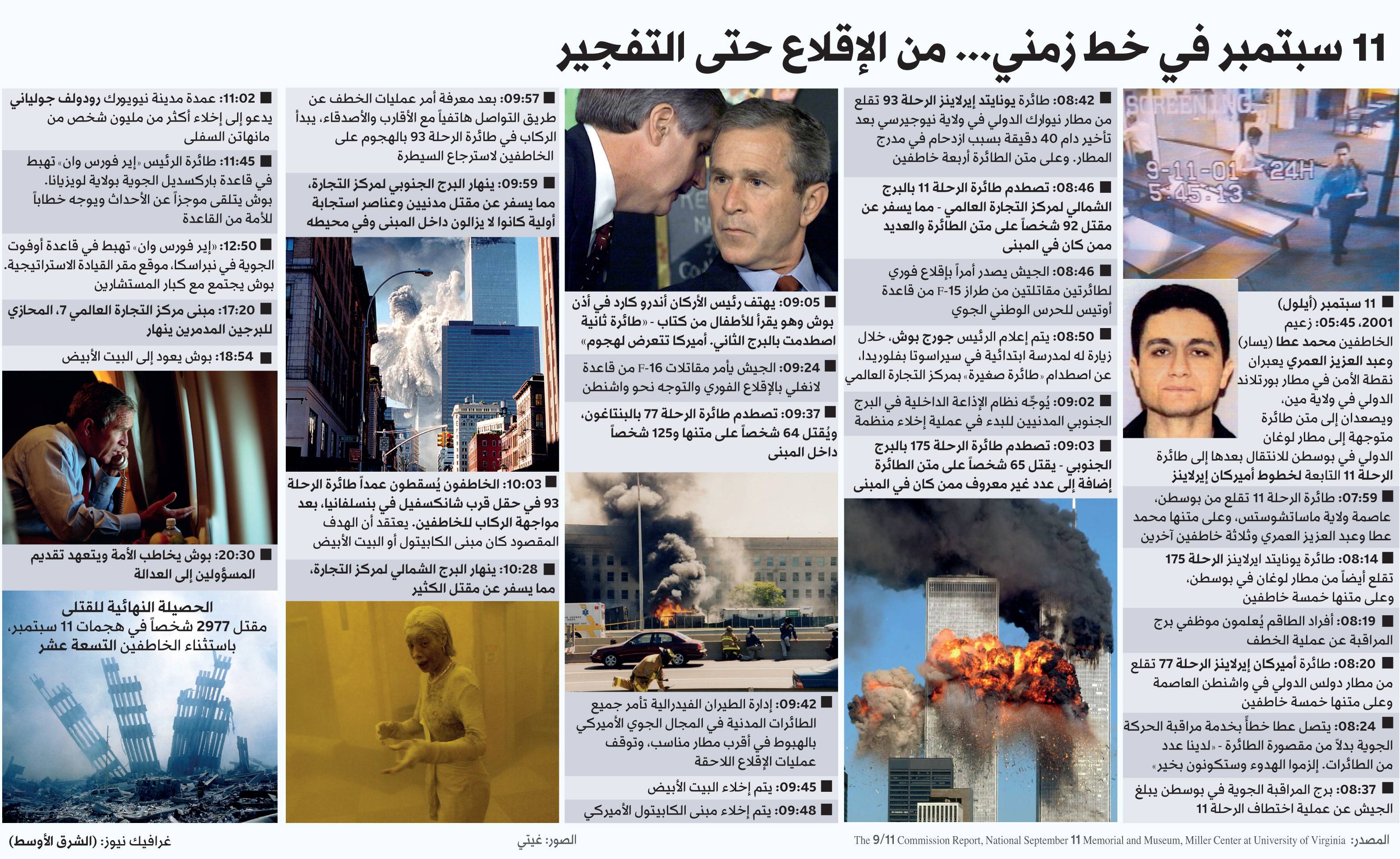
رسم بياني يُظهر عدد الطائرات ومسار كلٍّ منها قبل لحظة الارتطام
ويحيي الأميركيون هذه اللحظات والدقائق كل عام، بتسجيلها في الذكرى، وبوصفها بداية تاريخ جديد للبلد الذي نشأ رسمياً قبل 250 عاماً، ويقرعون أجراس الحزن بالمواقيت التالية:
منذ الساعة 5:45 فجر 11/ 9، حين اجتاز خاطفان، نقاط التفتيش الأمنية في مطار بورتلاند الدولي بولاية ماين، ليستقلا رحلة إلى مطار لوغان الدولي في بوسطن في ماساتشوستس، ثم الرحلة الرقم 11 لـ«أميركان إيرلاينز» التي أقلعت الساعة 7:05 صباحاً وعلى متنها 76 راكباً مع طاقم من 11 شخصاً وخمسة خاطفين، إلى وجهتها المفترضة: لوس أنجلس في كاليفورنيا.
وكذلك، أقلعت من بوسطن الرحلة 175 لشركة «يونايتد أيرلاينز» الساعة 8:15 صباح اليوم ذاته، وعلى متنها 51 راكباً وطاقم من تسعة أفراد وخمسة خاطفين، متجهة أيضاً إلى لوس أنجلس.
وعند الساعة 8:20 صباحاً، أقلعت الرحلة 77 لـ«أميركان إيرلاينز» من واشنطن العاصمة، وعلى متنها 53 راكباً وستة من أفراد الطاقم وخمسة خاطفين، متجهة كذلك إلى لوس أنجلس.
وطارت من مطار نيوارك في نيوجرسي الرحلة 93 لـ«يونايتد أيرلاينز» عند الساعة 8:42 صباحاً، وعلى متنها 33 راكباً وسبعة من أفراد الطاقم وأربعة خاطفين، إلى وجهتها المفترضة: سان فرانسيسكو، كاليفورنيا.
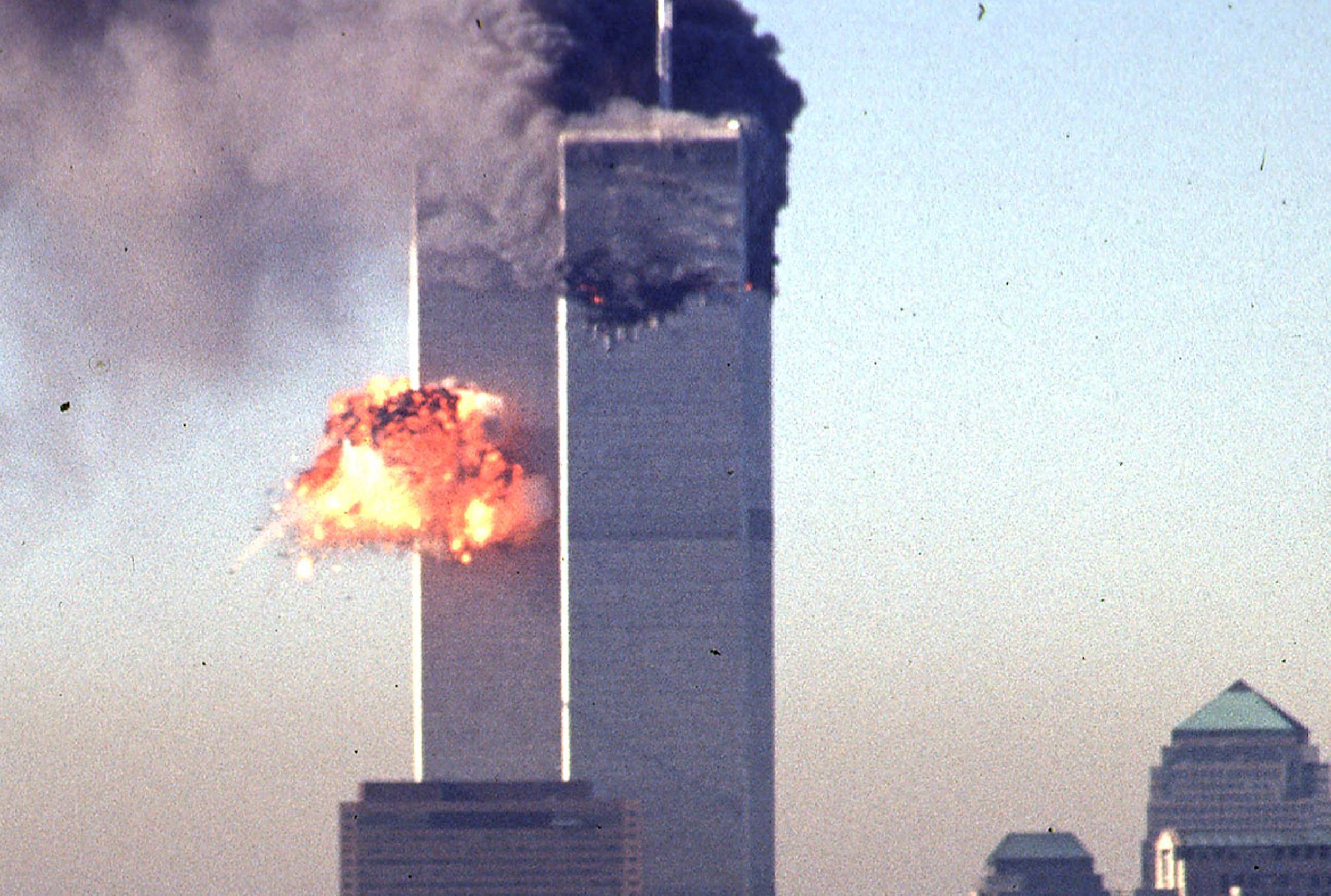
صورة أرشيفية للحظة اصطدام الطائرة ببرج التجارة العالمي في 11 سبتمبر 2001 (غيتي)
دقائق الرعب
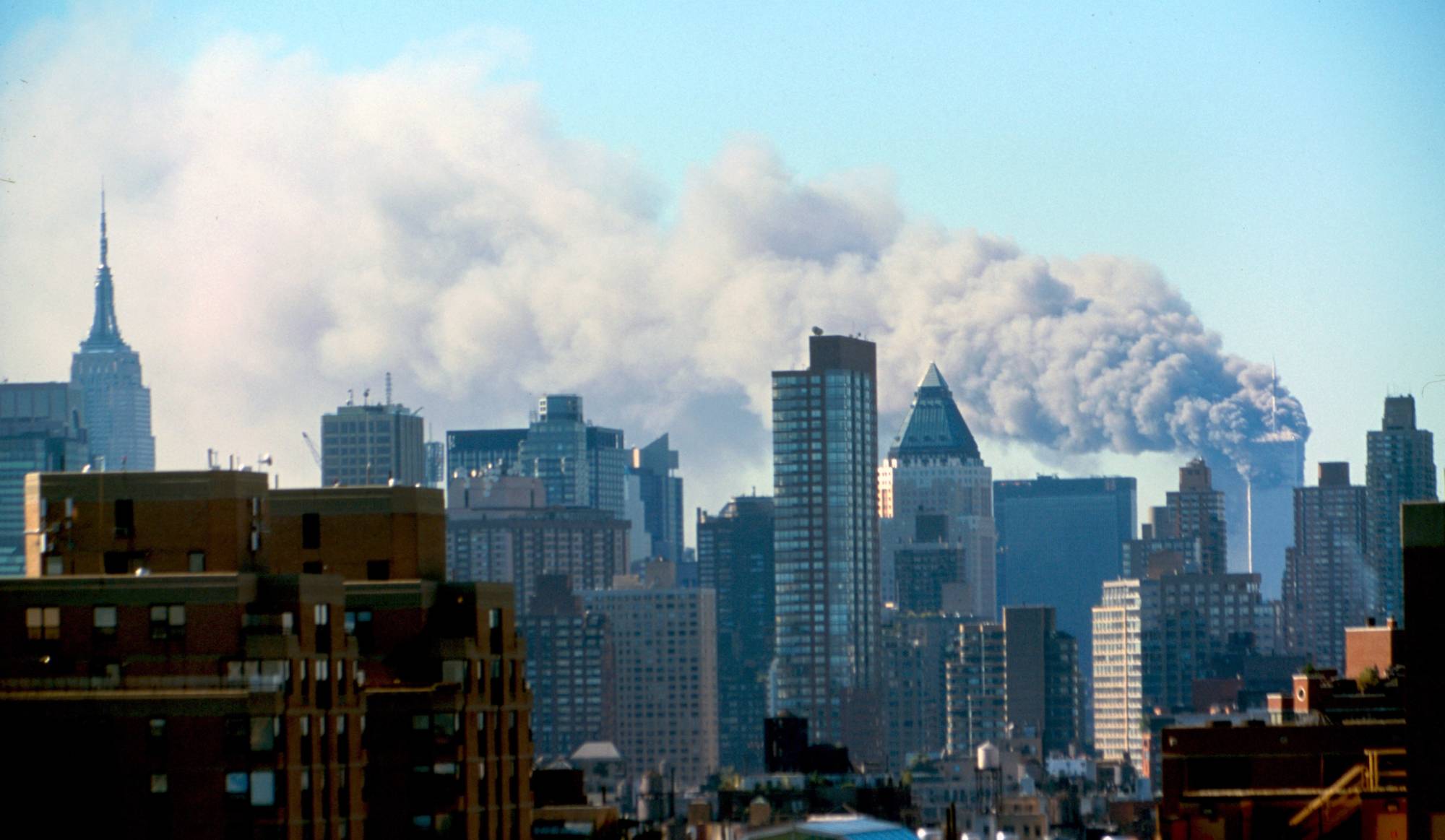
لم تمضِ دقائق حتى ارتطمت الرحلة 11 الساعة 8:46 صباحاً بالبرج الشمالي لمركز التجارة العالمي عند الناحية السفلى من مانهاتن في نيويورك. وتسمّر الناس في كل أصقاع الأرض أمام الشاشات لمشاهدة ما لم يخطر ببال أحد من غير المهاجمين أنفسهم.
وقبل أن يفيق أحد من صدمة «حادثة» البرج الشمالي، صدمت الرحلة 175 البرج الجنوبي بعد دقائق قليلة أخرى، في تمام الساعة 9:03 صباحاً، ليتيقّن الجميع أن ما يحصل أكبر بكثير مجرد «حادثة» لطائرات ضلّت طريقها فوق المدينة العامرة.
ظلّت الأفواه فاغرة طويلاً وسادت حالة من الذهول.
حتى الرئيس جورج دبليو بوش، الذي كان داخل صف ابتدائي لمدرسة في فلوريدا، بدا غير مصدق لما يحصل، حين همس في أذنه كبير موظفي البيت الأبيض آنذاك أندرو كارد، الساعة 9:05 صباحاً لإبلاغه بالهجوم على البرج الثاني. وكتب بوش لاحقاً: «قررت عدم النهوض فوراً ومغادرة الصف. لم أرد إثارة ذعر الأطفال. أردت بث شعور بالهدوء... مررت بأزمات كافية لأعرف أن أول ما يجب على القائد فعله هو بث الهدوء».
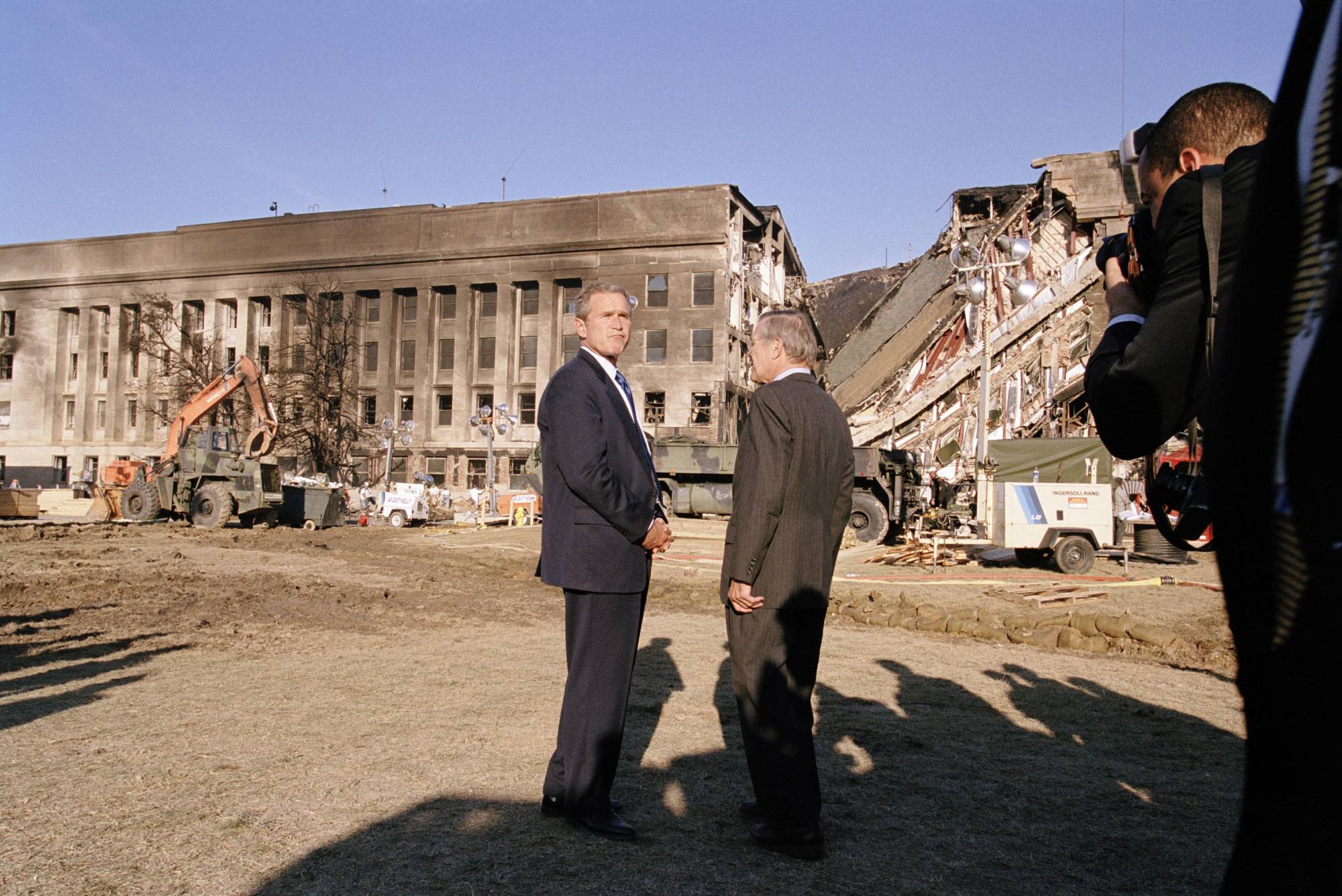
غير أن السكينة التي سعى إليها الرئيس الأميركي بدت سراباً مع ارتطام الرحلة 77 بالمبنى الأيقوني لوزارة الدفاع (البنتاغون) عند الساعة 9:37 صباحاً، في حين كان المسافرون على الرحلة 93 يتعاركون مع الخاطفين حتى الساعة 10:02 صباحاً، حين تحطمت الطائرة فوق حقل خالٍ في شانكسفيل، بنسلفانيا. لم يعرف أحد ما كانه الهدف النهائي لخاطفي الرحلة 93، بيد أن كثيرين رجَّحوا أن تكون متجهة إما إلى البيت الأبيض أو مبنى الكابيتول.
الدمار الهائل والرماد الذي خلَّفته تفجيرات «11 سبتمبر» في دقائق (أ.ف.ب)
أبعاد «آبوكاليبتيكية»
أعطت الصحافة الأميركية أبعاداً «آبوكاليبتيكية» لانهيار البرج الجنوبي لمركز التجارة العالمي أولاً عند الساعة 9:59 صباحاً. ثم انهيار البرج الشمالي بعد 29 دقيقة، الساعة 10:28 صباحاً.
لم تكن تلك اللحظات من ذلك الثلاثاء المشؤوم، مجرد توثيق لوقائع ضربة يعدّها البعض أخطر أميركياً من هجوم بيرل هاربر الذي كان السبب المباشر لدخول الولايات المتحدة الحرب العالمية الثانية ضد اليابان الإمبراطورية وبقية دول المحور: ألمانيا النازية وإيطاليا الفاشية.
وأعادت هجمات 11/ 9 تشكيل الأمن الأميركي والحياة اليومية للأميركيين وغير الأميركيين على نطاق واسع، من المطارات إلى السياسة الخارجية والمجتمعات المحلية.
وبعد أيام فقط من الهجمات، اتخذ الرئيس بوش قرارات مهمة لتوحيد 22 جهازاً فيدرالياً، أصدر الكونغرس «قانون باتريوت» موسعاً صلاحيات المراقبة والتحقيق الفيدرالية. وتغيّر أمن الطيران جذرياً مع إنشاء إدارة أمن النقل، التي فرضت فحص جميع الأمتعة بالأشعة السينية. وصار خلع الأحذية إجراءً روتينياً. كما ألزم الكونغرس شركات الطيران بأبواب قمرة قيادة محصّنة، وأُنشئت «قائمة حظر الطيران»، وفرضت بطاقة «الهوية الحقيقية» إلزامياً للسفر الداخلي.
وارتفعت ثقة الأميركيين بالحكومة الفيدرالية لأول مرة منذ عهد جونسون، ورفع 80 في المائة من البالغين العلم الأميركي في أكتوبر (تشرين الأول) 2001 وسط موجة وطنية واسعة. لكن الهجمات أشعلت أيضاً موجة «إسلاموفوبيا» وعنف ضد المسلمين في أنحاء مختلفة من الولايات المتحدة وعبر العالم.
«حرب عالمية» على الإرهاب
بالإضافة إلى ذلك، كانت هجمات 11 سبتمبر 2001 بمثابة إعلان «الحرب على أميركا»، التي أعلنت بصفتها القوة العظمى الوحيدة عالمياً في مستهل الألفية الثالثة، أن «ما قبلها ليس كما بعدها»، وأنها إيذان ببدء الحرب الأميركية والعالمية على الإرهاب.
بهذه الروحية، خاطب الرئيس بوش الأمة الأميركية ليلة ذلك اليوم، الذي سقط فيه زهاء ثلاثة آلاف قتيل، والذي لا يزال مؤثراً على نمط حياة الأميركيين إلى يومنا هذا، بعد أي مضي ربع قرن. وركز في خطابه على طمأنة الأميركيين، مرسلاً التباشير الأولى لما صار لاحقاً «مذهب بوش» في السياسة الخارجية؛ إذ قال: «لن نفرق بين الإرهابيين الذين ارتكبوا هذه الأعمال ومن يؤويهم»، وممهداً أيضاً الطريق لإطلاق الحملة العسكرية اللاحقة ضد أفغانستان «طالبان» بعدما رفضت تسليم زعيم «القاعدة» أسامة بن لادن.
الدخان متصاعداً من برجي مركز التجارة العالمي في نيويورك لحظة التفجيرات (غيتي)
وعلى رغم انهيار الحكم الطالباني الأول بعد قرابة شهرين من «عملية الحرية الدائمة» العسكرية التي قادتها الولايات المتحدة مع تحالف دولي، طالت الحرب على الإرهاب في هذا البلد المضطرب 20 عاماً.
وفي خطابه الأول عن «حال الاتحاد» بعد هجمات 11/ 9، أعطى الرئيس بوش في مطلع عام 2002 التصور الأكثر تكاملاً عن حرب «ستتواصل لعقود» تخوضها الولايات المتحدة لاجتثاث الإرهاب والدول الراعية له وفقاً للمنظور الأميركي. أعلن الهدف النهائي ضد ما سماه «محور الشر» الذي ضم كلاً من العراق وإيران وكوريا الشمالية، مضيفاً اتهاماً آخر بأن هذه الدول تنتج أيضاً أسلحة دمار شامل.
إطلاق مصطلح «محور الشرّ»
أسس الرئيس بوش في الخطاب الذي كتبه له ديفيد فروم لحرب العراق التي أطاحت في 2003 نظام البعث بقيادة الرئيس صدام حسين. وأشار فروم في حديث لصحيفة «النهار» اللبنانية آنذاك، إلى أنه بنى تعبير «محور الكراهية» (الذي استبدل به الرئيس بوش مصطلح «محور الشرّ») على استعارات من خطاب الرئيس الأميركي فرانكلين روزفلت عن «التاريخ الذي سيبقى وصمة عار» الذي ألقاه في 8 ديسمبر (كانون الأول) 1941، بعد الهجوم الياباني على بيرل هاربر، ليقرر خوض حرب ليس فقط ضد اليابان الإمبراطورية، بل أيضاً ضد ألمانيا النازية.
الرئيس الأميركي جورج بوش الابن ووزير الدفاع دونالد رامسفيلد يتفقدان الأضرار في مبنى البنتاغون غداة هجمات 11 سبتمبر 2001 (غيتي)
لم يكتفِ الرئيس بوش بالحرب ضد أفغانستان، بل أرسل القوات الأميركية أيضاً إلى العراق. وحسب مشروع «تكلفة الحرب» لدى جامعة براون، قُتل نحو 940 ألف شخص بالعنف المباشر في هاتين الحربين، في حين تجاوز إجمالي الضحايا 4.5 ملايين بحلول عام 2023 بسبب الآثار غير المباشرة. وارتفع الإنفاق العسكري 50 في المائة في العقد التالي للهجمات، بتكلفة إجمالية تجاوزت 5.6 تريليونات دولار بحلول 2018، وأُنشئ معتقل غوانتانامو الذي احتجز 780 شخصاً.
وقال فروم: «بالنسبة لروزفلت، لم يكن بيرل هاربر مجرد هجوم، بل كان بمثابة تحذير من هجمات مستقبلية أسوأ من عدو آخر، بل وأكثر خطورة». وكذلك، ربط بين العراق إيران و«القاعدة» و«حزب الله» التي شكَّلت على رغم التناقضات بينها، «محور كراهية ضد الولايات المتحدة». وأضيفت إليه كوريا الشمالية بسبب تطويرها أسلحة نووية.
وفي وقت تواصلت فيه الحرب على الإرهاب في أفغانستان، شكلت حرب العراق بداية لحرب أوسع نطاقاً ضد «محور الشر»، فاندفع النظام الإيراني إلى استغلال انهيار الحُكمين الطالباني والبعثي نحو ملء جزء رئيسي من الفراغ الجيوبوليتيكي الهائل بإنشاء «محور المقاومة» والذي سمّاه الملك عبد الله بن الحسين لاحقاً «الهلال الشيعي» - سعياً إلى امتداد جغرافي من إيران إلى لبنان، عبر كل من العراق وسوريا، التي اكتفى المسؤولون الأميركيون بتصنيفها ضمن الدول الراعية للإرهاب بسبب علاقاتها بالجماعات المسلحة ودورها كنقطة عبور حيوية للأسلحة والدعم الموجه إلى وكلاء إيران، وأبرزهم «حزب الله»، قبل التحوّل الكبير الذي شهدته دمشق في نهاية عام 2024.
واستخدم رئيس الوزراء الإسرائيلي بنيامين نتنياهو هجمات 7 أكتوبر 2023 لتشبيهها بهجمات 11 سبتمبر 2001 وفتح حرباً لا سابق لها ضد «حماس» وغيرها من الجماعات الموالية لإيران - ولاحقاً «حزب الله» في لبنان - غير آبه بسقوط عشرات آلاف الضحايا بين الفلسطينيين واللبنانيين.
حرب إيران... حيث لم ينفع شيء
لم يتمكن الرئيس بوش ومن أتى بعده من الرؤساء الأميركيين من وضع حد لحال العداء المستحكمة بين الولايات المتحدة وإيران، أو من لجم الطموحات الإقليمية للنظام الإيراني، على رغم الشكاوى المتكررة من دول الجوار بسبب استمرار تدخلاته في الشؤون الداخلية للدول الأخرى. بل تعاقب الرؤساء الأميركيون على استخدام مقاربات مختلفة؛ أملاً في تغيير يدفع الشرق الأوسط إلى مرحلة جديدة من الاستقرار.
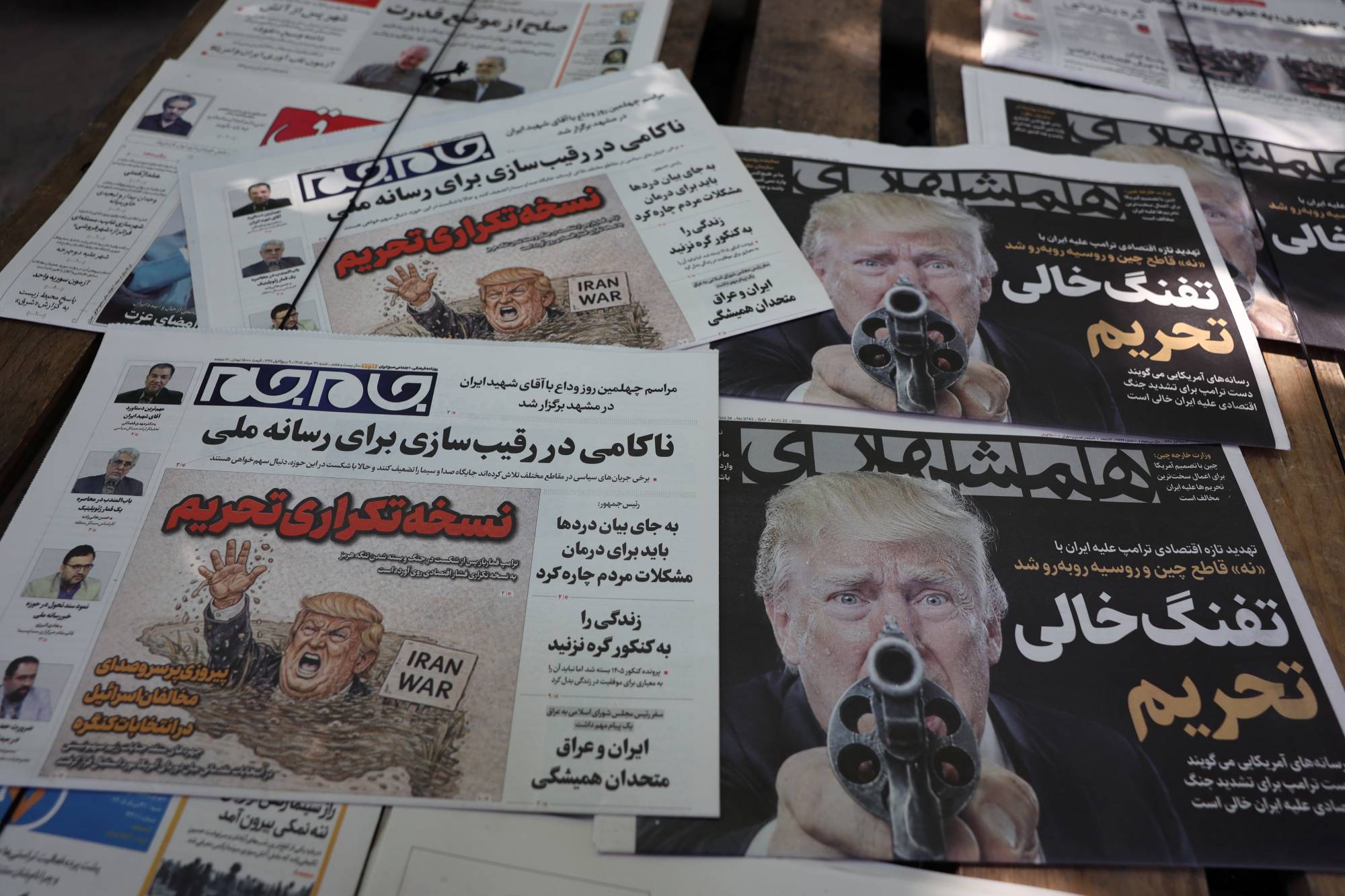
نسخ من صحيفتي «همشهري» و«جام جم» الإيرانيتين تحمل صورة الرئيس الأميركي دونالد ترمب وعنواناً باللغة الفارسية: «بندقية العقوبات الفارغة» (إ.ب.أ)
لم ينفع شيء. وجاء الرئيس الأميركي دونالد ترمب إلى ولايته الثانية عازماً على إحداث تغيير جوهري في إيران، ومردداً اتهامات من مسؤولين أميركيين سابقين وحاليين بأنها «آوت» أيضاً مسؤولين من «القاعدة» مطلوبين للعدالة الأميركية، فضلاً عن دعم «حزب الله» في لبنان وجماعة الحوثي في اليمن والجماعات الشيعية المسلحة في العراق، وإن ركز أكثر على سعي النظام الإيراني إلى صنع أسلحة نووية والمزيد من الصواريخ الباليستية والمسيَّرات.
يمكن وضع الحرب التي تخوضها الولايات المتحدة مع إيران منذ نهاية فبراير (شباط) 2026 في سياق الحروب الأميركية ضد «محور الشر» التي أعلنها الرئيس بوش، وأوضحتها لاحقاً مستشارة الأمن القومي وزيرة الخارجية سابقاً كوندوليزا رايس بأن «دعم إيران المباشر للإرهاب الإقليمي والعالمي، وسعيها الدؤوب لاقتناء أسلحة الدمار الشامل، يناقض أي نيات حسنة أبدتها في الأيام التي أعقبت أسوأ الهجمات الإرهابية في التاريخ».
خلاصة الأمر، أن الولايات المتحدة لطالما عدَّت إيران راعية للإرهاب وخصماً محتملاً وخطيراً في الشرق الأوسط.