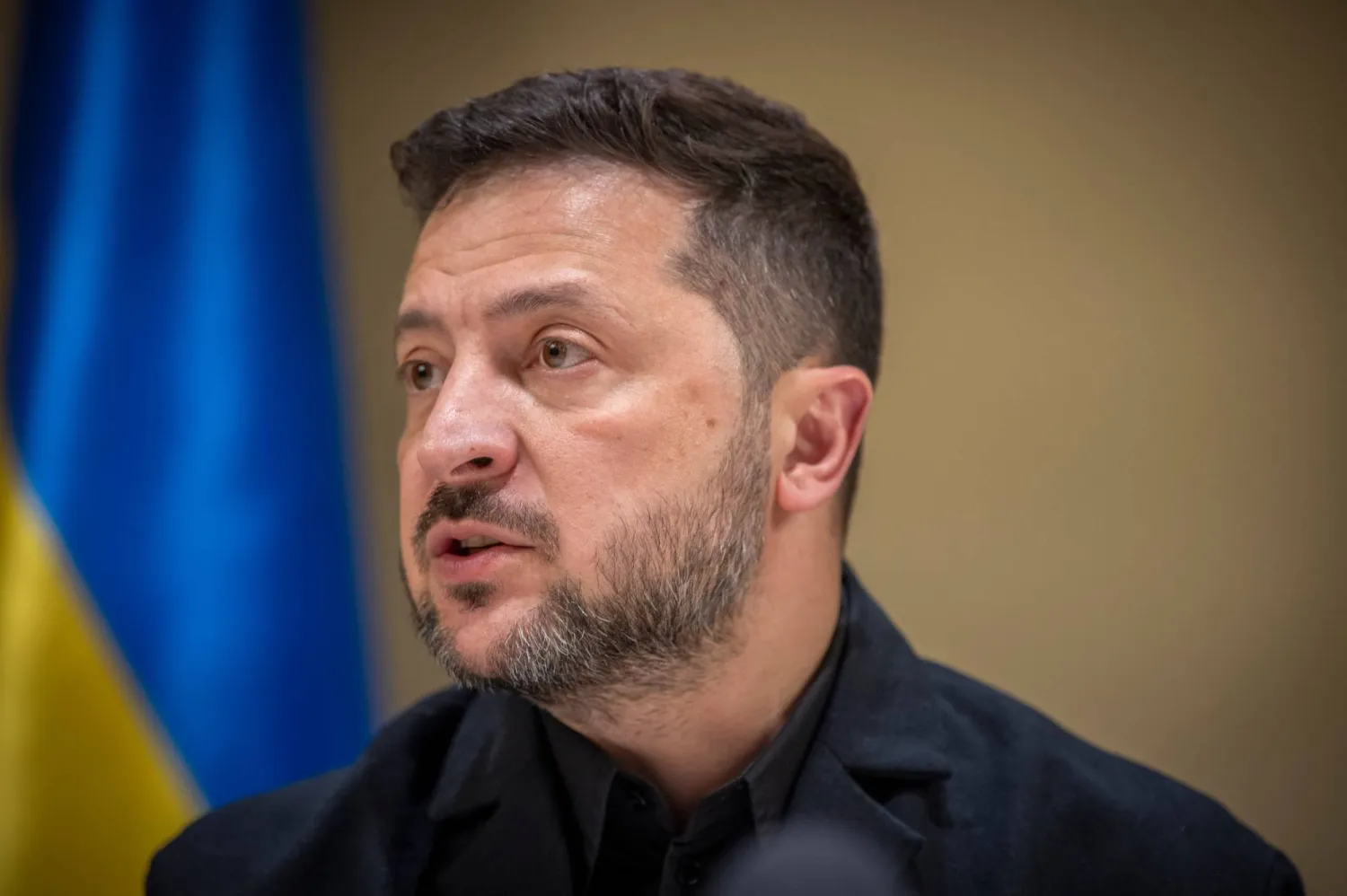
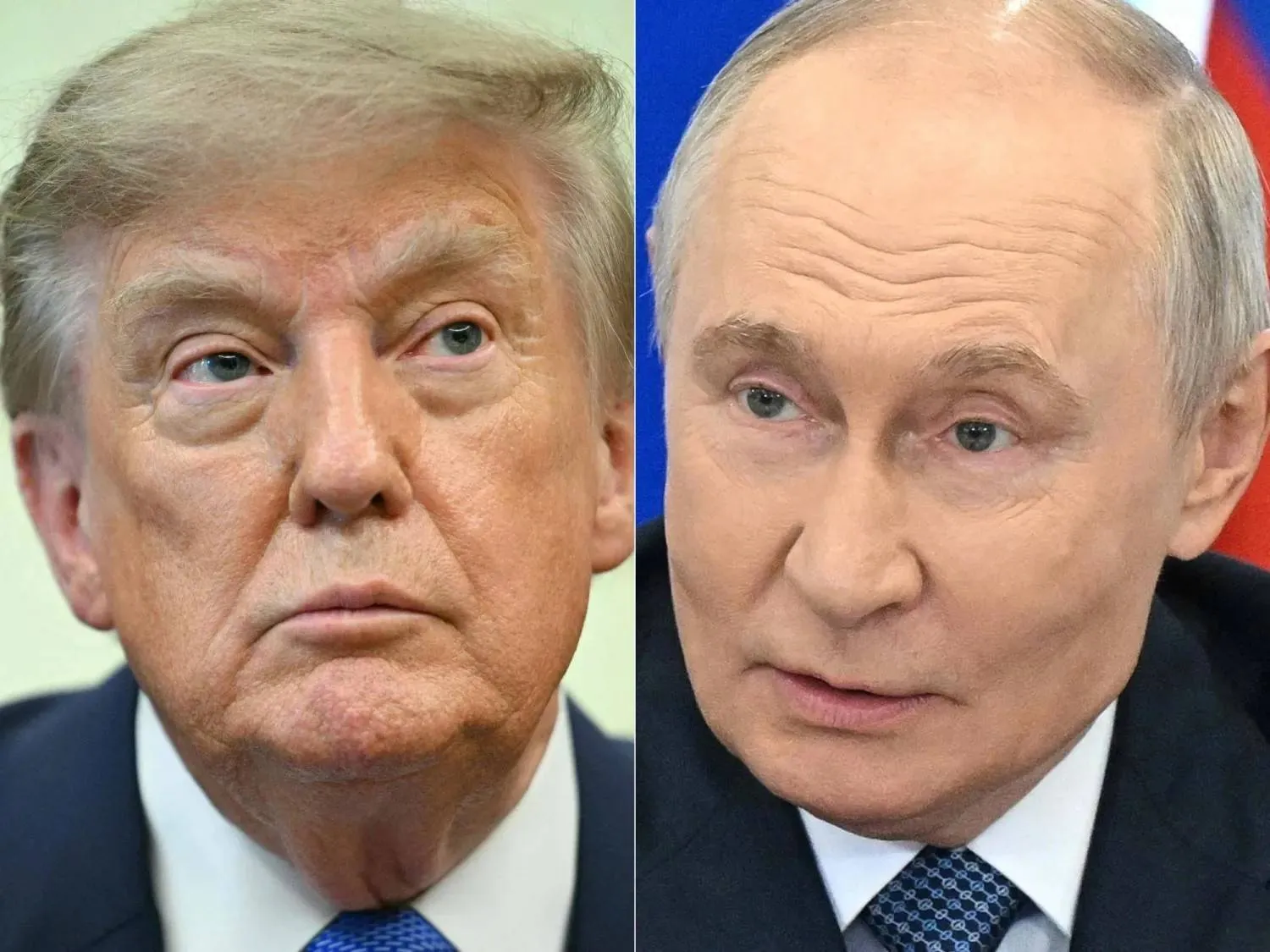
Ukrainian President Volodymyr Zelenskyy said Monday that Russia has continued to strike Ukraine's energy facilities even after US President Donald Trump said a day earlier that the warring countries had agreed on an energy ceasefire in the 4 1/2-year-old war.
Speaking at the Warsaw Security Forum in Poland, Zelenskyy said Ukraine had learned through media reports that Trump had secured an energy ceasefire deal with Russia which would involve a mutual pause in strikes on energy sites. Zelenskyy said he would be willing to honor such an agreement, if Moscow did the same.
“We support it, but I have not heard approval of this proposal from the Russian side,” Zelenskyy said.
Trump’s brief social media post on Sunday claiming the purported agreement offered few details but said that the energy ceasefire took effect immediately, adding: “Do not break it!”
Yet Zelenskyy said Ukraine had been “horribly surprised" that following Trump's "sudden but very important post,” Russia had struck numerous energy facilities including a power plant in the northeastern city of Kharkiv, as well as a gas production facility and a civilian gas station.
“It was clear that (Russian President Vladimir) Putin does not read Truth Social,” Zelenskyy said, referring to Trump's social media platform.
Energy strikes have caused pain for both Ukraine and Russia Trump previously announced a similar agreement on ceasing energy strikes that did not come to fruition. In a social media post on Sept. 14, he said both countries had agreed “not to hit” each other’s energy infrastructure, but offered no details on that proposal either.
Russia has used attacks on energy facilities in order to deny Ukrainian civilians power, heat and running water during the war, hoping to wear down public resistance to Moscow’s full-scale invasion. Ukrainian officials describe the strategy as “weaponizing winter," and fear Russia could ramp up such attacks as cold weather approaches.
Ukraine, meanwhile, has launched strikes against Russian energy sites like oil refineries, sometimes deep within Russian territory, prompting Trump to blame Zelenskyy for high diesel prices on world markets. On Friday, Trump struck a deal with Putin to import Russian diesel in an attempt to address high fuel prices just weeks ahead of US midterm elections.
On Monday, Zelenskyy said Kyiv was ready to comply with Trump's requests to stop striking Russian refineries if Moscow halted attacks on Ukraine’s energy system, and asked Trump to press the Kremlin to agree. He added that if Moscow does not agree to an energy ceasefire this winter, “we will respond.”
“We are waiting for the details of the conversation between the Americans and the Russians, and we are waiting to see what specific steps the Americans are ready to take," he said. “This energy ceasefire can work, and it can become a major step toward ending the war.”
EU foreign policy chief skeptical of energy ceasefire
The European Union’s top diplomat on Monday welcomed the prospect of a pause in energy strikes in Ukraine, but said she sees no sign that Russia would be willing to respect it.
“We haven’t yet seen that also Russia will stick to it,” EU foreign policy chief Kaja Kallas said at a meeting of the bloc's foreign ministers in Luxembourg. “Personally, I would also welcome that the ceasefire would include people not being killed, not only energy.”
Trump's deal with Putin to purchase diesel from Russia dismayed officials in the US, Ukraine and around Europe. A bipartisan group of six senators, including four Republicans, called on the Trump administration on Sunday to “immediately reverse course” on the deal, saying the US should “not provide Putin with a financial lifeline” while Russia is killing Ukrainian civilians.
Estonian Foreign Minister Margus Tsahkna told reporters in Luxembourg on Monday that he doesn’t believe the deal would meaningfully affect fuel prices, and that it is ”much more connected to the domestic situation in the US."
Kallas also pushed back on Trump's comments on Saturday that it was time for Ukraine to get a new president and that Zelenskyy has not done enough to end the war. She said that now is not the time to hold elections in Ukraine, at least not without a ceasefire.
On Monday, Zelenskyy said holding elections in Ukraine was impossible during war time, especially with new Russian tactics involving attacks during both the day and night. He added, however, that he would be ready to work towards doing so if Ukraine secured a full ceasefire lasting at least 60 days.
Russian attack kills 3 and injures others, including children Two people were injured in Russian daytime strikes on Kyiv on Monday, according to the city's military administration, while falling debris from Russian attacks sparked a fire in a private residential building in the capital's Darnytskyi district.
Debris also fell in an open area near private residential buildings in the Solomianskyi district, and on a warehouse building in the Darnytskyi district, with emergency services dispatched to the scene.
A Russian drone attack on the village of Pisochyn in the Kharkiv district on Sunday evening killed three people and injured nine others, including children, according to the Kharkiv Regional Prosecutor’s Office. Investigators said the attack struck a densely populated area near apartment buildings and grocery stores and sparking a fire.
Ukrainian air defense forces shot down or suppressed 89 of 121 Russian drones overnight Monday, Ukraine’s Air Force said in a Telegram post. The attack involved one Kh-59 guided air-to-surface missile and 121 drones, including 76 jet-powered Shahed-type drones, the statement said.
Strikes were recorded at 15 locations in Ukraine, while debris from downed drones fell at four locations.
The Russian Defense Ministry on Monday said its air defenses overnight intercepted 151 Ukrainian drones over Russian regions as well as the illegally annexed Crimea and the waters of the Black Sea.
In a separate statement, the ministry said its forces overnight carried out drone strikes on Ukraine’s unspecified port infrastructure and a bulk carrier heading to Ukraine's port city of Odesa with military cargo on board.
The Russian Defense Ministry on Monday said its air defenses overnight intercepted 151 Ukrainian drones over Russian regions as well as the illegally annexed Crimea and the waters of the Black Sea.
In a separate statement, the ministry said its forces overnight carried out drone strikes on Ukraine’s unspecified port infrastructure and a bulk carrier heading to Ukraine's port city of Odesa with military cargo on board.