


Catholic Cardinals Meet to Discuss Date of Conclave for New Pope 

A cardinal is surrounded by media as he arrives for a general congregation meeting in the Vatican, as seen from Rome, Italy, April 28, 2025. (Reuters)
TT

Catholic Cardinals Meet to Discuss Date of Conclave for New Pope 

A cardinal is surrounded by media as he arrives for a general congregation meeting in the Vatican, as seen from Rome, Italy, April 28, 2025. (Reuters)

The world's Catholic cardinals met on Monday for the first time after the funeral of Pope Francis to discuss a possible date to enter a secret conclave and elect the next leader of the global Church.

Any decision could be announced around mid-day (1000 GMT). The conclave is not expected to begin before May 6.

The 16th-century Sistine Chapel, where conclaves are held, was closed to tourists on Monday to allow for preparations for the vote.

The past two conclaves, in 2005 and 2013, lasted just two days. But Swedish Cardinal Anders Arborelius said on Monday he expects this conclave may take longer, as many of the cardinals appointed by Pope Francis have never met each other before.

Francis made a priority of appointing cardinals from places that had never had them, such as Myanmar, Haiti, and Rwanda.

"We don't know each other," Arborelius, one of about 135 cardinals under the age of 80 who will enter the conclave, said.

Francis, pope since 2013, died aged 88 on April 21. His funeral on Saturday and a procession through Rome to his burial place at the Basilica of St. Mary Major attracted crowds estimated at more than 400,000.

German Cardinal Walter Kasper told La Repubblica newspaper that the outpouring of mourners for Francis indicated that Catholics wanted the next pope to continue with his reforming style of papacy.

Francis, the first pope from Latin America, largely tried to open up the often staid Church to new conversations. He allowed debate on issues such as ordaining women as clergy.

"The People of God voted with their feet," said Kasper, who is 92 and will not take part in the conclave. "I am convinced that we must go ahead in the footsteps of Francis."

However, a bloc of conservative cardinals are certain to push back against this and seek a pope who reasserts traditions and restricts Francis' vision of a more inclusive Church.

US Military Expands Iran Blockade to Include Contraband Shipments

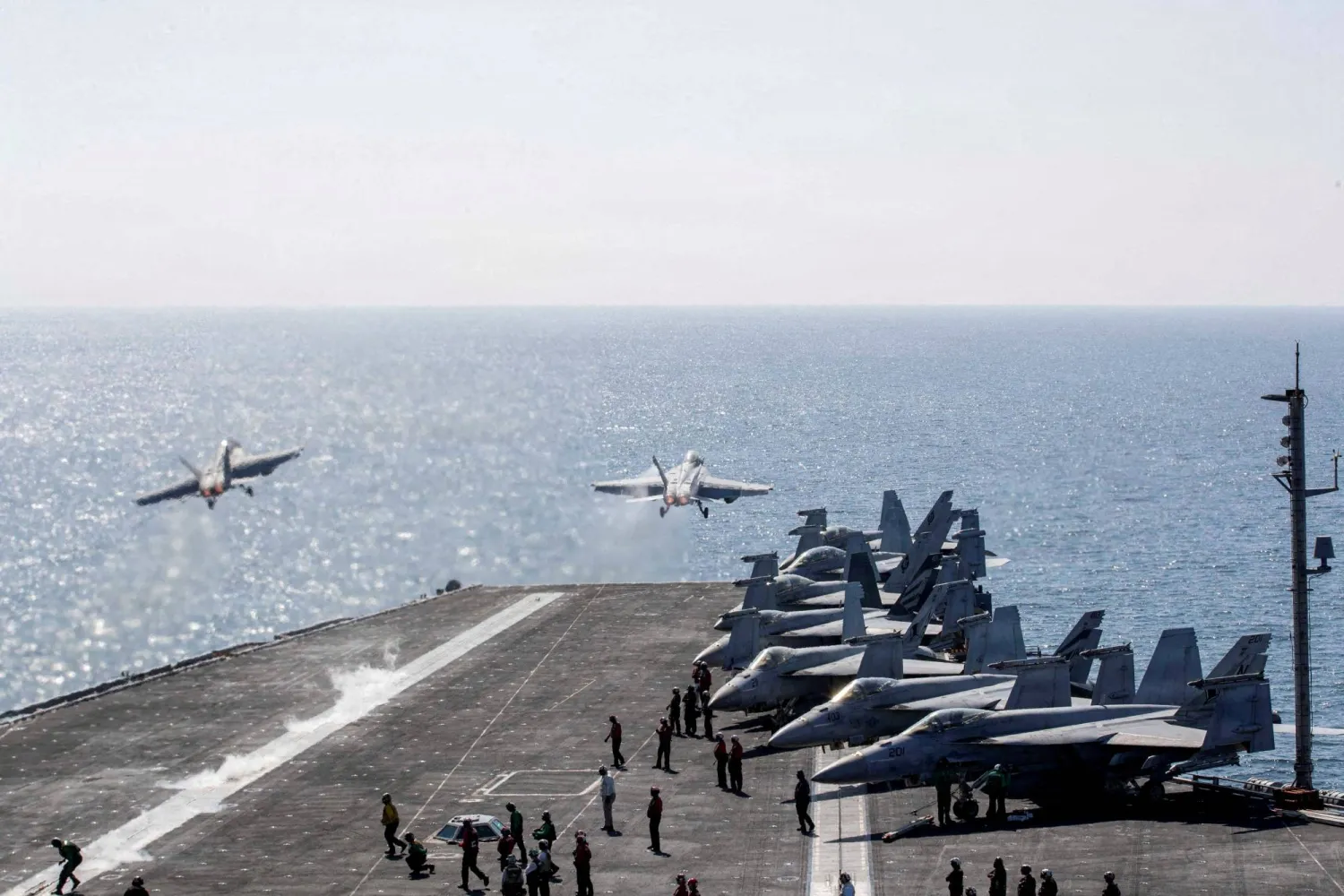
FILE PHOTO: Two F/A-18 Super Hornets launch from the flight deck of the US Navy Nimitz-class aircraft carrier USS Abraham Lincoln in support of the Operation Epic Fury attack on Iran from an undisclosed location March 3, 2026. US Navy/Handout via REUTERS
TT

US Military Expands Iran Blockade to Include Contraband Shipments

FILE PHOTO: Two F/A-18 Super Hornets launch from the flight deck of the US Navy Nimitz-class aircraft carrier USS Abraham Lincoln in support of the Operation Epic Fury attack on Iran from an undisclosed location March 3, 2026. US Navy/Handout via REUTERS

The US Navy said on Thursday the military had expanded a maritime blockade on Iran to include “contraband” shipments, adding that any vessel suspected of heading to Iranian territory would be subject to verification and inspection.

“These vessels, regardless of their location, are subject to boarding, inspection and seizure of cargo,” the Navy said in a statement updated after the blockade was imposed on Monday, according to Reuters.

Contraband includes weapons, weapons systems, ammunition, nuclear materials, crude oil and refined petroleum products, as well as iron, steel and aluminum.

As diplomatic activity intensifies, signals remain mixed over the course of US-Iran talks. A date for a second round of negotiations has yet to be set, with disagreements persisting over the nuclear file and sensitive issues related to highly enriched uranium and the duration of restrictions on Iran’s nuclear program.


IEA Chief Says Europe Has 'Maybe 6 Weeks or So' of Jet Fuel Left

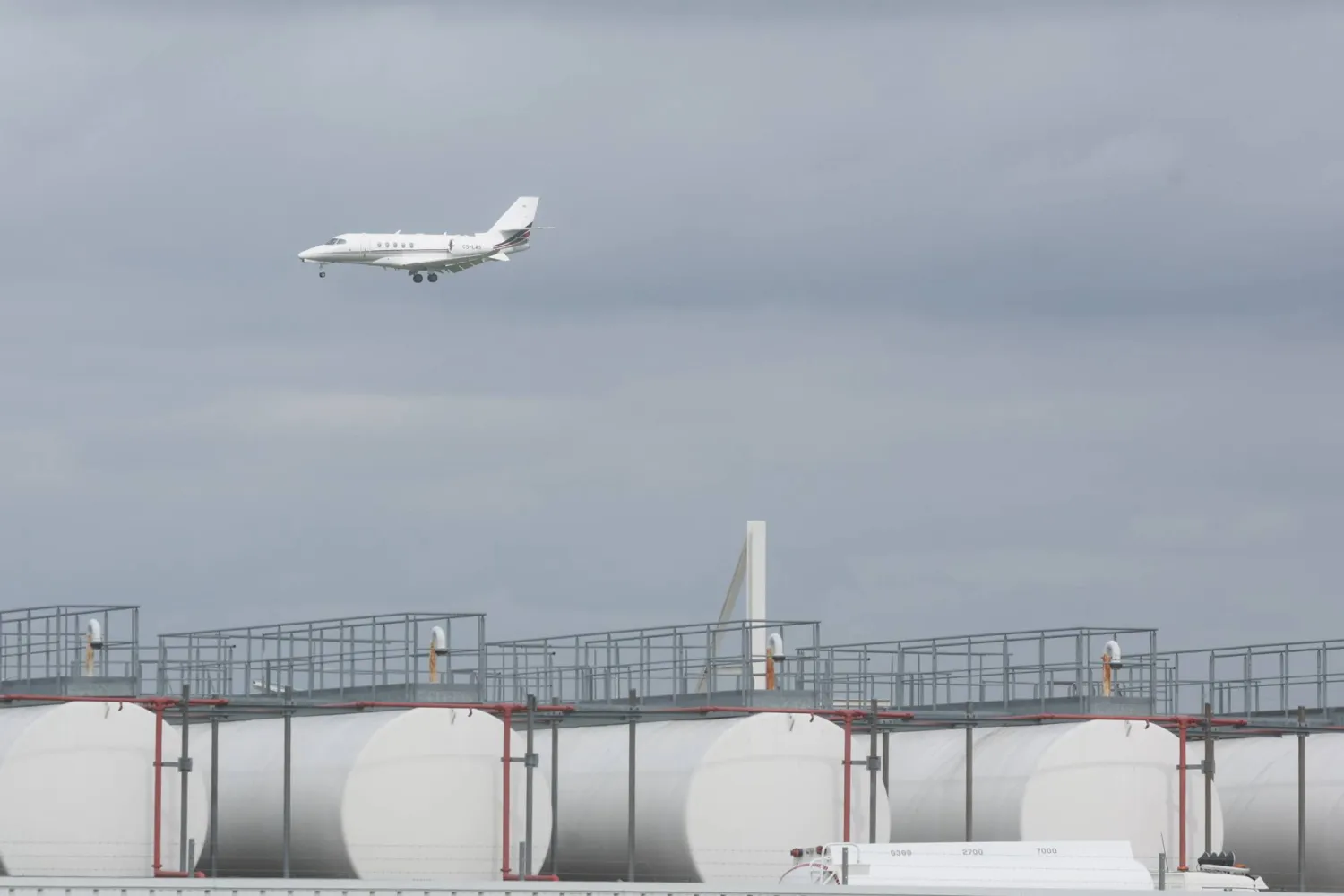
 Aircraft pass behind kerosene storage facilities at Liege Airport in Liege, Belgium, 16 April 2026.  EPA/Olivier Hoslet
Aircraft pass behind kerosene storage facilities at Liege Airport in Liege, Belgium, 16 April 2026. EPA/Olivier Hoslet
TT

IEA Chief Says Europe Has 'Maybe 6 Weeks or So' of Jet Fuel Left

 Aircraft pass behind kerosene storage facilities at Liege Airport in Liege, Belgium, 16 April 2026.  EPA/Olivier Hoslet
Aircraft pass behind kerosene storage facilities at Liege Airport in Liege, Belgium, 16 April 2026. EPA/Olivier Hoslet

Europe has “maybe six weeks or so (of) jet fuel left,” the head of the International Energy Agency said Thursday in a wide-ranging Associated Press interview, warning of possible flight cancellations “soon” if oil supplies remain blocked by the Iran war.
IEA Executive Director Fatih Birol painted a sobering picture of the global repercussions of what he called “the largest energy crisis we have ever faced,” stemming from the pinch-off of oil, gas and other vital supplies through the Strait of Hormuz.
“In the past there was a group called ‘Dire Straits.’ It’s a dire strait now, and it is going to have major implications for the global economy. And the longer it goes, the worse it will be for the economic growth and inflation around the world,” he said.
The impact will be “higher petrol (gasoline) prices, higher gas prices, high electricity prices,” Birol told the AP, speaking in his Paris office looking out over the Eiffel Tower.
No country is immune Economic pain will be felt unevenly and "the countries who will suffer the most will not be those whose voice are heard a lot. It will be mainly the developing countries. Poorer countries in Asia, in Africa and in Latin America,” said the Turkish economist and energy expert who has led the IEA since 2015.
But without a settlement of the Iran war that permanently reopens the Strait of Hormuz, “Everybody is going to suffer,” he added.
“Some countries may be richer than the others. Some countries may have more energy than the others, but no country, no country is immune to this crisis," he said.
Without a reopening of the waterway, some oil products may dry up, he warned.
In Europe, “I can tell you soon we will hear the news that some of the flights from city A to city B might be canceled as a result of lack of jet fuel," he said.
Hormuz tolls a risk for the future Birol spoke out against the so-called “toll booth” system that Iran has applied to some ships, letting them travel through the strait for a fee. He said allowing that to become more permanent would run the risk of setting a precedent that could then be applied to other waterways, including the vital Malacca Strait in Asia.
“If we change it once, it may be difficult to get it back,” he said. “It will be difficult to have a toll system here, applied here, but not there.”
“I would like to see that the oil flows unconditionally from the point A to point B,” he said.
Even with a peace deal, strikes on energy facilities means it could be many months before pre-war production levels are restored, he said.
“Over 80 key assets in the region have been damaged. And out of these 80, more than one third are severely or very severely damaged,” he said.
“It will be extremely optimistic to believe that it will very quick," Birol said. “It will take gradually, gradually, up to two years to come back where we were before the war.”


EU, NATO to Work to Strengthen Relationship, Von der Leyen Says 

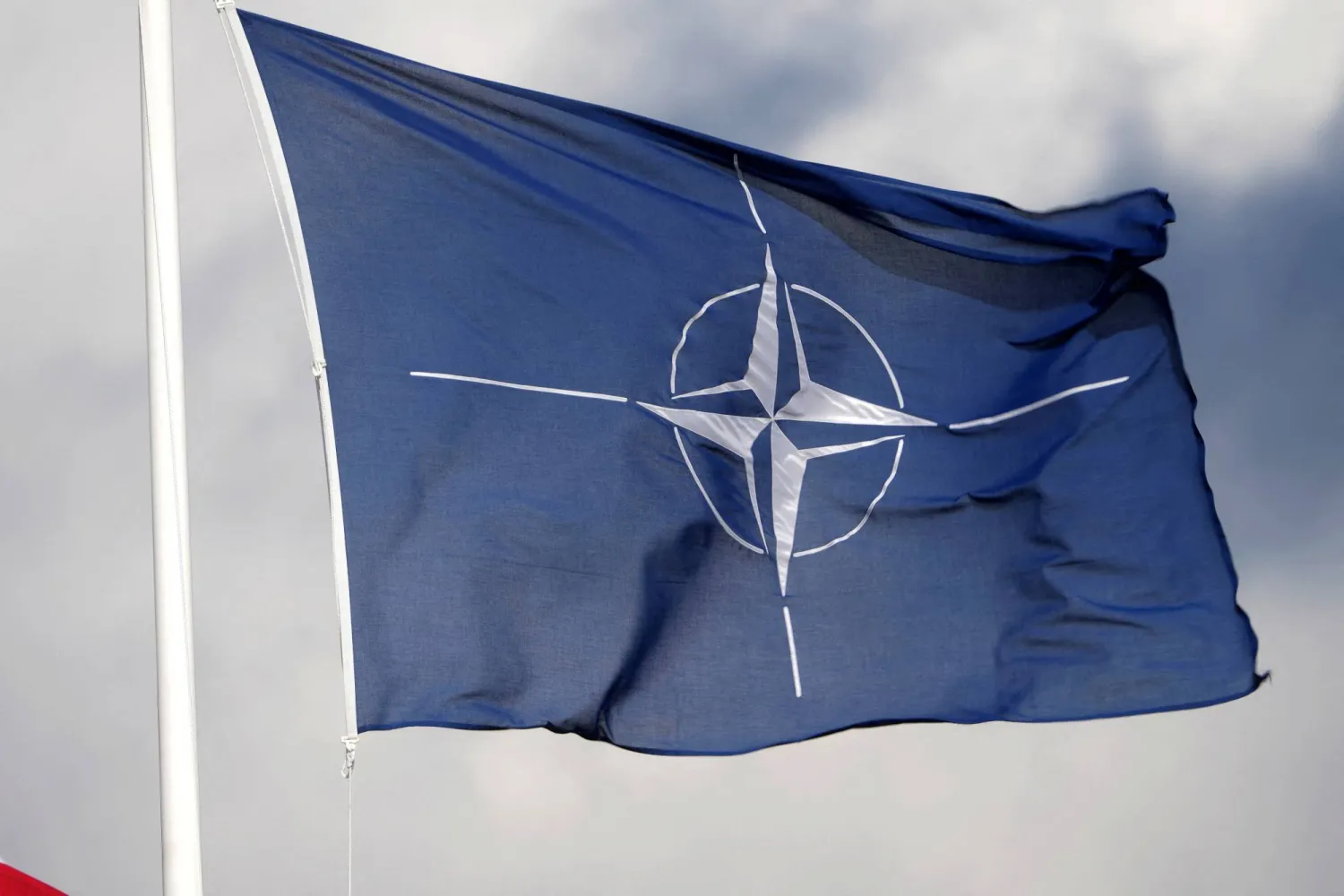
FILE PHOTO: A NATO flag flutters at the Tapa military base, Estonia April 30, 2023. REUTERS/Ints Kalnins/File Photo
TT

EU, NATO to Work to Strengthen Relationship, Von der Leyen Says 

FILE PHOTO: A NATO flag flutters at the Tapa military base, Estonia April 30, 2023. REUTERS/Ints Kalnins/File Photo

European Commission President Ursula von der Leyen said on Thursday that she agreed with NATO Secretary General Mark Rutte to work in the coming weeks to strengthen the European Union's relationship with the military alliance.

"We discussed the upcoming NATO Summit and how we can upscale defense industrial output in Europe," von der Leyen said in a post on social media platform X after meeting Rutte in Brussels, Reuters reported.

"We need to invest more, to produce more and to do both faster. With the rise in global security threats, we agreed to work closely together in the next weeks to strengthen the EU-NATO relationship and prepare a successful Summit in Ankara," she added.

Rutte said in a post about his discussion with von der Leyen that "a stronger Europe means a stronger NATO".