


Saudi Arabia Crude Exports Fall to 6 Million Barrels Per Day in April

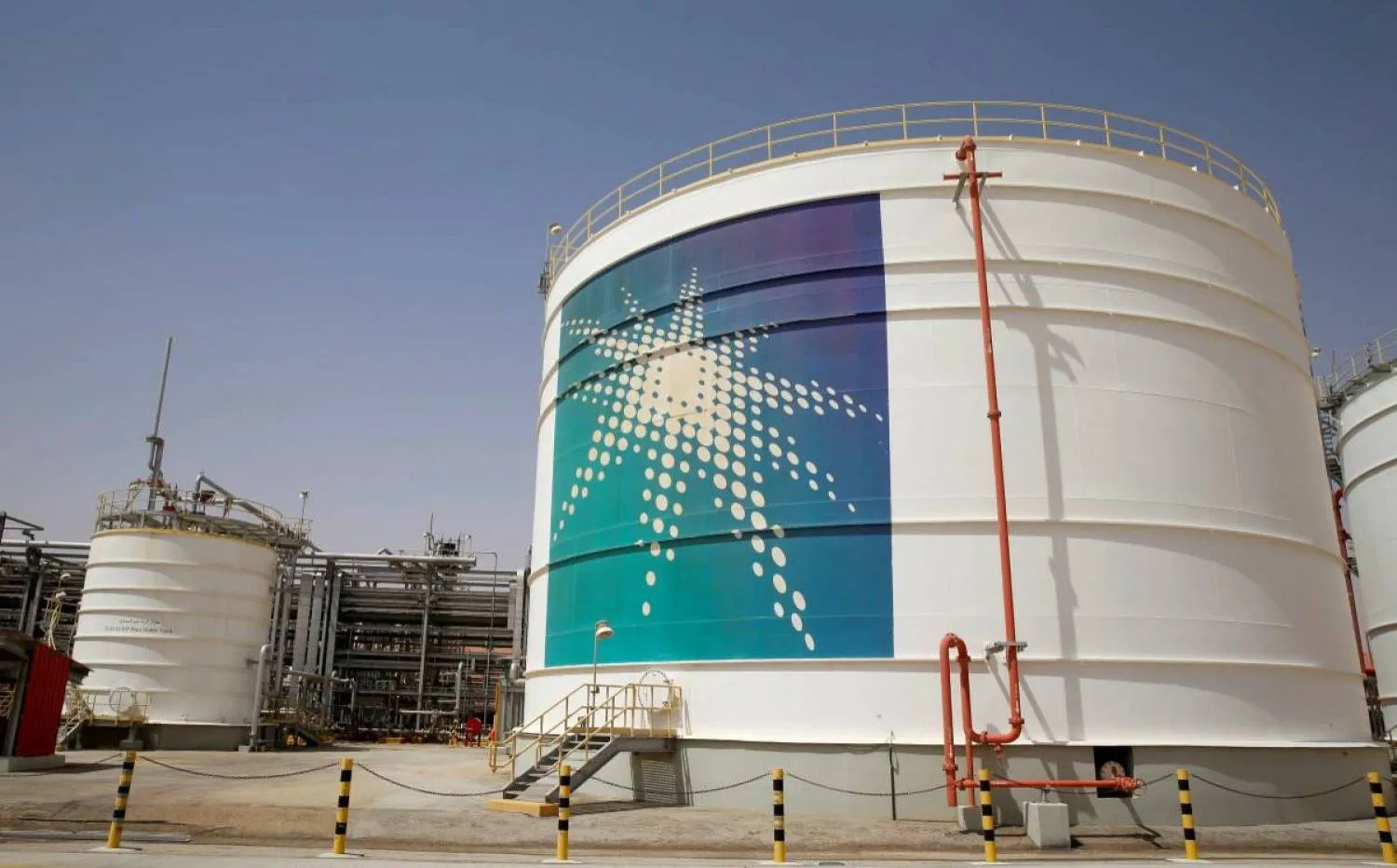
FILE PHOTO: An Aramco oil tank is seen at the Production facility at Saudi Aramco's Shaybah oilfield in the Empty Quarter, Saudi Arabia May 22, 2018. REUTERS/Ahmed Jadallah/File Photo
TT

Saudi Arabia Crude Exports Fall to 6 Million Barrels Per Day in April

FILE PHOTO: An Aramco oil tank is seen at the Production facility at Saudi Aramco's Shaybah oilfield in the Empty Quarter, Saudi Arabia May 22, 2018. REUTERS/Ahmed Jadallah/File Photo

Saudi Arabia's crude oil exports fell to 6 million barrels per day from 6.413 million bpd in March, data from the Joint Organizations Data Initiative (JODI) showed on Monday.
The decline in Saudi exports comes in line with the OPEC+ agreement to cut production, in order to maintain market stability.
OPEC+ has implemented a series of output cuts since late 2022 to support the market amid rising output from the United States and other non-member producers and worries over demand as major economies grapple with high interest rates.
OPEC+ members are currently cutting output by a total of 5.86 million barrels per day (bpd), or about 5.7% of global demand. Those include 3.66 million bpd of cuts, which were due to expire at the end of 2024, and voluntary cuts by eight members of 2.2 million bpd.
On June 2, OPEC+ agreed to extend most of its deep oil output cuts well into 2025 as the group seeks to shore up the market amid tepid demand growth, high interest rates and rising rival US production.
OPEC+ will also gradually phase out the cuts of 2.2 million bpd over the course of a year from October 2024 to September 2025. Eight countries, including Russia, had already pledged to cut production.
Monthly export figures are provided by Riyadh and other members of the Organization of the Petroleum Exporting Countries (OPEC) to the Joint Organizations Data Initiative (JODI), which published them on its website.


Saudi Arabia Showcases Responsible Use of AI at AI Impact Summit in India

Saudi Arabia took part in a high-level session on harnessing artificial intelligence on the sidelines of the AI Impact Summit 2026 hosted by India.
TT

Saudi Arabia Showcases Responsible Use of AI at AI Impact Summit in India

Saudi Arabia took part in a high-level session on harnessing artificial intelligence on the sidelines of the AI Impact Summit 2026 hosted by India.

Saudi Arabia, represented by the Saudi Data and Artificial Intelligence Authority (SDAIA), took part in a high-level session on harnessing artificial intelligence for people, planet, and progress on the sidelines of the AI Impact Summit 2026 hosted by India, the Saudi Press agency reported on Wednesday.

The event drew participation from more than 70 countries and 25 international organizations, as well as senior decision-makers and technology experts.

The Saudi delegation, led by SDAIA President Dr. Abdullah Alghamdi, included Saudi Ambassador to India Haitham Al-Maliki and officials from relevant government entities.

The session aimed to launch a global network of specialized AI scientific institutions, accelerate discovery through advanced technologies, strengthen international cooperation among states and research bodies, and support the deployment of artificial intelligence to address global challenges and advance the United Nations Sustainable Development Goals (SDGs) 2030.

Deputy Chief Strategy Officer at SDAIA Dr. Abdulrahman Habib emphasized the need to unify international efforts to promote the responsible and ethical use of artificial intelligence, ensuring a sustainable, positive impact on societies and economies worldwide and supporting the 2030 SDGs.

He also reviewed Saudi Arabia’s data and AI initiatives, highlighting efforts to develop regulatory frameworks and national policies that balance innovation with the governance of emerging technologies, as well as applied models that have enhanced quality of life, improved government service efficiency, and advanced environmental sustainability.

SDAIA's participation in the summit underscores Saudi Arabia’s role in shaping the global future of AI and in strengthening its presence in international forums focused on advanced technologies, in line with the objectives of Saudi Vision 2030, which prioritizes digital transformation and innovation.


Tetteh: Despite UN Engagement, No Progress in Libya Roadmap

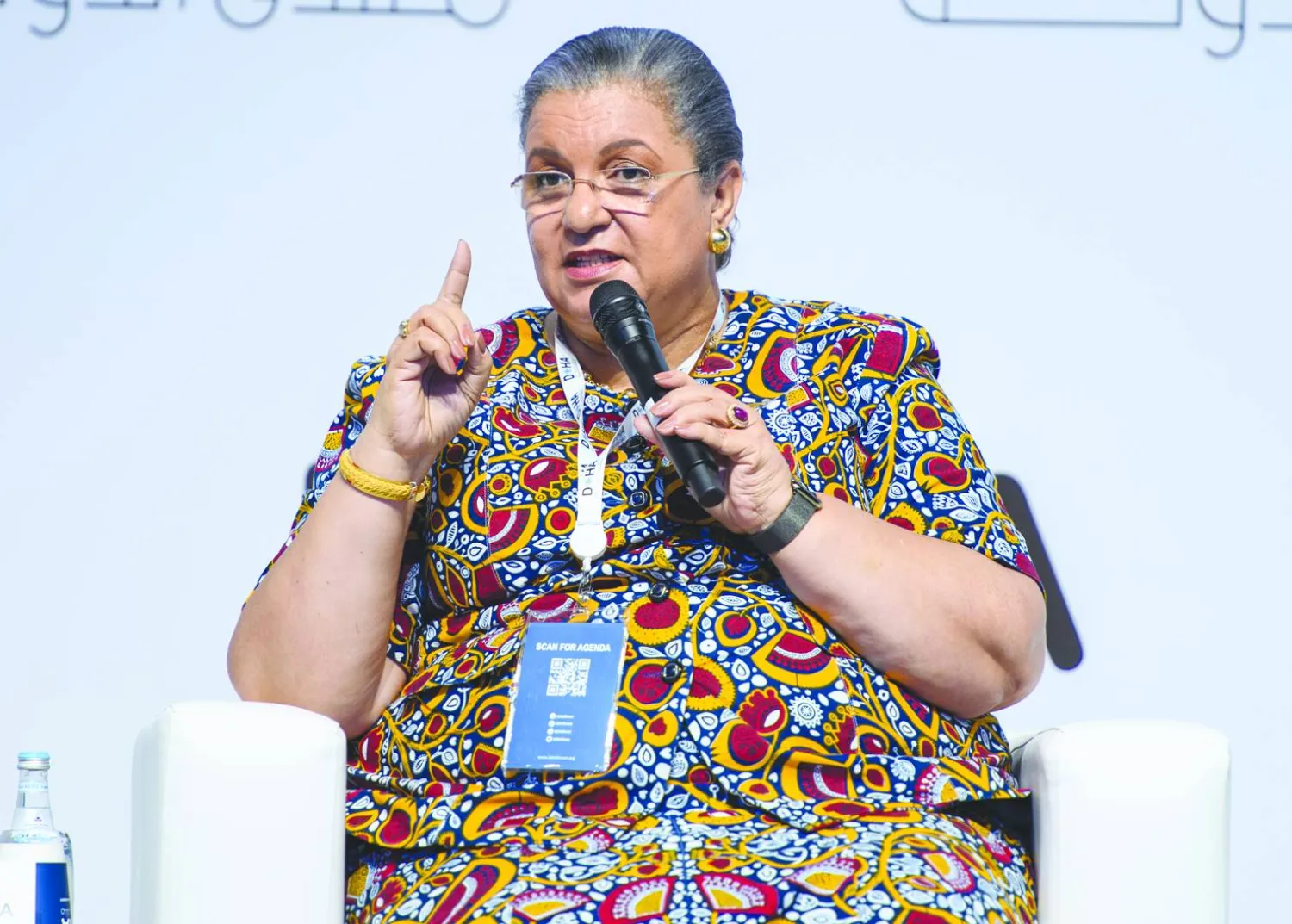
Head of the United Nations Support Mission in Libya Hanna Tetteh Getty)
TT

Tetteh: Despite UN Engagement, No Progress in Libya Roadmap

Head of the United Nations Support Mission in Libya Hanna Tetteh Getty)

The UN’s top envoy for Libya, Hanna Tetteh, has informed the Security Council that despite active United Nations engagement, the Libyan House of Representatives and the High Council of State have failed to make progress on the first steps of the agreed political roadmap, including establishing a mechanism to select the board of the High National Elections Commission (HNEC) and advancing electoral legislation.

Briefing the Council in New York on Wednesday, the Special Representative of the Secretary-General said: “Their inability to use their agreed mechanism and follow-on unilateral actions has further eroded their credibility."

Tetteh added that Libyan public perceptions reflect a growing belief that the bodies are “unable or unwilling” to deliver.

She told Council members that she has begun consultations with key actors on an alternative two-step approach aimed at restoring momentum. Should a smaller group of Libyan representatives fail to agree on the roadmap’s milestones, she warned, a broader convening would be required. “We cannot wait indefinitely,” she emphasized.

The UN envoy also issued a stark warning about escalating tensions within Libya’s judicial system.

She said “contradictory, parallel judicial decisions put into jeopardy the unity of the legal and judicial systems,” cautioning that the situation “is a red line that if crossed can undermine the unity of the state.”

She urged Libyan leaders to refrain from further escalatory steps and called on the Council to hold accountable those taking actions that threaten to fracture the judiciary.

Tetteh also warned that transnational criminal networks continue to expand, turning Libya into a major transit hub for drug trafficking and sustaining illicit economies linked to corruption and armed groups.


US Military Tells Trump It's ‘Ready’ to Strike Iran as Soon as Saturday

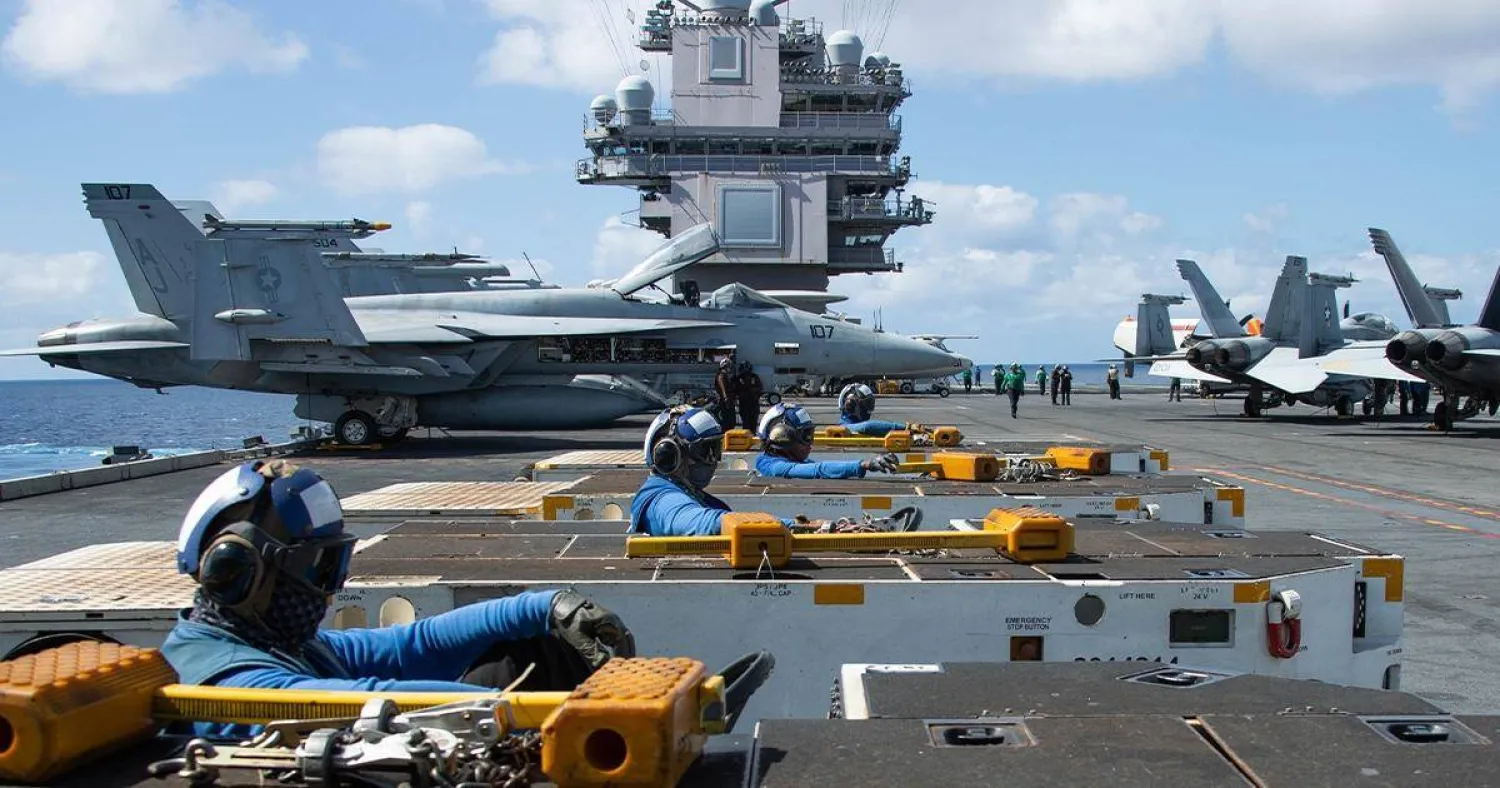
A shot showing personnel preparations aboard the US aircraft carrier "Gerald Ford" (US Navy)
TT

US Military Tells Trump It's ‘Ready’ to Strike Iran as Soon as Saturday

A shot showing personnel preparations aboard the US aircraft carrier "Gerald Ford" (US Navy)

Top national security officials have told President Trump the military is ready for potential strikes on Iran as soon as Saturday, but the timeline for any action is likely to extend beyond this weekend, sources familiar with the discussions told CBS News.

Trump has not yet made a final decision about whether to strike, said the officials, who spoke under condition of anonymity to discuss sensitive national matters.

The conversations have been described as fluid and ongoing, as the White House weighs the risks of escalation and the political and military consequences of restraint, added CBS.

Over the next three days, the Pentagon is moving some personnel temporarily out of the Middle East region — primarily to Europe or back to the United States — ahead of potential action or counterattacks by Iran if the US were to move ahead with its operation, according to multiple officials.

It's standard practice for the Pentagon to shift assets and personnel ahead of a potential US military activity and doesn't necessarily signal an attack on Iran is imminent, one of the sources told CBS.

Contacted by CBS News on Wednesday afternoon, a Pentagon spokesperson said they had no information to provide.

Iran was discussed in the White House Situation Room on Wednesday, a US official and a senior military official told CBS News. All military forces deployed to the region are expected to be in place by mid-March.

Axios had also said that a war between the United States and Iran is looming — and there are several factors suggesting President Trump might push the button soon.

On Wednesday, Iran's top diplomat Abbas Araghchi said that Tehran was "drafting" a framework for future talks with the United States, as the US energy secretary said Washington would stop Iran's nuclear ambitions "one way or another".