




Israel will not accept a ceasefire deal with Hamas that leaves its hostages in Gaza or the movement in power in the enclave, Israeli government spokesman Eylon Levy said on Tuesday.
He added that efforts were ongoing to bring about the release of the hostages but declined to elaborate saying lives were hanging in the balance, according to Reuters.
Asked about reports of a ceasefire deal in Gaza, Levy said the goals of the war were unchanged.
“The destruction of Hamas’ governing and military capabilities in the Gaza Strip and the return of all the hostages. There will be no ceasefire that leaves the hostages in Gaza and Hamas in power,” he said.
“Beyond that, we have nothing to elaborate.”
Levy’s comments came while the Arab World News quoted Ghazi Hamad, a senior Hamas official, as saying that the movement rejects Israel's proposal for a two-month ceasefire as part of a multi-phase deal that includes the release of all Israeli hostages held in Gaza.
He reiterated Hamas' insistence on a full ceasefire and the withdrawal of Israeli troops from Gaza before discussing any details regarding the hostages.
“We will not accept such method because it means that Israel will continue to fight and to occupy the Gaza Strip and repeat the massacres,” Hamad said.
“We insist that the war stops once and for all. Our mission is to protect our people and stop the massacres, stop the bloodshed and stop the genocide,” he added.
On Tuesday, quoting two Israeli officials, the Axios website reported that Israel has given Hamas a proposal through Qatari and Egyptian mediators that includes up to two months of a pause in the fighting as part of a multi-phase deal that would include the release of all remaining hostages.
According to the proposal, the first phase of the deal would see the release of women, men over the age of 60 and hostages who are in critical medical condition, the officials said.
The next phases would include the release of female soldiers, men under the age of 60 who are not soldiers, Israeli male soldiers and the bodies of hostages.
The officials said the proposal includes Israel redeploying its army so that some would be moved out of main population centers in the enclave and allowing a gradual return of Palestinian civilians to Gaza City and the northern Gaza Strip as the deal is being implemented.
Hamad described the proposal as “a cover-up, a lie and a deception practiced by the Israelis.”
“We insist on a complete cessation of aggression and the withdrawal of the occupation forces. After that, we can talk about other details for an arrangement on a prisoner swap deal,” he stressed.
Hamad expressed Hamas’ official response to the deal: “We refuse it. That is our official position.”
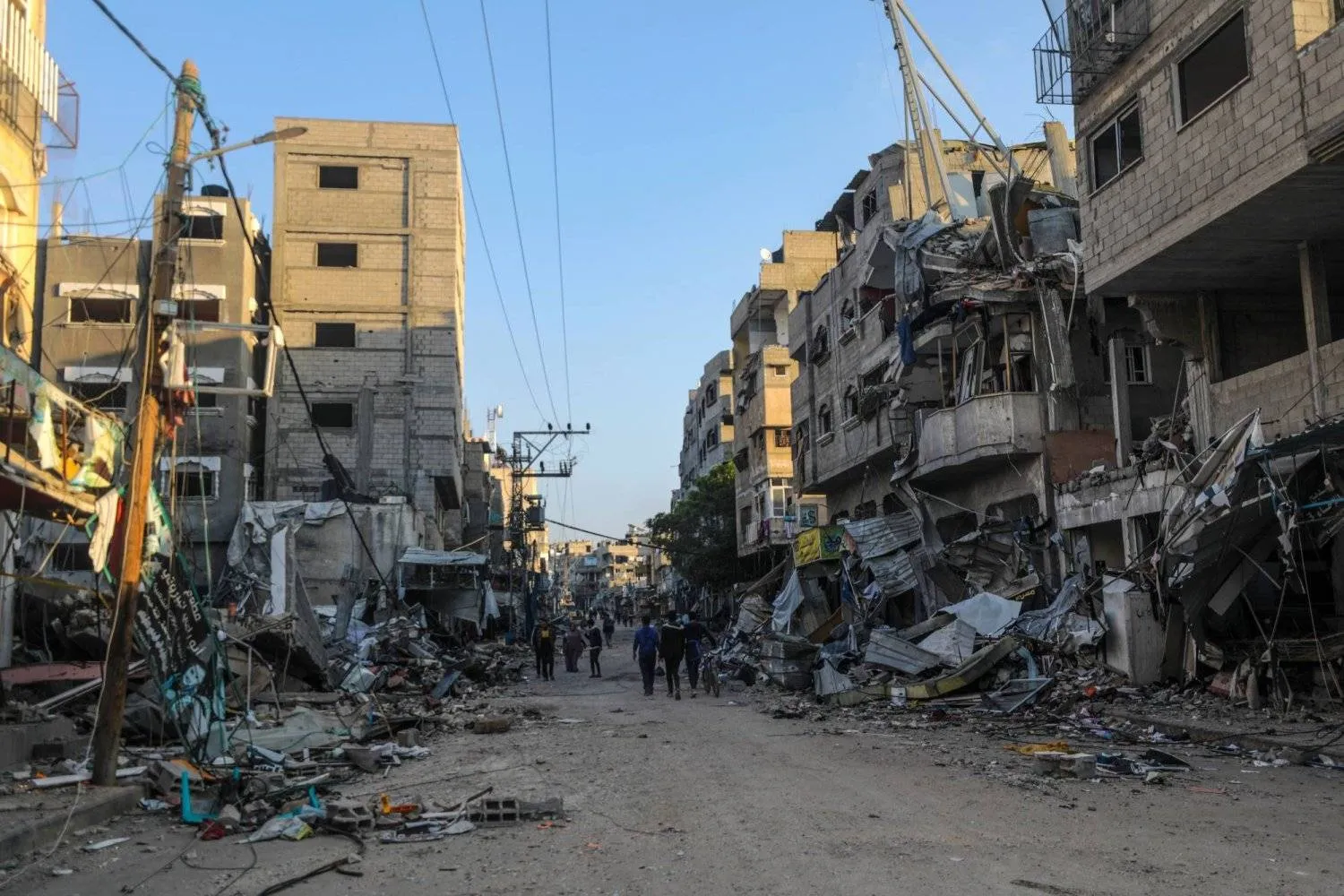
He portrayed the proposal as an admission of Israel's failure in the Gaza Strip, highlighting the absence of substantial achievements beyond civilian casualties, and destruction of houses.
Hamad contended that Israel, facing military, political, security, and international setbacks, is attempting to navigate this predicament through superficial offers.
He pointed to a shift in the international stance, holding Israel responsible for the ongoing conflict, and emphasized that the resilience of the Palestinian people and the strength of the resistance have altered the dynamics.
According to Hamad, “A new chapter is beginning, turning the page on the past”.
Hamad also explained that Israel only cares about the hostages.
“So, when the hostages are freed, the Israelis will be more free in their war against Gaza,” he said.
“We tell them ‘No’ because our priority is to stop the aggression on Gaza and the withdrawal of the occupation forces, and we will not leave them room to start the war again,” Hamad declared.


