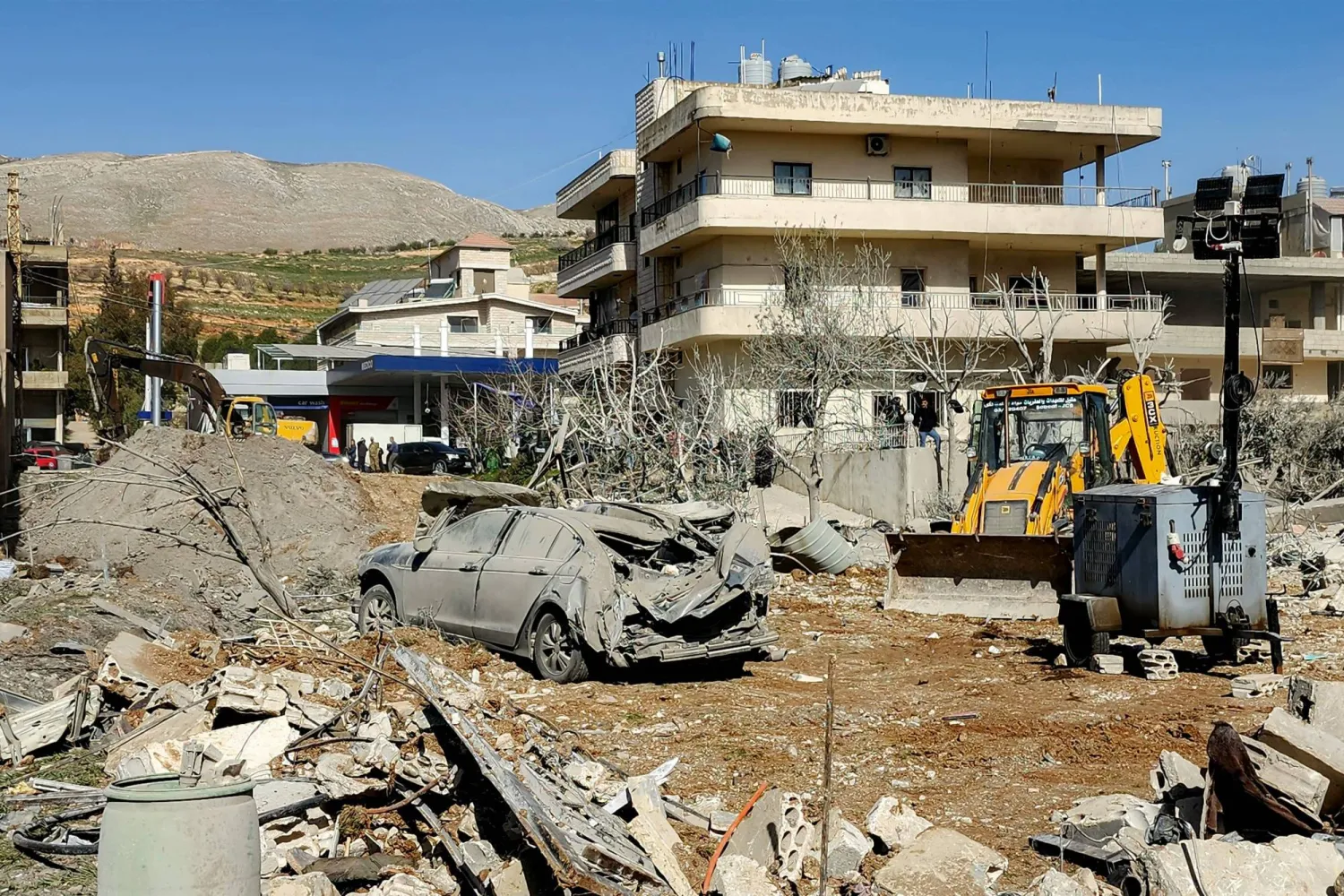

I just finished a tour of the market of the displaced persons camp in Mawasi Rafah, south of the Gaza Strip. My daughter, Alia, accompanied me. I carried a tote bag distributed by a relief organization to the displaced, which became our shopping bag.
We bought some groceries at exorbitant prices and headed back to our shelter, to proofread and submit an article in an attempt to meet a delayed deadline. I was overwhelmed by a feeling of frustration and an enormous desire to escape. But I do not have this luxury, and I try not to give up so that I can also continue performing my many duties.
I am a journalist, a mother, a wife, and a displaced person, and these are roles in which my experience over the past five months intersects, since the beginning of this war.
Working conditions in war are not short of extreme danger, and few and minimal logistics are available. As for the possibility of taking a rest during the day, it requires coordination that begins with obtaining a chair from my colleagues and placing it in front of the door of the work team tent. I sit and watch the road where children have become street vendors calling out to passers-by instead of raising their soft voices to repeat the lessons in the classroom.
I witness the departure of the ambulances and the arrival of the wounded and dead, and I hear the screams of the bereaved, then I get up from my chair, inspect my voice and gather my strength to convey what happened, in what is the most difficult mission. But despite the exhaustion, a feeling of pride never leaves me whenever I wear that blue shield, as I am a voice for these victims.
In the war field, which was turned into a workplace, I meet my husband, who is also a fellow journalist. You can imagine a house maintained by two journalists at this time.
150 days during which the husband and father lived away from us, as he moved to stay in journalists’ gatherings and perform his work.
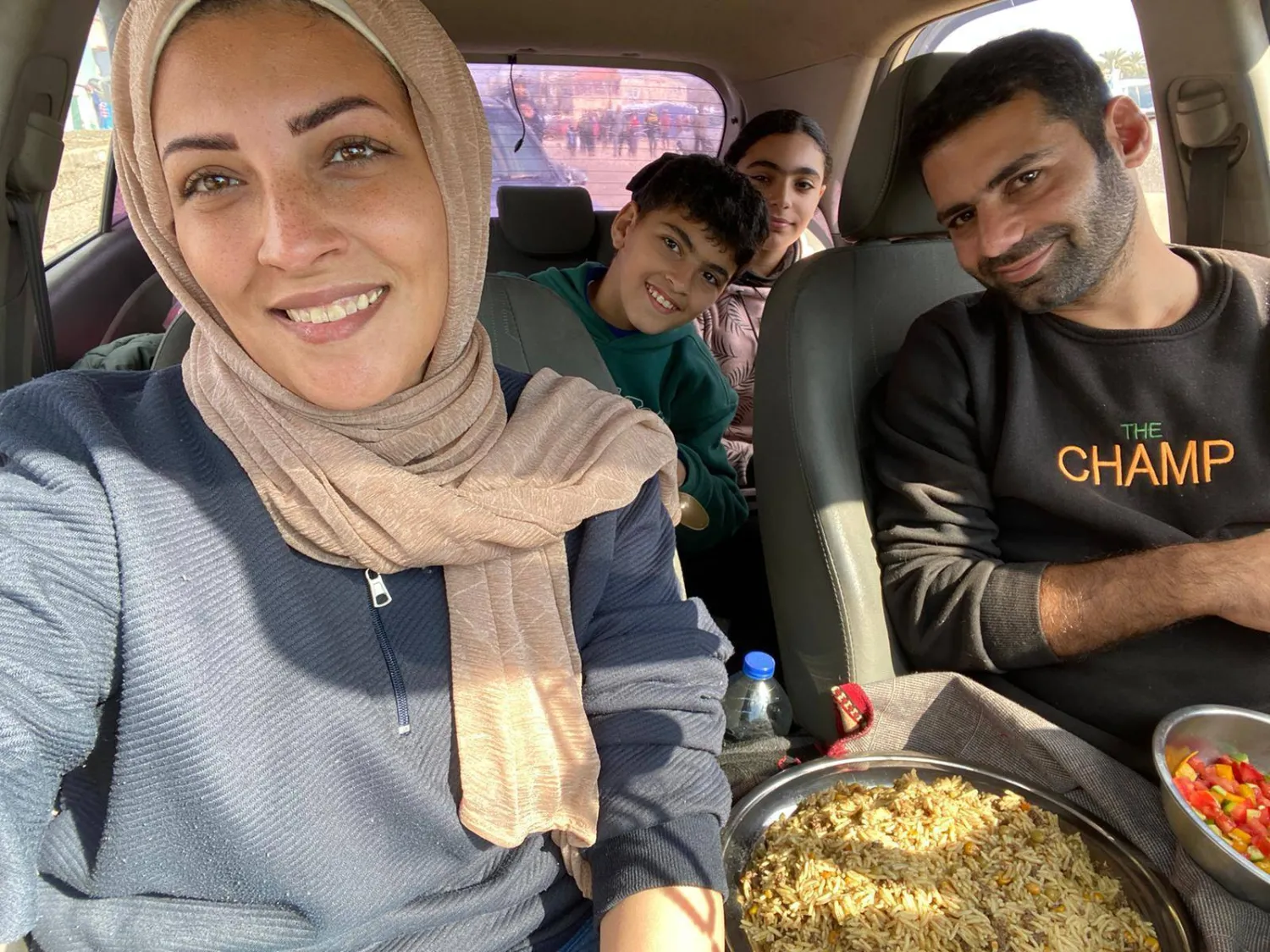
I meet him between two tasks and we talk about the situation as interlocutors, then about ourselves as a couple, and about our children as parents. He gives me a bag of his dirty clothes to wash. From time to time, I invite him to lunch and we eat whatever we have in our small car on the street corner. He leaves, and I remain embracing Alia and Jamal’s panic during difficult nights and their fear under bombardment and fire.
I cry with them sometimes and support them more at other times, so that a new dawn will rise and we will survive and repeat our days.