


Israel Recovers the Bodies of 6 Hostages in Gaza, Including Israeli-American Hersh Goldberg-Polin

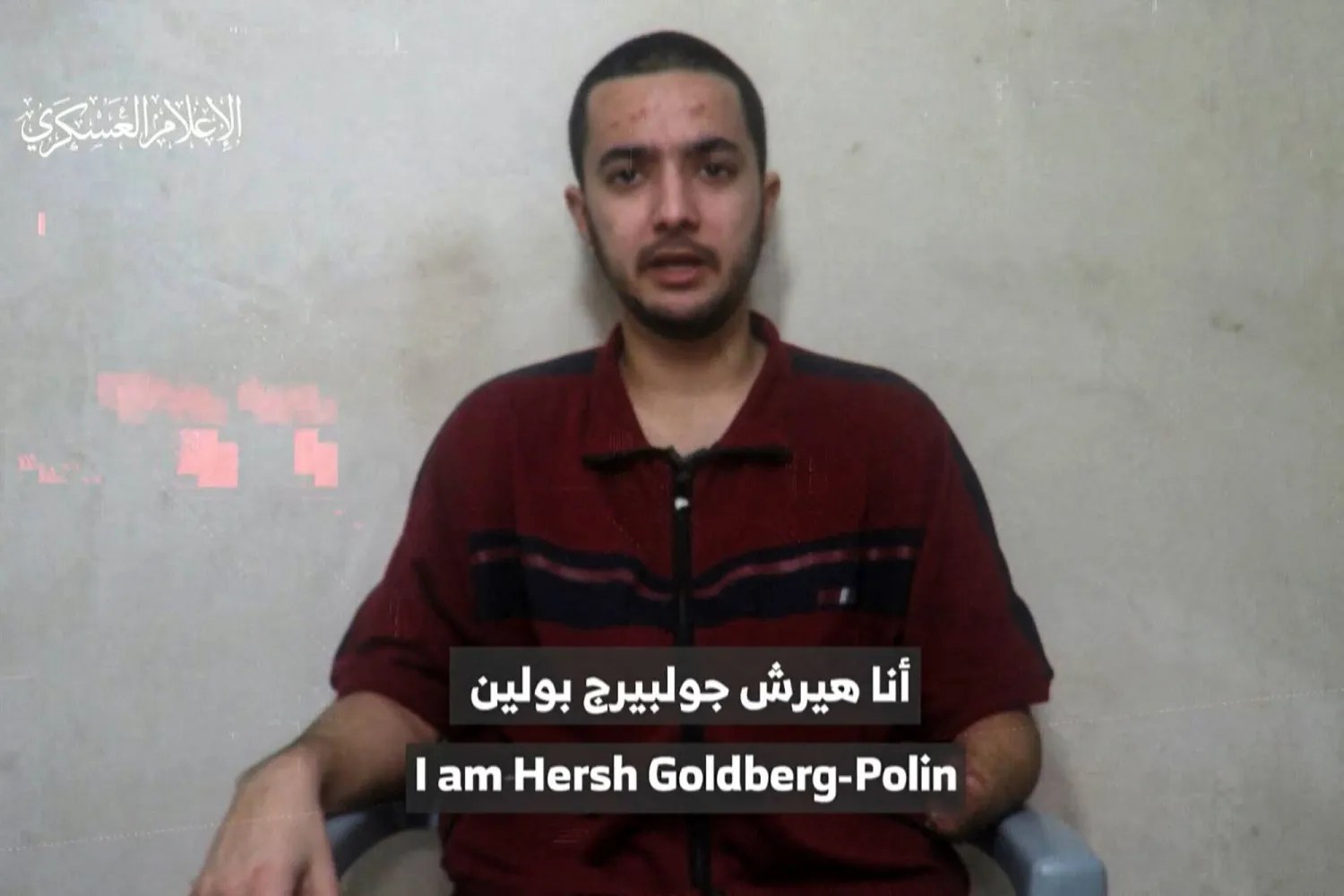
(FILES) An image grab from a video released by the media office of the Palestinian group Hamas on April 24, 2024, shows an Israeli-American man who identified himself as Hersh Goldberg-Polin, 23, one of the hostages abducted from the Nova music festival in southern Israel during the Hamas attack on October 7, 2023, speaking to a camera. (Photo by Hamas Media Office / various sources / AFP)
TT

Israel Recovers the Bodies of 6 Hostages in Gaza, Including Israeli-American Hersh Goldberg-Polin

(FILES) An image grab from a video released by the media office of the Palestinian group Hamas on April 24, 2024, shows an Israeli-American man who identified himself as Hersh Goldberg-Polin, 23, one of the hostages abducted from the Nova music festival in southern Israel during the Hamas attack on October 7, 2023, speaking to a camera. (Photo by Hamas Media Office / various sources / AFP)

Israel on Sunday said it had recovered the bodies of six hostages in Gaza, including a young Israeli-American man who became one of the most well-known captives held by Hamas as his parents met with world leaders and pressed for his release.

The military said all six had been killed shortly before the arrival of Israeli forces. Their recovery sparked calls for mass protests against Prime Minister Benjamin Netanyahu, whom many Israelis blame for failing to bring them back alive in a deal with Hamas to end the 10-month-old war. Negotiations over such a deal have dragged on for months.

Netanyahu said Israel would hold Hamas accountable for killing the hostages in "cold blood," and blamed the group for the stalled negotiations, saying "whoever murders hostages doesn’t want a deal."

Fighters seized Hersh Goldberg-Polin, 23, and four of the other hostages at a music festival in southern Israel during Hamas' Oct. 7 attack, which triggered the war.

The native of Berkeley, California, lost part of his left arm to a grenade in the attack. In April, a Hamas-issued video showed him alive but with his left hand missing, sparking new protests in Israel urging the government to do more to secure the hostages' release.

The army identified the other dead hostages as Ori Danino, 25; Eden Yerushalmi, 24; Almog Sarusi, 27; and Alexander Lobanov, 33; who were also taken from the music festival. The sixth, Carmel Gat, 40, was abducted from the nearby farming community of Be'eri.

It said the bodies were recovered from a tunnel in the southern Gaza city of Rafah, around a kilometer (half a mile) from where another hostage, Qaid Farhan Alkadi, 52, was rescued alive last week.

Lt. Col. Nadav Shoshani, a military spokesperson, said the army believed there were hostages in the area but had no specific intelligence. He said Israeli forces found the bodies several dozen meters (yards) underground as "ongoing combat" was underway, but that there was no firefight in the tunnel itself.

He said there was no doubt that Hamas had killed them.

Hamas has offered to release the hostages in return for an end to the war, the withdrawal of Israeli forces and the release of a large number of Palestinian prisoners, including high-profile militants.

Izzat al-Rishq, a senior Hamas official, said the hostages would still be alive if Israel had accepted a US- backed ceasefire proposal that Hamas said it had agreed to back in July.

Families of hostages call for a "complete halt of the country" Netanyahu has vowed to continue the war until Hamas is destroyed and says military pressure is needed to bring home the hostages.

Israel's Channel 12 reported that he got into a shouting match at a security Cabinet meeting late Thursday with his defense minister, Yoav Gallant, who accused him of prioritizing control of a strategic corridor along the Gaza-Egypt border — a major sticking point in the talks — over the lives of the hostages.  

The Cabinet reportedly voted in favor of remaining in the corridor over the objections of Gallant, who said it would prevent a hostage deal.

An Israeli official confirmed the report and said three of the hostages — Goldberg-Polin, Yerushalmi and Gat — had been slated to be released in the first phase of a ceasefire proposal discussed back in July. The official was not authorized to brief media about the negotiations and spoke on condition of anonymity.

"In the name of the state of Israel, I hold their families close to my heart and ask forgiveness," Gallant said Sunday after the remains were recovered. He later called for the Cabinet to reverse its decision.

A forum of hostage families called for a massive protest on Sunday, demanding a "complete halt of the country" to push for the implementation of a ceasefire and hostage release.

"A deal for the return of the hostages has been on the table for over two months. Were it not for the delays, sabotage, and excuses those whose deaths we learned about this morning would likely still be alive," it said in a statement.

US President Joe Biden, who has met with Goldberg-Polin's parents, said he was "devastated and outraged."

"It is as tragic as it is reprehensible," he said. "Make no mistake, Hamas leaders will pay for these crimes. And we will keep working around the clock for a deal to secure the release of the remaining hostages."

Vice President Kamala Harris said her prayers were with the Goldberg-Polin family and condemned Hamas.

A high-profile campaign Goldberg-Polin’s parents, US-born immigrants to Israel, became perhaps the most high-profile relatives of hostages on the international stage. They met with Biden, Pope Francis and others and addressed the United Nations, urging the release of all hostages.

On Aug. 21, his parents addressed a hushed hall at the Democratic National Convention — after sustained applause and chants of "bring him home."

"This is a political convention. But needing our only son — and all of the cherished hostages — home is not a political issue. It is a humanitarian issue," said his father, Jon Polin. His mother, Rachel, who bowed her head during the ovation and touched her chest, said "Hersh, if you can hear us, we love you, stay strong, survive."

She and her husband sought to keep their son and the others held from being reduced to numbers, describing Hersh as a music and soccer lover and traveler with plans to attend university since his military service had ended.

Some 250 hostages were taken on Oct. 7. Israel now believes that 101 remain in captivity, including 35 who are believed to be dead. More than 100 were freed during a weeklong ceasefire in November in exchange for the release of Palestinians imprisoned by Israel. Eight have been rescued by Israeli forces.

Two previous Israeli operations to free hostages killed scores of Palestinians. Hamas says several hostages have been killed in Israeli airstrikes and failed rescue attempts. Israeli troops mistakenly killed three Israelis who escaped captivity in December.

Hamas-led fighters killed some 1,200 people, mostly civilians, when they stormed into southern Israel on Oct. 7, attacking army bases and several farming communities.

Israel's retaliatory offensive in Gaza has killed over 40,000 Palestinians, according to local health officials, who do not say how many were fighters. It has displaced the vast majority of Gaza's 2.3 million people, often multiple times, and plunged the besieged territory into a humanitarian catastrophe.

In a separate development Sunday, Palestinian militants killed three Israeli police officers when they opened fire on their vehicle in the West Bank, according to Israeli officials. Israel has been carrying out large-scale military raids across the occupied territory in recent days.


'War Has Aged Us': Lebanon's Kids Aren't Alright

Theater helps displaced Lebanese children overcome the pain of war. Anwar AMRO / AFP
TT

'War Has Aged Us': Lebanon's Kids Aren't Alright

Theater helps displaced Lebanese children overcome the pain of war. Anwar AMRO / AFP

Forced by yet another war in Lebanon to flee his home for the second time in just two years, and mourning lost relatives and friends, Hassan Kiki said he feels much older than 16.

"War has aged us... We have lived through what no one else has," the tall teen from south Lebanon told AFP in Beirut.

"I miss my school, my friends... I lost two cousins and two friends in a massacre in Shehabiyeh," he added, referring to a deadly Israeli strike in his town that killed at least seven people on March 11.

Kiki is among more than a million people Lebanese authorities have registered as displaced since the country was drawn into the Middle East war on March 2.

On that day, the Iran-backed militant group Hezbollah launched rockets towards Israel to avenge the killing of supreme leader Ali Khamenei.

Israel, which never stopped bombing Lebanon despite a 2024 truce that sought to end the last war with Hezbollah, responded with widespread strikes, ground operations along the border, and an evacuation warning for swathes of the country.

For many young Lebanese caught in the crossfire, their formative years have been jeopardized by repeated conflicts and crises.

"My childhood is gone," said Kiki.

"Material losses can be made up for, but people do not come back."

Since 2019, Lebanese have been battling a financial crisis that has locked them out of their bank deposits, while the Covid pandemic made life even harder for everyone.

Beirut's port exploded the following year in one of the world's largest non-nuclear blasts, destroying swathes of the Lebanese capital, and killing more than 220 people.

- 'Dreams on hold' -

The first time Zahraa Fares experienced war was in 2024, when she was just 14.

"We were still discovering what we like to do, what activities we enjoy, how we like to spend our days, then we were displaced... and could not do anything", said the now-16-year-old, who escaped the southern city of Nabatiyeh.

Fares, who said she now feels "mentally crushed", found relief in an acting workshop in Beirut's Lebanese National Theater intended to support war-affected youth like herself.

Wassim al-Halabi, a 20-year-old Syrian who fled the war in his country nine years ago and is still living in Lebanon, has found himself stuck in another conflict.

Working in a restaurant since the 2024 war forced him out of university, Halabi said he was "starting from zero to be able to stand on my two feet again, but war started again".

"Our dreams are now on hold until the war ends."

Lebanese authorities on Thursday said Israeli strikes have killed more than 1,000 people since March 2.

The toll includes 118 children.

"Cumulative trauma, cumulative adverse experiences and ongoing instability and unpredictability certainly put these children at higher risk... of developing psychiatric disorders and negative mental health outcomes," Evelyne Baroud, a child and adolescent psychiatrist told AFP.

"Witnessing violence, physical assaults, killings, forced displacement, losing one's home, loss of a parent, all of these carry a very high risk of developing post-traumatic stress disorder."

- Generational trauma -

Lebanon has been mired in conflicts and crises for decades, the worst of which was the 15-year civil war that erupted in 1975 and which divided the country into warring sectarian fiefdoms.

For many years since the end of that war, which killed 150,000 people and left 17,000 more missing, bitter political divisions continued to plague Lebanon.

The war also saw an Israeli invasion and occupation of southern Lebanon until 2000.

While young Lebanese grew up hearing stories of war from their parents, they never expected to have to live through one themselves.

"My mother used to tell us about how they would be displaced, hear airstrikes, but I was not able to properly imagine it," Fares said.

"I used to ask myself 'how could they shelter in a school?' but now I see it with my own eyes."

At a gathering in Beirut to express solidarity for victims of the war, 18-year-old Laura al-Hajj wondered: "Why do I have so many concerns at my age?"

"We carried burdens that are much bigger than us, and beyond our age... I now just worry about being alive tomorrow."

Hajj said she feels like "from generation to generation, we are all living through wars".

"No child should have to go through what we went through."


In ‘Solidarity’ Visit to Beirut, French FM Vows to Pursue Lebanon Truce Efforts

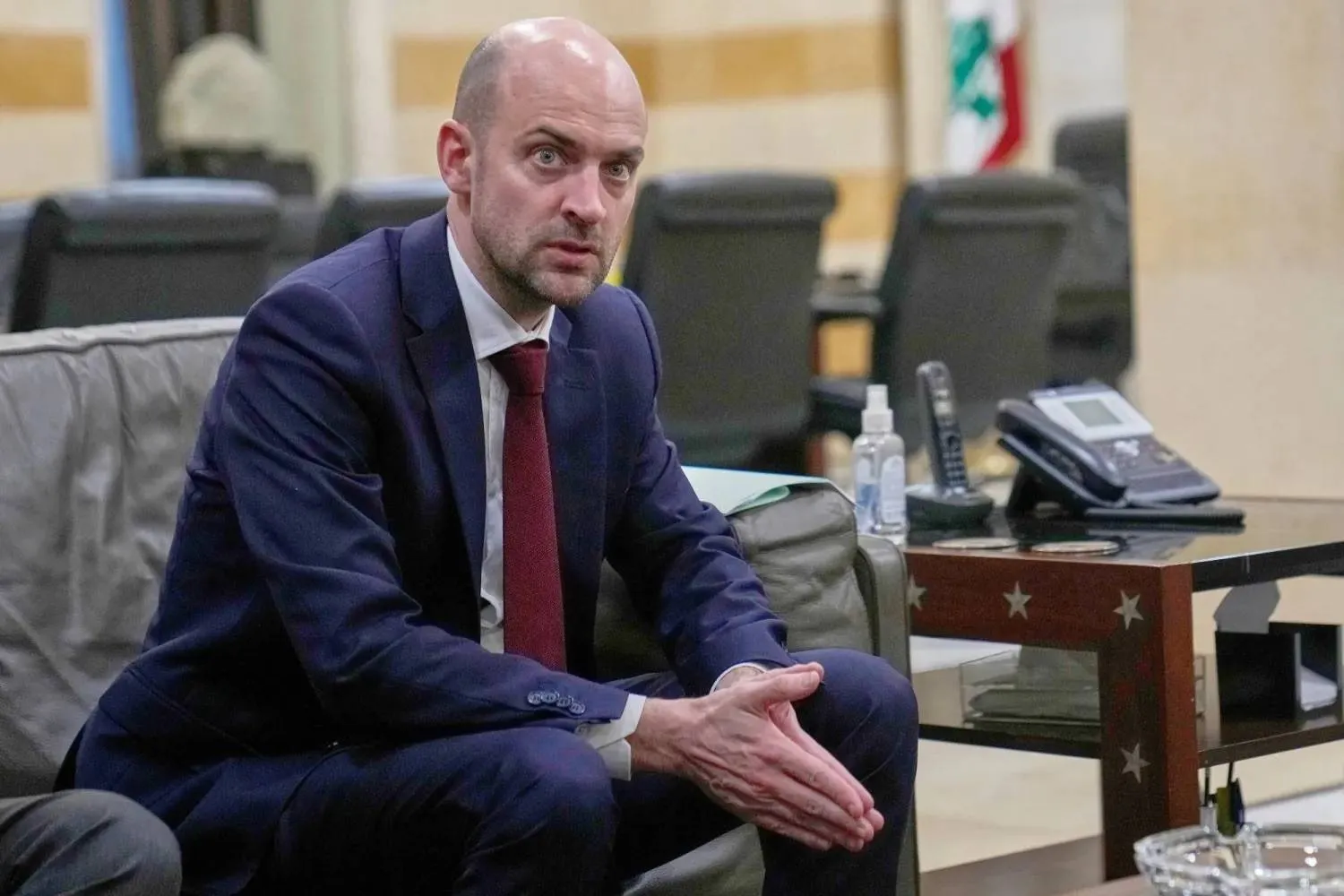
French Foreign Minister Jean-Noël Barrot during his visit to Prime Minister Nawaf Salam (AP)
TT

In ‘Solidarity’ Visit to Beirut, French FM Vows to Pursue Lebanon Truce Efforts

French Foreign Minister Jean-Noël Barrot during his visit to Prime Minister Nawaf Salam (AP)

French Foreign Minister Jean-Noël Barrot on Friday expressed solidarity with Lebanon and pledged to press ahead with diplomatic efforts to halt escalating violence between Israel and Hezbollah.

Barrot’s visit came as Lebanon faces mounting security and humanitarian problems resulting from ongoing hostilities.

Lebanese officials said the French minister stressed Paris’s determination to find “common ground” to launch serious negotiations, reaffirming full support for an initiative by President Joseph Aoun to open direct talks with Israel.

France “will continue its efforts despite the difficulties,” Barrot told Lebanese leaders, according to official sources.

He added that he had spoken ahead of his trip with his US counterpart as well as Israel’s Ron Dermer, who has been tasked with representing his government in any negotiations with Lebanon.

Barrot also underscored the “vital role” of UN peacekeepers in southern Lebanon, stressing that France intends to maintain its presence even after the current mandate of the United Nations Interim Force in Lebanon (UNIFIL) expires at the end of the year.

In a statement, Lebanon’s presidency said Barrot briefed Aoun on ongoing diplomatic contacts aimed at halting Israeli strikes.

The French minister voiced readiness to work towards ending the escalation through proposals under discussion with relevant parties, describing Aoun’s initiative as “courageous” and backed by the international community.

He also highlighted the central role of the Lebanese army in any future settlement, including in the event of a UNIFIL withdrawal, and discussed coordination with neighboring Syria following a recent call involving Aoun, French President Emmanuel Macron and Syrian leader Ahmad al-Sharaa.

Aoun, for his part, reiterated the urgent need for a ceasefire and guarantees to ensure its durability, warning that continued escalation was blocking the launch of negotiations.

He said a halt to hostilities was essential to create the conditions for talks, pointing to widespread destruction in southern Lebanon, hundreds of casualties and more than one million displaced.

“Once the fire stops, negotiations can take place anywhere,” Aoun said, according to the statement, stressing that de-escalation remains the priority.

He also reaffirmed Lebanon’s desire for international forces to remain in the south to oversee any future agreement, or for European contingents to continue peacekeeping duties under any framework.

On the domestic front, Aoun said the government remains committed to enforcing the state’s monopoly on arms, including plans to disarm Hezbollah, though implementation has been hindered by the ongoing conflict.

He added that key infrastructure — including Beirut’s airport, seaport and border crossings — remains under state control, with the army conducting patrols nationwide to curb armed activity. Decisions on war and peace, he stressed, rest solely with the state.

Lebanese divisions, US role

Barrot also met Parliament Speaker Nabih Berri, who reiterated his refusal to name a Shiite representative to a negotiating delegation before “an end to Israeli aggression and the return of displaced persons.”

Prime Minister Nawaf Salam, for his part, told CNN Lebanon was ready to “immediately” enter direct negotiations with Israel.

“This war was imposed on us,” Salam said, noting that around 20 percent of the population has been displaced.

He described the United States as a strategic partner and said Donald Trump was “the most capable of playing a decisive role in ending the war.”

EU warns of ‘catastrophic’ situation

The European Union meanwhile voiced “grave concern” over the Israeli offensive in Lebanon, warning of severe humanitarian consequences and the risk of a prolonged conflict.

In a statement, the EU called on Israel to halt its operations, saying the humanitarian situation in Lebanon was already “catastrophic.”

It also criticized Hezbollah for drawing Lebanon into the conflict, refusing to disarm and continuing attacks on Israel.

Attacks on civilians, infrastructure, healthcare workers and UN peacekeepers are “unjustifiable and unacceptable and must stop immediately,” the statement said.


Talks in Baghdad Aim to Halt Attacks on US Embassy

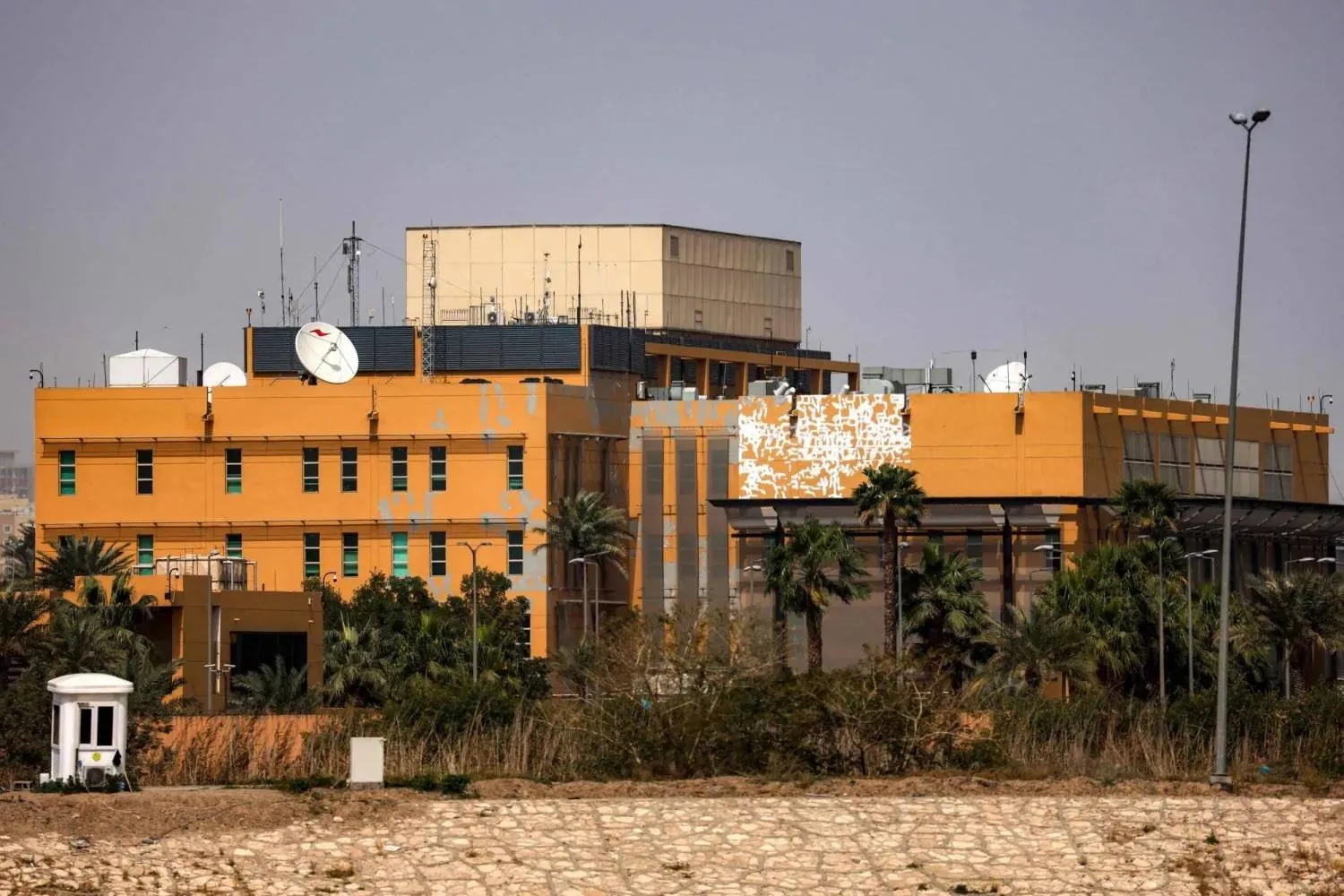
The US Embassy compound in Iraq inside the Green Zone in Baghdad (AFP) 
TT

Talks in Baghdad Aim to Halt Attacks on US Embassy

The US Embassy compound in Iraq inside the Green Zone in Baghdad (AFP) 

A series of meetings held over the past two days inside Baghdad’s fortified Green Zone have produced a preliminary framework aimed at halting attacks on the US Embassy, according to an informed Iraqi source.

Speaking to Asharq Al-Awsat, the source said the discussions brought together representatives of armed factions and a senior Iraqi political figure, resulting in a proposed agreement that has been conveyed to the United States. The proposal includes conditions set by Kataib Hezbollah.

The meetings were intended to “test the positions of both sides” as a step toward broader implementation if the arrangement proves successful in Baghdad, the source added. However, the outcome will depend on the nature of the US response.

Abu Mujahid al-Assaf, a newly appointed security official for Kataib Hezbollah, announced a five-day suspension of attacks on the US Embassy, conditional on several demands. These include an end to Israeli strikes and displacement in Beirut’s southern suburbs.

Additional conditions call for a US commitment not to target residential areas in Baghdad and other provinces, as well as the withdrawal of CIA personnel from the vicinity of the embassy.

The group warned that failure to meet these conditions would prompt a “direct and concentrated” response, with an escalation in attacks after the deadline. It also urged Iraqi authorities to protect diplomatic missions and economic entities of countries not involved in the conflict, excluding what it described as Israeli entities and US occupation forces.

The United States announced it is carrying out strikes against Iran-backed armed groups in Iraq. General Dan Caine, Chairman of the Joint Chiefs of Staff, stated during a Pentagon briefing that US AH-64 Apache helicopters are being used in these operations.

Western sources told Asharq Al-Awsat that Washington is not engaged with such proposals and is likely to continue its current approach of responding to attacks targeting diplomatic facilities and US interests in Iraq.

Recent strikes, believed to have been conducted by the United States, targeted locations used by militia leaders for meetings. Kataib Hezbollah acknowledged in statements that several of its security leaders were killed in those attacks.

Meanwhile, French President Emmanuel Macron on Thursday urged Iraqi authorities to prevent attacks on diplomatic missions amid rising regional tensions.

Speaking on the sidelines of a European summit in Brussels, Macron said France has been present in Iraq since 2015 to combat ISIS and support the country’s sovereignty. He confirmed recent contacts with Iraqi Prime Minister Mohammed Shia al-Sudani and Kurdistan Region President Nechirvan Barzani, reaffirming France’s support for Iraq’s territorial integrity.

Macron called on Iraq to act decisively against groups targeting French nationals and facilities, warning that such actions undermine the country’s security and stability.

Baghdad Security Measures

Iraq’s Interior Ministry denied reports circulating on social media claiming that US forces had raided a unit of the Rapid Response Division at Baghdad International Airport.

Spokesperson Colonel Abbas al-Bahadli described the reports as “entirely false” and urged reliance on official sources, warning against the spread of misinformation.

Baghdad Operations Command confirmed that extensive security measures have been implemented across the capital. Lieutenant General Walid al-Tamimi said efforts include securing areas that could be used to launch indirect fire, assuring diplomatic missions that “the situation in Baghdad is stable and secure.”