
The administration of US President Donald Trump has stepped up diplomatic efforts to broker a security agreement between longtime foes Syria and Israel, with a target date set for September, sources familiar with the talks said.
The deal could be announced or signed on Sept. 25 on the sidelines of the United Nations General Assembly, the sources said, as Trump seeks to use the world stage to host a meeting between Syrian President Ahmed al-Sharaa and Israeli Prime Minister Benjamin Netanyahu, with Trump himself taking part.
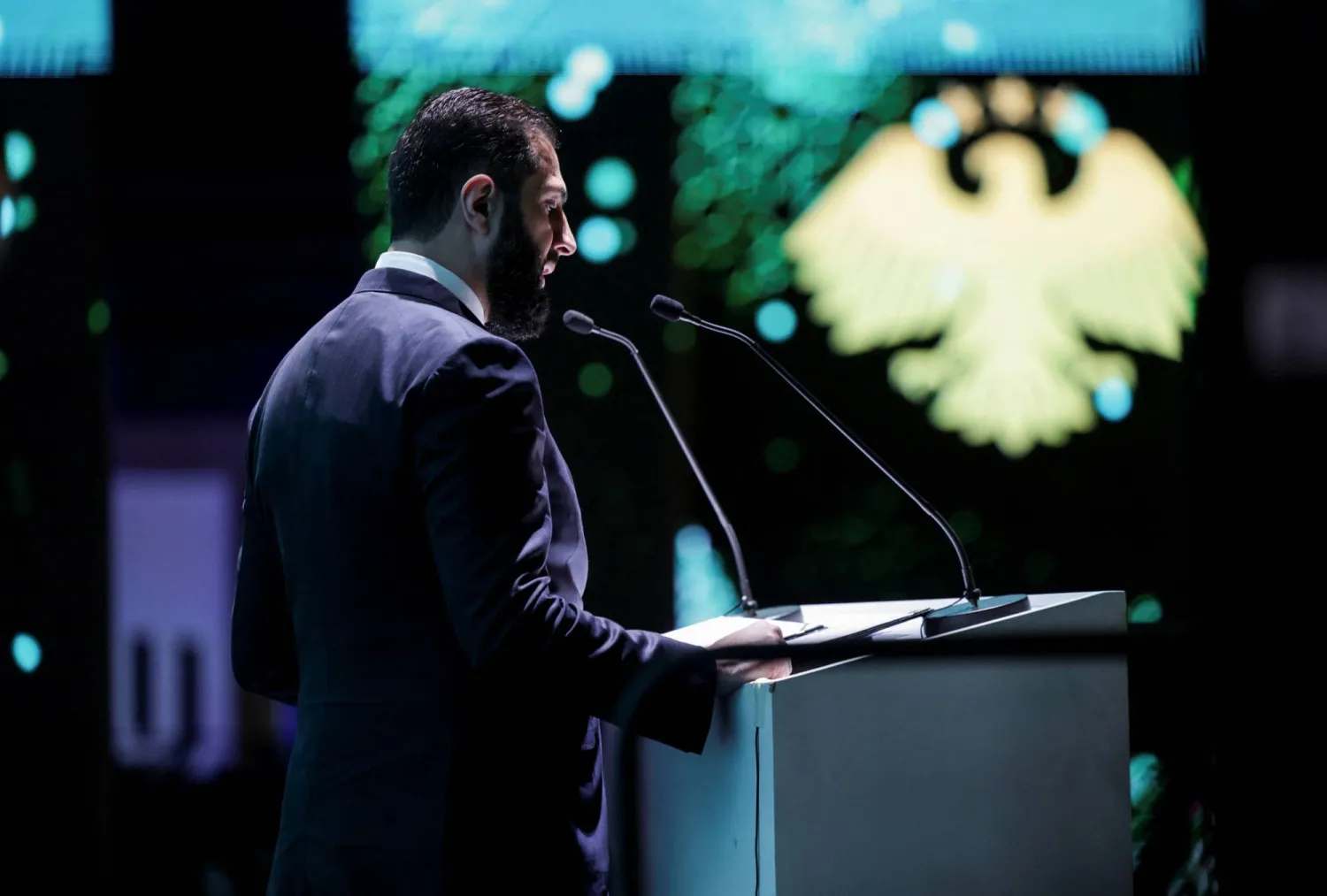
Sharaa is scheduled to address the General Assembly on Sept. 25, marking the first time in decades that a Syrian president has spoken at the annual gathering. Netanyahu is slated to deliver his speech the following day.
US officials are aiming to finalize the agreement shortly after Sharaa’s address, in what would be a landmark development in Middle East diplomacy.
The US push comes as Sharaa said “advanced talks” were under way on security arrangements with Israel, adding that 80% of the core issues had already been resolved.
He voiced optimism that there was a “strong chance” of a deal that would establish mutual security guarantees, including demilitarized zones along the Golan Heights frontier.
Analysts say a breakthrough would mark a major political victory for Trump’s administration, ending hostilities following the collapse of Bashar al-Assad’s government last December.
It would also represent the first formal pact between Syria and Israel since the 1974 disengagement agreement, potentially easing decades of hostility fueled by Syria’s civil war and Israeli strikes on Iran-backed forces.
The reports come as Israeli forces pressed deeper into Syrian territory near Damascus, in an incursion that left six Syrian soldiers dead, according to state media. Syria’s foreign ministry on Wednesday condemned the operations as a “grave violation of international law” and a clear breach of its sovereignty.
The Wall Street Journal reported that Israel has been seeking to expand its intelligence operations in Syria ahead of a security deal that could force its troops to withdraw and curb military activity there.
US officials, speaking on condition of anonymity, described the initiative as part of Trump’s revival of his “America First” foreign policy, building on the Abraham Accords of his first term.
They said Washington views the agreement as a strategic win: curbing Iran’s influence in Syria, securing Israel’s northern border, and drawing Damascus into a wider anti-Iran alignment that could include Gulf Arab states. Officials stressed, however, that the framework under discussion focuses narrowly on mutual border security rather than a comprehensive peace treaty.
Several media leaks have suggested the Trump administration is working to arrange a direct three-way meeting between Trump, Sharaa and Netanyahu during the high-level UN week starting Sept. 23, to underscore Washington’s role as mediator.
The initiative follows Trump’s earlier meeting with Sharaa in Saudi Arabia in May, where he lifted some US sanctions on Syria and praised the new leader as a partner in regional stability.