
The journey from Damascus International Airport into the heart of the Syrian capital reveals the scale of the challenges confronting a nation striving to emerge from more than a decade of turmoil.
In Eastern Ghouta, the destruction remains stark. Once-bustling neighborhoods have been reduced to empty shells, with entire blocks lying in ruins. Only a few residents remain, attempting to rebuild their lives with limited means. Across the country, the obstacles to recovery are profound: under-resourced hospitals, food insecurity, devastated infrastructure, and a battered economy that weighs heavily on both government and citizens.
For many Syrians, the struggle is deeply personal. Mohammed Al-Idlibi, 29, traveled from Idlib to Damascus seeking treatment for his nephew, who lost both arms to a landmine four months ago. His brother, blinded in earlier fighting, lives with similar scars. “There is still hope,” he told Asharq Al-Awsat in Damascus, “but the challenges are harsh and exhausting.” Unemployed, Al-Idlibi has applied to join the country’s security services, though he has yet to receive a reply. Like countless Syrians, finding work remains his greatest concern.
Amid such hardships, Saudi Arabia has stepped up its role in supporting Syria’s recovery. A high-level delegation of Saudi businessmen, doctors, and volunteers arrived in Damascus on Sunday, led by Dr. Abdullah Al-Rabeeah, Supervisor General of the King Salman Humanitarian Aid and Relief Center (KSrelief). The group came to launch hundreds of humanitarian and development projects across the country, building on Saudi Arabia’s earlier relief efforts.
Before the formal inaugurations, the Saudi delegation toured some of the worst-affected neighborhoods around Damascus, including Jobar, Arbin, and Harasta. Their visit underscored the magnitude of the task ahead: buildings barely standing, streets filled with concrete rubble, and craters left by years of bombardment. Yet there were also glimpses of resilience - small-scale construction efforts, carpenters and blacksmiths waiting for work with limited tools, and the mayor of Harasta conducting business from an improvised office of sheet metal.
At the launch ceremony, however, the mood was different. Optimism replaced despair as Saudi initiatives addressed urgent needs, particularly in healthcare. “These volunteer projects will bring a qualitative leap across several fields, not least in reducing waiting lists at hospitals and treatment centers,” said Dr. Ali Al-Qarni, KSrelief’s Director of Volunteer Programs. Having visited Syria repeatedly to assess damage to its healthcare system, he stressed that the projects would “ease suffering, restore hope, and help the sector withstand immense pressures.”
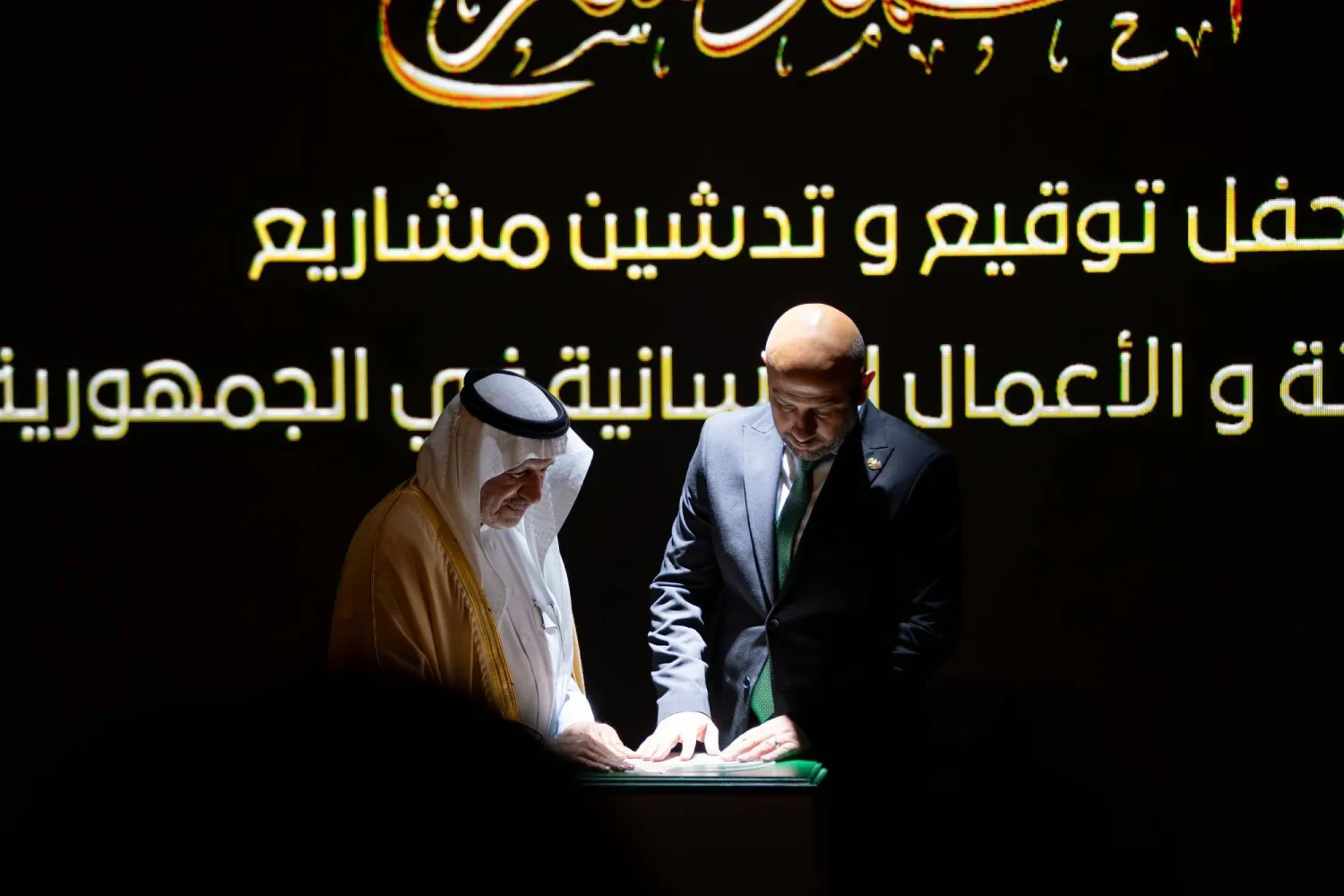
The event, held at Damascus’s Four Seasons Hotel, concluded with the signing of agreements to roll out new Saudi humanitarian and development programs. Addressing the gathering, Al-Rabeeah pledged continued support: “The Kingdom, under its wise leadership, will remain a refuge for the needy, a source of relief for the distressed, and a partner for nations in their pursuit of recovery and prosperity.”