




Egyptian President Abdel Fattah al-Sisi described Israel as “the enemy” in a speech at the Arab-Islamic summit in Doha, in what analysts said was Cairo’s sharpest rhetoric toward its neighbor since the 1979 peace accord.
The remark, unprecedented from an Egyptian head of state since before the treaty, raised questions over whether the escalating tone could herald a new military confrontation in a region already convulsed by conflict. Cairo has repeatedly warned that Israeli actions risk undermining the landmark Camp David agreement.
Sisi told Arab leaders on Monday that Israel’s policies in the region “will not lead to new peace deals, but may undo existing ones.” He urged “decisive and sincere action” against what he called “the enemy’s” ambitions, saying only firm measures could deter “every aggressor and reckless adventurer.”
Hours later, Prime Minister Mostafa Madbouly told Egyptian media executives that the country itself was “targeted” as regional maps were being redrawn, stressing national unity as the bedrock of resilience.
Diaa Rashwan, head of Egypt’s State Information Service, noted that “the last time the word ‘enemy’ was used by Egypt’s top leadership was before the peace treaty.”
Despite alarm in Israeli media, Egyptian analysts said Cairo remained committed to peace.
“The speech aimed to preserve peace and prevent matters from sliding into an irreversible confrontation,” said Mohamed Ibrahim al-Duweiri, a former deputy head of Egyptian intelligence.
He told Asharq al-Awsat that Sisi’s words gave Israel and the international community “two choices: stability, which should be everyone’s path, or explosion, which will harm all.”
Parliamentarian Yehia al-Kedwany, a retired general on the defense and national security committee, said Egypt’s new tone reflected mounting frustration at Israel’s actions in Gaza and beyond. “Calling Israel an enemy confirms the escalation after Israel’s reckless threats to peace,” he said, warning the treaty was “on the brink.”
Ambassador Ali al-Hanafy, member of the Egyptian Council for Foreign Affairs (ECFA), said Egypt was not seeking confrontation but that the risk of conflict depended on Israel’s “expansionist ambitions” and forced displacement policies in the Palestinian territories.
Israeli newspapers devoted front pages to the remarks. Israel Hayom called the speech “a warning that must not be ignored,” while Kan public broadcaster asked whether it was “a threat or a warning.” Maariv said Israel had never heard such a direct threat to cancel peace agreements from an Egyptian president.
Egyptian talk shows also commented on the statement. “The word ‘enemy’ is not just a description but a clear message,” host Ahmed Moussa said. Fellow anchor Nashat al-Deehy added: “President Sisi has reached the point of no return with Israel.”
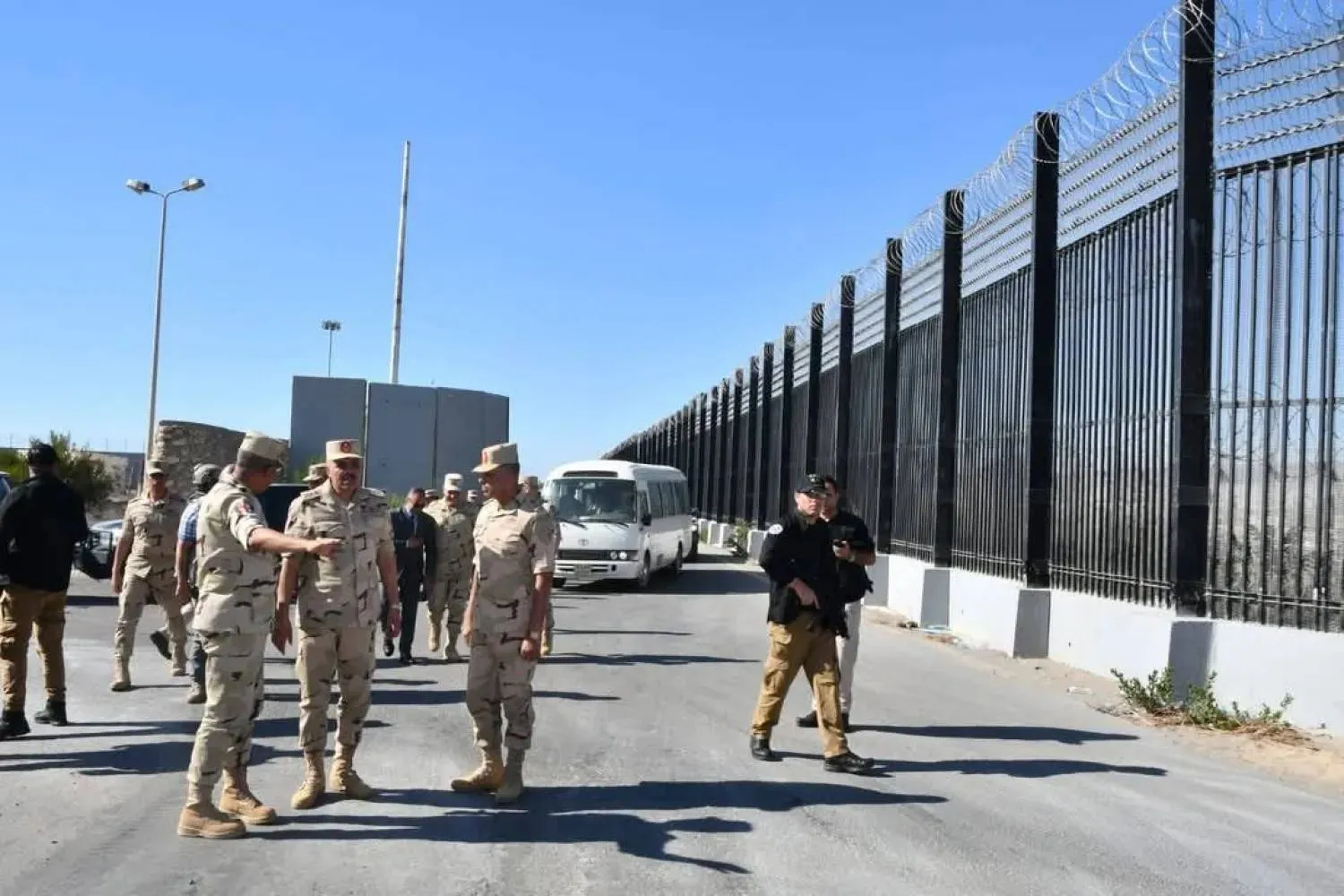
The sharper tone has been building. In August, North Sinai governor Khaled Megahed warned from the Rafah crossing that “anyone who approaches Egypt’s borders will have only themselves to blame, not just for what is declared, but for what is undeclared.”
Meanwhile, Israeli Prime Minister Benjamin Netanyahu has threatened to cut gas supplies to Egypt. Earlier this month, he repeated vows to hunt down Hamas leaders abroad, standing alongside US Secretary of State Marco Rubio.


