
The Israeli military intensified its unmanned aerial activity over Lebanon in recent days, with reconnaissance drones flying at low-altitude reportedly patrolling the skies above the Bekaa, the south, the southern suburbs of Beirut and the capital itself.
The near-continuous overflights, which pierced Lebanese airspace, prompted concerns that Israel was updating a fresh target bank for use in any future conflict.
Lebanon’s state-run National News Agency reported incursions above the majority of Lebanese regions on Wednesday, a pattern that experts said went beyond routine surveillance.
Analysts argued the drones served more than one purpose: they imposed psychological pressure on Lebanese communities by demonstrating aerial dominance, and they allowed Israeli forces to refresh and expand intelligence - capturing real-time imagery and data on sites, infrastructure and deployment centers similar to the practices observed during the last war.
The operational picture grew more complicated after UNIFIL spokeswoman Kandice Ardiel said an Israeli drone had crashed inside the UN force’s headquarters in Naqoura. She stressed the unmanned aircraft had not been armed but had been equipped with a camera. She described the incident as “a clear violation of Resolution 1701 and Lebanon’s sovereignty,” adding that the mission would issue an official protest.
Domestically, Hezbollah’s adversaries and allied politicians voiced alarm. Mohammad Khawaja, a member of the Development and Liberation bloc affiliated with the Amal movement, told Asharq Al-Awsat that the tempo of Israeli escalation in the south had “noticeably increased over the past ten days.”
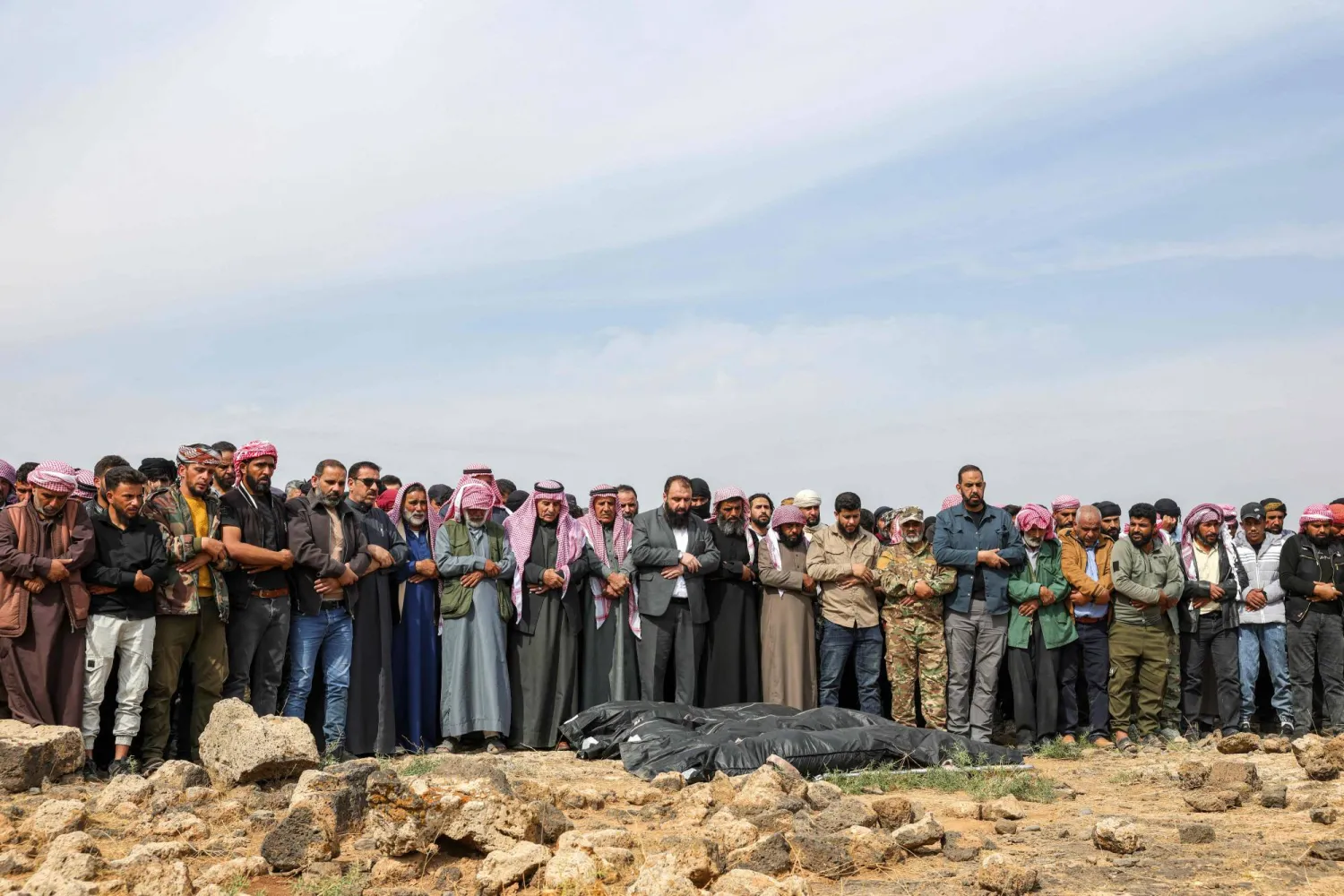
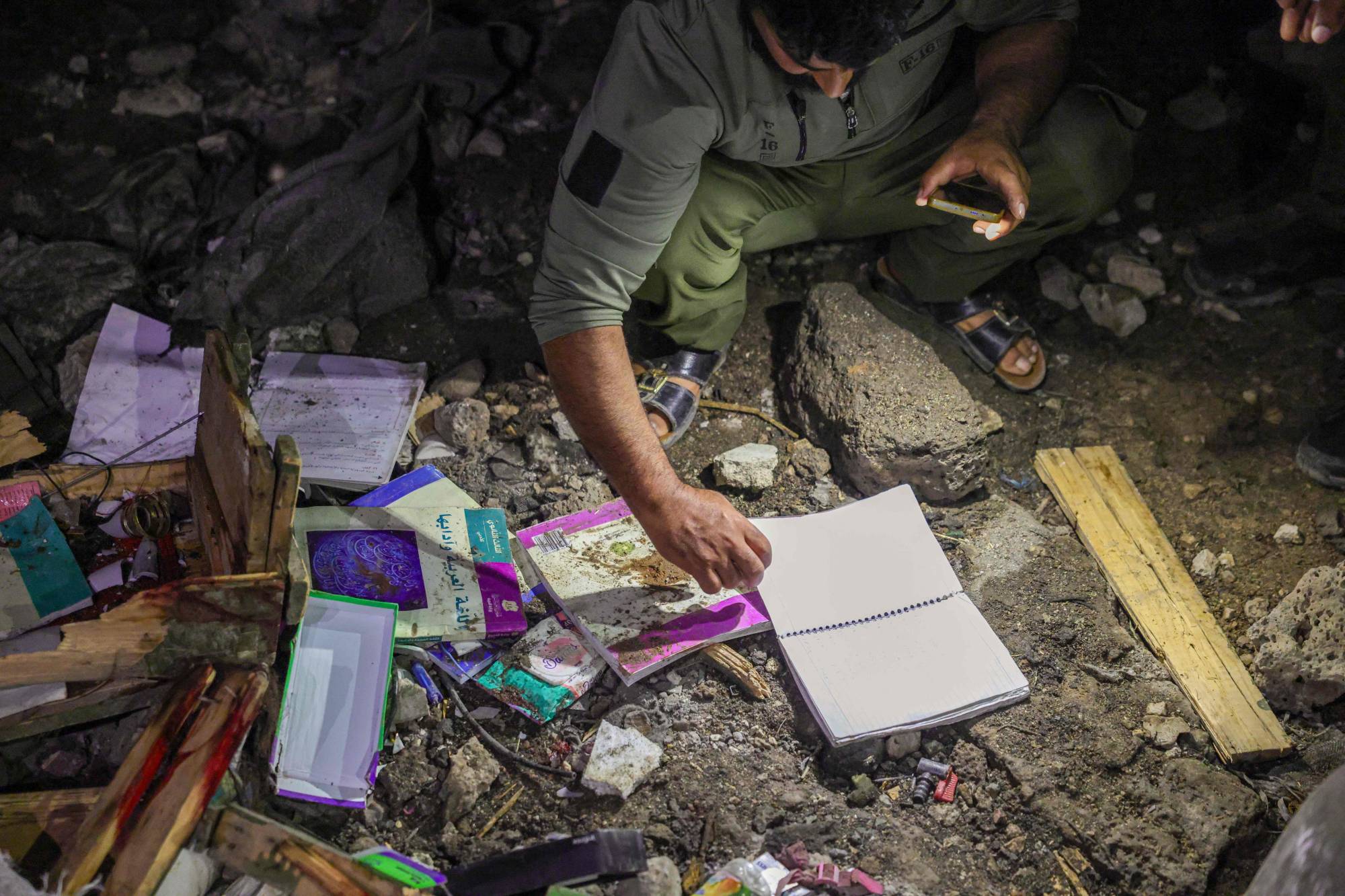
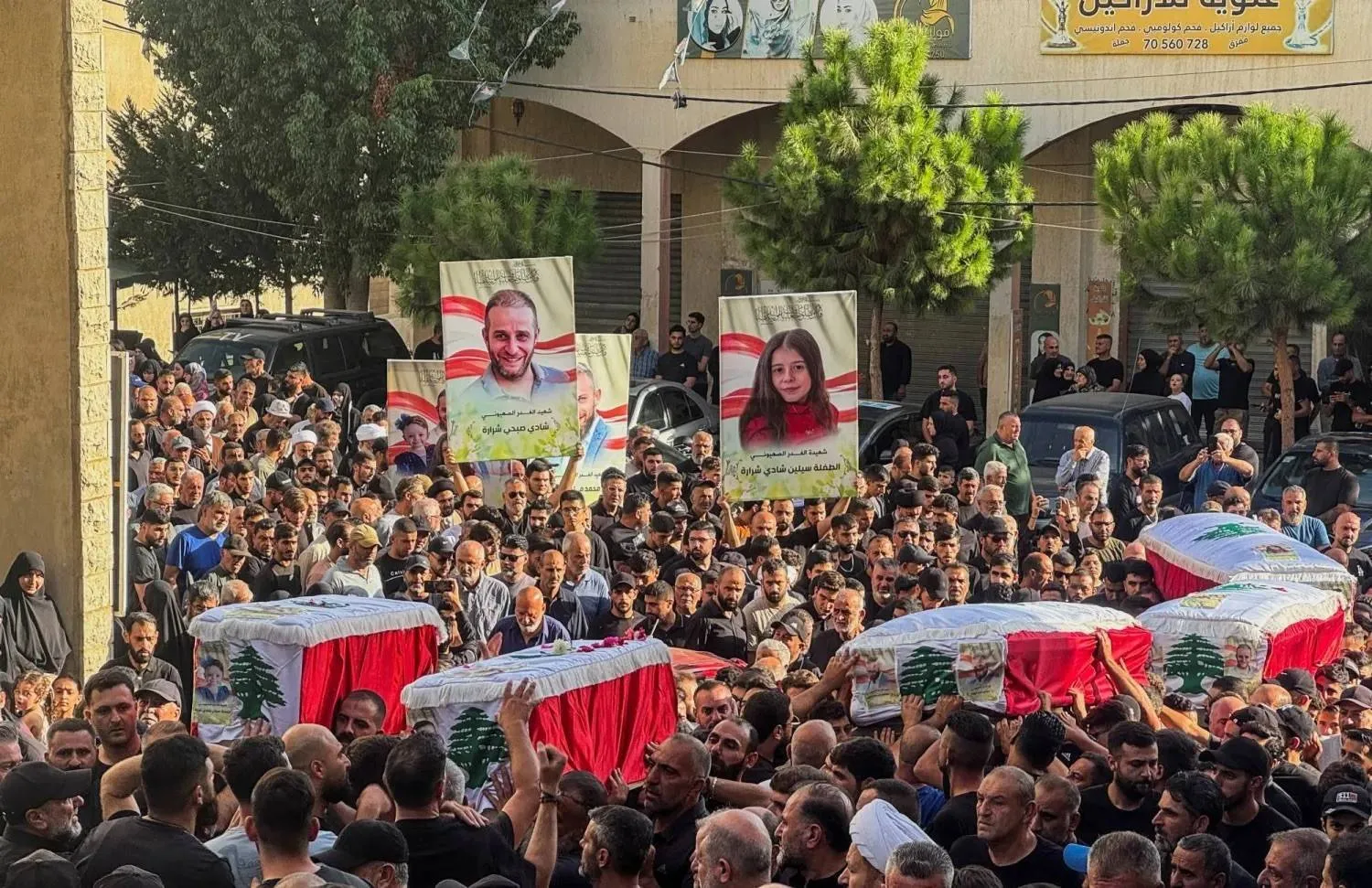
He pointed to a string of attacks on civilians, including strikes near Tebnine Hospital that left casualties and a recent massacre in Bint Jbeil that killed an entire family including children.
Khawaja framed these strikes as part of sustained Israeli pressure on Lebanon coinciding with the arrival of a recent US envoy, whose role, he said, had produced no tangible effect on the ground. He also criticized comments by US mediator Tom Barrack, who he said placed undue blame on the Lebanese state and army.
Retired military analyst Col. Khaled Hamadeh told Asharq Al-Awsat that Israel seeks to keep the option of war on the table by refreshing its list of potential targets and reminding Lebanon that confrontation could erupt at any moment.
“Israel’s approach today is geared toward perpetual conflict,” he said, arguing that Tel Aviv had failed to secure its objectives in Gaza and was now looking to translate that struggle into pressure on Lebanon.
Hamadeh said the Lebanese government had faltered in implementing a ceasefire agreement and in setting a timeline to collect weapons held by Hezbollah, a failure he said risked increasing pressure on Beirut.
He warned that the recent spike in drone operations and strikes made Lebanon “a likelier candidate” for a large-scale military campaign, raising the probability of a war resembling the destruction seen in Gaza — one intended to degrade civilian concentrations and Hezbollah’s societal network, and to exhaust the state so that it could not mount an effective response.