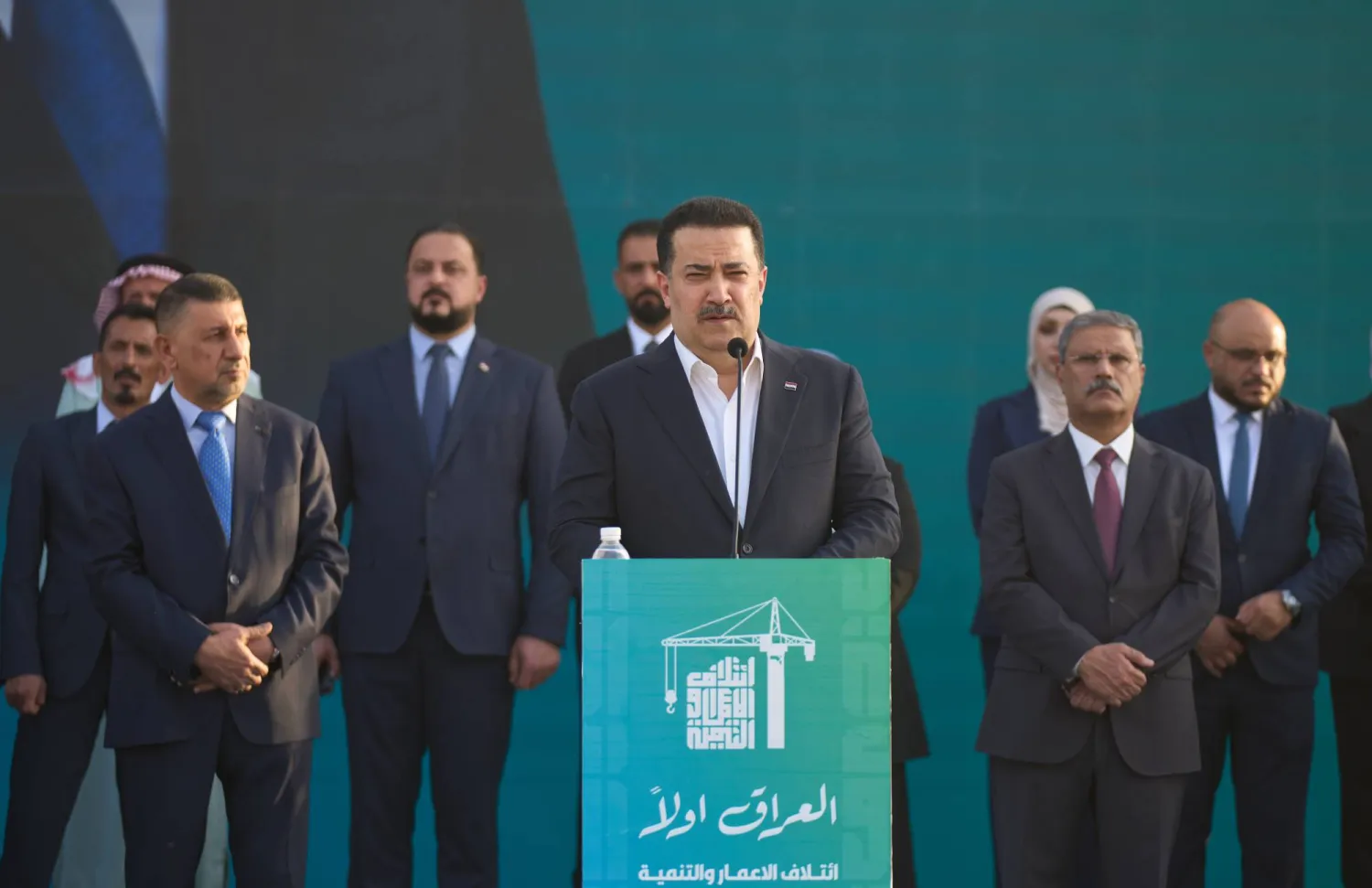

Tensions between Baghdad and Washington have been growing more strained in recent days, particularly after the telephone talks between Prime Minister Mohammed Shia al-Sudani and US Secretary of State Marco Rubio, who urged Iraq to disarm Iran-backed militias.
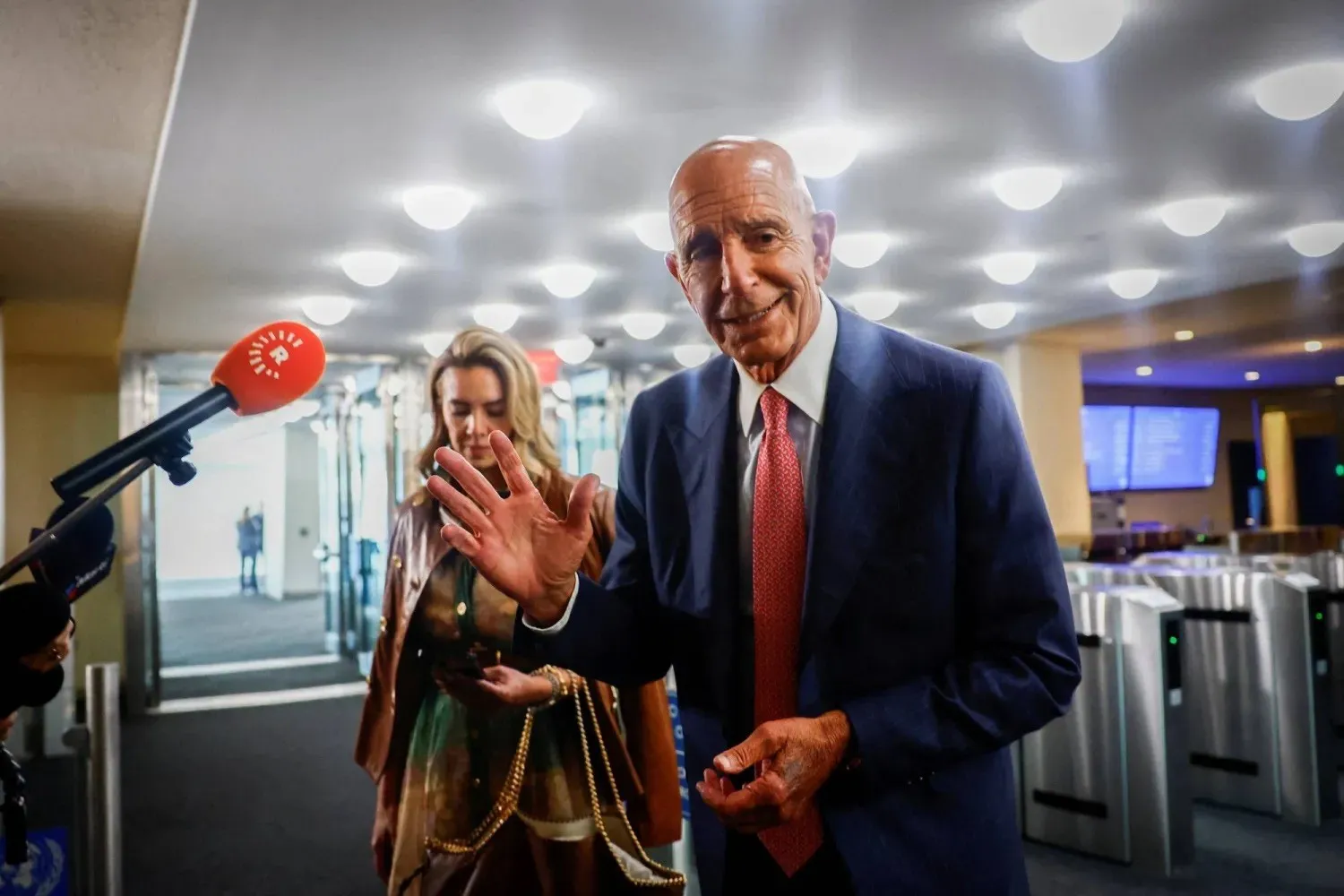
US President Donald Trump also sprung a surprise with the appointment of Iraqi-American businessman Mark Savaya as his special envoy to Iraq.
During their telephone call earlier this week, Rubio “highlighted the urgency in disarming Iran-backed militias that undermine Iraq’s sovereignty, threaten the lives and businesses of Americans and Iraqis, and pilfer Iraqi resources for Iran,” said the State Department.
“The Secretary reiterated the US commitment to working closely with Iraqi partners to advance our shared interests: safeguarding Iraqi sovereignty, bolstering regional stability, and strengthening our economic ties,” it added.
The talks have put the ruling Iran-backed Coordination Framework coalition in Iraq in a tight spot. Sources from the coalition said it met on Wednesday night to discuss the latest American position on Iraq. Rubio’s disarmament call sparked outrage in the coalition, which brings together Iraq’s most prominent Iran-backed Shiite political forces.
The meeting tackled the telephone call, as well as the framework agreement on the withdrawal of US troops from Iraq, said an informed source, according to local media. It also discussed security pledges between Baghdad and Washington.
These developments took place as debate is growing in Iraq about the future of relations with US, especially in wake of Savaya’s appointment, which observers interpreted as a shift in Washington’s policy towards Baghdad after years of “inaction”.
The Coordination Framework did not issue a statement after the meeting, but informed sources told Asharq Al-Awsat that its leaders have very limited options at their disposal when it comes to disarming the militias. Calculations related to the November 11 parliamentary elections have also taken precedence over this issue.
Iraq’s highest Shiite authority Ali al-Sistani had in June called for state monopoly over arms, warning that the circumstances that have prevailed in wake of the Iran-Israel war are “very dangerous”.
‘Conspiracies’
Former Prime Minister and head of the State of Law Coalition of the Coordination Framework Nouri al-Maliki, meanwhile, warned of “conspiracies against the political process in Iraq.”
Speaking at an electoral gathering in Karbala, he described the upcoming polls as a “national and constitutional duty that must not be obstructed.”
“Parliament is the spirit of the state through which democracy is built and governments are formed,” he added.
He spoke of “threats targeting its national unity and elections,” saying they were part of a “broader plot targeting the Iraqi state and its democratic system.”
Former MP Haider al-Mulla told Asharq Al-Awsat that Hamas’s October 2023 attack against Israel marked a turning point in the region, as well as the “phase of relations between Shiite powers and the US and the beginning of a new phase between Washington and some Sunni forces in the region.”
He predicted that “these changes will be capped with changes in Syria and collapse of the Iranian axis,” noting that Trump’s appointment of a new envoy is evidence of the new phase.
Iraq will feel the negative and positive repercussions of the changes in Syria and Iran, he remarked, stressing that the disarmament of militias is now “inevitable after the reasons for carrying weapons no longer exist.”
Media professor Ghaleb al-Daami told Asharq Al-Awsat that the latest American statements have put the Iraqi government “on the spot”, especially since its stances appear to be different than Washington’s.
“The problem doesn’t lie with the government itself, but with its ties to the Coordination Framework, whose options are becoming more limited. The US is no longer willing to give it room to maneuver,” he said.
Politician Abbas Abboud said relations between Baghdad and Washington are “facing their greatest test since 2003.”
Savaya’s appointment is a sign that the American administration “is no longer on side with the parties that were handling communication” with Iraq, he noted.
The Coordination Framework, for its part, does not have a united stance towards Washington in that it does not want to spark a crisis with it, while at the same time, it cannot abandon its regional commitments.