



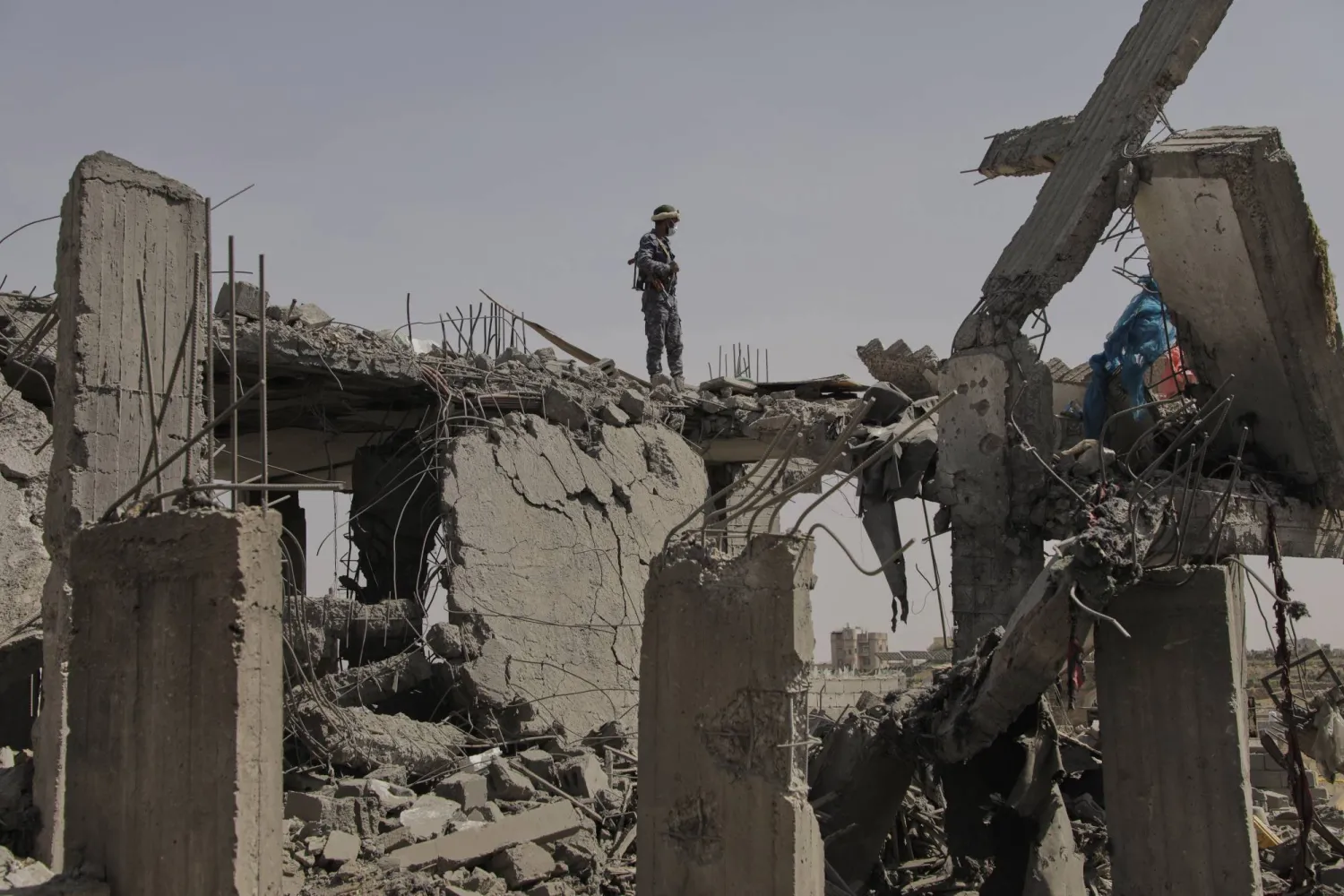

Yemen’s Houthi-held capital, Sanaa, is gripped by unprecedented anxiety and confusion after a series of Israeli airstrikes in recent weeks targeted the group’s positions, killing several of its top political and military figures, including the prime minister of the Houthi government, a number of ministers and field commanders.
According to informed Yemeni security sources, the developments have ignited fierce internal strife within the Houthi ranks, as rival factions trade accusations of espionage and leaking sensitive information that led to the deaths of senior leaders.
The sources said the so-called “Jihadist Command and Control Office”, which reports directly to the group’s leader Abdul Malik al-Houthi, issued urgent directives to military, security and political officials, ordering them to exercise maximum caution and adopt strict security protocols.
The new measures restrict the movements of senior figures, require them to change their residences, shut down their mobile phones, reduce the number of personal guards, and use disguised vehicles during travel.
The sources said the orders reflect growing suspicion within the group of major security breaches and deepening divisions between its Saada and Sanaa factions.
Commanders from Saada — the group’s main stronghold and traditionally aligned with Iran — have accused figures from the Sanaa faction and field supervisors from other provinces of leaking coordinates later used in the Israeli strikes, according to the sources.
Investigations and internal review
The accusations, the sources said, reached the office of Abdul Malik al-Houthi himself, who ordered a full security review and secret investigations into several field commanders.
The probe is said to focus on the killing of the group’s Chief of Staff, Mohammed Abdul Karim al-Ghamari, who died in an Israeli strike on a secret command site in Sanaa.
In recent weeks, the Houthis have launched a wave of arrests in Sanaa and other cities, detaining a number of their own military and security officials on charges of spying for Israeli intelligence, the sources said.
Among those detained are prominent figures who held key positions in the so-called Houthi War Council and others close to the group’s leader.
Observers expect the coming days to bring further purges among mid-level and field commanders suspected of disloyalty to al-Houthi, amid growing panic within the group’s leadership over possible new leaks that could expose more of them to Israeli targeting.
The developments have raised questions over the scale of the security breach within the Houthis, particularly given the failure of their Iranian Revolutionary Guard-backed intelligence apparatus to protect senior officials or prevent the flow of classified information.
Analysts say the escalating internal rifts underscore the fragility of the group’s structure — long touted as ideologically cohesive and disciplined.
They add that Israel’s precise strikes have deepened a crisis of trust within the movement, pushing Abdul Malik al-Houthi to reconsider his security and intelligence hierarchy in an attempt to avert future losses.


