




Following weeks of talk from Israeli political sources about a potential US-brokered security deal with Syria through direct negotiations, a senior Israeli official said on Wednesday that the pace of the effort had slowed, describing the move as a response to what he called a “joint hostile campaign by Damascus and Ankara against Israel” and their demand for an Israeli withdrawal from the occupied Golan Heights.
According to Israel’s Channel 12, the official said Israel “had expected a breakthrough in the direct negotiations with Damascus in recent months, to the point where both sides believed they were close to signing a security agreement by the end of September.” But, he added, “things changed when Arab media outlets began attacking Israel.”
In separate comments published by the right-wing daily Israel Hayom, which is close to Prime Minister Benjamin Netanyahu, another Israeli official expressed frustration over what he called the “Syrian hostile campaign,” saying he sensed “Turkish influence over Damascus’s stance.”
Citing what it described as a “well-informed diplomatic source,” Israel Hayom reported that the Syrian campaign “is being directly supported by Ankara, which is seen as the main patron of Syrian President Ahmed al-Sharaa, as part of its quiet confrontation with Israel over influence inside Syria.”
As “evidence” of the Syrian campaign, the paper pointed to recent speeches at the United Nations by Syria’s Permanent Representative Ibrahim Alabi, who sharply criticized Israel during Security Council and General Assembly sessions over the past two months.
Alabi accused Israel of “repeated military provocations, violations of the 1974 Disengagement Agreement, and breaches of Syrian sovereignty.”
He also urged the UN and Security Council to “take decisive measures to stop Israeli aggression against Syrian territory,” and called on Israel to “withdraw from all Syrian lands, including the Golan Heights occupied since 1967, and the areas that have recently witnessed military incursions, and to stop interfering in Syria’s internal affairs.”
Quoting what it described as a particularly defiant remark by Alabi, Israel Hayom said he declared that “the Golan will remain Arab and Syrian, an inseparable part of our sovereign land, and will never be subject to bargaining or concession.”
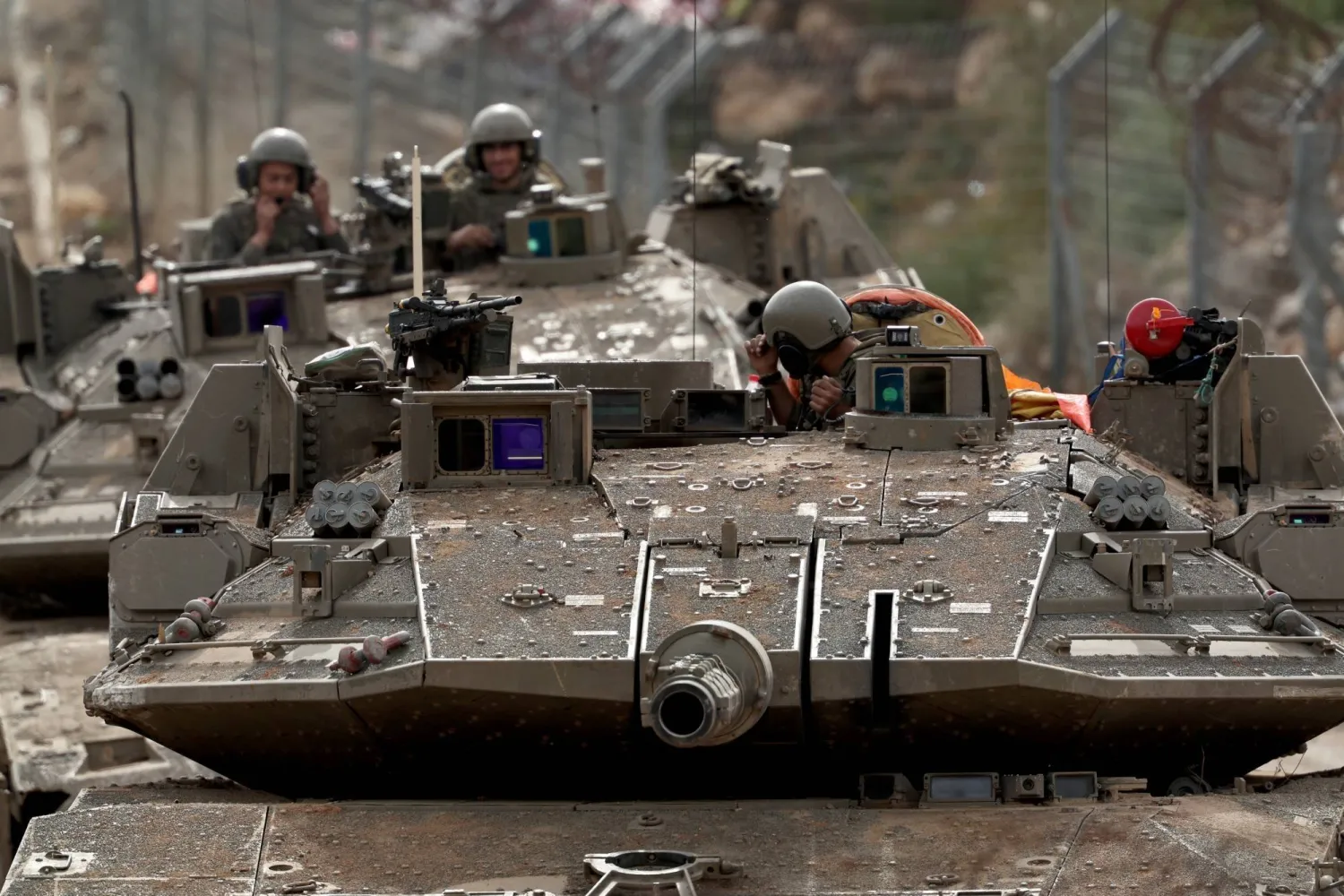
The senior Israeli official told the paper that Tel Aviv “will not cede even a single centimeter of the Golan, nor withdraw from its military positions inside Syrian territory as long as those positions are essential to Israel’s security.”
He said Israel viewed its hold there as “part of its strategic defense against the Iranian and Hezbollah threat.”
He added that “the Syrian-Turkish move against Israel contradicts the ongoing discussions between Damascus and Tel Aviv over possible security arrangements.”
Analysts said the Israeli stance exposes deep mistrust and raises questions about the country’s intentions in the negotiations, suggesting they may conceal more aggressive goals.
Israel and Syria had engaged in Turkish-mediated talks earlier this year, but the government in Jerusalem has pursued a transactional approach on other regional files — notably its disputes with Türkiye over Cyprus.
Ankara has accused Israel of establishing a Jewish settlement on Greek Cypriot land to serve as a forward base against Turkish interests in the island and the eastern Mediterranean.
Israel has also taken a hard line against any Turkish presence in Gaza, even participation in recovery efforts for the remains of Israeli hostages. A Turkish team of 81 specialists who traveled to Al-Arish and waited for days for Israeli approval to enter Gaza was turned back after permission never came.
Observers say the inclusion of Syria in this escalating dispute is a troubling sign, particularly as Israeli forces continue to strike inside Syrian territory under what they describe as security pretexts.


