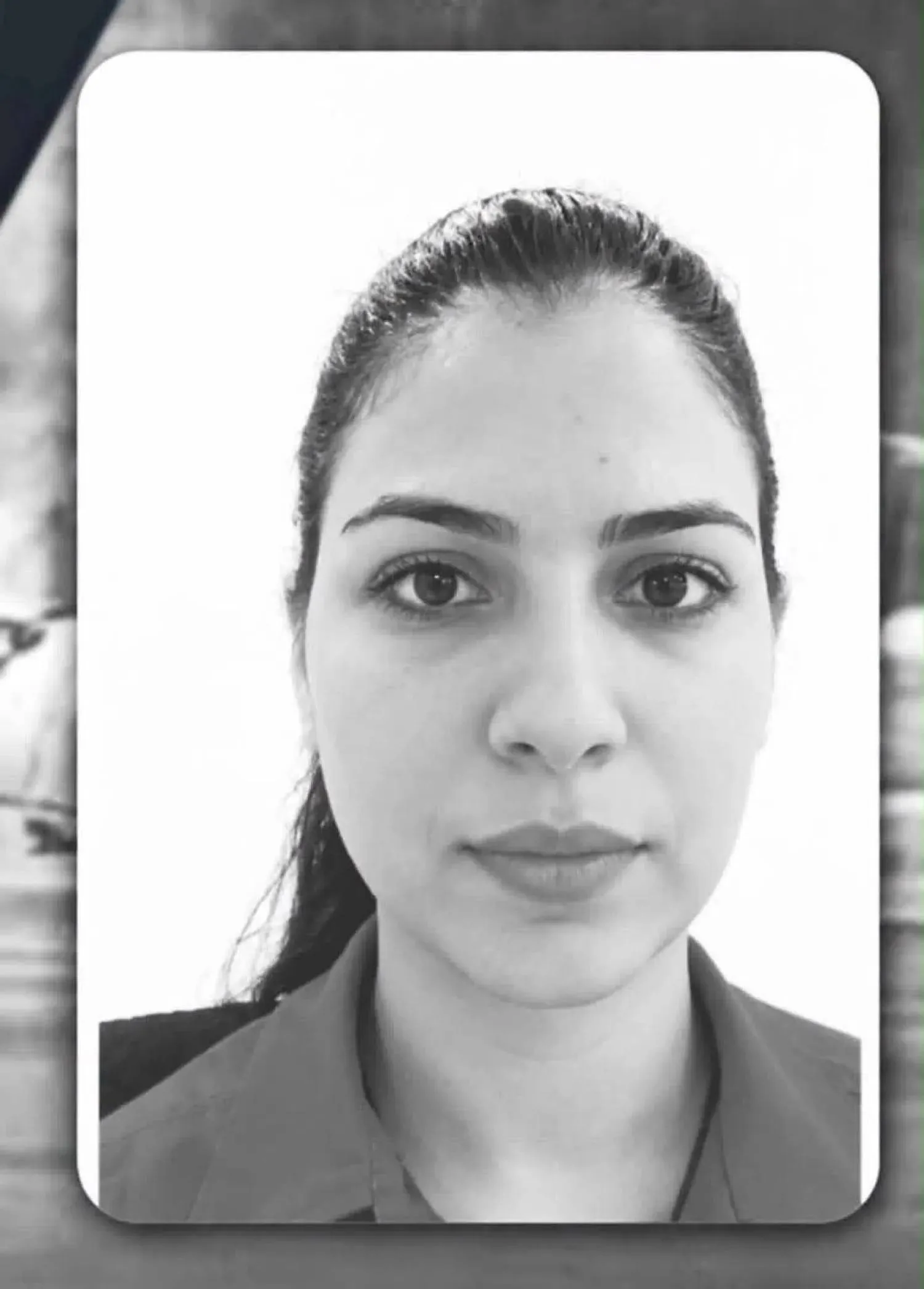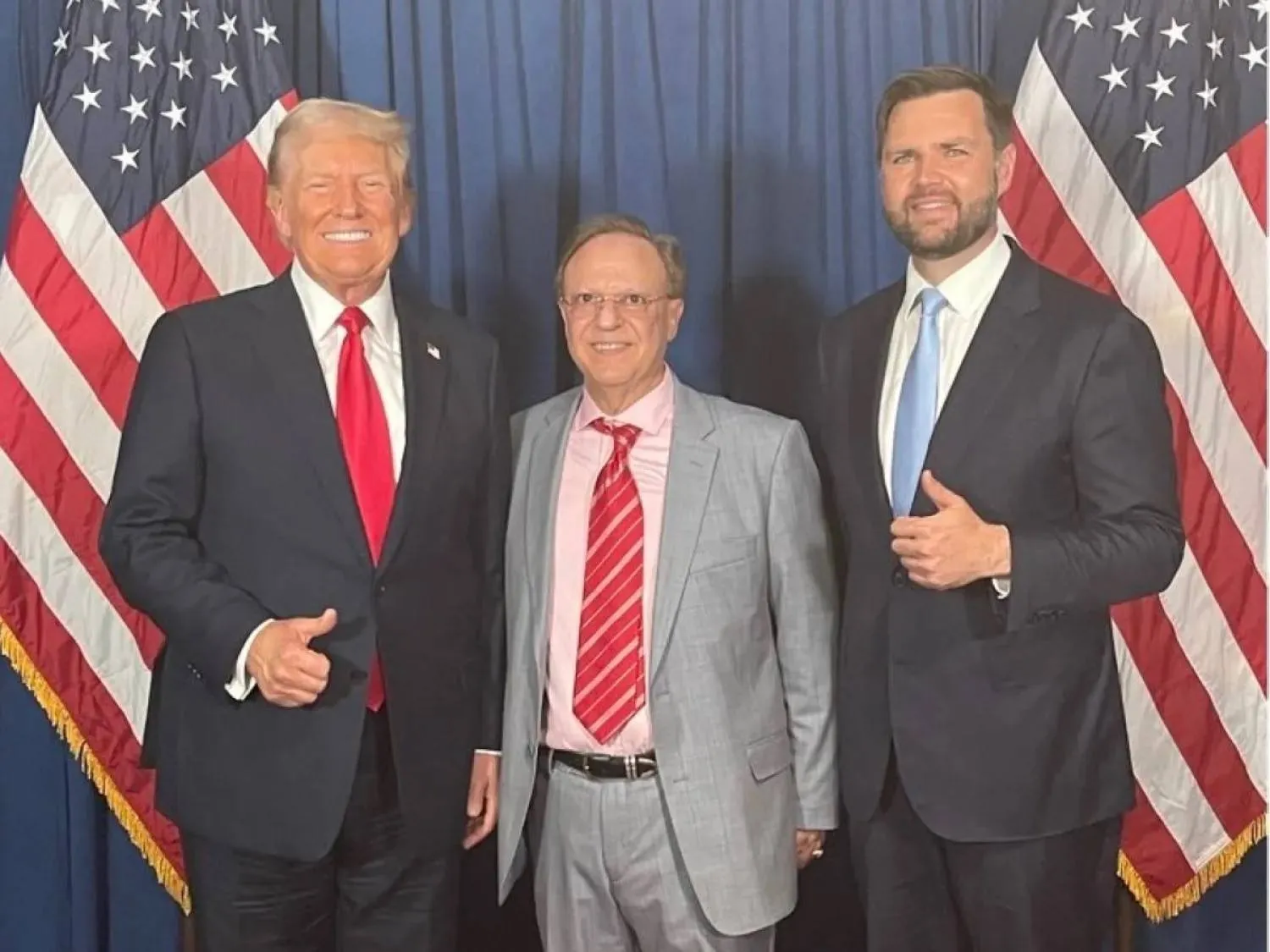

Palestinian-American mediator Bishara Bahbah, head of the Arab Americans for Peace Committee and one of the go-betweens in Gaza, told Asharq Al-Awsat that Hamas has shown “openness and willingness to relinquish its heavy weapons.”
Bahbah, who helped broker the release of an American-Israeli captive earlier this year, said current talks are exploring the creation of an executive committee to act as a liaison between the US-led Peace Council chaired by President Donald Trump and a Gaza Administration Committee led by Palestinians.
He revealed that senior US officials had told him Washington is “open to an arrangement under which Hamas would hand over only its heavy weaponry,” while retaining light arms for internal security. He also confirmed that discussions are under way at the United Nations Security Council for a draft resolution to deploy “stabilization forces” in Gaza, though four key disputes remain unresolved.
Bahbah - who maintains close contact with both White House officials and Hamas leaders - believes the United States “will not allow the collapse of the Gaza ceasefire agreement” reached under an American plan last month. He stressed that “forced displacement of Palestinians is not on the table,” accusing Israel of deliberately stalling implementation of the deal’s second phase.
Under the agreement’s first stage, Hamas handed over 20 hostages to Israel in exchange for the release of Palestinian prisoners and limited Israeli withdrawals. It also returned the remains of 17 hostages - 15 Israelis, a Nepali, and a Thai national - while saying it has been unable to locate 11 additional bodies for logistical reasons.
Hamas requested Israeli approval for an Egyptian recovery team to assist, but Israel has refused to proceed to the next stage, which covers administrative and security arrangements for reconstruction and reopening the crossings until all remains are retrieved.
Bahbah did not shy away from directly blaming Tel Aviv.
“Israel is deliberately delaying the second phase and using the issue of the bodies as a pretext,” he said. “It is also restricting humanitarian aid, tents, and medical equipment ahead of the harsh winter and keeping the Rafah crossing closed. Washington will not permit this agreement to fail, regardless of Israeli objections.”
He explained that Hamas had warned even before the deal that it could not immediately locate every body. “Some are under collapsed seven-story buildings, others in mined areas that the Red Cross cannot enter. Israel even refused a Turkish search team,” he noted. “Some guards protecting those sites have been killed.”
Although Hamas “wants to hand over the remains and move to the second stage,” Bahbah expressed disappointment that the group has not yet responded to his request to deliver the bodies of two dual US-Israeli citizens. He also accused Israel of “stalling the release of a Palestinian child holding US citizenship,” who was supposed to be freed at the start of the ceasefire implementation.
Disarmament
Addressing the most contentious issue, the disarmament of Hamas, Bahbah disclosed that he had discussed the matter extensively with US officials. “They told me disarmament could be defined as Hamas surrendering its heavy weapons while keeping small arms for self-defense,” he said. “The Hamas officials I spoke with were open to considering this arrangement.”
According to Bahbah, Hamas has pledged “not to develop or smuggle new weapons into Gaza.” Israel, however, insists that disarmament must also include destroying Gaza’s tunnel network, estimated at 350 kilometers long. “Israel claims it has destroyed 60 percent of it, but no one knows the real figure, not even Hamas,” he said.
He suggested a possible compromise in which “heavy weapons could be handed over to Egypt or a joint Egyptian-Palestinian entity.”
Hamas, he noted, has linked any discussion of disarmament to the eventual establishment of a Palestinian state. “That’s a noble goal shared by everyone,” Bahbah said. “But recognition from Israel and the United States remains essential, and that will take time. Hamas’ weapons don’t amount to one percent of Israel’s arsenal; so can they really destroy Israel? Of course not.”
Bahbah emphasized that Israel has larger obligations than focusing on disarmament: “It must accept international forces in Gaza, open the crossings, allow sufficient humanitarian aid, and begin reconstruction. Delivering aid and rebuilding Gaza are far more urgent than Hamas’ weapons.”
Disputes over Gaza Stabilization Forces
Turning to the proposed “Gaza Stabilization Forces”, Bahbah disclosed details of behind-the-scenes talks. “A draft resolution has been under discussion at the Security Council for two weeks,” he said. “It’s complicated by four main disagreements.”
First, Israel opposes a full UN peacekeeping mandate, preferring that the force be deployed merely with Security Council approval. Second, it rejects incorporating Trump’s Gaza peace plan, which underpinned the current truce, into the resolution, as that would give it UN status. Third, Israel objects to the participation of Turkish troops. And fourth, there is division over whether the force’s mission should include disarming Hamas, a clause opposed by Hamas and several other parties.
Possible contributors to the force include Indonesia, which has offered 20,000 troops; Pakistan, reportedly acceptable to Israel; Azerbaijan; and potentially Egyptian and European Union units specialized in retraining Palestinian internal security forces. “About 10,000 Palestinian officers have already been trained in Egypt and Jordan,” Bahbah added.
He expected the draft resolution to be presented to the Council “next week or the one after,” with deployment to follow immediately upon approval.
Administrative Arrangements for Gaza
On governance, Bahbah outlined discussions over forming a Gaza Administration Committee. “The Arab-Egyptian-Palestinian understanding is that it should consist of independent Palestinian figures chosen by the Palestine Liberation Organization with consensus from all parties,” he said. “But there is now a US proposal for Washington to have a role in nominating these names, something very difficult to impose on Palestinians.”
He explained that while the Peace Council, headed by Trump, currently has no Palestinian representation, “there are now ideas to create an executive committee under the Council, composed of figures from various countries, including Palestinians, to oversee Gaza’s reconstruction.”
“These ideas are still being discussed,” Bahbah said. “But there is a growing inclination to establish this executive body as a bridge between the Peace Council and the local administration, ensuring that reconstruction moves forward once security arrangements are in place.”