



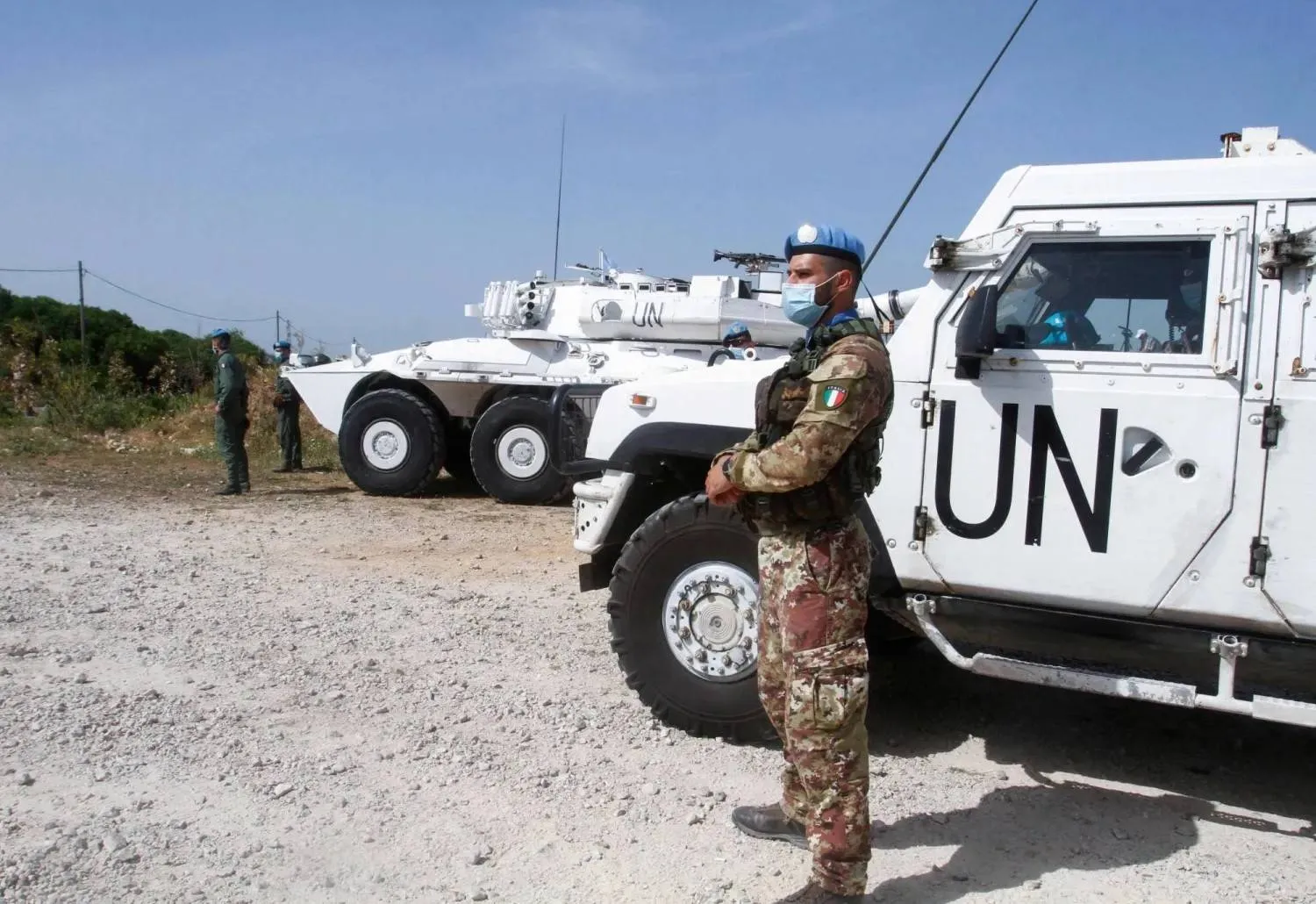

Lebanon on Wednesday made its most significant shift in the way it negotiates with Israel by assigning a civilian to lead indirect talks for the first time since 1983. The move is aimed at easing United States pressure and heading off Israeli threats of a wider war.
But Israeli Prime Minister Benjamin Netanyahu quickly reframed the step as an early attempt to build the basis for economic cooperation between the two countries, which remain technically at war.
Lebanon's presidency announced that former ambassador Simon Karam would head the Lebanese team in the committee known as the Mechanism, a forum that until Tuesday had been strictly military.
Karam’s designation is seen as a bold shift in a negotiating track that has remained exclusively military for the last four decades.
Civilians have only joined in technical roles, including experts who accompanied the military led team that negotiated the 2022 maritime border deal with Israel.
The last time a civilian headed the Lebanese side was during the May 17, 1983 talks that produced a security agreement with Israel which collapsed less than a year after it was signed.
Domestic Consensus and Foreign Alignment
The presidency framed the decision as a response to the appreciated efforts of the United States government, which chairs the military technical committee for Lebanon.
It said the appointment followed the American side’s confirmation that Israel had agreed to include a civilian in its delegation, and was coordinated with Speaker Nabih Berri and Prime Minister Nawaf Salam.
The move did not come as a surprise. The decision was taken weeks ago, and the president informed the speaker and the prime minister.
According to a Lebanese source following the process, the three leaders agreed to add a civilian expert or technician.
But the naming of Karam was announced from the presidential palace, which holds the authority to define the technical specialty, meaning President Jospeh Aoun handled the choice, expertise and biography of the nominee.
The source said the delegation had been military based to match the committee chaired by an American general.
But the addition of a civilian, in the form of United States envoy Morgan Ortagus, required expanding both the Israeli and Lebanese teams to reflect the mixed military and civilian representation.
Under the Armistice Framework
The expansion is not viewed as a step toward normalization, the source said, stressing that the indirect talks fall under the November 2024 cessation of hostilities agreement. Lebanon made its decision and has proceeded through the Mechanism since then.
The source added that the enlargement stems from that agreement, and remains within its parameters, noting that Lebanon’s negotiating ceiling will not exceed the 1949 armistice agreement with Israel.
Netanyahu Leaps to Economic Cooperation
The decision also served as a response to what Lebanese officials see as Netanyahu’s haste to frame the track as economic negotiations.
The Israeli prime minister’s office said he had instructed an acting national security council chief to send a representative to Lebanon for talks with government and economic officials as an initial attempt to lay the basis for a relationship between the two countries, which remain officially at war.
A Lebanese source denounced the Israeli statement, saying the problem with Netanyahu is that whenever Lebanon takes a step or offers something, he demands more, to the point of wanting Lebanon to surrender itself.
The source insisted the Mechanism talks are not economic.
Lebanon also fears Israel may seek to undermine the 2022 maritime boundary deal and challenge Lebanon’s offshore resources by reopening them to negotiation after Israeli officials recently warned they could revisit the agreement.
Staving Off War
Lebanon’s move was driven by political and international considerations. Sources familiar with Karam’s appointment said President Aoun acted to avert a fresh Israeli escalation and to block a renewed war, while also advancing the message he delivered in his Independence Day speech.
The sources said the coordinated step with Berri and Salam prevented a widening of the conflict, embarrassed Israel internationally by demonstrating Lebanese openness to international demands, and met the United States request to add a civilian to the committee.
The American sponsorship of the move, they added, helps deter Israeli escalation. They said the delegation is a negotiating tool but the final decision rests with the cabinet.
The aim of the talks is to halt Israel’s ongoing war and implement the principle of exclusive state control of weapons. The sources rejected the idea that the path could expand toward normalization.
They said Hezbollah now accepts that the only way forward is a settlement based on keeping the area south of the Litani River free of its weapons and removing the pretexts Netanyahu uses to inflame tensions.
Mechanism Meeting
The Mechanism committee held its fourteenth meeting after the addition of civilian participants. The United States embassy in Beirut said the session in Naqoura assessed ongoing efforts to reach a lasting arrangement for a cessation of hostilities in Lebanon.
The embassy said former Lebanese ambassador Simon Karam and senior Israeli National Security Council Foreign Policy Official Dr. Uri Resnick joined United States adviser Morgan Ortagus as civilian participants.
Their inclusion, it said, reflects the Mechanism’s commitment to facilitating political and military discussions aimed at lasting security, stability and peace for all communities affected by the conflict.
All parties welcomed the expanded participation as an important step toward ensuring the Mechanism’s work is grounded in sustained civilian dialogue alongside military dialogue.
The committee looks forward to working closely with Karam and Resnick in upcoming sessions and to incorporating their recommendations as it continues to strengthen lasting peace along the border.


