
Tension rippled through Iraq’s ruling Shiite alliance after authorities briefly listed Lebanon’s Hezbollah and Yemen’s Houthi group as terrorist organizations, then swiftly reversed the move, at a time when debate over the next government is intensifying.
The decision and the rapid retreat from it revived scrutiny of a long running point of friction between United States pressure on Baghdad and Iranian influence in the country.
Iraq’s presidency said on Friday it had no knowledge of the designation of the Houthis and Hezbollah as terrorist entities and no role in freezing their assets.
It said such decisions are not sent to the presidency and that it only reviews and endorses laws approved by parliament and presidential decrees.
The statement added that decisions by the cabinet, the committee that freezes terrorist assets, and anti money laundering directives are not referred to the presidency for approval and that it learned of the designation only through social media, prompting the clarification.
The listing appeared in the 17 November 2025 edition of the official Gazette, which cited the government’s counterterrorism obligations under a series of United Nations Security Council resolutions.
Authorities then moved to roll back the designation after a statement and a document from the Central Bank of Iraq confirmed that Baghdad’s approval had been limited to entities and individuals tied to ISIS and Al-Qaeda only.
Tension inside the Coordination Framework
Political figures and legal experts said the central bank operates as an independent institution and does not fall under direct government control.
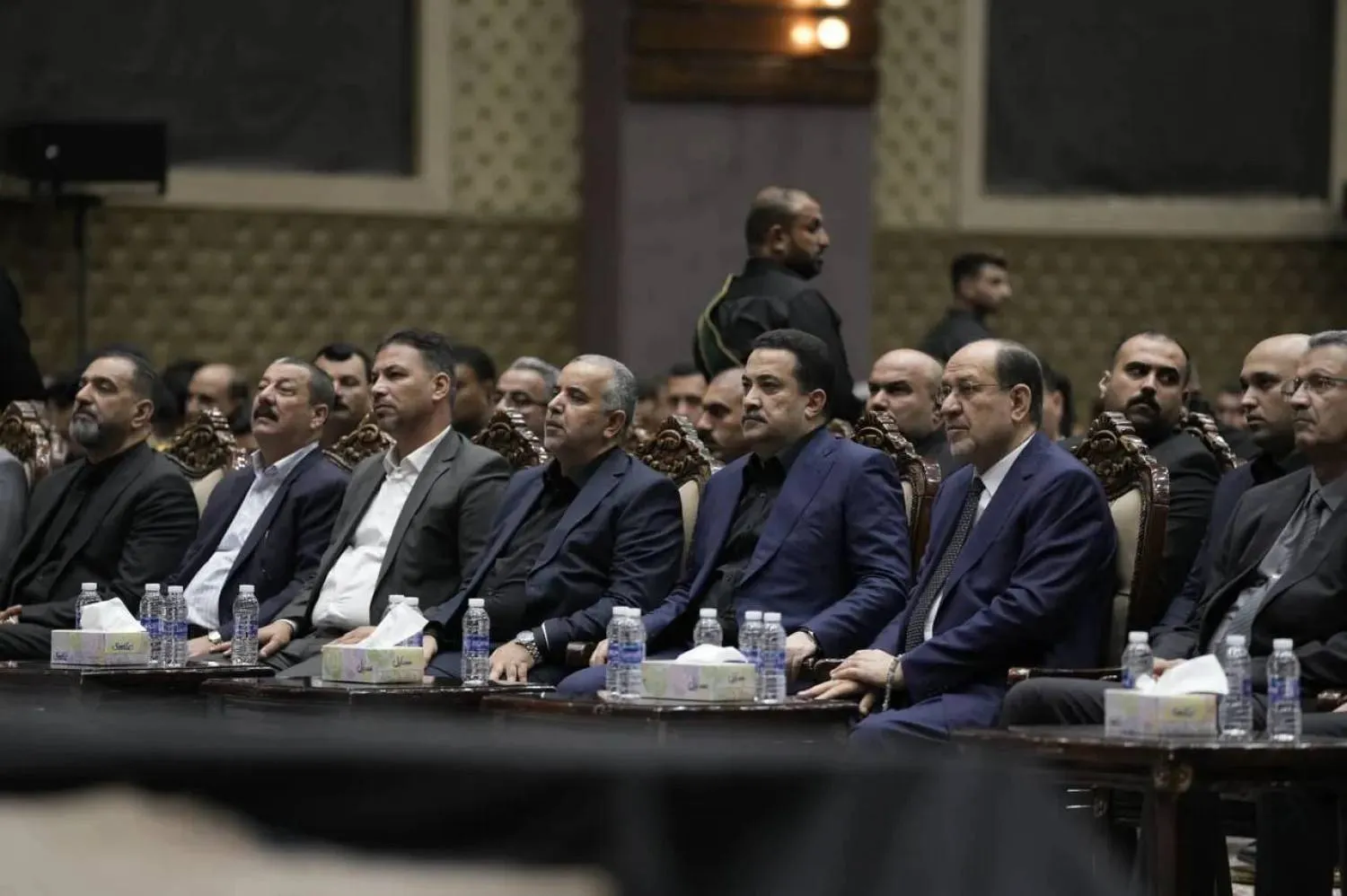
But they said a corrective step taken by outgoing Prime Minister Mohammed Shia al-Sudani, including public clarification and an urgent investigation, escalated the dispute inside the Coordination Framework as negotiations over the next premier intensify.
Although the alliance issued no unified position, parties and factions close to it accused the government of making a deliberate move meant to signal alignment with the demands of the administration of President Donald Trump.
They made the accusation as presidential envoy Mark Savaya was expected in Baghdad after a similar visit by Washington’s envoy to Syria and Lebanon.
Sudani, who faces mounting pressure within his coalition and was even removed from an internal WhatsApp group by some Coordination Framework leaders according to political sources, issued a brief statement saying there would be no compromise on Iraq’s support for what he called peoples’ rights and sacrifices, a veiled reference to Hezbollah and the Houthis.
Former deputy prime minister Bahaa Araji, a political ally of Sudani, defended him. He said the incident was a technical error in a decision issued by a committee tied to the central bank which he described as an independent institution not subject to government will.
He said on X that the mistake would be corrected and that the investigation would prevent opportunists from exploiting it politically.
Impact on government formation
The episode unfolded as the Coordination Framework attempts to settle on a nominee for prime minister, amid clear divisions over whether to keep Sudani for a second term or replace him.
The uproar over what is now known as the central bank error has further complicated the alliance’s internal bargaining and opened the door to unexpected scenarios, political sources said.
At the same time, Shiite armed factions escalated their criticism. Ali al-Asadi, head of the political bureau of Harakat al-Nujaba, said listing the two groups as terrorists was an act of betrayal.
He also claimed Iraq had nominated US President Donald Trump for the Nobel Prize, which he called an insult to sacrifices. He said such a government does not represent the Iraqi people and posted a hashtag calling the move a death sentence for a second term.
The incident, which began as an administrative oversight and morphed into a political crisis, underscored the fragility of the balance Baghdad tries to maintain between its ties with the United States, its main financial and military partner, and its relations with groups aligned with Iran.