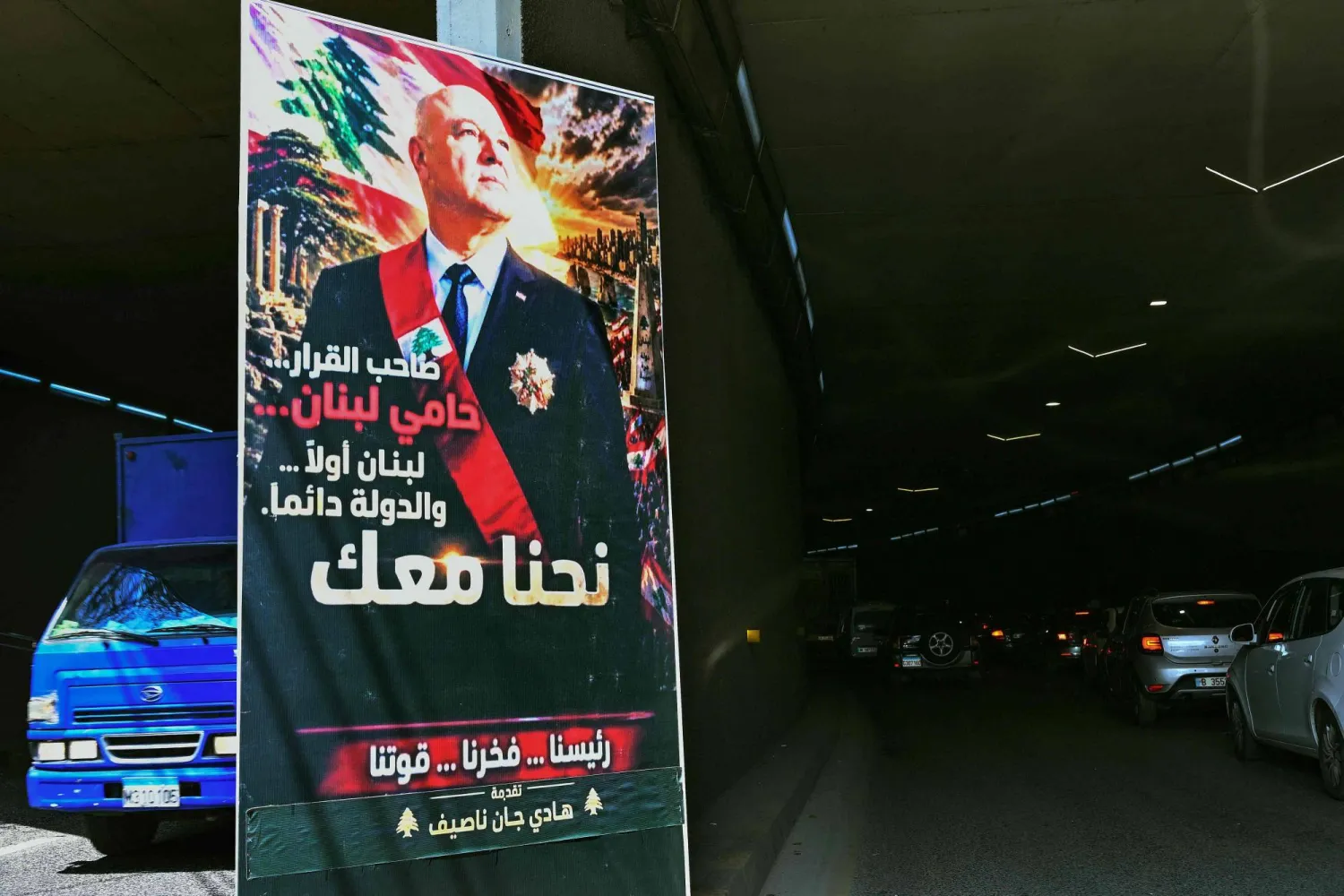

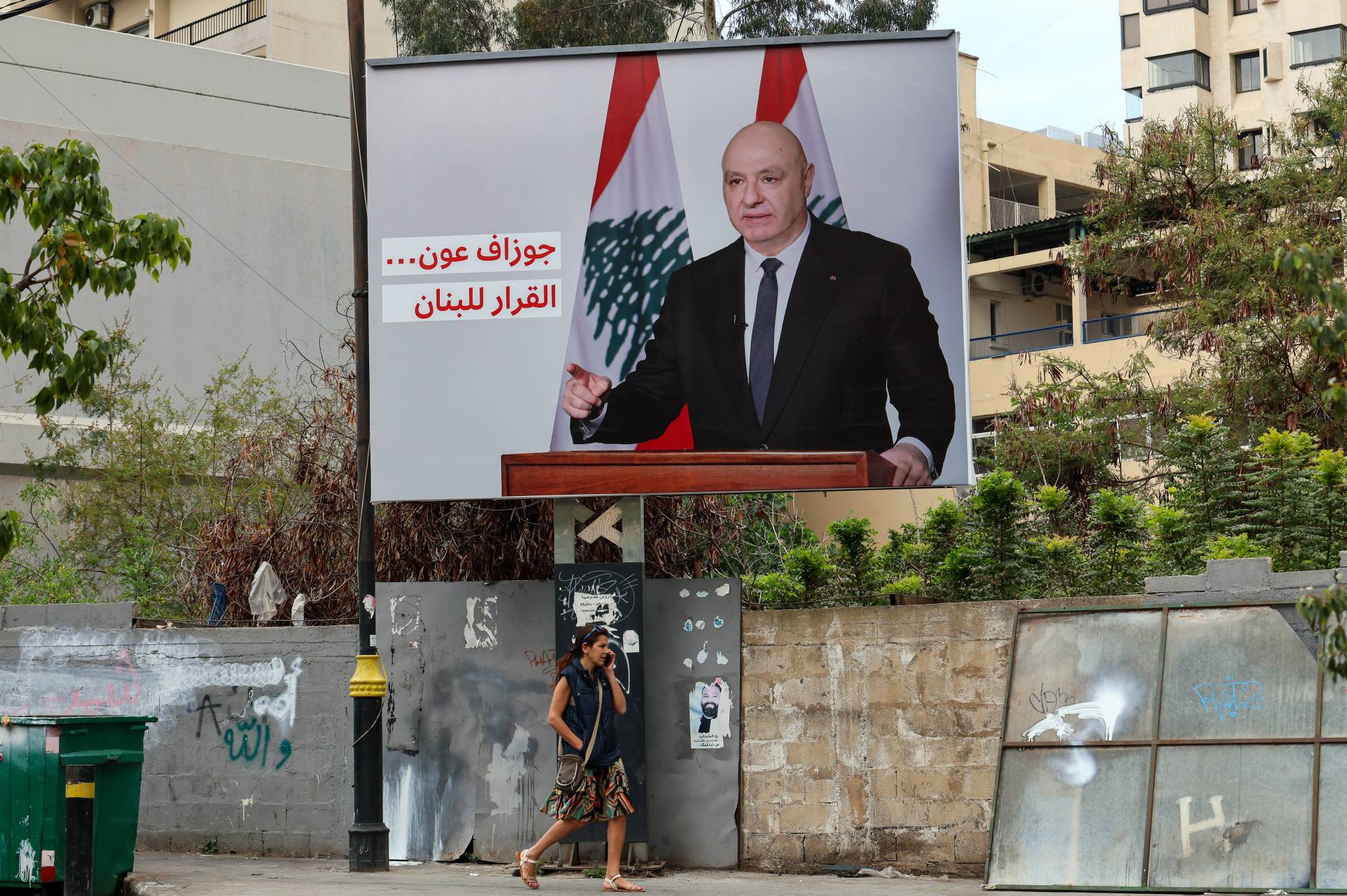
Lebanese political forces are split between those supporting direct negotiations with Israel to end the ongoing war in the south and those opposing them, placing the Lebanese president in a difficult position amid internal divisions that could affect the course of the state. There are warnings that pursuing any option without consensus could have repercussions for unity and internal stability.
In a statement notable for both its timing and content, the US Embassy in Beirut on Thursday called for direct engagement between Lebanon and Israel, saying a direct meeting between Aoun and Netanyahu, mediated by the US president, could give Lebanon an opportunity to obtain tangible guarantees regarding full sovereignty, territorial integrity, secure borders, humanitarian support and reconstruction, and the full restoration of the Lebanese state’s authority over every inch of its territory, guaranteed by the United States.
Hezbollah–Amal alliance
It was not surprising that the “Shiite duo” (Hezbollah and the Amal Movement) fully opposes such a meeting, viewing it as contrary to the path of direct negotiations underway between Lebanon and Israel.
Sources close to the two parties told Asharq Al-Awsat: “There is absolutely no support for this meeting, and a scene like this cannot be accepted. It is true that US pressure is very clear, but there is also Lebanon’s interest and the position of Arab states, which advised the president not to move toward such a meeting and instead to seek, through negotiations, a security arrangement similar to the 1949 armistice agreement, even if with some amendments.”
The sources added that “President Aoun is caught between US pressure on one hand and Arab pressure on the other, and must decide where Lebanon’s interest lies and define its position, role, and future in the region.”
Progressive Socialist Party
The position of the Progressive Socialist Party, expressed by MP Dr. Bilal Abdallah, is not far from that of the “duo.” Abdallah considers that “the meeting is premature, and there are many stages that must be completed before it can take place, most notably consolidating the ceasefire, halting attacks, Israeli withdrawal, and reaching a security agreement based on international agreements (a revised armistice agreement), after which each step can be addressed in due course.”
He stressed the need to respect “the Arab and international ceiling and avoid preempting developments or skipping stages, as the repercussions would be negative for national interest and internal unity.”
Lebanese Forces and Kataeb position
By contrast, the Lebanese Forces and Kataeb parties take a different approach. MP Ghada Ayoub of the “Strong Republic” bloc (Lebanese Forces) said her party supports “the negotiating initiative undertaken by Aoun, which falls within the core powers of the president,” leaving it to him to assess its course, including the timing of any meeting or even a potential handshake with Benjamin Netanyahu, whether it should take place now or come as the culmination of negotiations.
She told Asharq Al-Awsat: “We support the president in what he sees as appropriate to save Lebanon and extricate it from this predicament, which has imposed a heavy cost as a result of Hezbollah’s decision to draw Israel into Lebanon. Today it realizes it is unable to remove it, and that the only party capable of doing so is the United States. We saw how President Donald Trump was able to impose a ceasefire on Benjamin Netanyahu despite his team’s insistence on continuing the war.”
Ayoub stressed that “any negotiating track will be tied to clear conditions where the US position intersects with that of the Lebanese government, foremost among them disarmament, preventing Lebanese territory from being used as a launchpad for military operations against Israel, and banning the party’s security and military activities.”
Sources in the Kataeb Party, while confirming significant US pressure to arrange an Aoun–Netanyahu meeting, said such a step requires “historic courage,” adding that “what matters in the end is the outcome, which should be a roadmap for peace.”