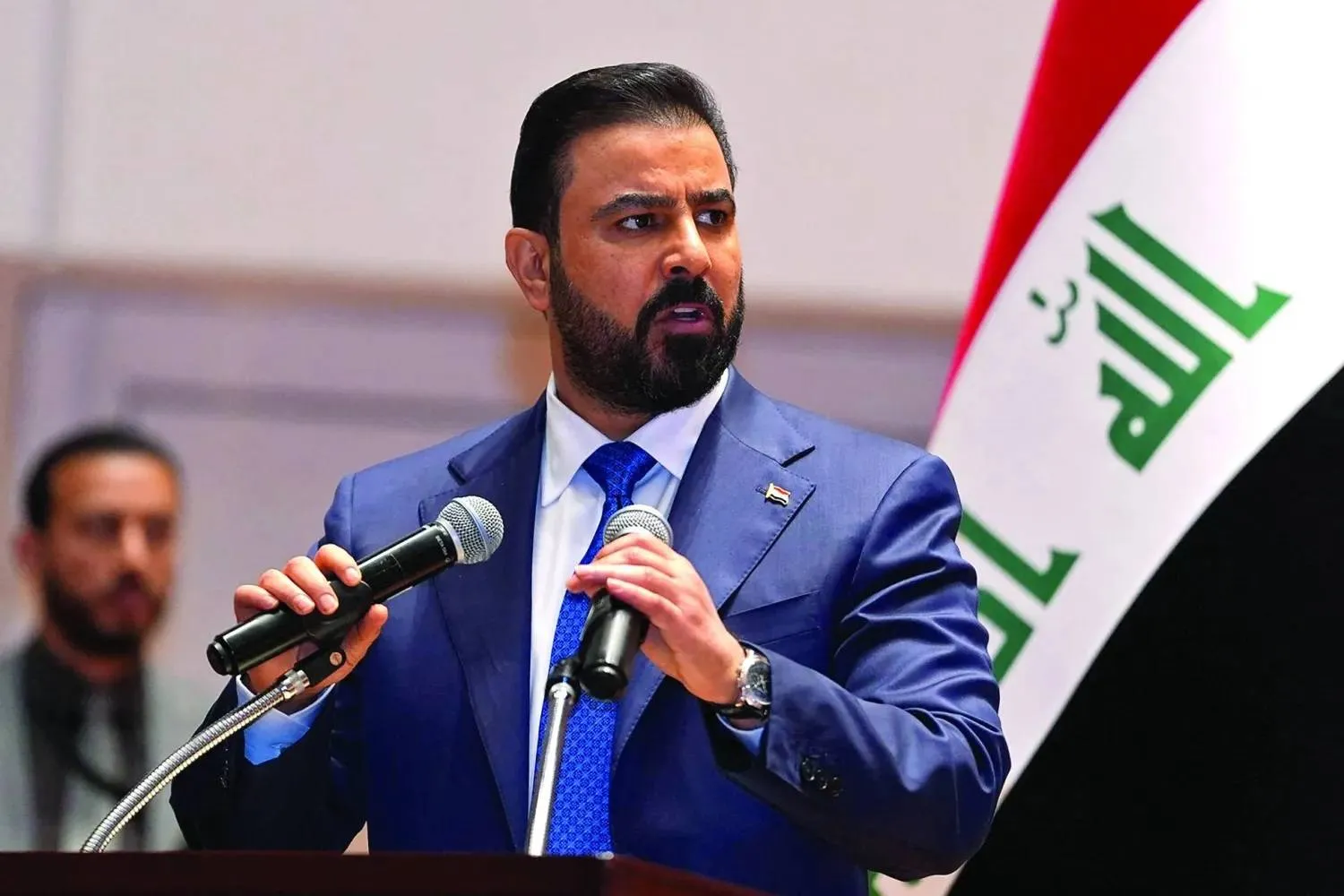

Iraqi sources said on Friday that the prime minister’s office is preparing intensive consultations after Eid al-Adha as part of a plan to “reorganize the file of armed factions” and confine weapons to the state, as early moves emerge to dismantle the factions and merge them into official institutions.
Sources said Prime Minister Ali al-Zaidi has been in contact and exchanged direct messages in recent days with political forces with armed factions, in an effort to establish gradual mechanisms for the handover of weapons.
Five armed factions have so far declared an initial readiness to hand over their weapons, but have given no clear details or timetable.
The move is being viewed as the first political and security test of efforts to dismantle armed groups outside the state in a country where about 20 of them still operate beyond full official control, according to political estimates.
Weapons handover
The sources said the government plans to hold separate meetings with political leaders and blocs with armed factions, particularly within the ruling pro-Iran Coordination Framework, to agree on handover mechanisms and the reintegration of fighters into the regular forces or civilian state institutions.
In a significant move, influential Shiite cleric Moqtada al-Sadr announced that he was breaking with his armed faction, Saraya al-Salam, and handing its weapons and headquarters to the state.
Observers saw the step as backing the prime minister’s efforts and raising political pressure on other factions to follow suit.
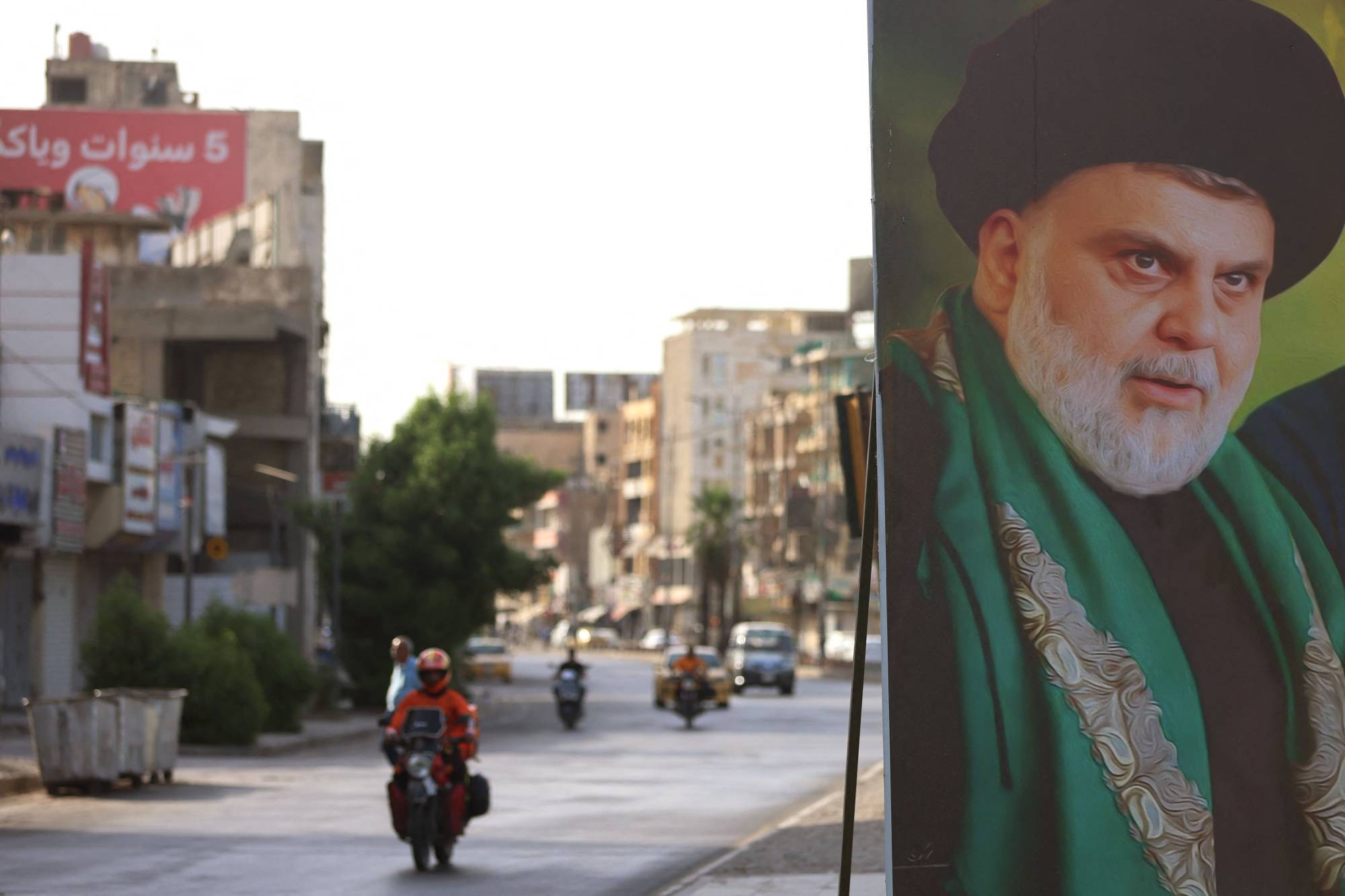
The sources said the restructuring of Saraya al-Salam involved three main brigades, which include about 9,000 members, and placing them under the command of the commander-in-chief of the armed forces. That could make it easier to integrate them later into state institutions.
Sadr’s return
Other factions remain divided. Some political forces with armed groups have said they do not plan to join the current government, while others voiced conditional support for reform steps, demanding guarantees over the legal status of their members.
The Nujaba faction renewed its refusal to hand over weapons outside what it calls an “ideological path.” Other factions have adopted a more flexible tone, but have not publicly committed to any timetable.
A source within the Coordination Framework said the dismantling of Saraya al-Salam could open the way for a wider political repositioning by the Sadrist movement and give the government more room to maneuver on the armed factions file.
Political researcher Ghalib al-Daami told Asharq Al-Awsat that Sadr’s move “will strengthen the government’s ability to control weapons outside state authority and weaken the justifications of factions that refuse to hand them over.”
Al-Daami said some members of Saraya al-Salam are already part of the pro-Iran Popular Mobilization Forces and receive salaries from it.
He said the faction’s civilian wing is expected to be reintegrated into civilian groups working in the humanitarian field.