
Iraq’s government has taken steps indicating a gradual foreign policy shift, as Baghdad seeks to improve ties with the United States and Arab states after years of extensive Iranian influence over Iraqi political and security decisions.
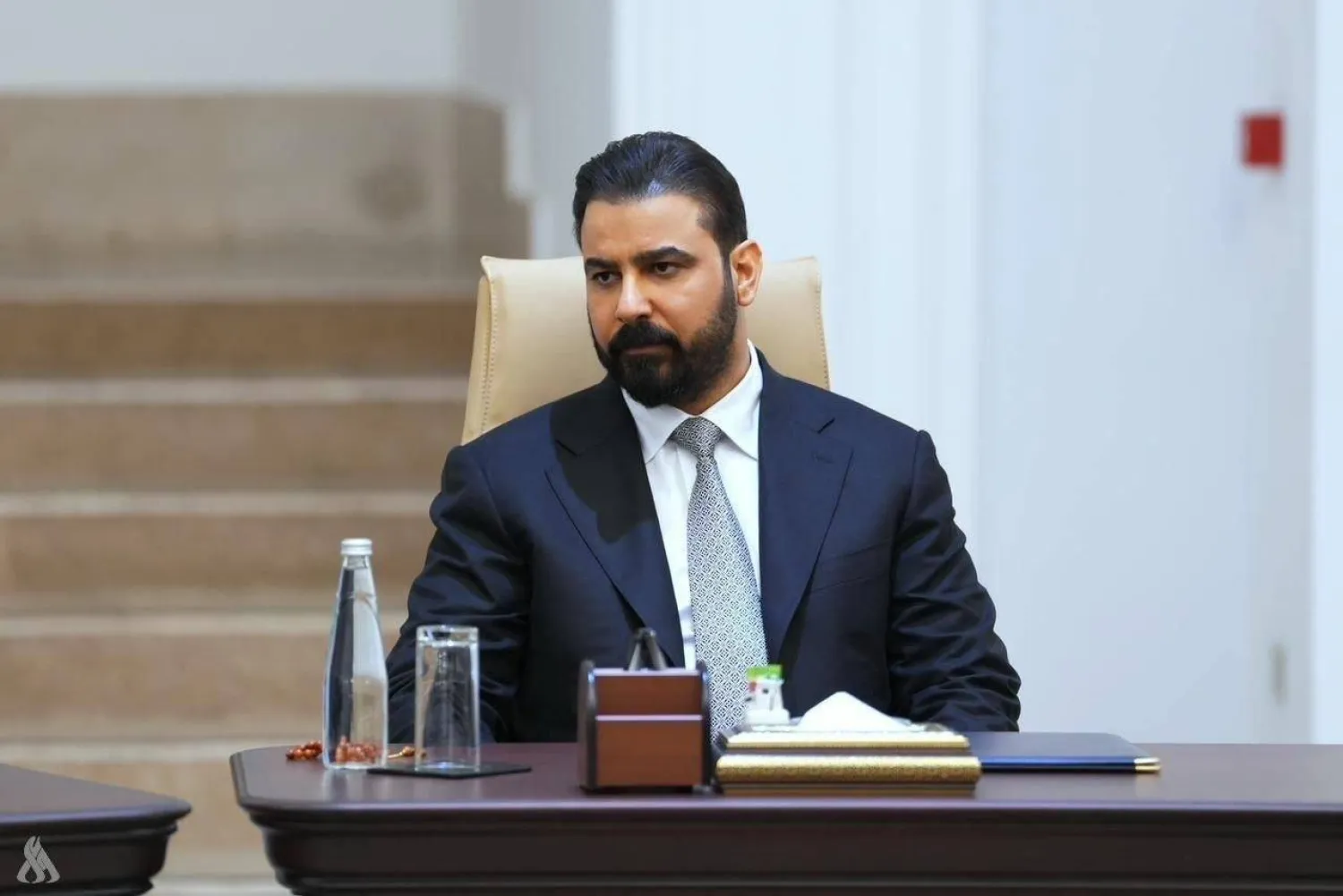
The move came a day after Iraqi Prime Minister Ali al-Zaidi called on Syrian President Ahmed al-Sharaa to launch new coordination between Baghdad and Damascus.
It also came as Iraq’s Foreign Ministry issued a statement condemning, for the first time, Iranian missile strikes on Kuwait, Bahrain, and Jordan that were launched in response to US attacks on Iran.
The ministry said the strikes threatened regional stability and warned of “the danger of the region sliding into a wider confrontation, with the grave negative repercussions that could have for regional and international security.”
It called for “sparing the region further tension and instability at a time when current circumstances require giving priority to dialogue and wisdom, and intensifying efforts aimed at containing tensions.”
The statement said that “the stability of Arab and neighboring states represents an important part of Iraq’s stability and national security,” stressing the need to preserve strategic relations among regional states and safeguard shared interests that support development and stability.
Observers said the condemnation is part of a series of steps by the new government. These include moves to place weapons under state control and preparations for a visit by Zaidi to Washington with a delegation that includes several Iraqi businessmen, in an effort to open a new chapter in Baghdad’s relations with Washington.
Iraqi-US ties have been repeatedly strained in recent years by attacks on US interests in Iraq, including the US embassy in Baghdad and the US consulate in Erbil. The attacks were blamed on armed factions loyal to Iran, limiting prospects for a broader political and economic partnership between the two countries.
Mounting financial pressure
The moves come as Zaidi’s government faces acute economic and financial challenges. Iraqi sources said the new government inherited a treasury with a severe liquidity shortage. Available reserves do not exceed about $1 billion, while urgent financial obligations are estimated at about 8 trillion Iraqi dinars, or roughly $6 billion.
Zaidi told Iraqi political forces he intends to take difficult economic measures to prevent a new wave of popular protests like the 2019 demonstrations, known as the “October Uprising”, which erupted during the term of then Prime Minister Adel Abdul Mahdi.
Ammar al-Hakim, leader of the Hikma Movement and one of the most prominent figures in the ruling Coordination Framework that backed the formation of Zaidi’s government, acknowledged that the country’s “financial pressure” could delay payments owed to some social groups.
He attributed this to continued regional tensions and disruptions affecting energy supplies through the Strait of Hormuz.
In a sign of the scale of the crisis facing Iraq’s political class, Abdul Mahdi, known for his close ties with Iran, called for strengthening relations with the United States and ensuring the success of Zaidi’s visit to Washington.
Foreign policy shift
Essam al-Faili, a professor of political science at Mustansiriyah University, said recent regional developments had pushed Iraq to reassess its place in regional balances.
Faili told Asharq Al-Awsat the latest war in the region, and its impact on Iraq, made it necessary to strengthen the independence of Iraq’s foreign policy, especially as many states now view Baghdad as closest to Tehran.
He noted that Zaidi’s moves point to a desire to build balanced relations with the Arab region and the international community, while taking into account the domestic challenges his government faces.
Faili added that Baghdad’s condemnation of Iranian strikes on Gulf Arab states marked the beginning of a new phase in Iraqi policy. He said current regional and international shifts had made Iraq’s continued alignment with Iran less useful than before.
The approach was no longer limited to Zaidi, but had become part of a growing awareness within Iraq’s political system that current changes do not favor maintaining close ties with Tehran, he went on to say.
He noted that one of the US demands linked to reshaping relations with Baghdad is addressing the issue of Iranian-backed armed factions. The condemnation of Iranian attacks came in this context and reflected what the Iraqi government now sees as a direct national interest.
Ghalib al-Daami, a professor of political science at the University of Kufa, said current signs indicate that Iraq is moving quickly to strengthen relations with the United States and gradually distance itself from Iran’s influence.
Speaking to Asharq Al-Awsat, Daami said one of the clearest signs of this shift was the ongoing effort to dismantle the influence of armed factions and place weapons under state control.
He said strengthening official security institutions, while reducing the influence of weapons outside state control, could help build a more stable state, create a better environment for Iraq’s economy, and reduce the impact of regional conflicts on the country.