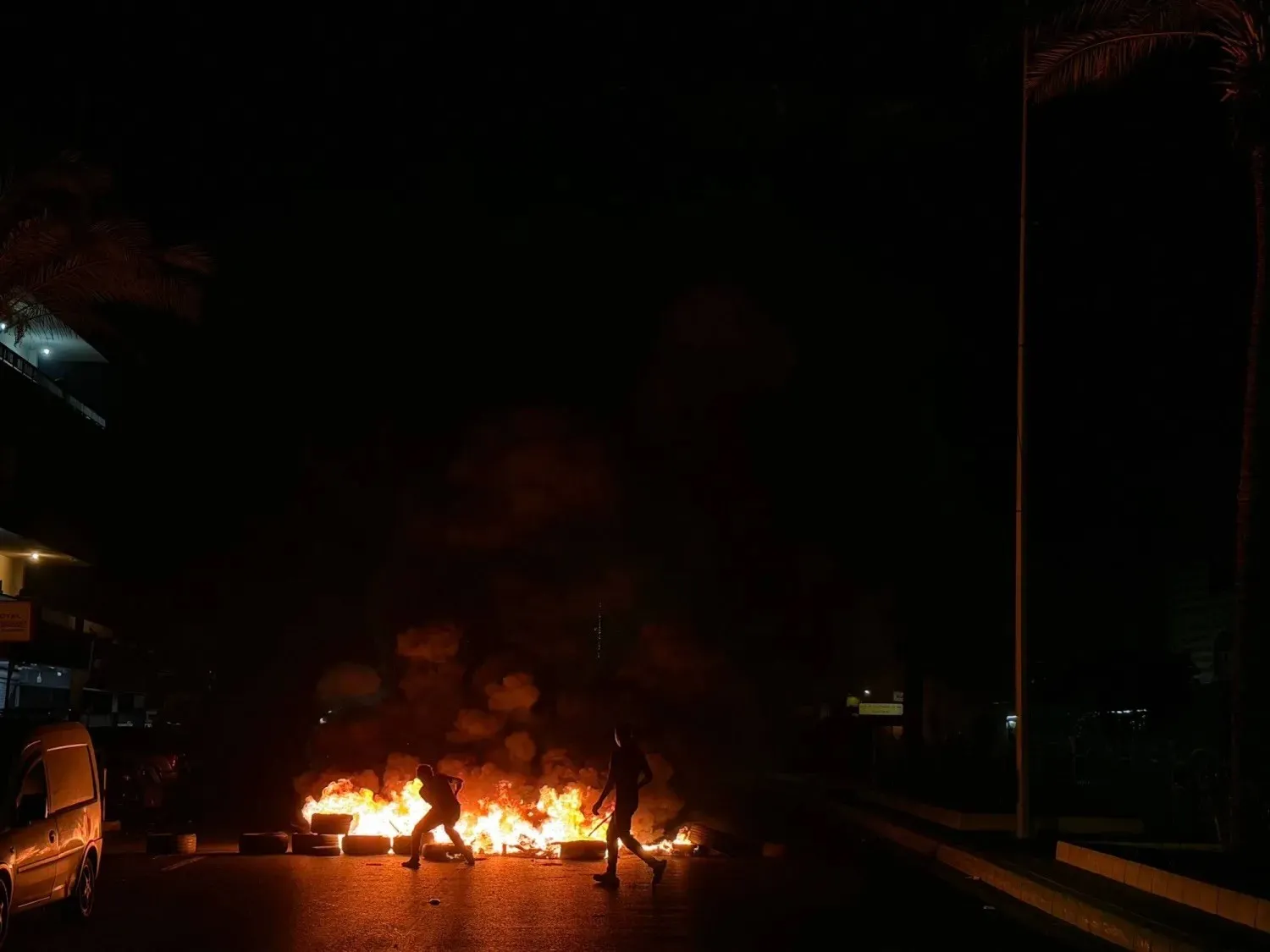

Calls by Hezbollah supporters to take to the streets in protest against the US-sponsored framework agreement between Lebanon and Israel has drawn only a few dozen demonstrators in downtown Beirut.
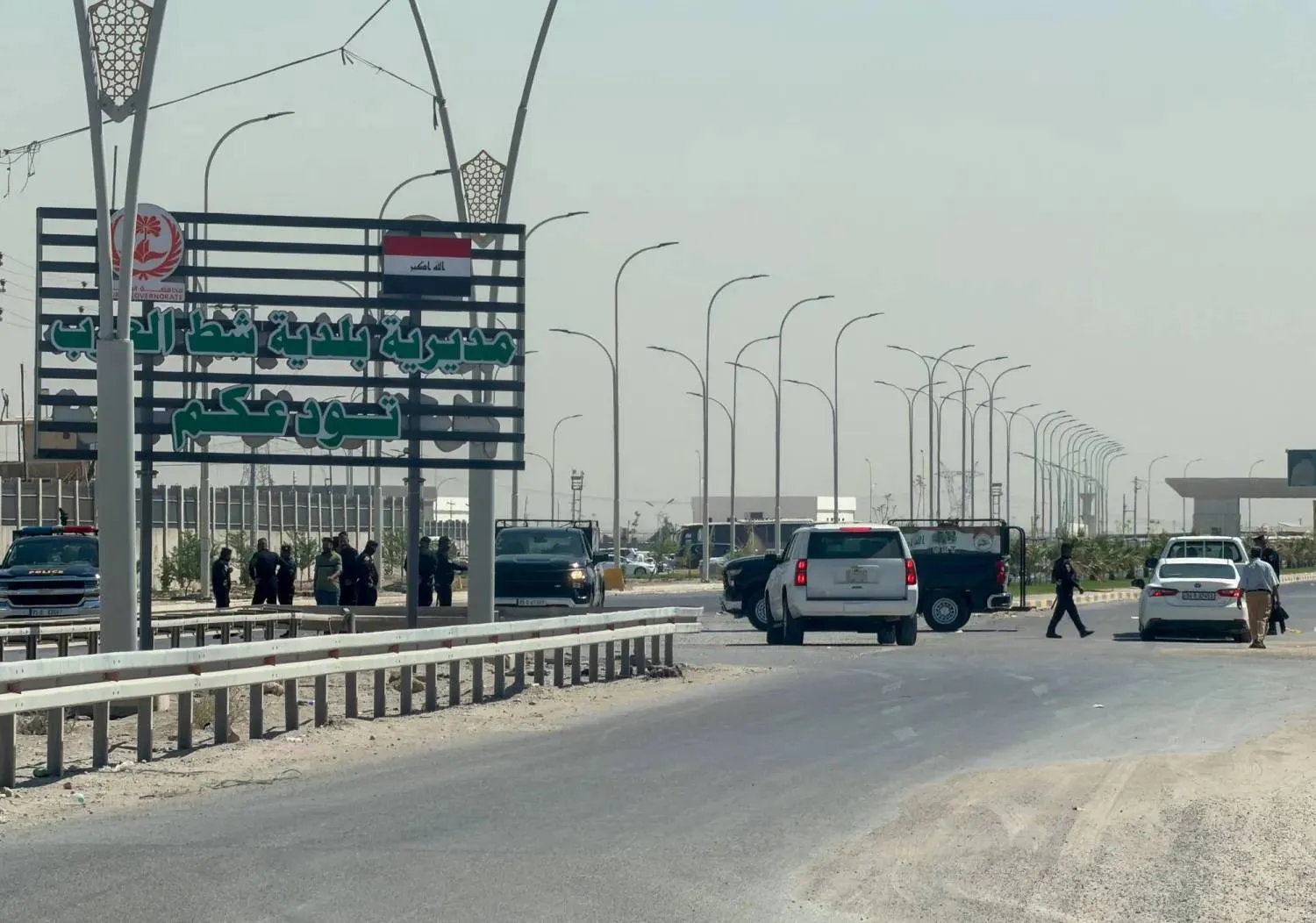
Also, dozens of motorcyclists blocked the airport road before the Lebanese army reopened it, underscoring the limited scale of the protests.
Observers attributed this to the absence of supporters from the Amal Movement, led by Parliament Speaker Nabih Berri, highlighting one of the main obstacles to any attempt to mobilize the street.
The Israel-Lebanon deal calls for Hezbollah to be disarmed before Israel will withdraw its troops from southern Lebanon. Israel agreed to withdraw initially from a couple of “pilot zones” where the Lebanese army would then deploy, but no details have been shared about how that will work in practice.
While Hezbollah and Amal - the two pillars of Lebanon’s Shiite alliance - remain united in rejecting the agreement, sources familiar with Amal’s position told Asharq Al-Awsat that the priority is to challenge it through constitutional institutions while keeping all options open as events unfold.
Opponents of the alliance, however, argue that there’s a growing discord between the two parties on how to navigate the next phase.
Unified rejection
Mohammad Khawaja, a member of the parliamentary Development and Liberation bloc, told Asharq Al-Awsat that the bloc categorically rejects the agreement, describing it as “a bad and completely unacceptable deal.”
Khawaja dismissed reports of differences between Amal and Hezbollah, insisting that “all talk of divisions within the Shiite duo is unfounded."
He added that the agreement was unacceptable in its current form and expressed hope that those behind it would reconsider it.
No decision on street protests
Sources within the Shiite duo told Asharq Al-Awsat that it is “premature” to offer assurances about whether street protests will or will not be held.
The sources said the current stage requires patience and that the alliance’s response will depend on political and constitutional developments surrounding the agreement. All options, they added, remain on the table.
That position broadly aligns with recent statements by Hezbollah officials, who have argued that the agreement “will not survive.”
At the same time, the party has sought to distance itself from recent street protests, saying they reflect public distrust of the authorities. While Hezbollah rejects both the agreement and the direct negotiations that produced it, it denies organizing or mobilizing the demonstrations.
Opponents of the Shiite alliance argue that differences are becoming increasingly apparent, particularly on how the agreement could reshape Lebanon’s domestic political landscape.
While both Hezbollah and Amal continue to emphasize their united rejection of the deal and favor constitutional and political channels for now, critics believe the coming months will reveal whether that cohesion endures or evolves into a more visible political divide.
Independent MP Ibrahim Mneimneh told Asharq Al-Awsat that Berri appears fully aware of the responsibility he bears and may seek to give state-building a genuine opportunity, while Hezbollah continues to rely on a highly polarizing political discourse.