



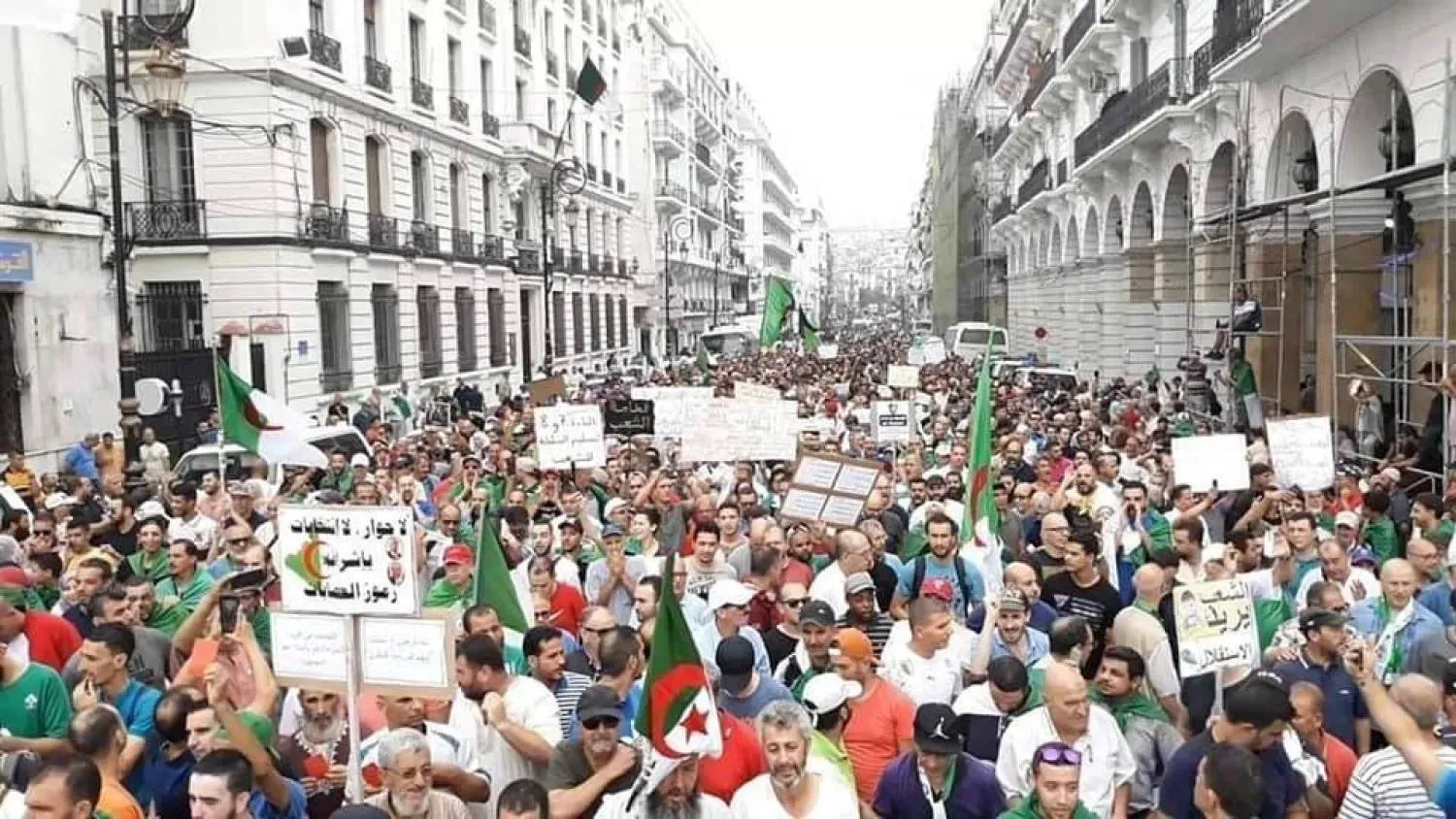

Dozens of Algerian opposition figures living abroad have called for “concrete guarantees” to protect them before returning home, in their first collective response to President Abdelmadjid Tebboune’s invitation for exiled critics to come back.
While welcoming the gesture, they insisted it must be backed by tangible measures, including a general amnesty for political prisoners.
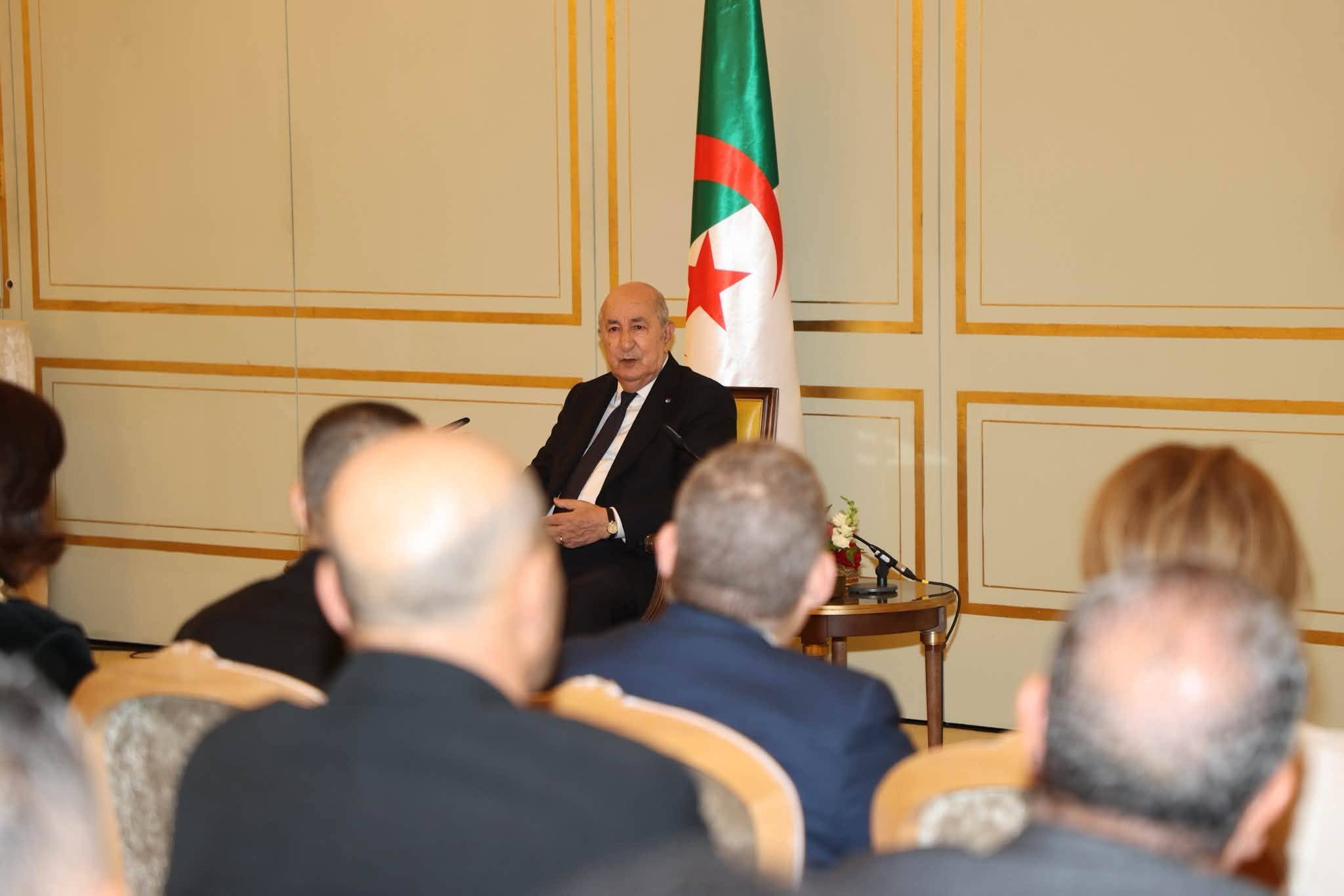
During a July 16 visit to Germany, where he met members of the Algerian diaspora, Tebboune told expatriates that opposition figures abroad were “welcome” to return.
He maintained that those who criticize the government “in a civilized manner” and offer practical alternatives contribute to Algeria’s democratic progress.
“Every Algerian has the full right to criticize,” the president said, provided such criticism respects the country’s “traditions, values and national dignity,” adding that insults and personal attacks only fuel hatred and violence.
It remains unclear why Tebboune chose Germany to deliver the message, given that many of Algeria’s best-known exiled opponents live in France, Canada, and the UK. Among them are YouTuber Amir Boukhors, whose case has become a source of tension with Paris, former intelligence officer Hichem Aboud, and former diplomat Mohamed Larbi Zitout.
On Wednesday, 53 activists published a joint petition on social media, listing their names and countries of residence. While reaffirming their desire to return to Algeria, they voiced concerns about possible arrest.
The petition described returning home as “a fundamental and inalienable right,” while warning that many exiles still face the risk of detention, prosecution, or other restrictive measures because of their political views, public positions, and political commitments.
It also expressed hope that Tebboune’s remarks would be translated into “concrete action.”
The signatories called for guarantees of freedom of movement, including an end to administrative delays in issuing travel documents and the repeal of what they described as unlawful travel bans imposed outside judicial oversight.
They demanded an end to practices requiring some activists to sign declarations of repentance or renounce their political beliefs as an explicit or implicit condition for returning, arguing that political opinions are not crimes requiring pardon.
According to the petition, some opposition figures have returned this year under new procedures requiring written pledges not to criticize the government, though no official figures are available on how many have signed such undertakings.
The activists further urged the authorities to respect their right to express opinions, analysis, criticism, and proposals without being branded “enemies of the nation” or threatened with the loss of citizenship.
They argued that Tebboune’s initiative cannot succeed unless Algeria repeals laws restricting political freedoms, particularly Article 87 bis of the Penal Code.
Introduced in 2021, the article has drawn widespread criticism for classifying a broad range of acts as terrorism, incitement to hatred, threats to public security, or attacks on national unity. Dozens of activists, journalists, and human rights defenders have been imprisoned under its provisions.
The petition also stressed that the president’s appeal to exiles should be accompanied by similar measures for domestic opponents, beginning with a general amnesty for political prisoners, prisoners of conscience, and all those prosecuted or convicted for peacefully exercising their rights.
Among the signatories are France-based activist Hakim Addad, a co-founder of the dissolved Youth Action Gathering who was previously imprisoned for his political activities; prominent human rights advocate Said Salhi, former vice president of the banned Algerian League for the Defense of Human Rights, now living in Belgium; France-based activist and politician Senhaja Akrouf; and Canada-based academic and rights activist Lazhar Zouaimia.


