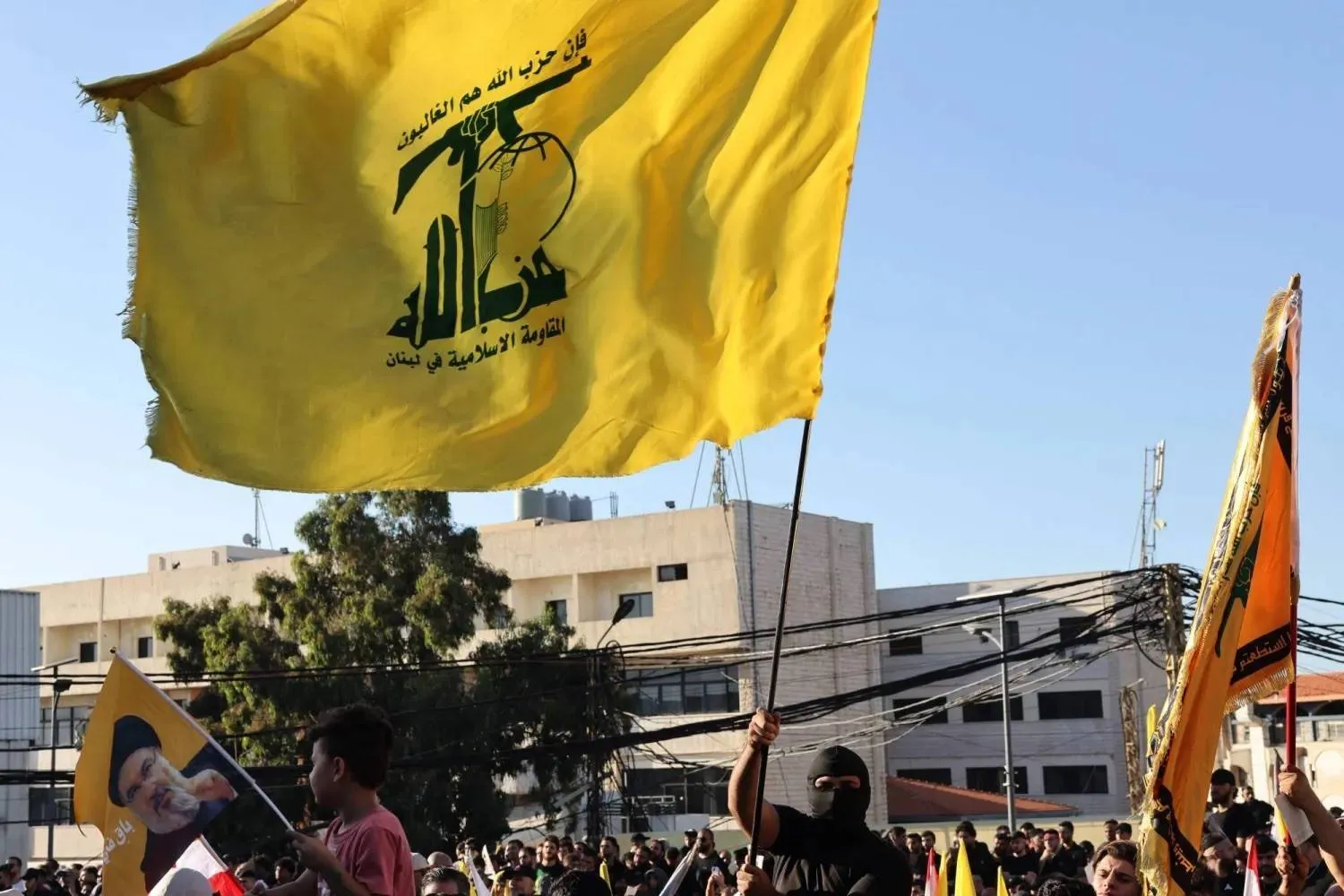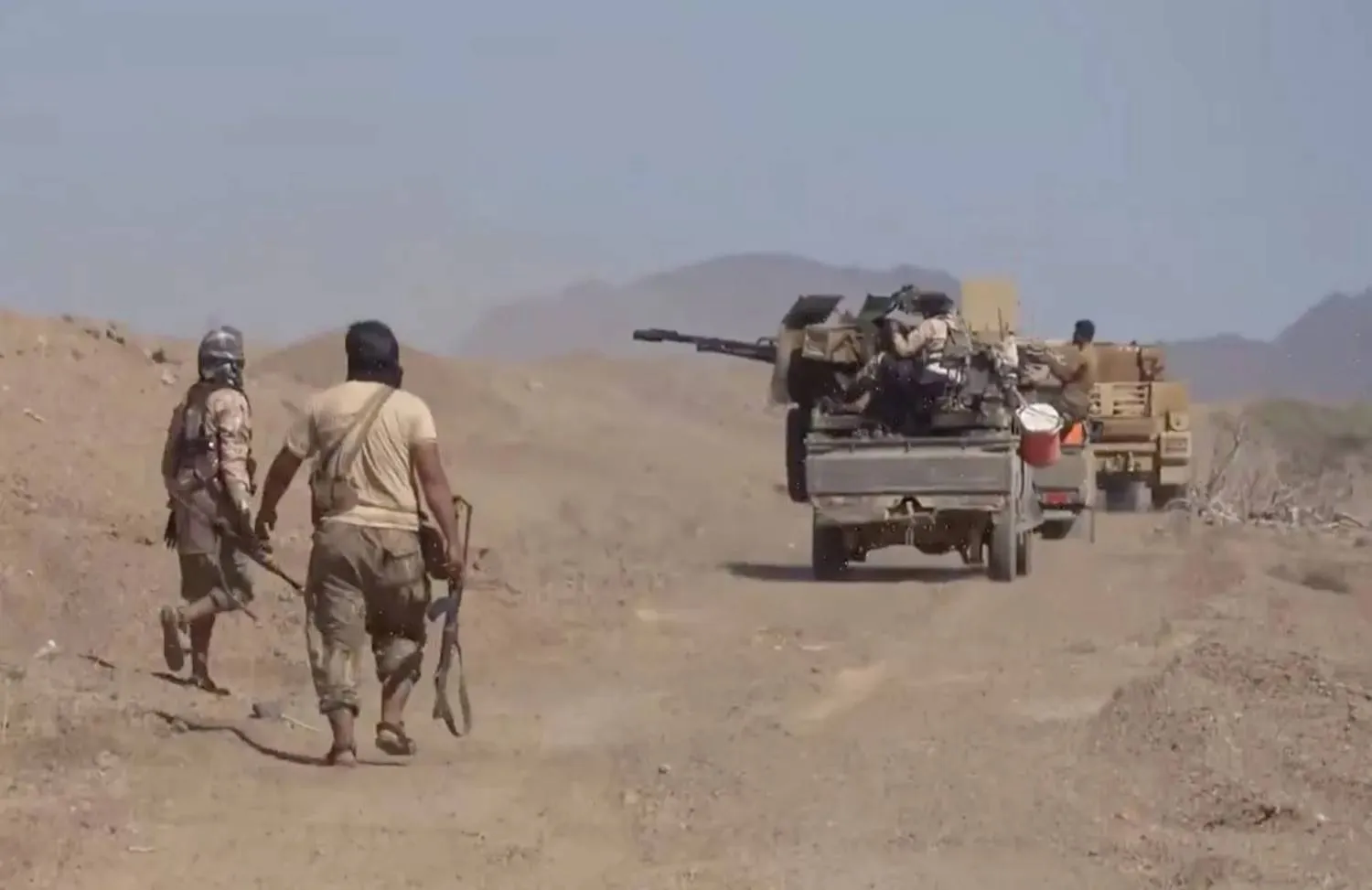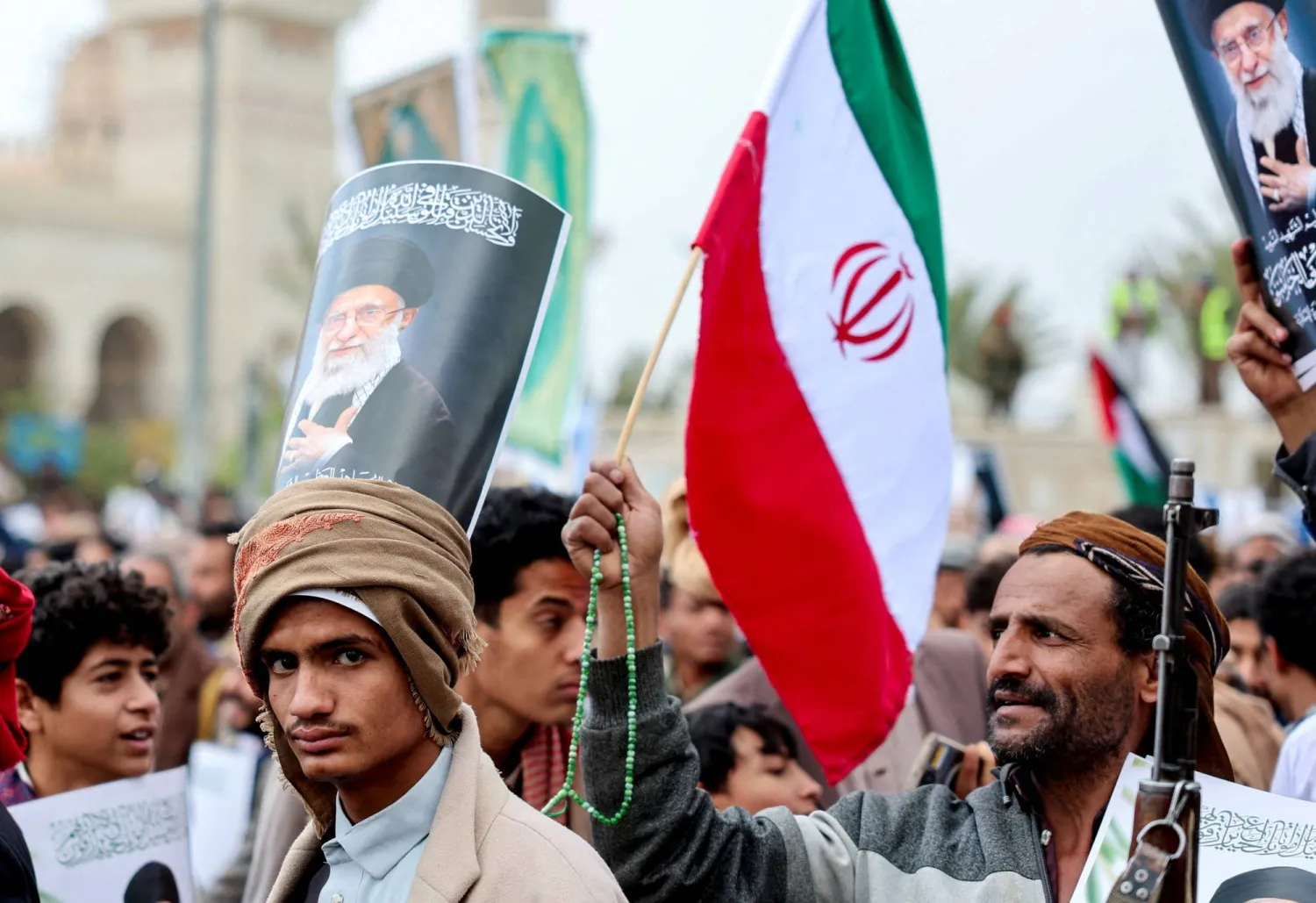

Ties between Yemen’s Houthi militia and Iran-aligned Iraqi armed factions have steadily deepened in recent years, evolving from political and media coordination into an operational partnership spanning military, logistical, and intelligence activities. The cooperation forms part of the Iran-led “Axis of Resistance”.
Observers said the shift has allowed the Houthis to expand their military network and tap the expertise and capabilities of Iraqi factions. Iraq, meanwhile, has become a key arena for coordination among members of the Iranian alliance on missiles, drones, and logistical support.
Security information indicates that Houthi activity in Iraq is no longer confined to political or media representation. It now includes coordination centers and field operations conducted in coordination with influential Iraqi factions, indicating a more advanced level of integration.
Field reports show that the Houthi mission has reorganized its presence in Iraq in recent years, leaving its public offices in Baghdad and relocating to more secure areas, particularly the Babil province, which is now a main hub for their activities.
Informed sources said the Houthi group operates from Jurf al-Sakhar in northwestern Babil, one of the most prominent strongholds of Iran-aligned armed factions. The area offers a favorable setting for logistical and training activities and lies close to major supply routes.
Houthi personnel move under the protection of powerful Iraqi factions, the sources said, using their security capabilities and logistical networks to transfer personnel and equipment between provinces.
That support gives the group greater freedom to manage its activities in Iraq.
The cooperation includes shared facilities, exchanges of field intelligence, transportation and operational support, strengthening the Houthis’ ability to operate beyond Yemen.
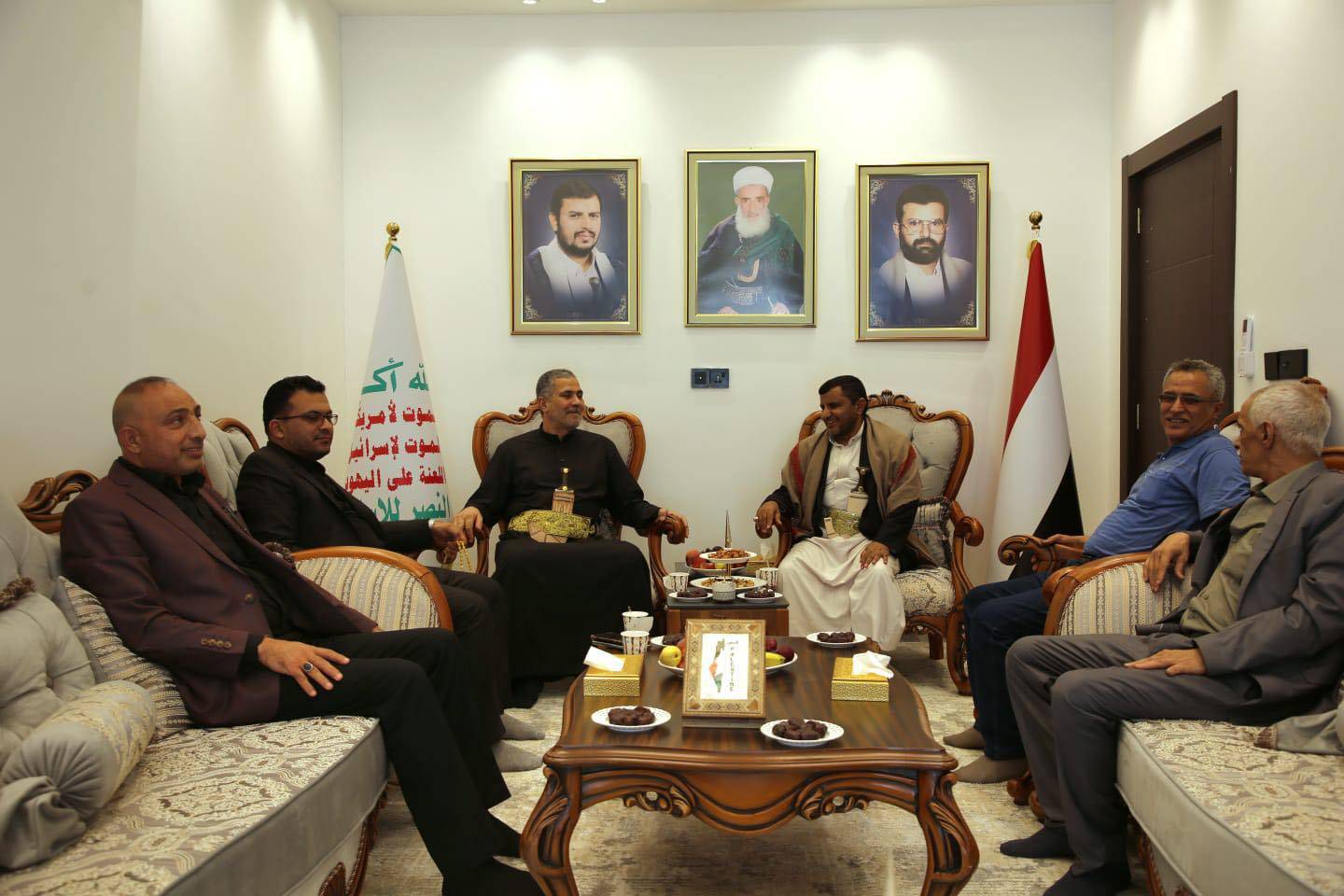
A multi-role leadership structure
Yemeni and Iraqi sources said the Houthis run their activities in Iraq through a structured network with clearly divided roles covering relations with armed factions and military, financial and ideological affairs.
Abu Idris al-Sharafi heads the Houthi mission in Iraq. He manages relations with Iraqi faction leaders, coordinates with the Popular Mobilization Forces and oversees the group’s broader activities in the country.
Abu Ali al-Ezzi is among the group’s most prominent military experts. He has been tasked with developing and managing drone programs, overseeing training and the transfer of technical expertise, and helping coordinate drone-related operations.
Fadl al-Sharafi manages the mission’s finances and oversees fundraising through charitable fronts, according to the sources. These include the Al-Muwatin Charitable Foundation in Najaf.
Abdulmalik Murtada, also known as Abu Talib, previously represented the group to the Syrian regime. He now manages supply routes and coordinates logistics between different arenas.
The sources also identified a security official known as Abu Hiba, who handles intelligence and security files. His identity and movements remain tightly guarded.
Observers said the division of responsibilities shows how the Houthi presence in Iraq has evolved from a limited operation into a more cohesive structure.
Its political, military, financial and security roles are clearly defined, making it easier to coordinate with Iraqi armed factions and expand cooperation.
Iraqi sources also said figures linked to the Houthis have for years been involved in suspicious financial and commercial activities widely believed to serve as fronts for money laundering and financing the group’s operations in Yemen and the wider region.
The businesses include restaurants, currency exchange offices, transport companies and shipping firms, according to the sources.
Military expertise moves both ways
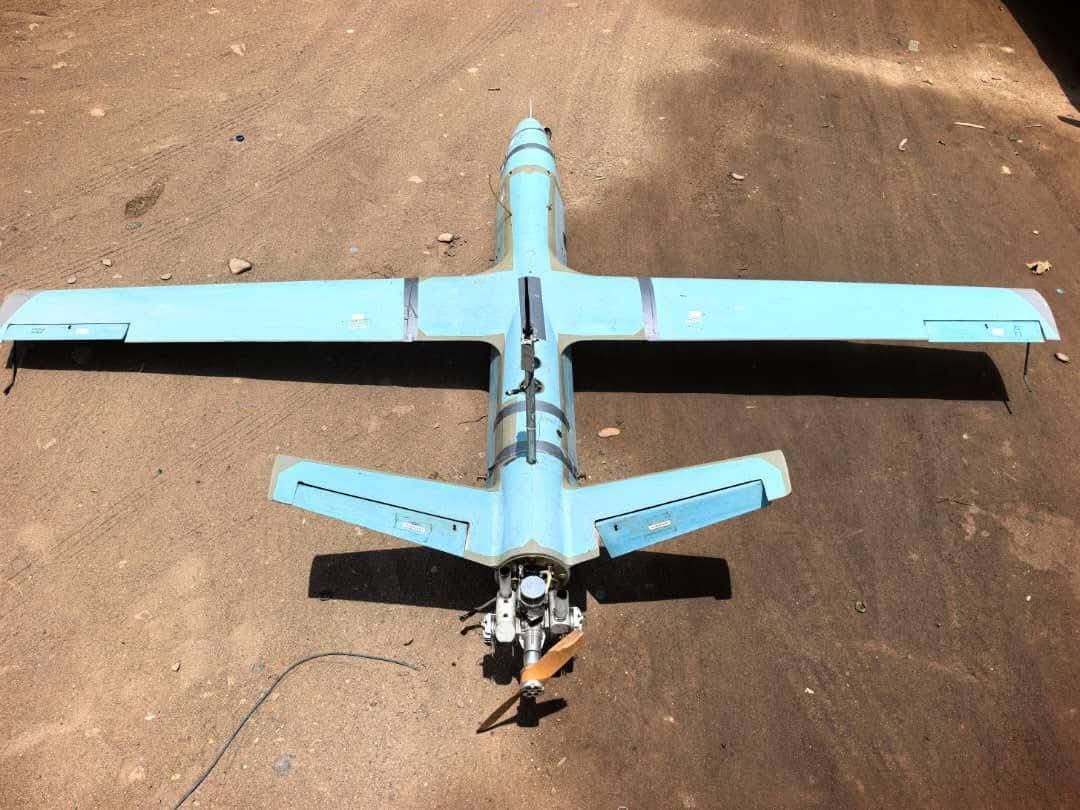
Experts said the exchange of military expertise is one of the most important pillars of cooperation between the Houthis and Iraqi factions, particularly in drones and long-range missiles, now key weapons in regional conflicts.
Years of war in Yemen have given the Houthis extensive experience in operating drones and refining how they are used.
The Iraqi factions, in turn, provide logistical infrastructure, deployment bases, weapons depots and support networks that help sustain and expand such activity.
Assessments also indicate continued coordination in training and operational planning, enabling both sides to exchange technical expertise and develop attack tactics.
That cooperation has strengthened coordination among alliance members across several arenas.
Observers noted that the military integration is one of the clearest signs of the alliance between the Houthis and Iraqi factions.
Their relationship has moved beyond mutual support towards an operational system built around shared objectives, they added.
The widening cooperation between the Houthis and Iraqi armed militias has raised growing concern among regional countries, particularly amid repeated accusations that Iraqi territory is being used for activities linked to regional conflicts.
The relationship poses a difficult challenge for the government of Iraqi Prime Minister Ali al-Zaidi as it seeks to bring weapons under state control and prevent Iraq from being drawn into foreign conflicts.