
A series of security incidents over the past two months coincided with Iraqi Prime Minister Ali al-Zaidi’s push to reposition Baghdad regionally and deepen ties with Washington and Arab capitals, raising questions among observers over whether coordinated pressure is aimed at derailing that effort.
Ahead of al-Zaidi’s June 13, 2026, visit to Washington, Iraqi factions rejected calls to hand over their weapons, thrusting the issue of arms outside state control back onto the agenda. The United States cast the government’s ability to monopolize weapons as a key test of its partnership with Baghdad.
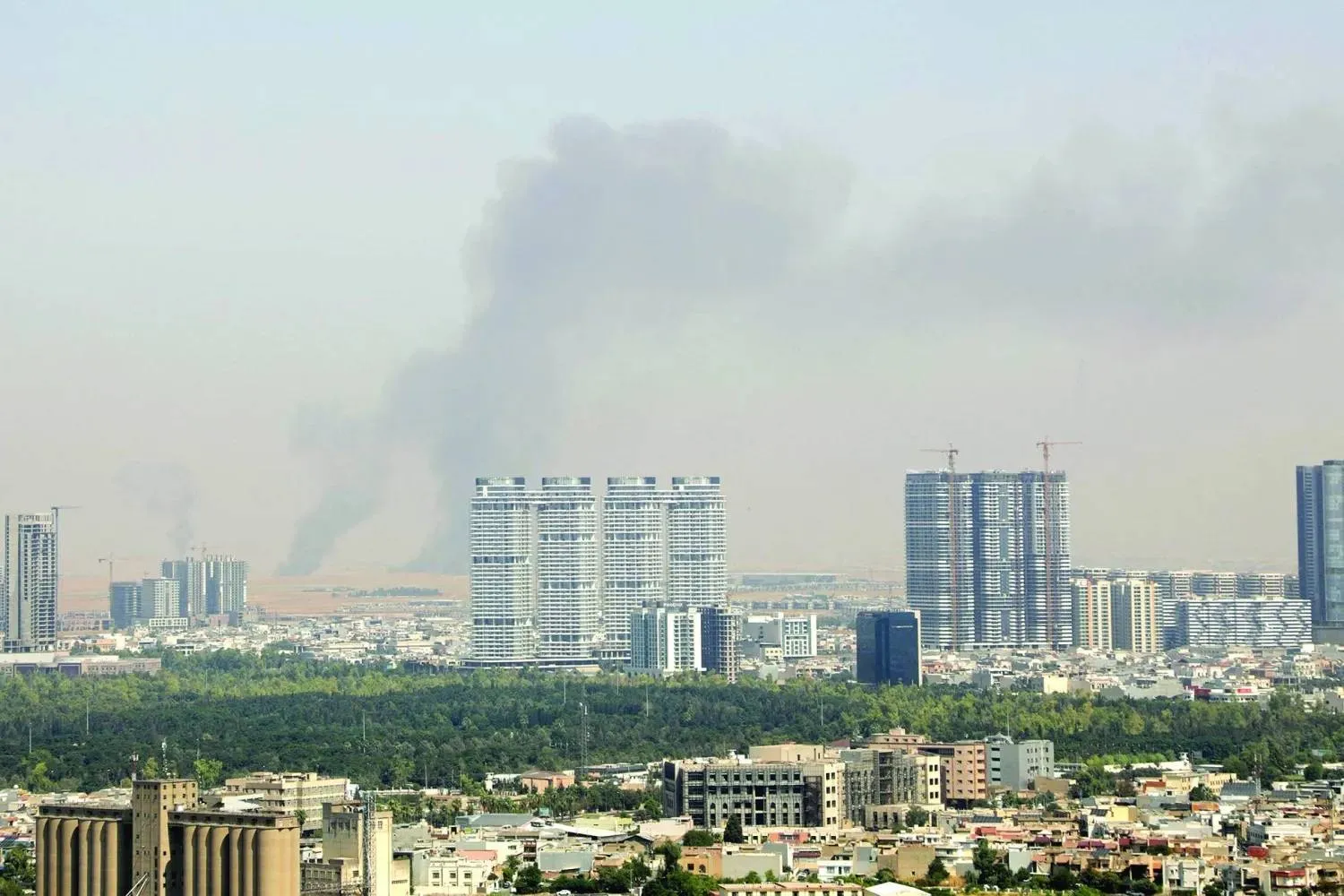
As al-Zaidi held talks in Washington, rockets and drones struck areas in Iraq’s Kurdistan region, exposing the fragility of the security landscape just as his government sought to project control and stability.
At the same time, Syrian authorities said they had seized shipments and foiled drone-related operations through the al-Tanf area and along the Iraqi border. Damascus tightened security to curb cross-border weapons and drone smuggling, adding a regional dimension to the pressure surrounding Iraq.
The crisis escalated on July 27, when Saudi Arabia said it had intercepted drones launched from Iraqi territory towards oil facilities in the Eastern Province.
Baghdad opened an investigation, saying it would not allow Iraqi territory to be used to attack neighboring states, and requested technical data to support the inquiry. On July 28, Saudi Arabia again said its air defenses had intercepted and destroyed drones coming from Iraq and targeting oil facilities in the Eastern Province.
The incidents came as al-Zaidi’s government sought to present Iraq as a credible regional partner, rebuild ties with Gulf states and draw closer to its Arab neighbors, while preserving its balance between Iran and the United States.
The cost of regional outreach
Observers said the pressure had moved beyond Iraq’s domestic arena and into its foreign relations. The pattern shifted from attacks inside Iraq to incidents along the Syrian border and then to strikes against Saudi Arabia launched from Iraqi territory, leaving Baghdad on the defensive.
They said the timing, alongside the government’s outreach to Washington and Arab capitals, pointed to a broader pattern that was raising the cost of Baghdad’s regional opening and pushing the issue of armed factions back to the center of Iraqi-Arab relations.
Saudi Arabia’s Ministry of Defense said early on Wednesday that it had carried out targeted strikes, in coordination with US Central Command, against militia sites on Iraqi territory that it linked to the attacks on oil facilities in the kingdom.
The ministry said the operation was an exercise of Saudi Arabia’s legitimate right to defend itself and its national assets. It said the kingdom did not seek escalation but would respond to any attack and reserved the right to retaliate at a time and place of its choosing.
Saudi Arabia’s response drew broad support from the Arab Gulf. The General Secretariat of the Gulf Cooperation Council said it stood fully behind the kingdom and backed the measures it was taking to protect its security, sovereignty, and territorial integrity.
In Iraq, Sadrist movement leader Moqtada al-Sadr on Wednesday urged Iran’s Revolutionary Guards and what he called “rogue militias” not to “bomb Iraqi territory” or drag the country into the regional conflict.
In a statement, Sadr said the Iraqi government must enforce security and sovereignty and protect the Iraqi people and their holy sites. He warned against being drawn into “sectarian myths”, saying Iraq “needs peace after wars that have drained its resources”.