



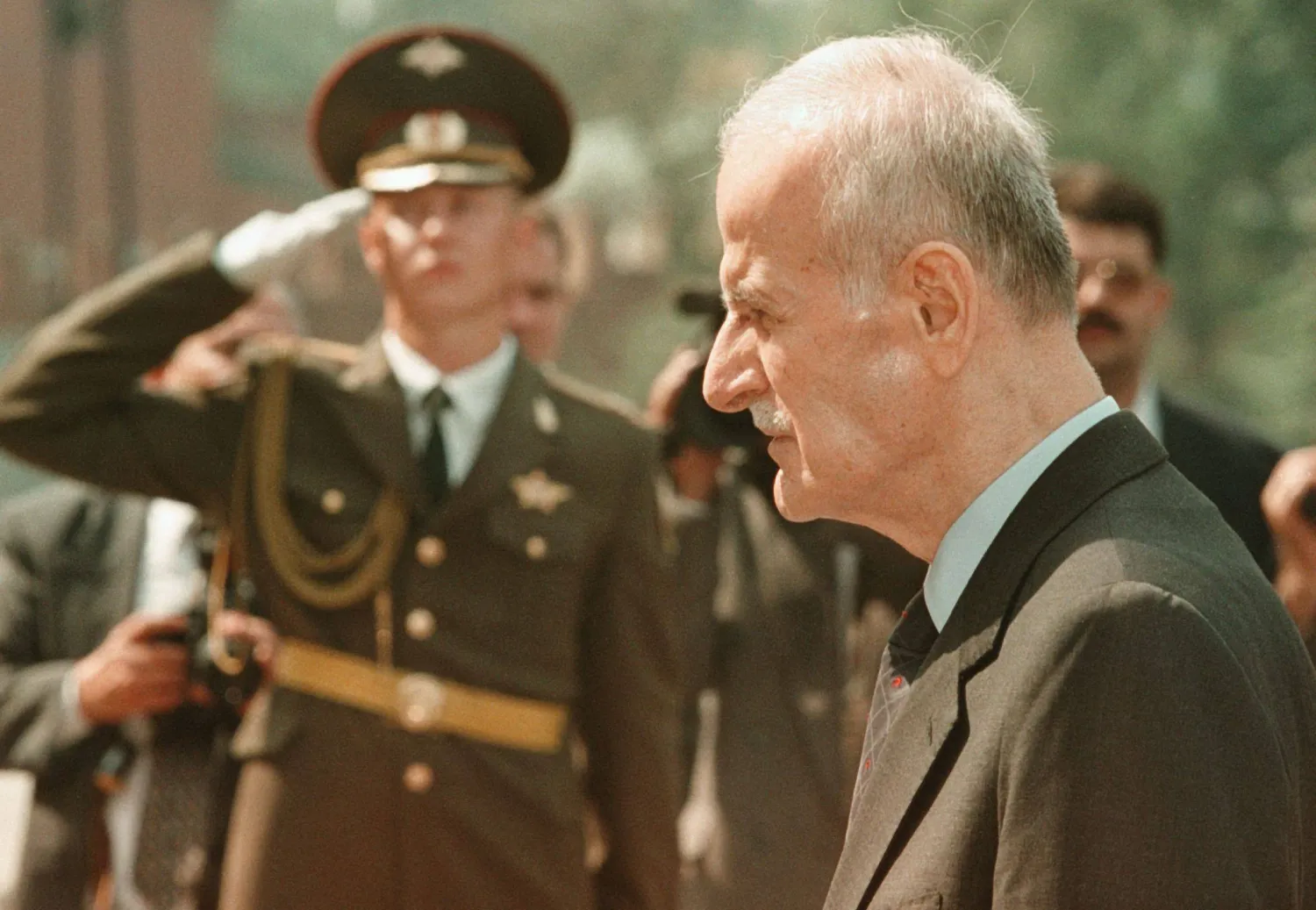

Former Syrian Vice President Abdul Halim Khaddam’s recent memoirs revealed sensitive information about wealth and power in the country, notably that the Syrian state reserve, which according to the late official amounted to twelve billion dollars at the time, was registered under the name of late President Hafez al-Assad, rather than state institutions.
The memoirs, edited and introduced by Ibrahim Hamidi, are due to be published in early September by Raff Publishing, a subsidiary of the Saudi Research and Media Group (SRMG).
"No one imagined that an amount of this magnitude would be placed under the personal name of the head of state, given that it belongs to the Syrian state, not him," Khaddam wrote.
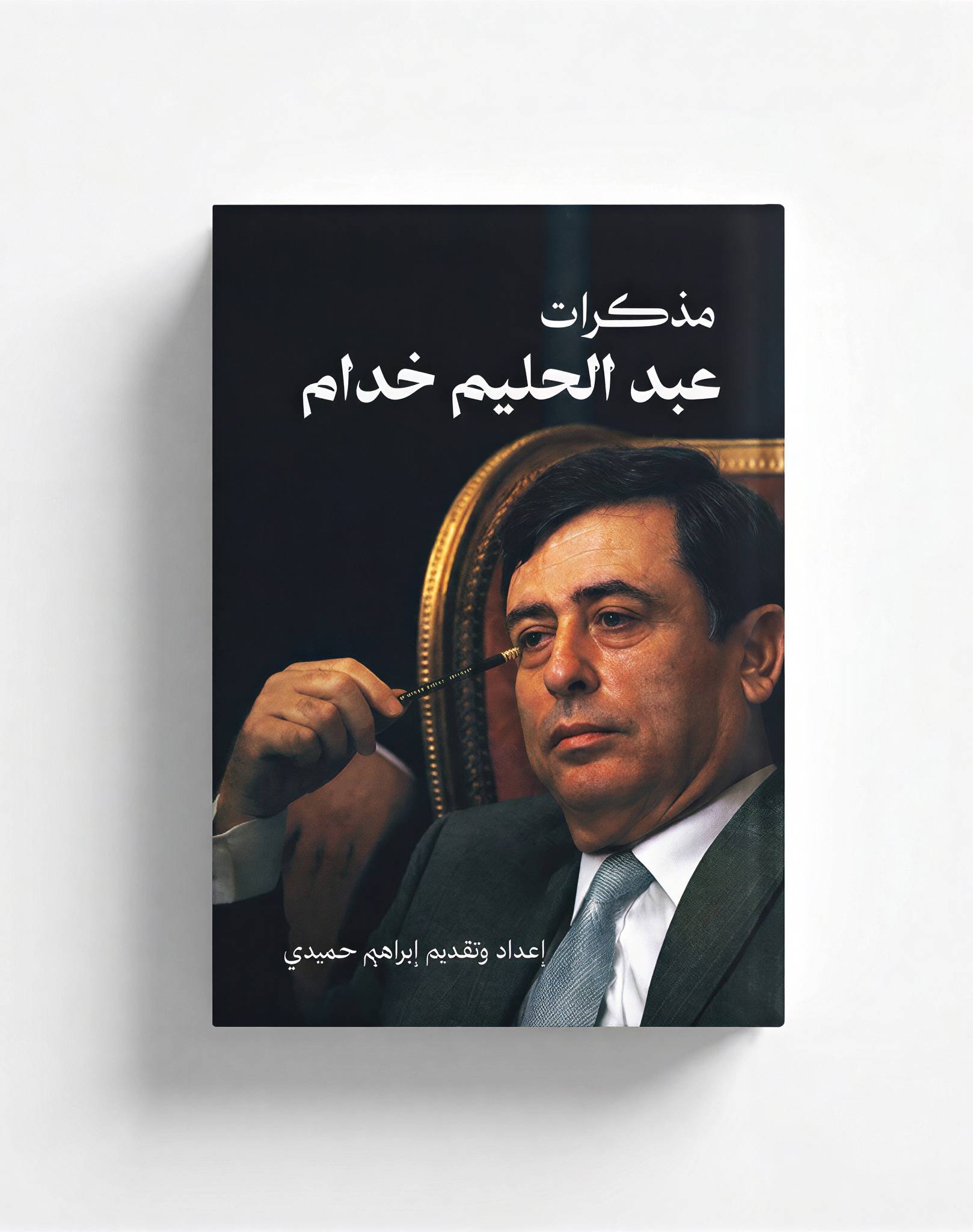
According to Khaddam, the issue did not remain a mere formality, but turned into an internal crisis when the president received a document indicating that a sum of money had been withdrawn from the account registered in his name abroad.
Assad found the issue strange and requested the transfer document from the bank. Days later, a copy of the request arrived, and upon reviewing the signature, it turned out to be forged.
When the bank was questioned about the recipient of the transferred amount, $65 million, it was revealed to belong to Prime Minister Mahmoud Al-Zoubi.
Khaddam recalled that Assad was infuriated and ordered a security chief to summon Al-Zoubi, warning him to return the money or face execution. The funds were returned to the bank.
Al-Zoubi remained prime minister from November 1987 until March 2000, marking the longest premiership since the Syrian state’s establishment in 1918.
Khaddam painted a harsh picture of the man who "not only into facilitated corruption, but also practiced it."
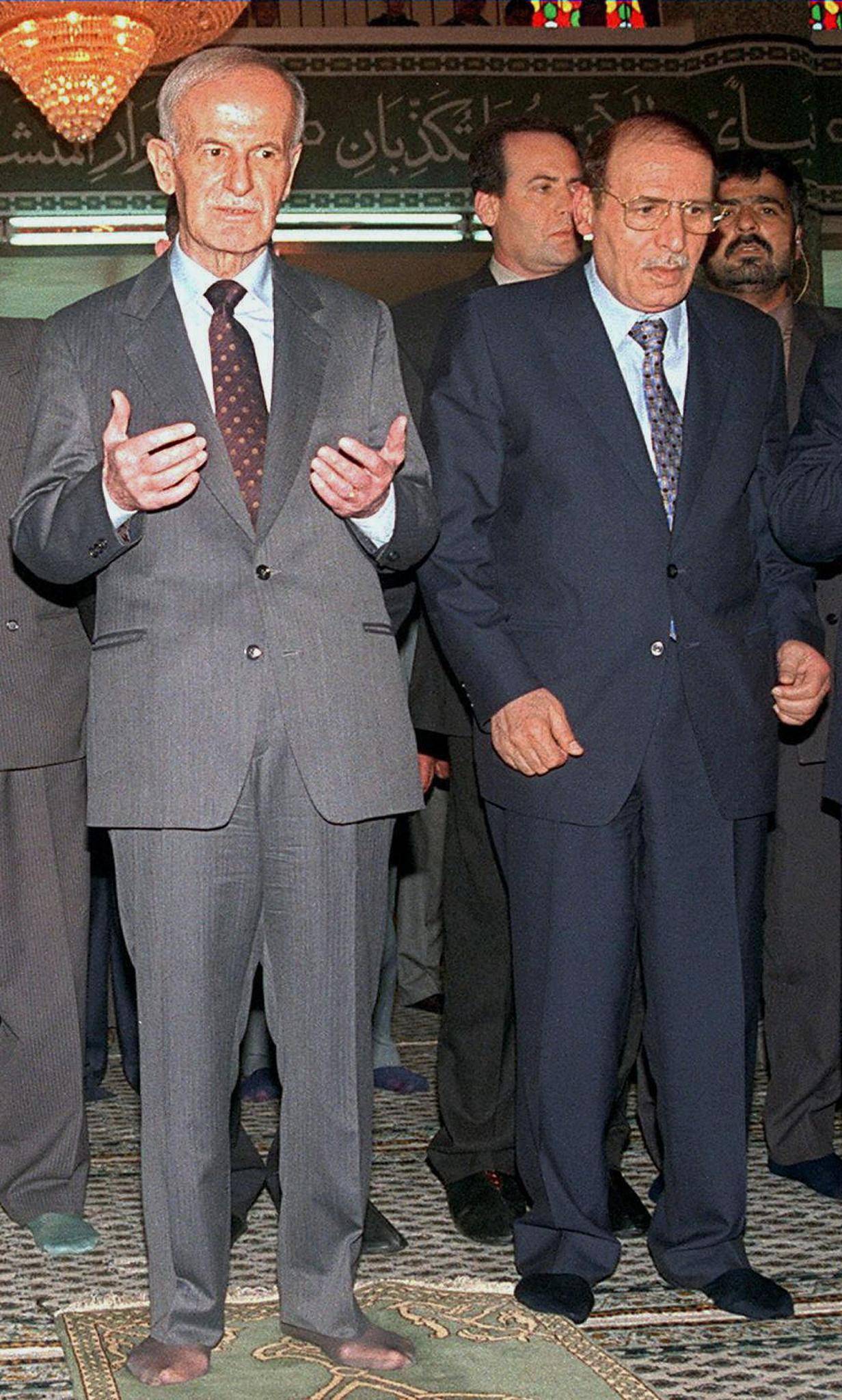
He recounted how he built his network of trust upward toward the office of Bassel al-Assad and Mohammad Makhlouf, while Khaddam himself had been overseeing the corruption file with Hafez al-Assad since 1989.
Khaddam recalled how Al-Zoubi's political career came to an end. In mid-May 2000, Assad, who was showing "signs of death," invited a number of members of the ruling Baath Party leadership to his home and told them: "Mahmoud Al-Zoubi has betrayed me. Investigate him and hold him accountable." Assad did not disclose more details.
Al-Zoubi was expelled from the party and a decision was made to refer him for investigation. Upon being informed of the decision, he repeatedly asked: "What did I do?"
He warned Khaddam: "If they call me for investigation, I will commit suicide."
On May 24, 2000, when the Damascus police chief and two officers arrived to escort him to interrogation, Al-Zoubi went up to the second floor of his house and shot himself in the head.
Khaddam wrote that he learned about the forgery incident and the reserve "shortly after" the suicide.
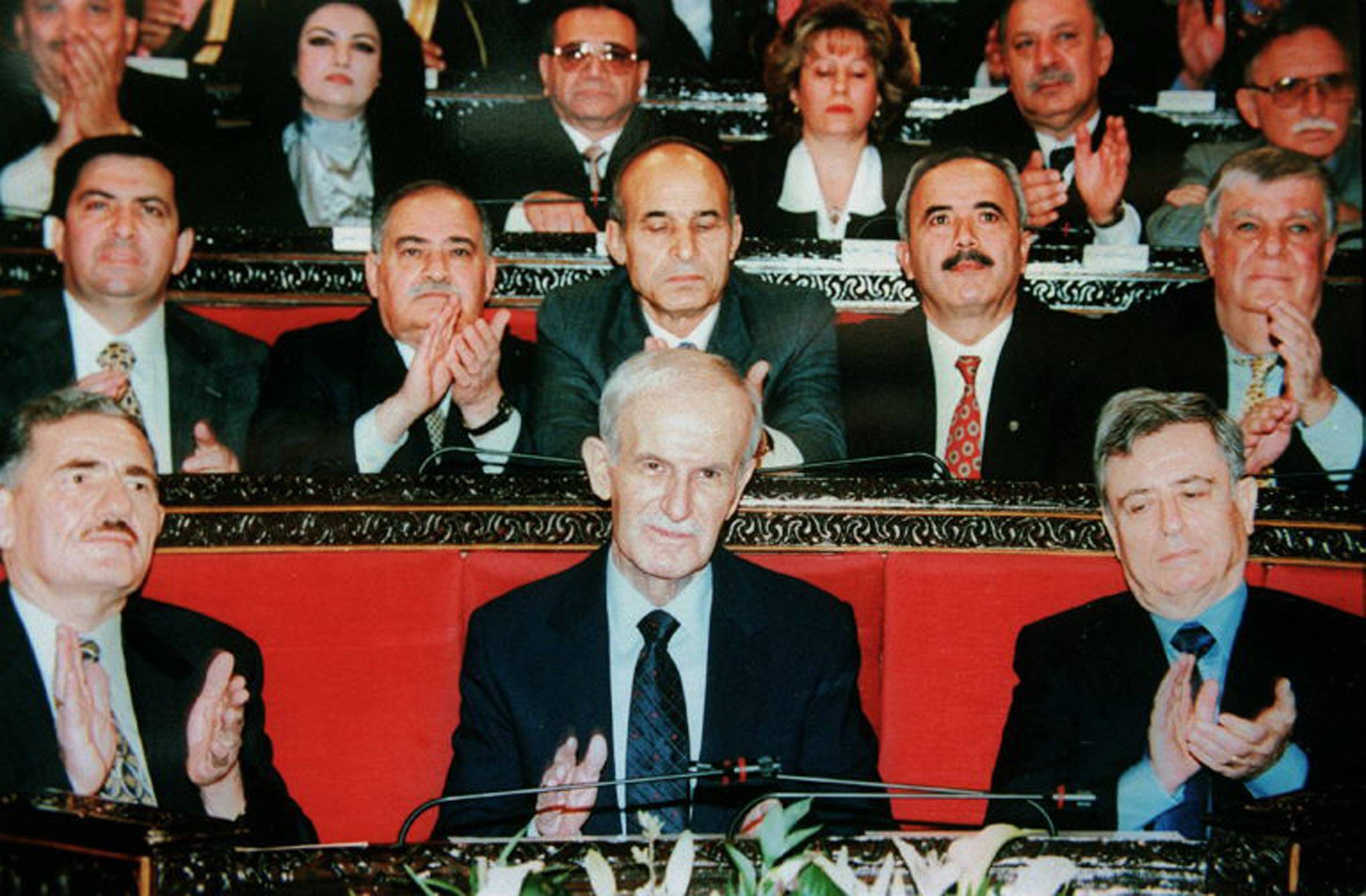
The memoirs include other incidents related to Al-Zoubi's tenure, most notably a contract to purchase Airbus aircraft in the early 1990s: a committee headed by the PM, a transport minister who was excluded from the deal after contacting the French company "to obtain a commission," and a contract approved by the government despite objections "after Al-Zoubi insinuated that the President had approved it."
Khaddam noted that a few days after Al-Zoubi's suicide, Deputy Prime Minister Salim Yasin and Minister of Transport Mufid Abdel Karim, both of whom had objected to the contract, were "unjustly" arrested and sentenced to 15 years in prison alongside a fine exceeding the total value of the aircraft.
He also recalled that an economic reform study prepared by experts commissioned by late Lebanese Prime Minister Rafik al-Hariri, with Assad’s approval, and costing three million dollars, "was read by no one other than myself among the members of the government and leadership."
Independent verification of the referenced banking documents was not possible and the account remains the sole responsibility of its author. The details of the incident and corruption files appear in the book's chapter titled "The Suicide of Mahmoud Al-Zoubi."


